
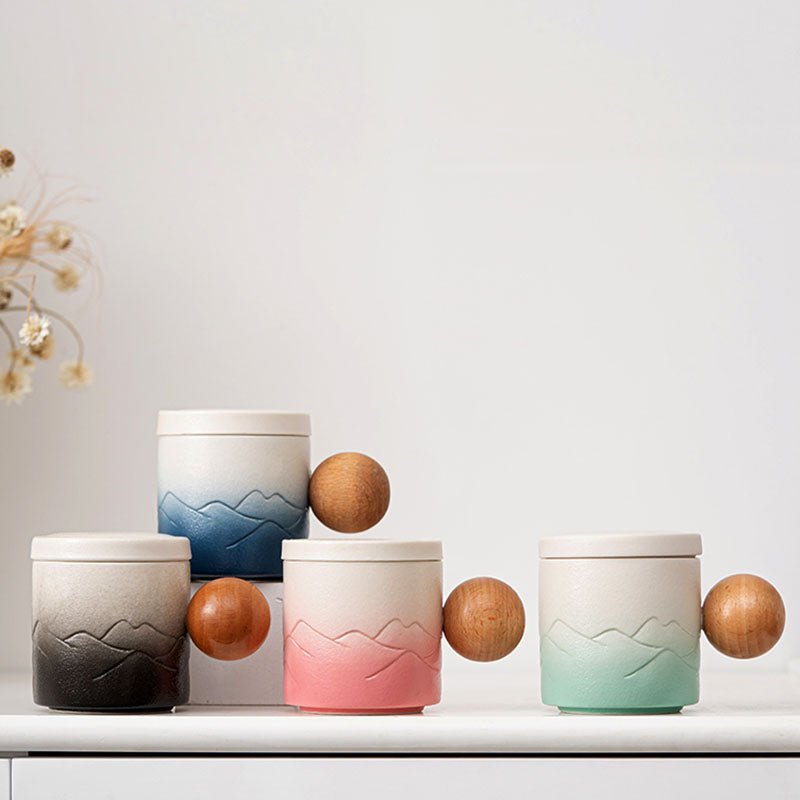
Piccolo Cup Home Office Practical Purchase Checklist: 3 Sizes
Reading time: about 9 minutes
A cup can look compact in a product photo and still be the wrong choice once it shares a desk with a keyboard, notebook, coaster, and charging cable. In our store, the first question we ask is not whether a cup carries a piccolo label. It is how many milliliters your finished drink actually occupies. This piccolo cup home office practical purchase checklist starts with that measurement, then checks the routines that follow: quick breaks, video meetings, kitchen refills, grip, cleaning, and unboxing.
We can verify three catalog capacities: the Retro at 170 ml, the Ball Handle at 250 ml, and the Emerald at 270 ml. CoffeifyMug does not present any of them as a certified piccolo cup, and we do not assign a fixed coffee-to-milk ratio. Capacity is the reliable comparison here. Material, exterior dimensions, weight, and care suitability should be confirmed on the current product page before purchase.
Piccolo cup home office practical purchase checklist by capacity
Treat listed capacity as a comparison number, not an instruction to fill a cup to the lip. Your normal working fill will be lower whenever you leave room for lifting and sipping. The ranges below are practical starting points based on measured drink volume, not prescribed coffee recipes.
| Option | Listed capacity | Useful starting point | Main trade-off |
|---|---|---|---|
| Retro coffee and tea cup | 170 ml, about 5.7 US fl oz | A finished drink under about 160 ml and a short desk break | Least spare capacity and potentially more kitchen refills |
| Ball-handled coffee and tea mug | 250 ml, about 8.5 US fl oz | A drink around 180 to 220 ml or a recipe that changes during the week | More cup than a tightly portioned piccolo-style drink needs |
| Emerald coffee and tea mug | 270 ml, about 9.1 US fl oz | A drink around 230 to 250 ml with some numerical capacity left over | Only 20 ml more than the Ball Handle and excessive for a 150 ml pour |
The Ball Handle adds 80 ml over the Retro. The Emerald adds another 20 ml, making it 100 ml larger than the Retro. That final 20 ml may matter if your usual fill is close to 250 ml, but it should not decide the purchase if your drink regularly stops near 180 ml.
Which capacity fits your breaks and meeting schedule?
A short drink between calendar calls
If your measured fill lands around 140 to 160 ml and you usually finish it during a brief break, the 170 ml Retro is the closest numerical match in this group. It keeps the serving deliberately limited without asking you to buy capacity you do not use. It is not the practical choice for someone who pours 170 ml before adding milk or who dislikes making a second kitchen trip.
One cup for changing morning recipes
The 250 ml Ball Handle suits a home-office routine that moves between a smaller black coffee, a milk drink, and tea. A 200 ml serving leaves 50 ml between the measured drink and the listed capacity, which is more forgiving than trying to place that same drink in the 170 ml Retro. Its distinctive handle is also a buyer variable, but handle shape is personal. Review the product images and any listed dimensions rather than assuming it will suit every grip.
A longer planning block with fewer refills
The 270 ml Emerald makes more sense if your normal drink measures around 230 to 250 ml and you want the largest option among these three. The added capacity can support a longer desk session compared with the 170 ml cup, assuming you drink at the same pace. If you usually make only 150 ml, however, the Emerald gives you unused volume without solving a real problem.
None of these three is a sensible match for a regular 300 ml drink. Large iced drinks also need more room because ice occupies part of the available volume. If your priority is a lid, insulation, or verified spill resistance, do not infer those features from cup size or product photography. Compare a different format in the unique coffee mugs collection and confirm the relevant specifications before ordering.
How can you measure your normal pour without wasting coffee?
A measuring jug gives a better answer than the name of your usual cafe order. We use a water-line check because foam and crema can make a finished drink awkward to transfer accurately.
- Make your normal drink in the cup you currently use and note the fill line. A small piece of removable tape on the outside can mark the level.
- Finish the drink, rinse the cup, and refill it with water to the same line.
- Pour that water into a metric measuring jug and record the number.
- Repeat the check for the two drinks you make most often, such as a short morning coffee and a larger afternoon milk drink.
- Compare the larger result with 170 ml, 250 ml, and 270 ml while preserving the amount of headspace you prefer.
This method measures the space your usual drink occupies, including the level reached by foam. If the result is exactly the same as a cup's listed capacity, there is no numerical allowance for headspace. Confirm how the product capacity is defined or move to the next size. For example, a 200 ml fill points more logically to 250 ml than 170 ml, while a consistent 145 ml fill gives you little reason to buy 270 ml.
How much desk, shelf, and handle clearance do you need?
Capacity does not reveal exterior height, base diameter, maximum width, or weight. A 170 ml cup is not automatically guaranteed to have the smallest external footprint. Before buying, compare current product measurements with the physical space where the cup will be used.
- Desk landing area: Measure the clear width and depth beside your keyboard. Include the coaster if you use one.
- Vertical clearance: Check the space below a shelf and, if relevant, below your coffee machine's dispensing area. Do not assume a cup will fit from capacity alone.
- Handle clearance: Leave room between the handle, mouse, notebook, and charging cables. For the Ball Handle, inspect the handle profile in the product images and check any listed width.
- Meeting routine: If you lift the cup while writing or using a mouse, compare handle opening and listed weight where available. A visually distinctive handle is not automatically the most comfortable one for every hand.
For a crowded desk and a measured drink below 160 ml, the Retro is the first option to investigate, but its exterior measurements still need checking. For a variable 180 to 220 ml routine, the Ball Handle offers more capacity flexibility. For 230 to 250 ml drinks during longer meetings, the Emerald provides the largest listed capacity, although its 20 ml advantage over the Ball Handle may be too small to outweigh a handle or finish preference.
What should you confirm about material, finish, care, and condition?
For this comparison, the facts we can verify are the product names and listed capacities. We will not turn a product photograph into a material, microwave, dishwasher, insulation, or durability claim. Check the current listing for those details, and contact our store if a specification central to your decision is not stated.
- Confirm the listed material and finish rather than assuming every small cup is made the same way.
- Look for explicit dishwasher and microwave guidance. An absent statement is not the same as approval.
- Check height, diameter, overall width with handle, and weight if those measurements are published.
- Verify what is included, particularly if you expect a saucer, lid, spoon, or gift packaging.
If machine washing is not confirmed, the conservative care routine is hand washing with mild detergent and a soft sponge. Avoid abrasive pads that can mark a finish, and do not expose the cup to abrupt temperature changes unless the product guidance confirms that use.
What do we inspect after unboxing?
Our team treats the rim, handle joints, base, and interior as separate checkpoints. These are areas where a small flaw can affect everyday use even if the cup initially looks fine from a distance.
- Inspect the rim under bright light for chips, rough areas, or a visible crack before drinking from it.
- Look at both handle-to-body attachment points for a hairline line, gap, or movement.
- Place the empty cup on a known-flat counter and check for pronounced rocking.
- Examine the interior surface for a crack or chip that breaks the drinking surface, then compare the received item with the listing.
If something appears damaged, photograph it before use and contact us. Do not test a questionable cup with a hot drink simply to see whether the issue becomes worse.
Frequently asked questions
Is 170 ml the right size for a piccolo-style coffee at a desk?
The Retro at 170 ml is the smallest listed option in this comparison, so it is the closest numerical match for a finished drink below about 160 ml. We do not claim it is a certified piccolo cup or require a particular milk-to-coffee ratio. Measure the drink you make at home and preserve your preferred headspace.
How do I use the piccolo cup home office practical purchase checklist?
Measure the fill line of your usual drink, compare that number with the three listed capacities, and then verify exterior dimensions, handle clearance, material, and care instructions. Match the result to your actual routine, such as a quick break or a long meeting. Do not select by the word 'piccolo' alone.
Is the 250 ml Ball Handle too large for a piccolo-style drink?
It may be larger than needed if your finished drink is around 140 to 160 ml. It becomes more practical when your normal serving is closer to 180 to 220 ml or your recipe changes from day to day. The extra capacity does not define the drink or establish a fixed coffee-to-milk ratio.
Are the Retro, Ball Handle, and Emerald dishwasher-safe?
Dishwasher suitability is not established by the verified capacity facts used in this comparison. Check the care guidance on each current product page before using a dishwasher or microwave. If the guidance is absent, contact our store or choose conservative hand washing.
Which option works for a 300 ml coffee or a large iced drink?
None of these three capacities is a strong match for a regular 300 ml serving. Ice also takes up space, leaving less room for the drink itself. A larger cup or tumbler would suit that routine better, provided its listed care, lid, and material details meet your needs.
Your final desk-side check before ordering
Use this piccolo cup home office practical purchase checklist one last time at checkout:
- Your normal drink has been measured in milliliters.
- The chosen capacity leaves the headspace you prefer.
- The exterior dimensions fit the desk, shelf, coaster, and coffee machine area.
- The handle shape and opening suit the way you hold a cup during work.
- The material and care guidance have been confirmed on the current listing.
- You know that a 300 ml drink, substantial ice, or a need for verified spill resistance calls for a different style.
Choose the Retro for a short measured pour, the Ball Handle for a variable mid-sized routine, or the Emerald for the largest drink in this group. If none matches your measurement, do not force the category label. Open the CoffeifyMug cup collection with your milliliter number beside you and compare a different size or format.
More from our blog
Read more
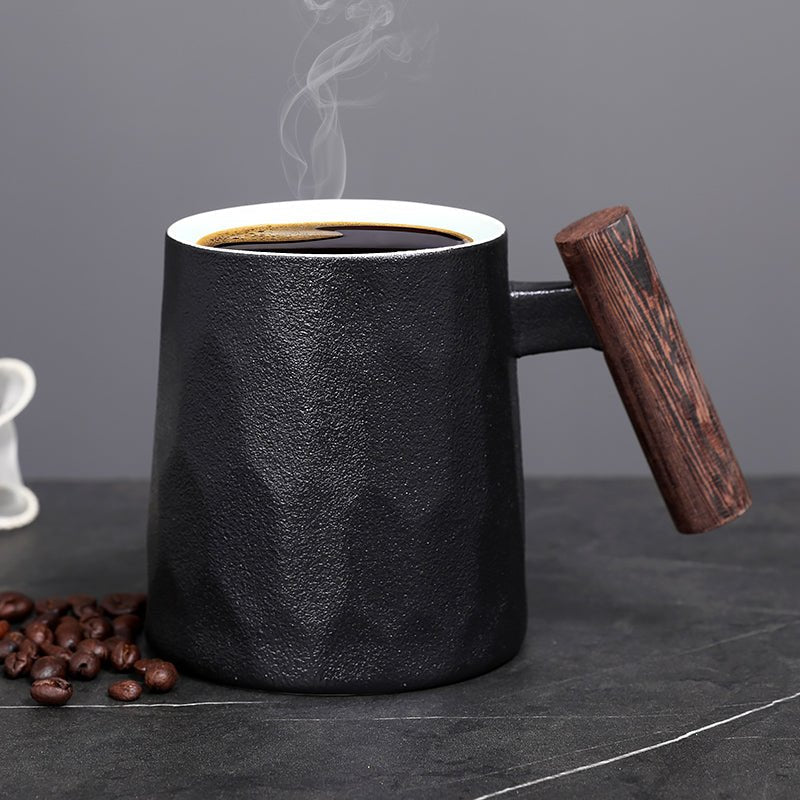
Peppermint Tea Mug Home Office Practical Purchase Checklist
Compare The Flow, Morning and Night, and The Rock using verified 400 ml, 440 ml, and 480 ml capacities. This desk-focused checklist also shows how to assess handle comfort without assuming unlisted...
Read more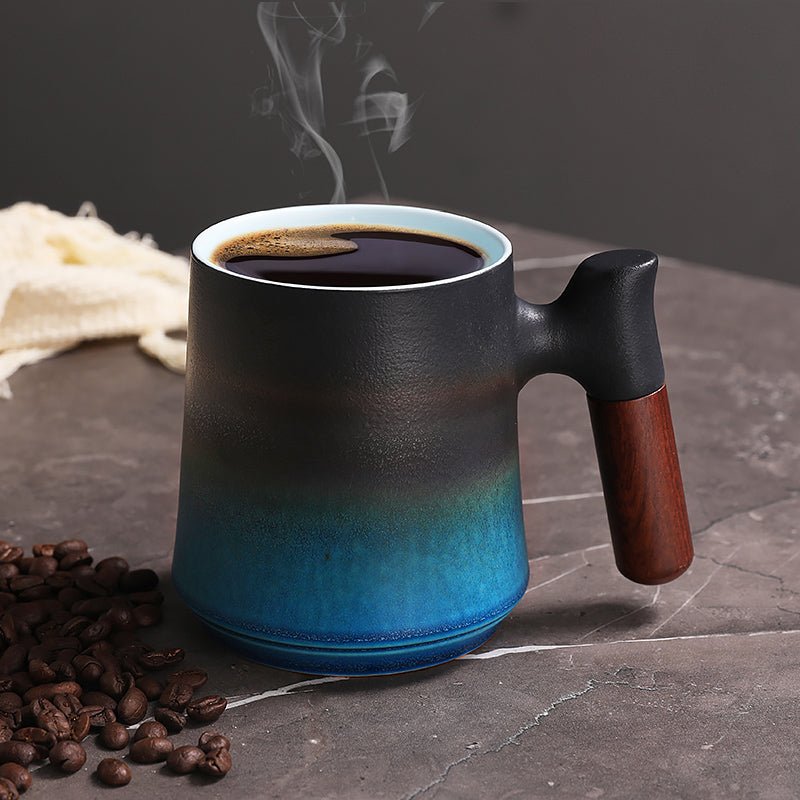
Two Tone Ceramic Coffee Mugs Home Office Practical Purchase Checklist
Use this two tone ceramic coffee mugs home office practical purchase checklist to compare desk clearance, handle comfort, finish, capacity, and care. We separate visible CoffeifyMug listing details...
Read more
Leave a comment
This site is protected by hCaptcha and the hCaptcha Privacy Policy and Terms of Service apply.