
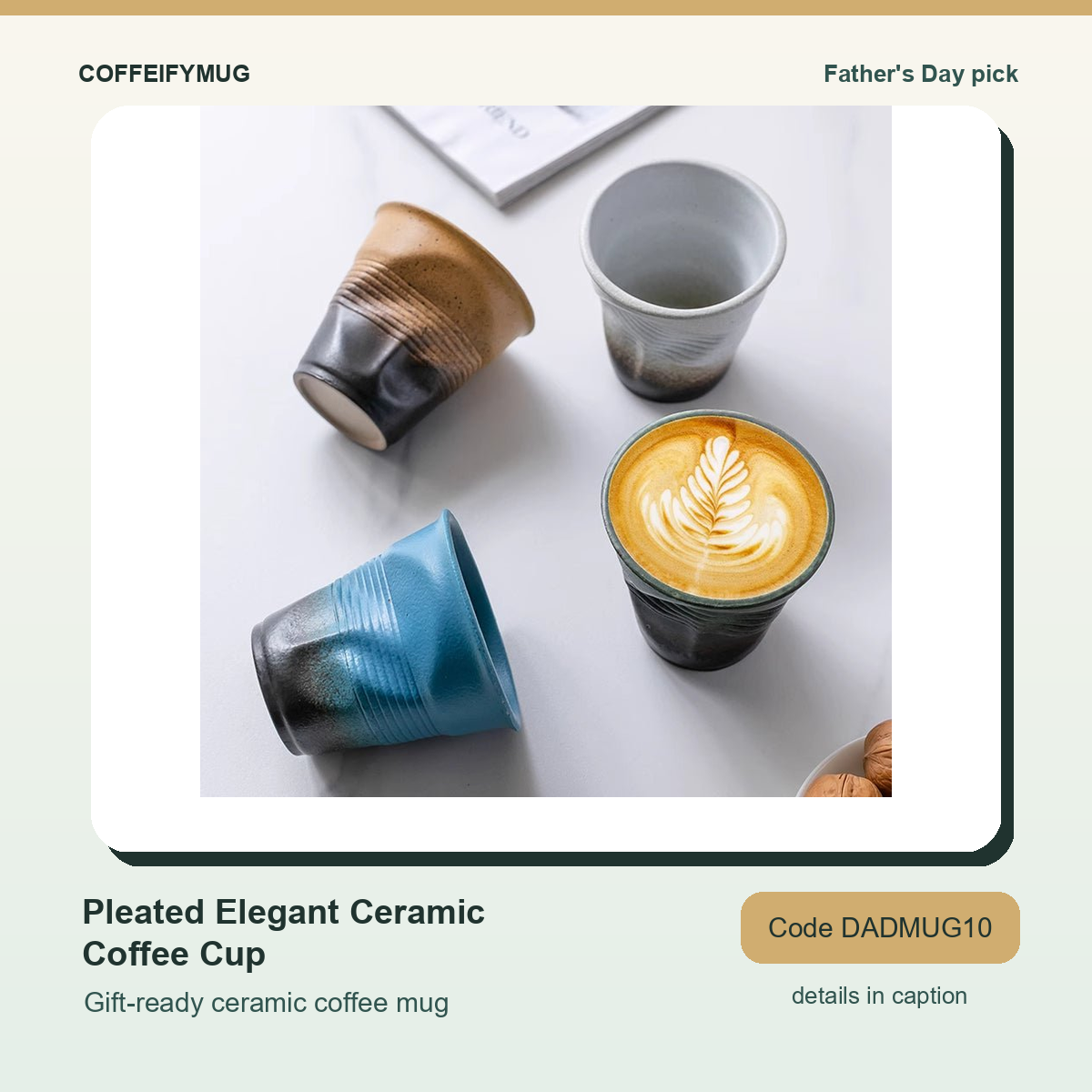
Affogato Cup Home Office Practical Purchase Checklist: 170-270 ml
Reading time: about 9 minutes
A ten-minute gap between video calls can be enough to make an affogato, but it is also where a poor cup choice becomes obvious. Your usual coffee-and-dessert portion may exceed the chosen capacity, the visible profile may compete with a mouse and notebook, or you may have relied on care details that were never confirmed. This affogato cup home office practical purchase checklist keeps the decision tied to facts we can verify across the current CoffeifyMug options: listed capacities of 170 ml, 200 ml, and 270 ml, plus visible shape. It also marks the unknowns that should be checked before ordering.
Your affogato cup home office practical purchase checklist: which routine comes first?
In our experience helping shoppers compare cups, the most avoidable mistake is treating the word cup as a useful size measurement. Start with the amount you actually serve and the point in your workday when you plan to use it. If the smallest current capacity already fits your portion, review the Retro Coffee & Tea Cup at 170 ml. If appearance is still an open question, compare the wider unique coffee mug collection before narrowing the list.
- Short, deliberate break: Start with 170 ml if you already serve a compact coffee-and-dessert portion and do not need extra listed volume.
- Moderate serving between tasks: Compare 200 ml when 170 ml feels restrictive but 270 ml is more volume than your routine calls for.
- Larger afternoon serving: Consider 270 ml when your measured portion does not fit comfortably within the two smaller listed capacities.
- Long meeting or commute: Do not choose from capacity alone if your priority is heat retention, a lid, portability, or spill control. Those properties are not established by the verified facts used here.
170 ml, 200 ml, or 270 ml: what does each capacity change?
The three options form a clear capacity ladder, but the gaps are not equal. The move from 170 ml to 200 ml adds 30 ml. Moving from 200 ml to 270 ml adds 70 ml, while the full difference between the smallest and largest options is 100 ml.
| Current option | Verified capacity | Situation it may fit | Trade-off to check |
|---|---|---|---|
| Retro Coffee & Tea Cup | 170 ml | A deliberately compact affogato serving during a short break | It has 100 ml less listed capacity than the Emerald option, so measure your normal portion first |
| Pleated Coffee & Tea Cup | 200 ml | A middle option for shoppers who want slightly more volume than 170 ml | The additional 30 ml may still be insufficient for a larger dessert portion |
| Emerald Coffee & Tea Mug | 270 ml | The largest measured serving among these three choices | Its larger capacity does not reveal its exterior width, height, or desk footprint |
A simple kitchen check is more useful than guessing from a product photo. Measure the coffee portion you normally use, then place your usual dessert portion in a cup you already own. Compare that real serving with the 170 ml, 200 ml, and 270 ml figures. Treat each figure as a comparison point, not as proof of a recommended fill line or brim capacity unless the current product page states how capacity was measured.
For a closer numerical comparison, our affogato cup capacity guide for 170 ml, 200 ml, and 270 ml explains how the size steps can affect daily fit.
Does visible shape matter beside a keyboard and notebook?
Yes, but shape should be evaluated as a visual and spatial variable, not as a shortcut for performance. The Retro option presents a retro-styled cup profile. The Pleated option has a visibly pleated exterior, which adds surface detail but does not establish better grip. The Emerald product is explicitly listed as a mug and has the largest verified capacity in this comparison. Shoppers using the phrase affogato mug may start there, although the product title alone does not prove exterior dimensions or office suitability.
Capacity describes volume. It does not establish height, maximum width, base diameter, or handle projection. Product photography can also distort apparent scale because camera distance and perspective vary. Before assigning any option a permanent place on your desk, check these points:
- Find the current height and maximum width rather than estimating them from the capacity.
- Confirm the base diameter if the available space beside your keyboard is narrow.
- Check handle projection if a handle is shown and clearance is limited.
- Allow separate room for your own teaspoon or napkin if you use them; do not assume either is included.
- Do not infer stackability, balance, grip, or spill resistance from a visible silhouette.
Our desk-use comparison of capacity, footprint, and product fit provides a more detailed way to assess the available work area.
Which option fits breaks, meetings, and focused work?
A five-minute break between calls
If your measured portion fits within 170 ml and you want the smallest listed capacity in this group, the Retro 170 ml cup is the direct next comparison. It is not the right choice for a serving that already approaches or exceeds that capacity.
A serving prepared just before a meeting
The Pleated 200 ml cup suits a shopper who wants 30 ml more listed volume than the Retro without moving to 270 ml. If your decision depends on the serving staying hot through a long call, the verified capacity and shape facts cannot distinguish these products by heat retention.
A larger afternoon dessert break
Choose the Emerald 270 ml mug for comparison when your normal coffee-and-dessert combination exceeds 200 ml but fits within 270 ml. Its advantage here is listed volume, not proven insulation, stability, or drink-specific engineering.
A commute or spill-control requirement
None of these three should be selected on an assumption that a lid, sealed construction, portability feature, or spill-resistant design is included. A dedicated travel vessel is a better category if those are non-negotiable. These listings are coffee and tea cup or mug options that shoppers may use for affogato; the verified facts do not establish special engineering for that drink.
What must be confirmed before you add a cup to the cart?
The facts available for this comparison cover capacity and visible shape. They do not justify assumptions about material, dimensions, care, package contents, or temperature performance. Use the current product page to verify each item that affects your purchase:
- Material and finish: Confirm the stated composition rather than deciding from a photograph. Do not infer porcelain, stoneware, another ceramic body, or glass unless it is explicitly listed.
- Exterior dimensions: Check height, maximum width, base diameter, and handle projection where applicable. Milliliters are not a footprint measurement.
- Care instructions: Look for explicit dishwasher and microwave guidance before using either appliance. This article does not assign those properties to any option.
- Temperature-change guidance: Do not assume insulation or resistance to abrupt temperature changes without a listed specification.
- Package contents: A cup or mug listing is not evidence that a saucer, spoon, coffee, gelato, or another serving accessory is included.
- Capacity convention: If the difference between nominal, usable, and brim capacity matters to your recipe, confirm how the listed volume was established.
If a required detail is absent, ask before purchasing rather than filling the gap with a category assumption. Our daily-use guide to 170 ml through 270 ml choices covers additional routine trade-offs without treating unknown specifications as facts.
What should you inspect during unboxing?
Before washing a new cup or placing it beside electronics, perform the same basic receipt check we recommend for any cup purchase:
- Match the model and visible shape to your order confirmation and current product images.
- Inspect the rim and body under good light for chips, hairline cracks, or an interrupted surface finish.
- Check the handle attachment if the selected design has a handle.
- Set the empty cup on a flat, dry kitchen counter to check for unexpected rocking before moving it to the office.
- Compare every package component with the listing rather than assuming a missing accessory was promised.
For a gift, complete this check before wrapping and keep the packaging until the item has been inspected. These are standard unboxing checks, not a claim that any specific CoffeifyMug model commonly arrives with a defect.
Can you make the purchase decision in two minutes?
Use the affogato cup home office practical purchase checklist in this order:
- Measure the coffee portion you usually pour and account for the dessert portion you normally add.
- Choose the smallest listed capacity that fits that real serving without relying on an unconfirmed fill line.
- Compare the visible Retro, Pleated, and mug-style profiles according to your visual preference.
- Check exact dimensions against the clear area on your desk.
- Verify material, care instructions, temperature guidance, and package contents if any are purchase requirements.
- Reject all three if you need a lid, verified spill control, travel performance, or a serving larger than 270 ml.
This process keeps a 30 ml or 70 ml capacity difference from becoming more significant than the facts that actually affect your workday.
Frequently asked questions
What size affogato cup is best for a home office?
The best size is the smallest listed capacity that comfortably accommodates your measured serving. Compare the Retro at 170 ml for a compact portion, the Pleated at 200 ml for the middle option, and the Emerald at 270 ml for the largest current capacity. Confirm exterior dimensions separately before judging desk fit.
Is a 170 ml affogato cup too small?
Not for every serving. It is too small if your normal coffee-and-dessert portion requires more than the listed 170 ml capacity or if you want a large all-morning beverage. Test your usual portion in a cup you already own before ordering.
Does a 270 ml mug automatically take up more desk space?
No. A larger internal capacity does not prove a wider base or a larger overall footprint because vessel proportions can differ. Check the Emerald mug's current exterior measurements rather than estimating them from 270 ml.
Can I assume these cups are dishwasher-safe or include a spoon?
No. The verified facts used in this comparison do not establish dishwasher or microwave suitability, and they do not establish included accessories. Read the current listing for care and package contents, and do not assume a spoon, saucer, coffee, or dessert is supplied.
What should an affogato cup home office practical purchase checklist include?
It should include your measured serving, listed capacity, current exterior dimensions, visible shape, available desk clearance, material, care instructions, package contents, and any required temperature or travel properties. Only make the purchase once every must-have detail has been confirmed.
Which current option should you open next?
- Open the Retro 170 ml cup if your measured serving fits the smallest capacity and you prefer its visible retro styling.
- Open the Pleated 200 ml cup if you want the middle capacity and its pleated exterior is the visual fit you prefer.
- Open the Emerald 270 ml mug if your serving needs the largest verified volume in this set.
If a required material, dimension, care instruction, package detail, or performance claim is missing, pause and confirm it. Otherwise, view the options side by side in the CoffeifyMug unique coffee mug collection and choose the capacity that matches your measured serving and preferred visible shape.
Read more
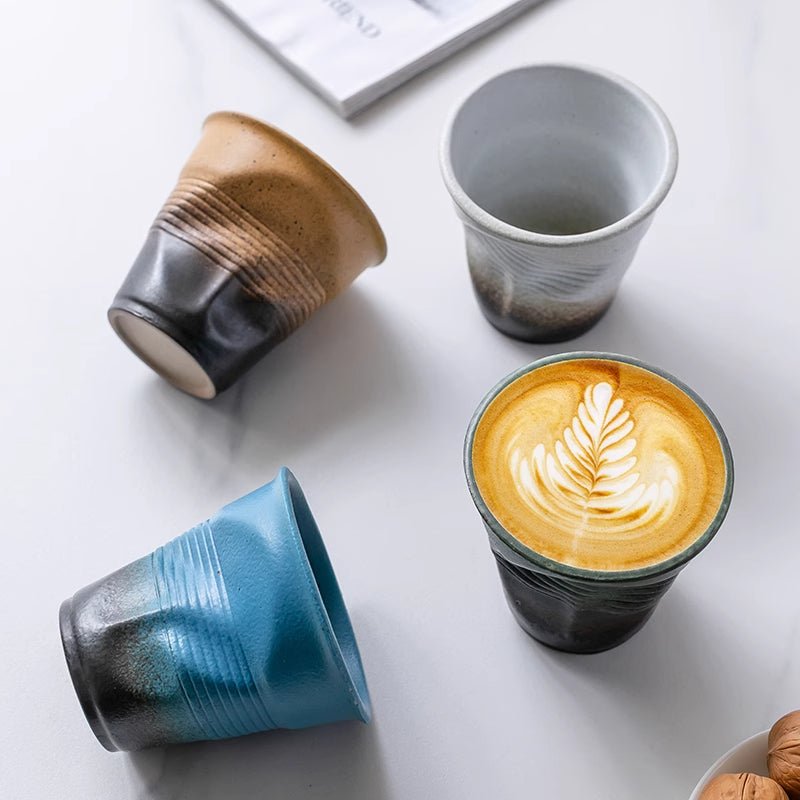
The cappuccino coffee mug home office practical purchase checklist
Compare CoffeifyMug's verified 170 ml, 200 ml, and 270 ml listings against the way you drink coffee at your desk. This checklist separates known capacity facts from dimensions, material, and care d...
Read more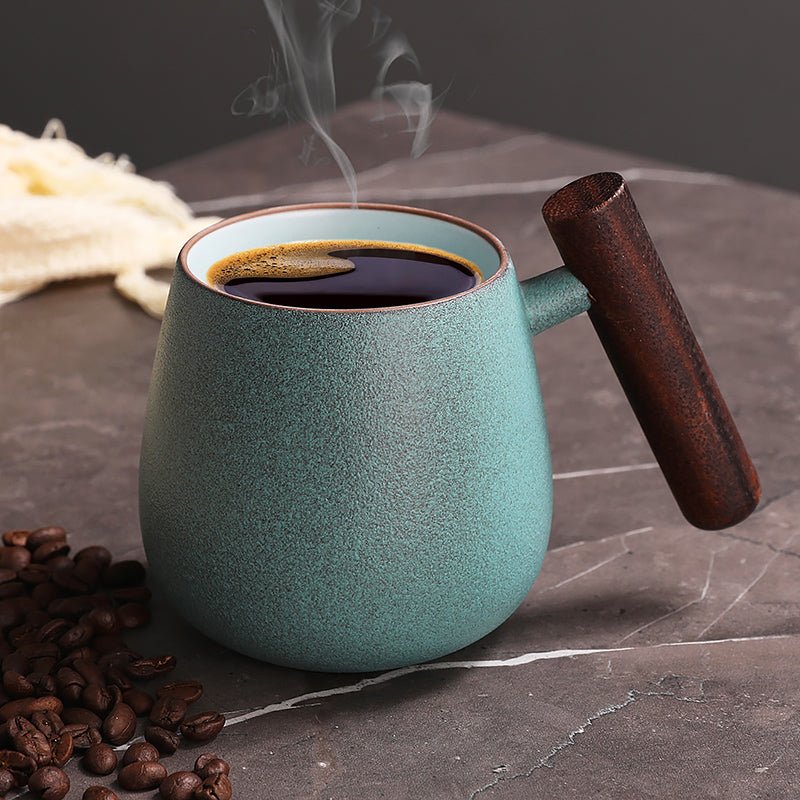
Ceramic Wide Bottom Coffee Mugs: Compact Kitchen Purchase Checklist
Measure the cabinet opening, closed-door depth, handle clearance, counter footprint, drying area, and care requirements before buying. We map Round, Spittoon, and The Rock to specific compact-kitch...
Read more
Leave a comment
This site is protected by hCaptcha and the hCaptcha Privacy Policy and Terms of Service apply.