

Macchiato Cup Compact Kitchen Practical Purchase Checklist
Reading time: about 10 minutes
A macchiato cup can feel like a small purchase until it starts competing with the kettle, grinder, drying rack, and the one clear patch of counter beside the espresso machine. This macchiato cup compact kitchen practical purchase checklist is written for that exact space problem: choosing a cup that fits the drink, the cabinet, and the way you actually make coffee at home.
In our store, we see shoppers hesitate between a smaller cup that feels more cafe-like and a slightly larger one that leaves room for milk foam, a spoon, or a less careful pour. That trade-off matters more in compact kitchens because every extra milliliter usually means a wider footprint, taller stack, or handle that catches on neighboring mugs. The right cup is not always the prettiest one on the product page. It is the one you will reach for without rearranging a shelf.
For this checklist, we are focusing on three compact capacities from CoffeifyMug: the Retro Coffee Tea Cup at 170 ml, the Pleated Coffee Tea Cup at 200 ml, and the Ball Handled Coffee Tea Mug at 250 ml. If you want to browse beyond these three, our unique coffee mugs collection is the best next stop for comparing shapes and styles.
Which capacity leaves enough headroom for a compact macchiato?
Capacity is the first practical filter. A macchiato is commonly a small espresso-based drink with a modest amount of milk or foam, but home routines vary. Some shoppers make a short espresso with just a mark of foam. Others use a double shot, a little steamed milk, or a spoonful of foam that sits higher than the liquid line. Treat drink proportions as context, not a universal rule.
The key is headroom. A cup filled to the brim is awkward. It is harder to carry from machine to table, more likely to spill on a narrow counter, and less comfortable if you stir in sugar. For compact kitchens, we usually suggest thinking in usable room rather than listed capacity. The listed capacity tells you the upper limit; your daily pour should sit below that.
- 170 ml: best for a tighter, more focused macchiato experience where you do not want the cup to feel oversized.
- 200 ml: a useful middle ground if you want a small cup but prefer a little extra room for foam or stirring.
- 250 ml: still compact compared with many standard mugs, but better for shoppers who often stretch a macchiato toward a small latte-style drink.
If you regularly make iced coffee, large milk drinks, or tea that needs more volume, these sizes may feel limiting. A compact macchiato cup is not meant to replace a full breakfast mug. It earns its space by being precise.
Macchiato cup compact kitchen practical purchase checklist for shelf and counter fit
Before choosing by style, measure the place where the cup will live. We handle coffee cups every day, and the storage problem is often not the bowl of the cup itself. It is the handle, rim spacing, and the way the cup sits beside other items in a shallow cabinet.
Use this checklist at home before buying:
- Measure the shelf height: leave room above the cup so you can lift it out without scraping the rim.
- Check cabinet depth: a cup that fits front to back can still be irritating if the handle has to face sideways every time.
- Count the cups you actually need: two compact cups are often more useful than a large set in a small kitchen.
- Look at the drying rack: small cups can tip if placed on wide rack spacing, so consider where they will sit after washing.
- Leave counter clearance near the machine: your cup should sit under or beside your espresso setup without forcing you to move the grinder, tamper, or spoon rest.
This is where the 170 ml Retro Coffee Tea Cup makes sense for the smallest setups. The smaller capacity helps keep the cup visually and practically compact. If your kitchen has one narrow coffee corner, and you mostly drink short espresso-based servings, this is the option we would compare first.
Which CoffeifyMug cup fits your drink routine: 170 ml, 200 ml, or 250 ml?
Here is the simplest way to map the cup to the buyer situation. We are keeping the claims to what can be seen and measured from the listed products: capacity and visible form. Always check the current product page for live details before ordering, especially if material, finish, or care notes are deciding factors for you.
| Cup | Capacity | Best compact-kitchen fit | Trade-off |
|---|---|---|---|
| Retro Coffee Tea Cup | 170 ml | Small counters, short macchiato servings, tighter shelf space | Less room for a milkier drink or generous foam |
| Pleated Coffee Tea Cup | 200 ml | Daily espresso drinks where you want compact size plus usable headroom | Slightly larger than the most minimal option |
| Ball Handled Coffee Tea Mug | 250 ml | Small kitchens where one cup must cover macchiato, tea, and slightly longer coffee drinks | More cup than some macchiato drinkers need |
For a shopper who wants one tidy cup beside the espresso machine, the 200 ml Pleated Coffee Tea Cup is the practical middle choice. It gives more headroom than 170 ml without moving into full mug territory. The visible pleated form also gives it more surface detail, which can matter if the cup stays on an open shelf.
For someone buying a gift, we would think carefully about routine. If the recipient drinks strict small espresso drinks, 170 ml feels intentional. If they switch between coffee and tea, the 250 ml Ball Handled Coffee Tea Mug is more flexible. The visible ball handle is also a stronger style cue, which can be a benefit for a gift but may take more attention in a very tight cabinet row.
What should you check about material, finish, and care before ordering?
Material matters because compact cups are handled often. They are pulled from shelves, placed under machines, washed, dried, and stacked or lined up in small spaces. A generic product description may say very little, so we recommend checking the product page for the current material and care instructions rather than assuming porcelain, ceramic, stoneware, dishwasher use, or microwave use.
Three details are worth checking every time:
- Rim feel: a thick rim can feel sturdy but may make a small drink feel less delicate; a thinner rim can feel refined but should be handled with more care.
- Glaze or surface finish: glossy finishes may show water spots less dramatically than matte finishes, while textured surfaces can collect residue in grooves if not rinsed well.
- Handle clearance: compact cups with distinctive handles can be comfortable in the hand but need more side clearance in cabinets.
Common defect modes to watch for during unboxing are chips on the rim, hairline cracks near the handle join, wobble on a flat counter, and glaze irregularities that affect the drinking edge. Small visual variation can be normal for decorative tableware, but anything sharp, unstable, or cracked should not go into daily use.
For care, the conservative approach is simple: rinse soon after coffee, avoid metal utensils scraping the interior, and do not stack cups unless the shape clearly supports it without rim pressure. If dishwasher or microwave use is essential for your routine, confirm that on the individual product page before buying.
Where does visible form matter in a cramped kitchen?
In a large kitchen, form is mostly style. In a compact kitchen, form becomes storage behavior. A cup with a protruding handle may be lovely in the hand but awkward in a crowded cabinet. A textured body may look good on an open shelf, but it may also need a little more attention when wiping dry. A smaller capacity may fit easily but feel too precious if you use the same cup for tea at night.
The Retro cup is the cleanest fit for shoppers prioritizing minimum volume. The Pleated cup suits buyers who want the cup to show a little texture on a shelf without jumping to a larger mug. The Ball Handled mug is the most flexible of the three for people who want a compact cup with a stronger visible handle feature and enough capacity for more than a strict macchiato.
If your main concern is a stable base rather than macchiato volume, our related checklist on ceramic wide bottom coffee mugs for compact kitchens may be a better fit. If the morning routine itself is the deciding factor, the macchiato cup morning routine checklist looks more closely at timing, pour habits, and daily use.
When is a compact macchiato cup the wrong purchase?
A compact macchiato cup is not the right answer for every coffee drinker. If you want one vessel for large americanos, iced coffee with cubes, or a long tea infusion, a 170 ml or 200 ml cup will probably frustrate you. Even 250 ml may feel small if you usually add a lot of milk.
It is also not ideal if you need heavy stacking. Many shaped cups are better stored side by side, especially when the rim, handle, or decorative body does not nest cleanly. In a tiny cabinet, a stackable straight-sided cup may be more practical than a more expressive form.
For shoppers deciding between espresso and macchiato sizing, our ceramic espresso cup morning routine checklist can help set expectations. Espresso cups usually serve a smaller, more concentrated role; macchiato cups need a bit more breathing room.
A compact-kitchen buying path that avoids overbuying
Use the smallest cup that honestly fits your drink. That is the rule we would use if helping a customer at the shelf. Oversizing creates the same problem as buying too many mugs: the cup takes up more room every day than the drink requires.
Here is the decision path:
- Choose 170 ml if your macchiato is short, your shelf is tight, and you want the most compact option. Start with the Retro Coffee Tea Cup.
- Choose 200 ml if you want daily headroom for foam, stirring, and a less exact pour. Start with the Pleated Coffee Tea Cup.
- Choose 250 ml if the cup needs to cover macchiato, small coffee, and tea in one compact piece. Start with the Ball Handled Coffee Tea Mug.
- Browse the collection if style, handle shape, or shelf display matters as much as capacity. The unique coffee mugs collection gives you the wider view.
The practical test is simple: can you make the drink, carry it, wash it, and put it away without moving three other things? If yes, the cup has earned its place in a compact kitchen.
Frequently asked questions
What size macchiato cup is best for a compact kitchen?
For many compact kitchens, 170 ml to 200 ml is the most practical range because it keeps the cup small while leaving enough room for a modest espresso-based drink. A 250 ml cup is better if you want one cup that can also handle tea or a slightly longer coffee. This macchiato cup compact kitchen practical purchase checklist uses those three capacities as the main decision points.
Is a 170 ml cup too small for a macchiato?
A 170 ml cup is not too small if your macchiato is a short drink with limited milk or foam. It may feel tight if you use a double shot, add more milk, or like to stir without watching the rim. In that case, 200 ml gives more practical headroom.
Should I buy a 250 ml cup for macchiato if I have limited cabinet space?
Buy 250 ml only if you need the extra flexibility. It is useful for shoppers who want one compact cup for macchiato, tea, and small coffee servings, but it is more cup than a strict macchiato routine requires. If cabinet space is the main concern, compare 170 ml and 200 ml first.
Can compact macchiato cups go in the dishwasher or microwave?
Do not assume dishwasher or microwave use from size alone. Check the current product page for material and care guidance before ordering, because finishes, decorative details, and handle construction can affect care recommendations. If easy machine washing is non-negotiable, make that a deciding filter.
How many macchiato cups should I keep in a small kitchen?
Most compact kitchens do better with two well-chosen cups than a large set that crowds the shelf. Buy for your actual routine: one daily cup plus one spare for a partner or guest is often enough. If you entertain often, consider whether a separate storage area makes more sense than filling the main cabinet.
Your next step is to measure the shelf, decide how much headroom your drink needs, and compare the three capacities directly: 170 ml Retro for the smallest footprint, 200 ml Pleated for balanced daily use, or 250 ml Ball Handled for added flexibility. If none of those matches your cabinet or routine, continue through the unique coffee mugs collection with capacity and handle clearance in mind.
Read more
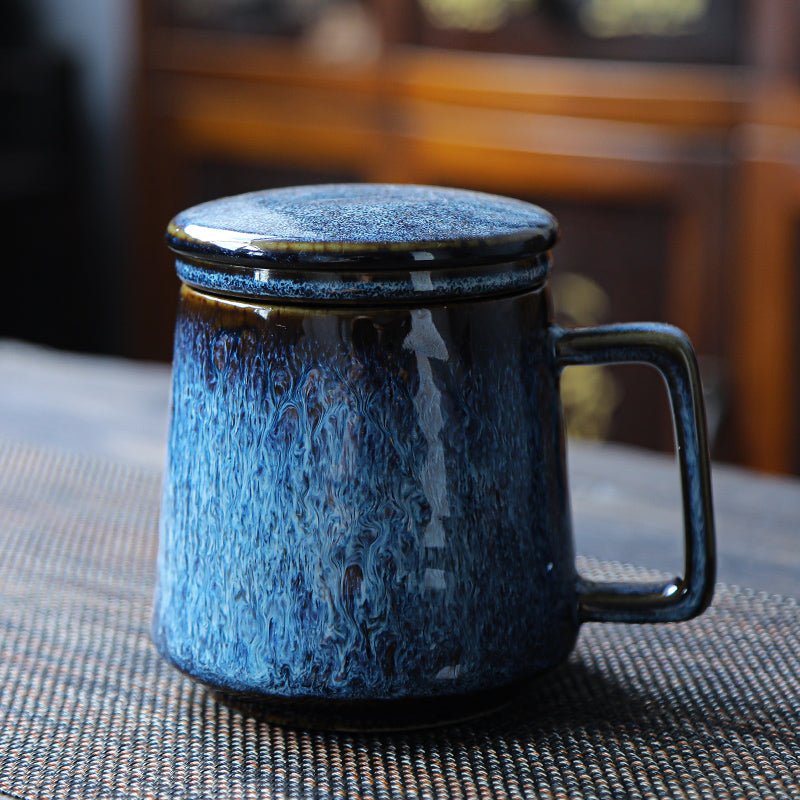
Thick Ceramic Coffee Mugs Compact Kitchen Practical Purchase Checklist
Measure the cabinet opening, shelf, counter zone, and appliance clearance before choosing a thick ceramic mug. This checklist separates product-page facts from details you still need to verify.
Read more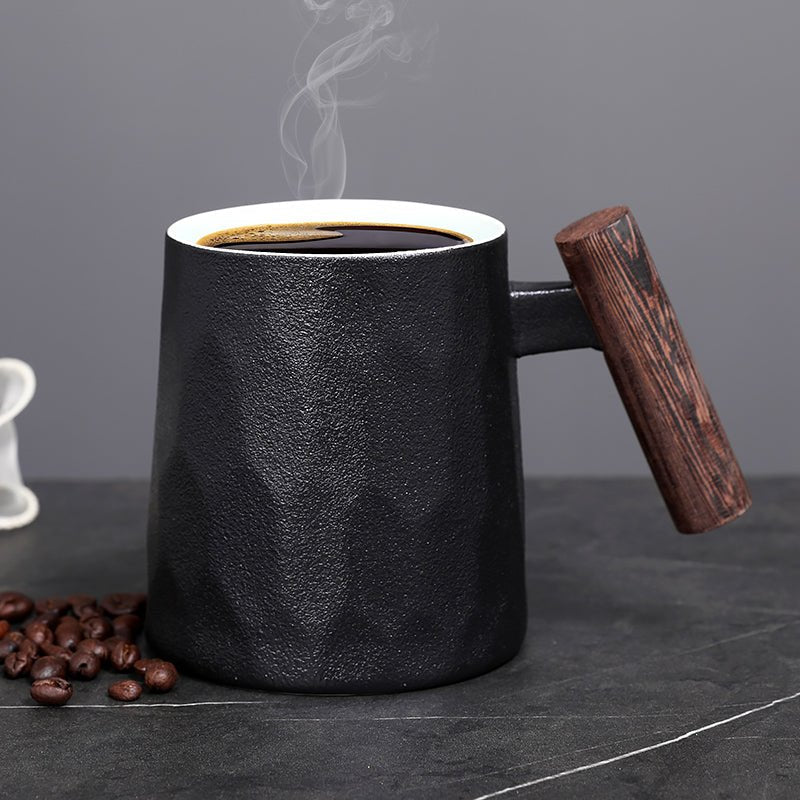
Hot Toddy Mug Compact Kitchen Practical Purchase Checklist
A practical checklist for choosing a ceramic hot toddy mug when counter space, cabinet room, and everyday storage matter. Compare 400 ml and 480 ml options, handle comfort, and real kitchen trade-o...
Read more
Leave a comment
This site is protected by hCaptcha and the hCaptcha Privacy Policy and Terms of Service apply.