
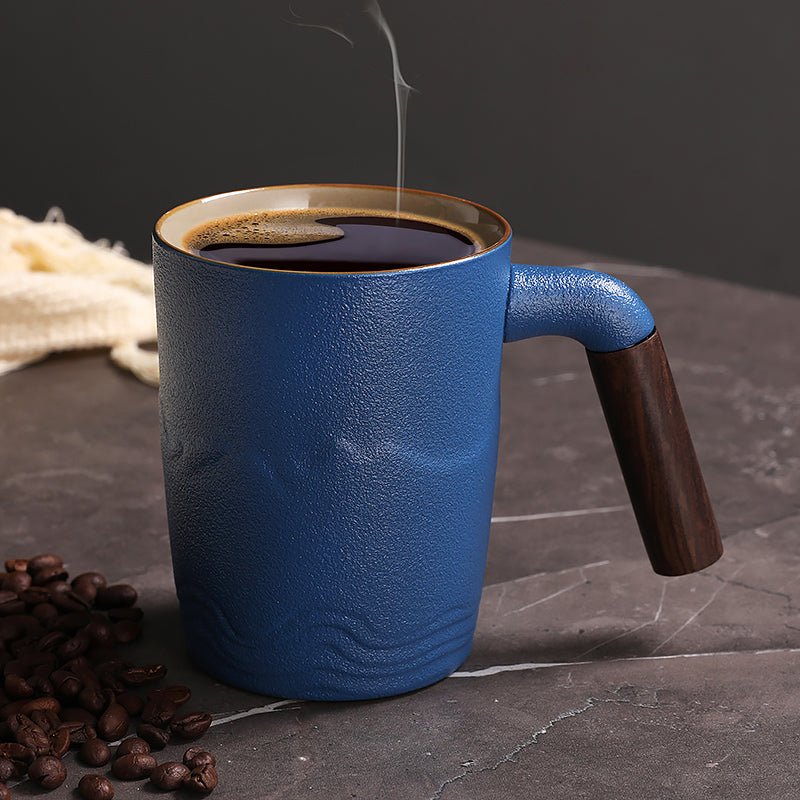
Latte Art Cup Buying Guide: Shape, Size, and Material
Reading time: about 9 minutes
A latte art cup can fail on something as small as a too-thick rim. The milk pours in, the foam sits for a second, and then the pattern spreads wider than the cup can support. We see that difference on kitchen counters, office desks, and gift tables more often than we see it in product photos.
In our store, we usually separate buyers into two groups: people who want a cup that helps them pour cleaner rosettas and hearts, and people who want an everyday mug that still feels good to hold. A latte art cup can do both, but not equally well in every shape. That trade-off matters more than the decoration on the outside.
What makes a latte art cup different from an everyday mug?
A true latte art cup gives you a controlled surface to work with. The opening is usually wide enough to let the foam land cleanly, the interior is smooth enough that the pour does not break on seams or ridges, and the wall shape helps the pattern sit where you place it instead of running straight to the edge.
In our experience, the rim and interior curve matter more than the graphic design on the outside. A cup with a thick rolled rim can make the drink feel heavier and can dull the look of the foam line. A cup with a narrow mouth or steep inner wall can be more forgiving for heat retention, but it often gives you less room to draw a crisp pattern.
That is why a latte art cup is not the same thing as a standard mug or a tall insulated cup. A regular mug is fine for drinking, but if the opening is too narrow or the body is too deep, your foam pattern gets lost before it has time to settle. If you want a cup for travel, commuting, or carrying coffee from room to room, this category is not the best fit.
- Best for: home espresso drinks, practice pours, and drinks you serve right away.
- Not ideal for: travel, oversized servings, or situations where you want maximum heat retention over visual control.
- Watch for: a stable foot, a smooth inner wall, and a rim that feels comfortable on the sip.
Which shape gives the cleanest pattern?
Shape decides how much control you have over the finish. A wide cup gives you room to move the pitcher and build a pattern. A narrower cup can make the drink feel more compact and warm, but it leaves less margin for error. The right answer depends on whether you are practicing latte art or just want a cup that can handle milky coffee well.
| Shape | What it does well | Trade-off |
|---|---|---|
| Wide, gently flared cup | Easier to see the pattern and easier to center the pour | Can cool a little faster and may feel less enclosed in the hand |
| Straight-sided cup | Helps the pattern stay contained and can look very clean | Less forgiving if you pour too fast or start too high |
| Deep mug with a narrow opening | Comfortable for casual drinking and tea | Not the best choice for crisp latte art because the design disappears sooner |
If your main goal is to practice hearts, tulips, or rosettas, we usually point shoppers toward a cup that opens up near the top without becoming bowl-shaped. If your goal is a mug you can use for lattes, tea, and cocoa without thinking about patterns, a more general drinkware shape can make more sense.
What size and material should you choose?
Size and material change both the look and the feel of the drink. A smaller cup concentrates the milk and espresso, which makes latte art easier to read. A larger cup gives you more volume, but the pattern has to stretch farther and can soften faster. That is why oversized cups are usually better for tea, big milk drinks, and all-day sipping than for precise latte art.
| Common choice | Best use | What to keep in mind |
|---|---|---|
| Small latte cup | Classic espresso-based drinks and practice pours | Less room for extra milk, so the foam ratio needs to be right |
| Medium cup | Everyday lattes at home or in the office | More flexible, but the pattern can spread if the cup is too open |
| Large cup | Milk-heavy drinks and casual all-purpose use | Better for volume than precision, so it is not the strongest choice for clean latte art |
Material matters just as much. Ceramic and porcelain are the most practical picks for a latte art cup because they feel stable, hold up well in daily use, and do not feel flimsy when you set them down on a counter. Stoneware is sturdy and often has a handmade look, but it is usually heavier. Glass shows off layers well, yet it can cool faster and can feel less comfortable at the lip if the drink is very hot.
- Ceramic: everyday-friendly, common, and easy to live with.
- Porcelain: typically a little finer at the rim and often a good fit for cleaner presentation.
- Stoneware: sturdy and giftable, but usually thicker and heavier.
- Glass: useful if you want to see the layers, but less forgiving for heat and long sipping.
For shoppers who want a deeper sizing comparison for larger vessels, our 700ml Cup Buying Guide for Daily Coffee, Tea, and Gifts is useful context. It also shows why a very large cup is rarely the best choice if your main priority is latte art detail.
What should you check before you buy one?
We inspect this category the same way a customer uses it: set it on a flat counter, fill it, wash it, and see whether the design still feels comfortable after the first few uses. That is where weak points show up. A pretty cup that wobbles or chips easily is not a good buy, even if it photographs well.
- Rim finish: Run a finger around the edge. A rough spot or chip is a bad sign.
- Foot stability: The cup should sit flat on a table, not rock when empty.
- Handle clearance: If it has a handle, make sure your fingers fit without touching the hot body.
- Interior seams: Sharp joins or visible ridges can break a pour line and make foam behave unpredictably.
- Care notes: If the cup has decals, metallic accents, or a delicate glaze, repeated dishwasher cycles may age the finish faster than hand washing.
Common defect modes are simple to spot once you know what to look for: a base that is not level, glaze pinholes inside the drinking surface, or a rim that feels too thick for a clean sip. None of those issues always mean the cup is unusable, but they do matter if you want the pour to look intentional.
If you want a shape-and-material deep dive before you choose, our article Latte Art Cup: How to Choose the Right Shape, Size, and Material breaks down the same buying decisions from a more focused angle.
Which options fit practice, gifts, and daily use?
In our store, we try to match the cup to the use case first. A practice cup should make the pour readable. A gift cup should feel special in the hand and hold up on a shelf. A daily-use cup should survive the dishwasher, the desk, and the occasional rushed breakfast without becoming something you baby instead of use.
If you want a decorative everyday option, take a look at our Koi Fish Coffee Tea Mug. It is a better fit for shoppers who want a mug that feels giftable and works for coffee or tea every day than for someone chasing strict competition-style latte art.
For a broader browse across shapes and styles, start with our all-cups collection. That is the fastest way to compare a dedicated latte-art-friendly cup against a more decorative mug before you commit.
If you are deciding between a cup that looks good on a shelf and one that is easier to pour into, the trade-off is straightforward: the more sculpted or oversized the cup, the less precise the art usually becomes. A cup can still be a good daily buy without being the best practice cup. That is a useful distinction, not a flaw.
Frequently asked questions
What size latte art cup is best for beginners?
A medium cup is usually the easiest starting point because it gives you enough room to pour without making the pattern too small. Very small cups can punish slow hands, while very large cups spread the design out and make the lines harder to read. If you are learning, pick a size that feels forgiving rather than one that looks dramatic.
Is ceramic or porcelain better for a latte art cup?
Both are solid choices. Porcelain usually feels a little finer at the rim, while ceramic is often the more common everyday option and can feel sturdier in casual use. If you want a cup that will get used often at home, either material can work well as long as the shape is right.
Can I wash a latte art cup in the dishwasher?
Many can, but the finish matters. Plain glazed ceramic and porcelain usually handle normal washing well, while decals, metallic trim, or more delicate printed surfaces may fade sooner. If you want the cup to stay looking fresh, hand washing is the safer choice after milk drinks.
Why does my latte art spread out in the cup?
Usually the opening is too wide, the cup is too large, or the pour starts too high. A wider surface gives the foam more room to move before it sets. If you want a cleaner pattern, try a cup with a more controlled opening and a smooth inner wall.
Are bigger mugs bad for latte art?
Not bad, just less precise. Bigger mugs are better for tea, milk-heavy drinks, and relaxed everyday use, but they make it harder to keep the pattern tight and centered. If your goal is clean art, a more compact latte art cup will usually be easier to work with.
What should you compare before you buy?
Before you add a latte art cup to cart, compare these five things:
- The mouth opening, because it affects how much control you have over the foam.
- The inner wall shape, because smooth transitions help the pattern stay clean.
- The rim thickness, because a thinner rim usually feels better on the sip.
- The base stability, because a wobbly cup gets annoying fast on a busy counter or desk.
- The care instructions, because dishwasher-safe does not always mean the finish will age the same way after repeated cycles.
If you want to compare styles side by side, start with our all-cups collection, then open the individual product pages that match your drink size and daily routine.
More from our blog
Read more
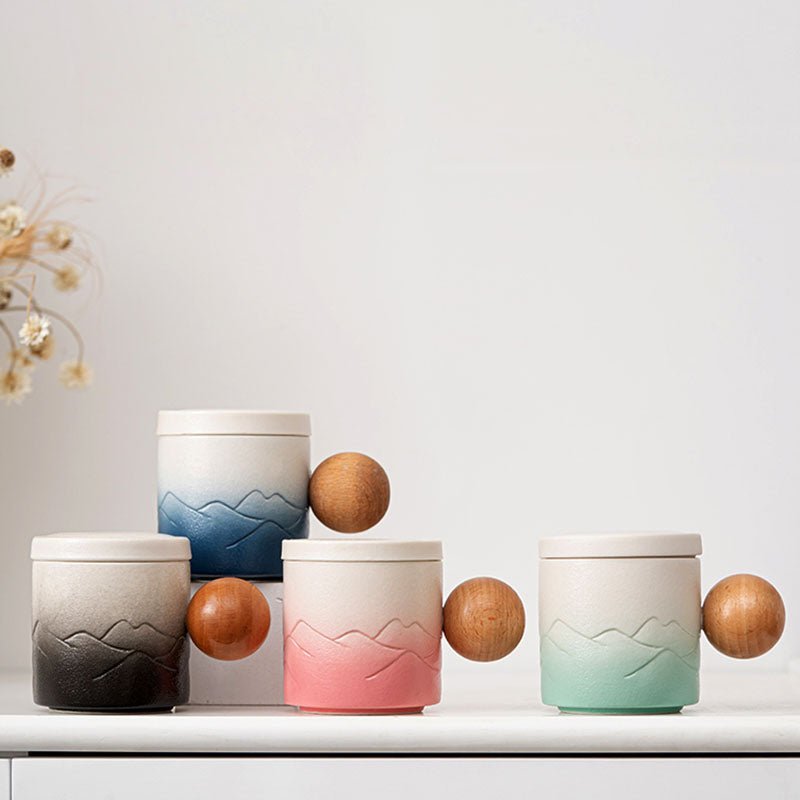
Large Tea Mug Buying Guide for Daily Use, Desk Comfort, and Gifts
A large tea mug should feel stable in the hand, hold heat without getting awkward, and fit your actual routine. Here is how we judge shape, capacity, and comfort before we stock it.
Read more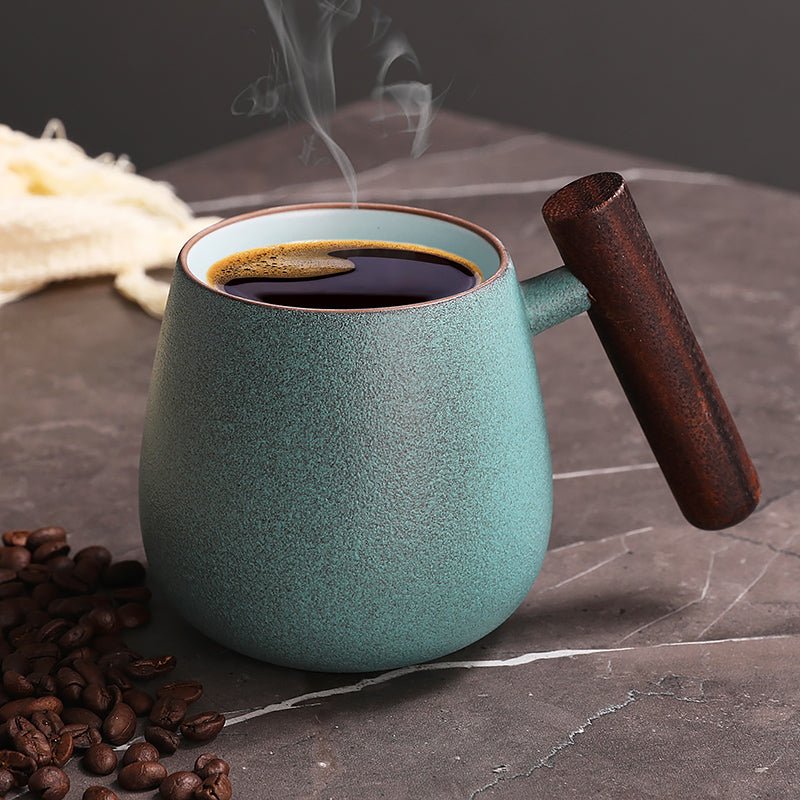
Coffee Mug Size: How to Choose the Right Fit Before You Buy
The right coffee mug size depends on what you drink, where you use it, and how it feels in the hand. We break down the sizes, shapes, and trade-offs that matter before you order.
Read more
Leave a comment
This site is protected by hCaptcha and the hCaptcha Privacy Policy and Terms of Service apply.