
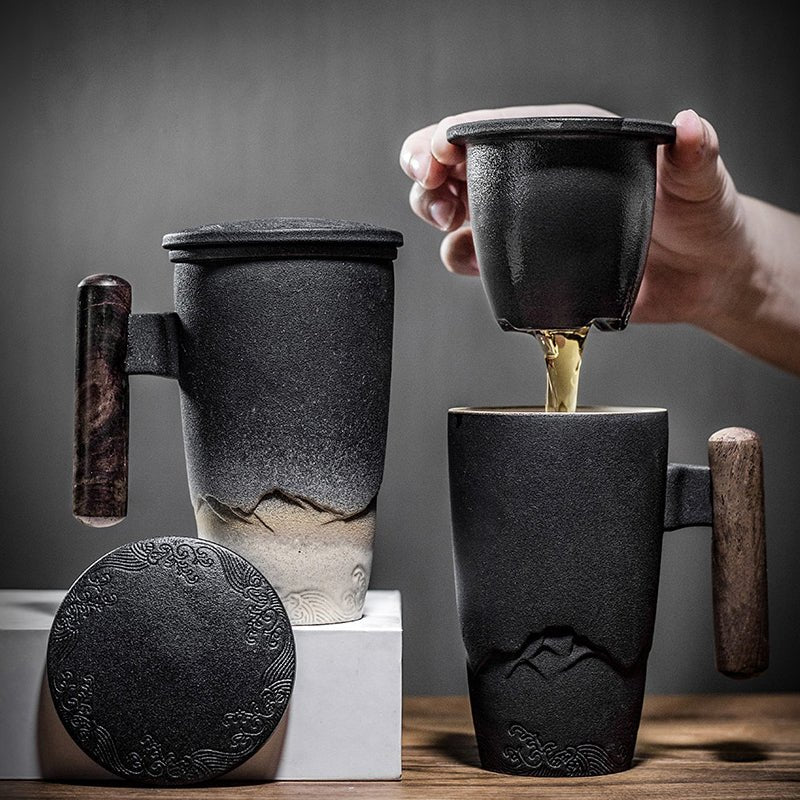
Latte Art Cup: How to Choose the Right Shape, Size, and Material
Reading time: about 11 minutes
A latte art cup looks simple on a shelf. On the counter, the details show up fast: the cup is too narrow and the foam stacks awkwardly, too wide and the pour spreads before the design forms, too thick and the drink cools slower than expected while the handle still feels clumsy in the hand.
That is the difference between a cup that just holds coffee and one that actually helps your latte look and taste right. In our store, we see shoppers compare shape, weight, and finish more carefully once they have poured a few drinks at home. A good latte art cup should make the pour easier, sit comfortably under a steam wand or milk pitcher, and hold up to daily washing without becoming stained or rough around the rim.
If you are still deciding what style fits your kitchen or gifting list, it helps to compare it with other mug categories too. Our coffee cup mug ceramic buying guide is useful if you want the basics on ceramic construction, and our 700ml cup buying guide shows how capacity changes the drinking experience in everyday use. For shoppers who buy across seasons and gift occasions, we also keep a broader mix in our all products collection.
What makes a cup good for latte art?
A good latte art cup is not just any coffee cup with a nice glaze. It needs a shape that supports the milk and espresso mixing together at the right speed. The cup should have a rounded interior, a stable base, and a rim that gives you enough control as the foam lands on the surface.
Here is what we check first when handling this category in our store:
- Opening width: A wider opening gives the pour more room to spread, which helps with hearts, tulips, and rosettas.
- Interior shape: A gently curved bowl makes it easier to integrate espresso and milk without the drink immediately separating at the top.
- Wall thickness: Thicker walls usually hold heat better, but they can feel heavier and sometimes make the cup less comfortable for smaller hands.
- Rim finish: A smooth, even rim matters more than many shoppers expect. Rough glazing or tiny chips show up immediately when you sip.
We have seen beautiful cups that photograph well but are awkward for pour practice. They may look modern with sharp lines, yet those straight sides can make latte art harder because the foam sits in a tighter surface area. If your main goal is practice, a more forgiving ceramic cup usually performs better than a decorative novelty shape.
Which size works best for latte art at home?
Most home latte art cups work best in the 200ml to 350ml range, depending on how you make coffee. That size gives enough surface area for visible patterns while still keeping the drink concentrated. Very large cups can make the design look small and stretched out. Very small cups can be harder to pour into cleanly if you use a milk pitcher with a broad spout.
A practical way to choose:
- For espresso-based lattes: Choose a cup that comfortably matches the drink volume you actually pour, not the largest cup in your cabinet.
- For practice pours: A moderate-width cup gives you room to correct the milk flow without the design racing to the edge.
- For serving guests: Pick a size that feels balanced in the hand and looks full once the milk and crema settle.
If you are comparing larger drinkware for everyday use, our big tea cup buying guide is a useful reminder that bigger is not always better. The same idea applies here. Oversized cups are comfortable for some drinks, but they can make latte art less crisp and less satisfying to pour.
A note from our experience: many shoppers buy a cup that is too deep because it seems versatile. It often works fine for soupier drinks or large milk coffees, but it is not the easiest shape for clear latte art. If the surface is too far down in the cup, your pattern can blur before it finishes forming.
Is ceramic the best material for a latte art cup?
For most shoppers, ceramic is the safest all-around choice for a latte art cup. It feels familiar, usually has a stable weight on the counter, and is easy to pair with espresso and milk drinks. Ceramic also gives a more consistent drinking feel than very thin metal or lightweight plastic alternatives.
That said, ceramic has trade-offs. It can chip if it is knocked against a sink edge or stacked carelessly. Some glazes are more prone to staining around the inner wall, especially if coffee sits in the cup for hours. A matte finish may look elegant but can show utensil marks sooner than a smoother glossy surface.
For shoppers comparing material options, here is the practical breakdown we use:
| Material | What it does well | Where it falls short |
|---|---|---|
| Ceramic | Balanced heat retention, familiar feel, easy to drink from | Can chip if dropped; some glazes stain over time |
| Porcelain | Often lighter and more refined in hand, smooth finish | Can feel delicate; not always ideal if you want a heavier cup |
| Glass | Lets you see layers and contrast in the drink | Usually loses heat faster and can feel slippery |
If your goal is simple daily latte service, ceramic is usually the most forgiving. If you want a display piece or a layered drink presentation, glass may appeal more. But glass is not the best choice if you want a cup that stays warm longer on a chilly morning desk or kitchen counter.
What shape helps latte art look clean instead of messy?
The best latte art cup shape is usually rounded, not boxy. A rounded interior helps the milk and espresso blend smoothly before the pattern sits on top. A narrow, tall vessel can make the pour more difficult because the foam has less room to spread.
We pay close attention to three shape details when checking cups in person:
- Bowl curve: A gentler curve supports a clean surface and more predictable foam movement.
- Base stability: A flat or slightly weighted base keeps the cup from shifting when you tap or swirl it.
- Handle clearance: Enough space for two or three fingers matters if you serve lattes regularly, especially during busy mornings.
A cup with a very steep sidewall is not automatically bad, but it asks more from the person pouring. That may be fine for an experienced home barista. For a beginner, a more open shape usually gives better results and less frustration. We see that especially on first-time gift buyers who want the cup to be both practical and photogenic.
For seasonal gift shoppers, the shape matters just as much as the print or color. Our autumn coffee mugs guide covers how finish, comfort, and mood affect daily use. A latte art cup can absolutely be part of that cozy setup, but if the cup is meant more for sipping tea on the couch than for pouring espresso-based drinks, a softer everyday mug may be the better fit.
What details should you check before buying a latte art cup online?
Online photos can hide the small issues that matter after the package is opened. The first thing we look for is honest product information. If the listing only shows a front photo and one glamour shot, that is usually not enough to judge the cup properly.
Here is the short checklist we use before we recommend a cup:
- Capacity: Make sure the cup size matches your usual latte volume.
- Rim shape: Confirm that the lip looks smooth and even.
- Wall thickness: Look for enough substance to feel durable without becoming overly heavy.
- Dishwasher care: If you wash mugs daily, check whether the finish and print can handle repeated cycles.
- Handle size: Small handles can look elegant but become annoying fast if you use the cup every morning.
In our experience, the most common complaint is not about the latte art itself. It is about daily comfort: a handle that pinches, a glaze that shows marks too quickly, or a cup that feels awkward when held with one hand and carried from the espresso machine to the table. Those are the details that separate a nice gift from a cup someone actually keeps in rotation.
Our advice is simple: pick the cup that works on an ordinary Tuesday morning, not just the one that looks best in a product photo.
If you want to compare more options across cup styles, our full products page is a good place to start. It is easier to judge latte-friendly shapes when you can compare sizes and finishes side by side.
How should you care for a latte art cup so it stays smooth?
Care matters more than many buyers expect. A latte art cup sees hot milk, espresso oils, and frequent rinsing. Over time, that can dull the finish if the cup is not cleaned properly. We usually recommend washing soon after use so coffee residue does not dry onto the inner wall.
Practical care steps:
- Rinse the cup soon after use, especially after darker roasts.
- Use a soft sponge rather than abrasive pads on glossy or decorated surfaces.
- Dry the rim and base if you stack cups, so trapped moisture does not leave marks.
- Avoid sudden temperature changes if the cup is thin or particularly refined.
Dishwasher-safe cups are convenient, but repeated cycles can still change the look of the glaze or fade printed details on some items. That does not mean they are fragile. It just means the finish may age differently than a plain, uncoated ceramic body. If you want a mug that can take daily washing and still look good on an office shelf, choose a simpler surface with fewer delicate decorative elements.
For buyers who also use their cups for tea, hot chocolate, or larger servings, our Christmas coffee cup buying guide and camping cup buying guide are both useful examples of how use case changes the best material and shape. A latte art cup is specialized. That is good. It just should not be treated like a one-size-fits-all vessel.
What is a latte art cup not good for?
A latte art cup is not the best pick for every coffee drink or every routine. If you mainly drink large americanos, oversized tea, or a long sit-down cup that stays open on the desk for half an hour, a different cup shape may suit you better. A wider latte art cup can also cool faster if the wall is thin and the top opening is broad.
It is also not ideal for people who want a heavy, ultra-insulated vessel for commuting. That is a different category. A latte art cup is about presentation, pour control, and home or café-style serving, not travel performance.
Choose something else if you want:
- a lid for spill protection
- maximum insulation for long meetings
- a deep bowl for large milk-heavy drinks
- a rugged cup for outdoor use or camping
That limitation is not a flaw. It is the point of the design. A cup made for latte art should prioritize the pour and the surface, which means it can sacrifice a little versatility elsewhere.
Frequently asked questions
What size latte art cup is best for home use?
Most home users do well with a cup in the 200ml to 350ml range. That gives enough surface area for patterns without making the drink feel oversized. If you usually make larger milk drinks, choose the upper end of that range rather than a deep, narrow cup.
Is ceramic better than glass for latte art cups?
For most people, yes. Ceramic usually holds heat better and feels more stable in the hand. Glass is useful if you want to see layers, but it tends to lose heat faster and can be less forgiving for everyday use.
Can I use a latte art cup in the dishwasher?
Many cups can handle dishwasher cleaning, but the finish matters. Plain ceramic usually holds up better than delicate printing or specialty glaze effects. If you want the cup to keep its original look longer, gentle hand washing is the safer choice.
Why does my latte art spread too quickly in the cup?
That usually happens when the cup is too wide, too shallow, or the pour is too fast. A more rounded cup with a slightly narrower opening can help the design stay defined. Milk texture matters too, but the cup shape makes a bigger difference than many beginners expect.
Can a latte art cup be used for tea or hot chocolate?
Yes, as long as the size suits the drink. It is fine for tea or hot chocolate, but it may not be the most comfortable choice if you want a deeper mug for larger servings. If tea is your main use, compare it with broader mug styles before buying.
If you are choosing one now, compare the cup against three things: opening width, wall thickness, and handle comfort. Then check our current all products collection for options that fit the way you actually drink coffee at home, at the office, or when you are buying a gift for someone who pays attention to the details.
More from our blog
Read more
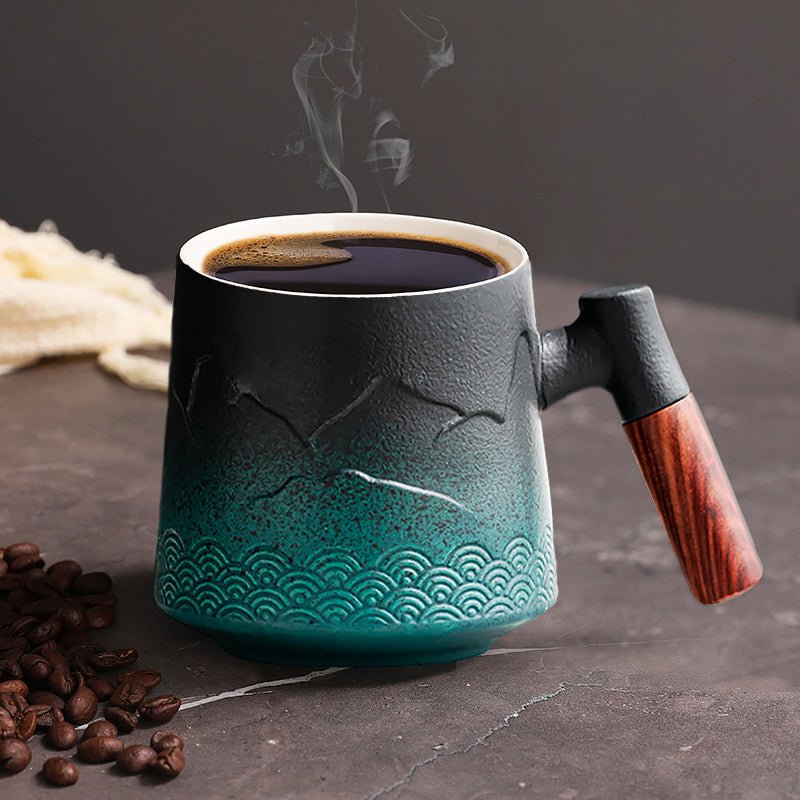
Handle Cup Buying Guide: What Matters Before You Buy
A handle cup only works well if the grip, size, and material match how you actually drink. We break down the practical trade-offs so you can choose a cup that feels right on a desk, in the kitchen,...
Read more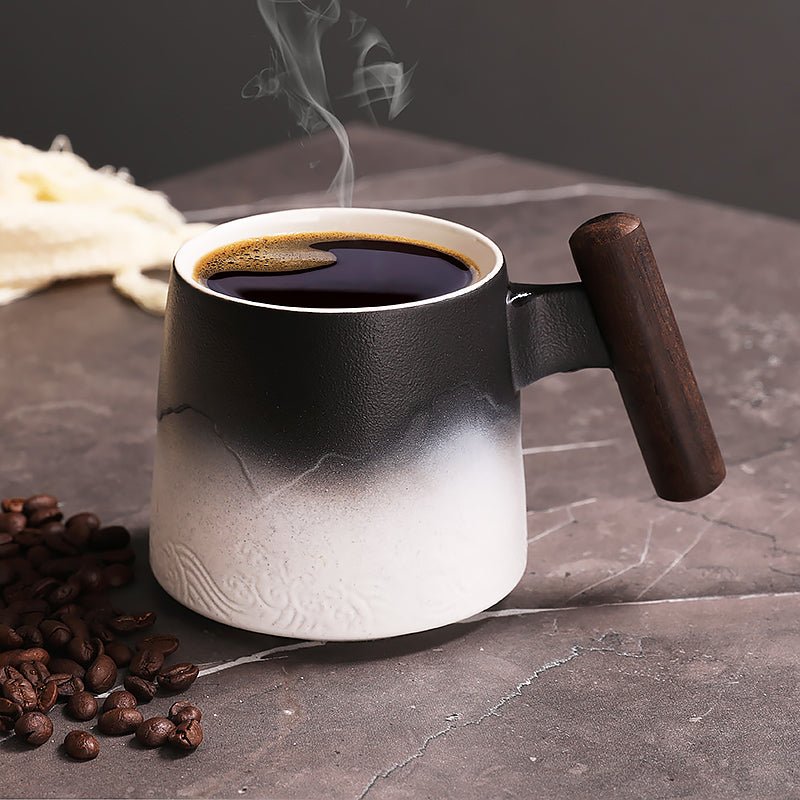
Lotus Coffee: How to Choose the Right Mug Size and Style
Lotus coffee can be served in very different ways, from a short, concentrated pour to a larger milk-forward drink. We break down the mug sizes, materials, and care checks that matter before you buy.
Read more
Leave a comment
This site is protected by hCaptcha and the hCaptcha Privacy Policy and Terms of Service apply.