
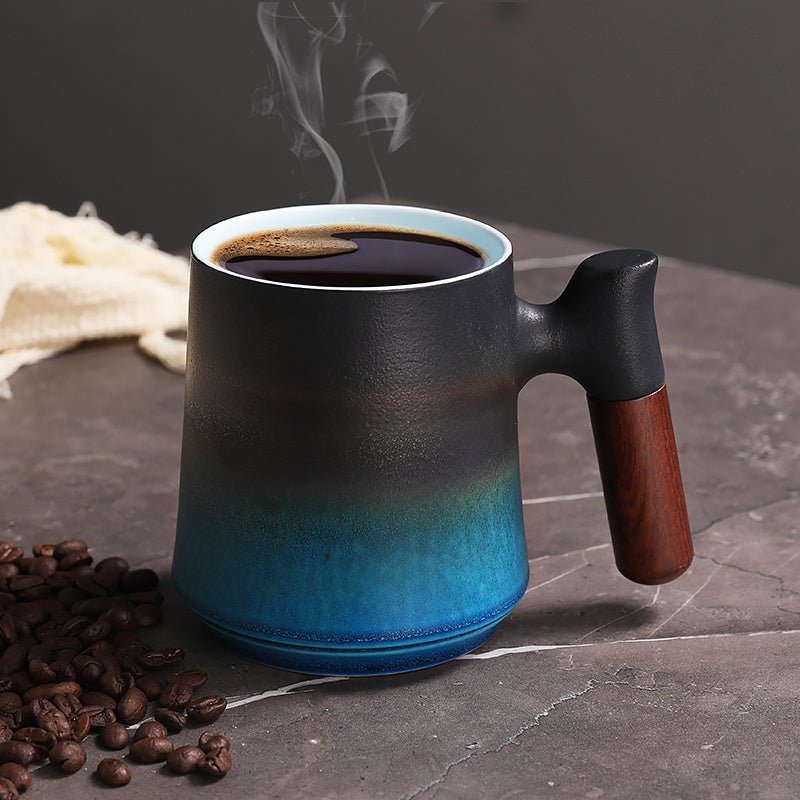
Hot Toddy Mug Shared Household Practical Purchase Checklist
Reading time: about 10 minutes
At 9 p.m. in a shared kitchen, one person pours a modest drink while another reaches automatically for the largest mug in the cabinet. Within a week, the wrong purchase is easy to spot: one mug is always in use, and another sits untouched because its capacity or handle does not suit the people living there. Our hot toddy mug shared household practical purchase checklist turns those daily habits into a practical comparison of listed capacity, grip, storage, and everyday ceramic care.
We sell mugs, so we know appearance matters. We also know that a product photo cannot tell you how much someone normally pours, how their fingers fit a handle, or how much shelf space is available beside everyone else's drinkware. Those questions should be settled before checkout, especially if several people will share the same kitchen.
Hot toddy mug shared household practical purchase checklist: 6 decisions
Start with the facts we can verify. The Gradient holds 400 ml, The Flow holds 400 ml, and The Rock holds 480 ml. All three are considered here as everyday ceramic drinkware. We are not assigning unverified external dimensions, dishwasher or microwave compatibility, insulation performance, or professional test results to them.
- Measure each person's normal pour. Use water and a kitchen measuring jug rather than estimating from a favorite mug.
- Allow usable headroom. A listed capacity is a comparison point, not an instruction to fill the mug to the rim.
- Compare handle grip. Finger clearance, knuckle position, and balance matter more than a decorative handle viewed from one angle.
- Measure the storage route. Check the cabinet shelf, counter space, and the path from kitchen to desk, sofa, or bedside table.
- Verify the current care instructions. Ceramic alone does not establish dishwasher or microwave compatibility for a specific product.
- Check quantity and contents. This article compares individual mug options and does not assume they are bundled or sold as a set.
A mug does not need to satisfy every person equally. It does need a clearly identified user. In a household with different serving habits, choosing individual capacities and silhouettes can be more practical than trying to make every cabinet position match.
Which capacity matches each person's normal pour: 400 ml or 480 ml?
Capacity should be decided with a cold-water test. Ask each housemate to fill the mug they currently use to their normal level, then transfer that water to a measuring jug. Record the result. Someone pouring close to 400 ml should not assume that a 400 ml mug will provide comfortable carrying and stirring room; the listed capacity may leave less working headroom than that person expects.
For a drinker whose measured serving sits comfortably below 400 ml, start with The Gradient 400 ml ceramic mug. The The Flow 400 ml mug offers the same verified capacity, so the decision between those two should come from the current product photos, handle silhouette, and any dimensions or care details shown on their pages. Capacity alone does not make one a better choice.
If one person consistently wants more room, The Rock 480 ml mug provides 80 ml more listed capacity than the two 400 ml options. That additional room is useful for a larger normal pour or more carrying headroom. It also means more liquid weight when filled, so a larger mug is not automatically easier to use.
| Product | Listed capacity | Best starting situation | Detail to confirm |
|---|---|---|---|
| The Gradient | 400 ml | Measured pours that leave room below 400 ml | Handle fit and external dimensions |
| The Flow | 400 ml | Same capacity need with a different visual option to compare | Handle fit and external dimensions |
| The Rock | 480 ml | Larger pours or a preference for more headroom | Full carrying weight and cabinet fit |
Do not choose 480 ml simply because it sounds more generous, particularly for a housewarming gift. A recipient with a smaller cabinet, a lighter usual serving, or a preference for compact drinkware may get more daily use from a 400 ml option.
How should different hand sizes change the handle decision?
Handle comfort cannot be reduced to one universal finger rule. Some people use two fingers and support the base with the other hand. Others want a wider opening for three or four fingers. The useful questions are whether the knuckles press against the mug body, whether the handle edge creates a pressure point, and whether the wrist feels controlled when the mug is full.
In our store, we advise shoppers to separate visual preference from grip requirements. A handle may look substantial in a front-facing image but have limited clearance from the mug wall. Review every available product angle and look for any published handle or overall dimensions. If those details are not provided, treat comfort as an open question rather than guessing.
- For different hand sizes: compare the handle opening and the space between the handle and mug body.
- For someone who carries a full mug to a desk or sofa: prioritize controlled grip and usable headroom over maximum capacity.
- For someone who usually holds a cup with both hands: consider the body shape as well as the handle.
- For limited grip strength: choose drinkware with published measurements or an accessibility-focused handle if the available product information is not specific enough.
Once the mug arrives, test the grip with cold water before using it for a hot drink. Carry it along the real route from counter to table. That simple trial reveals wrist strain, knuckle contact, and overfilling risk without relying on appearance alone.
Will the ceramic mug fit the cabinet and washing routine?
Two mugs can hold the same 400 ml while taking up different amounts of shelf space. Capacity does not establish height, body diameter, handle projection, or whether a shape can be stacked. Measure the available cabinet height and depth, then compare those numbers with the current product listing. Leave room for the handle rather than measuring only the round body.
Do not assume a mug is stackable. If the base does not sit securely inside the rim below it, stacking can put pressure on the glaze and handle attachments. Side-by-side storage is the safer choice unless the product is specifically shaped and described for stacking. On an office desk, also consider the clearance between the mug, keyboard, and edge of the work surface; a larger capacity does not help if the mug has no comfortable place to sit.
Ceramic drinkware also requires realistic handling. Rim chips, damage around the handle joints, and marks on the base contact edge are common points to watch on any frequently used ceramic mug. Avoid knocking the handle against neighboring dishes or dropping the mug onto a stone or tile counter. A chipped rim or visible crack is a reason to stop using the mug and contact the seller.
Check each product page or supplied care information before using a dishwasher or microwave. If dishwasher use is confirmed, position the mug so its rim and handle cannot strike another item during the cycle. If compatibility is not stated, hand washing is the cautious choice. These mugs should not be selected for leakproof commuting, documented heat retention, or impact resistance unless a product listing explicitly supports those requirements; a purpose-built travel vessel would suit those situations better.
Which CoffeifyMug option fits each shared-household scenario?
The useful recommendation is the one tied to a person's actual routine. Using the hot toddy mug shared household practical purchase checklist, we would narrow the three options this way:
- Situation: two housemates both pour well below 400 ml. Why it fits: either 400 ml option can provide the required listed capacity without moving up to the largest mug. Next step: compare The Gradient and The Flow product pages for the handle view, silhouette, dimensions, and current care information.
- Situation: one person wants more room than the 400 ml options provide. Why it fits: The Rock has a verified 480 ml capacity, giving that user an additional 80 ml. Next step: review The Rock page and check its external size against the intended shelf.
- Situation: capacity needs match, but grip or visual preferences differ. Why it fits: The Gradient and The Flow share a verified 400 ml capacity, allowing the comparison to focus on shape rather than volume. Next step: have each person choose from the current product images instead of assuming one handle suits everyone.
- Situation: the household wants visually distinct mugs to reduce drink mix-ups. Why it fits: different silhouettes can make personal choices easier to recognize. Next step: browse the unique ceramic coffee mug collection, then verify the quantity and specifications on each individual listing.
- Situation: the mug must travel in a bag or retain heat for a documented period. Why it does not fit: this comparison covers everyday ceramic mugs and makes no leakproof or specialized temperature-performance claim. Next step: choose a travel mug with those features stated explicitly.
This approach does not require every person to order the same model, and it does not imply that the products are supplied together. Each shopper should confirm the cart quantity, included contents, and current listing details before purchasing.
What should you inspect at unboxing and before first use?
A gift unboxing or shared delivery should include a quick inspection before anyone fills the mug. Ceramic can be damaged in handling even when the outer package looks intact, and small problems are easier to document before use.
- Confirm that the model, quantity, and listed capacity match the order.
- Place the empty mug on a dry, level counter and check for pronounced rocking.
- Inspect the rim, base contact edge, and both handle attachment points under side lighting.
- Look for chips, visible hairline cracks, or a rough edge that catches a fingertip.
- Wash the mug according to the supplied care directions before first use.
- Fill it with cold water to the intended everyday level, then test the grip and carrying route.
Minor visual variation and structural damage are not the same thing. If you are uncertain about a line in the glaze, an unstable base, or a damaged handle joint, photograph it and ask the seller before using the mug with a hot drink.
What should every housemate confirm before checkout?
Write down four answers for each intended user: normal pour volume, preferred handle grip, available shelf space, and acceptable care method. Then remove any option with an unverified detail that is essential to that person. A capacity match is useful, but it does not override a poor grip, an uncertain cabinet fit, or care instructions that do not suit the household routine.
The final comparison should be simple: choose The Gradient or The Flow for a verified 400 ml requirement, consider The Rock for a verified 480 ml requirement, and use the collection page when handle silhouette or personal identification is the deciding factor.
Frequently asked questions
Is a 400 ml or 480 ml mug better for a hot toddy?
Neither capacity is universally better. A 400 ml mug suits a measured serving that leaves comfortable headroom, while a 480 ml mug provides 80 ml more listed capacity for a larger pour. Test the intended amount with water and allow space for carrying rather than choosing by the largest number.
How do I compare mug handles for people with different hand sizes?
Look at the handle opening, knuckle clearance, and distance between the handle and mug body. Review all available product angles and published dimensions, then perform a cold-water grip test after delivery. If handle measurements are essential and not stated, ask the seller before ordering.
Are The Gradient, The Flow, and The Rock sold as a set?
Our hot toddy mug shared household practical purchase checklist compares three individual product options; it does not claim that they are bundled as a set. Check the quantity, included contents, and cart details on each current product page before purchasing.
Are these ceramic mugs dishwasher-safe or microwave-safe?
The verified facts used here establish the ceramic drinkware category and listed capacities, not blanket dishwasher or microwave compatibility. Follow the current product page and supplied care directions for the specific mug. If compatibility is not stated, do not assume it.
What should I do if the capacity is right but the handle details are unclear?
Keep handle fit marked as an unresolved requirement and compare the available product images or contact the store for current details. Your next step is to review the CoffeifyMug collection using each housemate's measured pour, grip preference, cabinet clearance, and care needs as the filter.
More from our blog
Read more
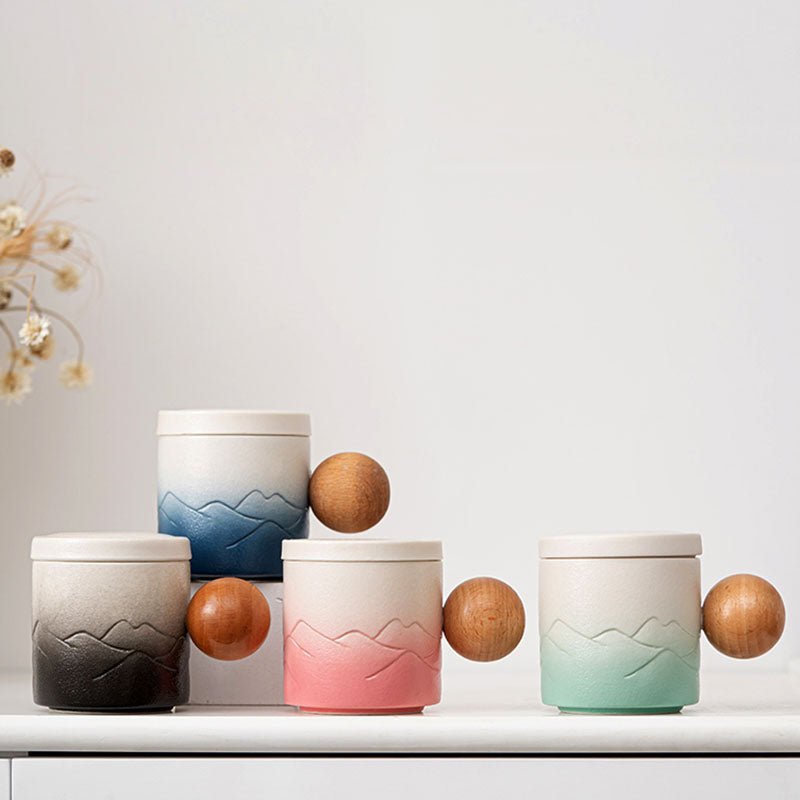
Cacao Cup Home Office Product Shortlist Guide: 3 Desk Picks
Compare three CoffeifyMug options by verified 250 ml, 390 ml, and 400 ml capacities, visible opening, desk routine, and care checks. Each pick includes a clear reason to choose it or leave it off y...
Read more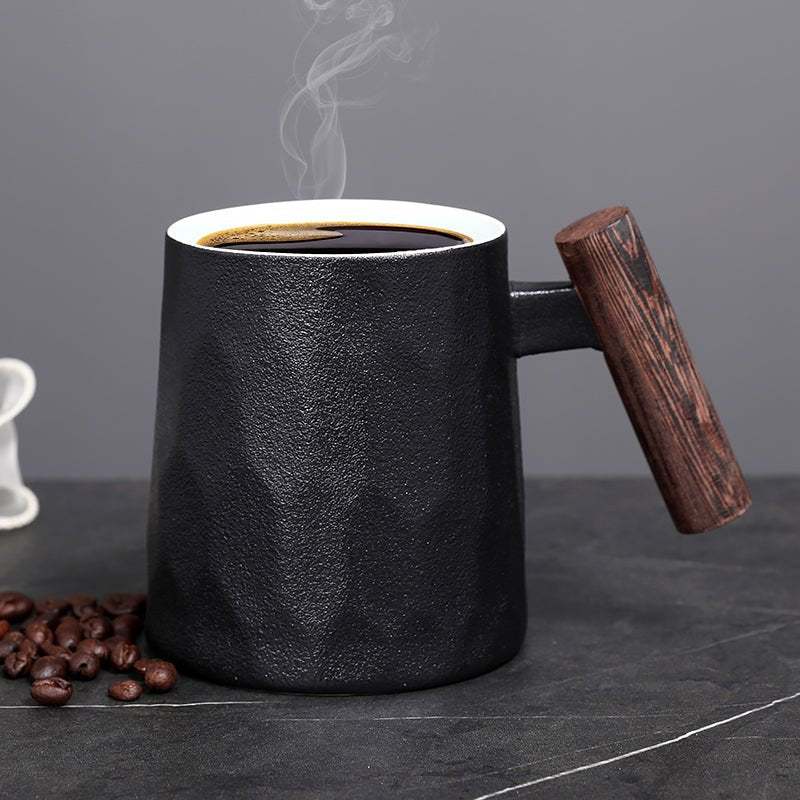
Thick Ceramic Coffee Mugs Shared Household Practical Purchase Checklist
A practical way to assign individual thick ceramic mugs in a busy home. Compare drink volume, handle fit, machine and cabinet clearance, care instructions, and three CoffeifyMug designs without ass...
Read more
Leave a comment
This site is protected by hCaptcha and the hCaptcha Privacy Policy and Terms of Service apply.