
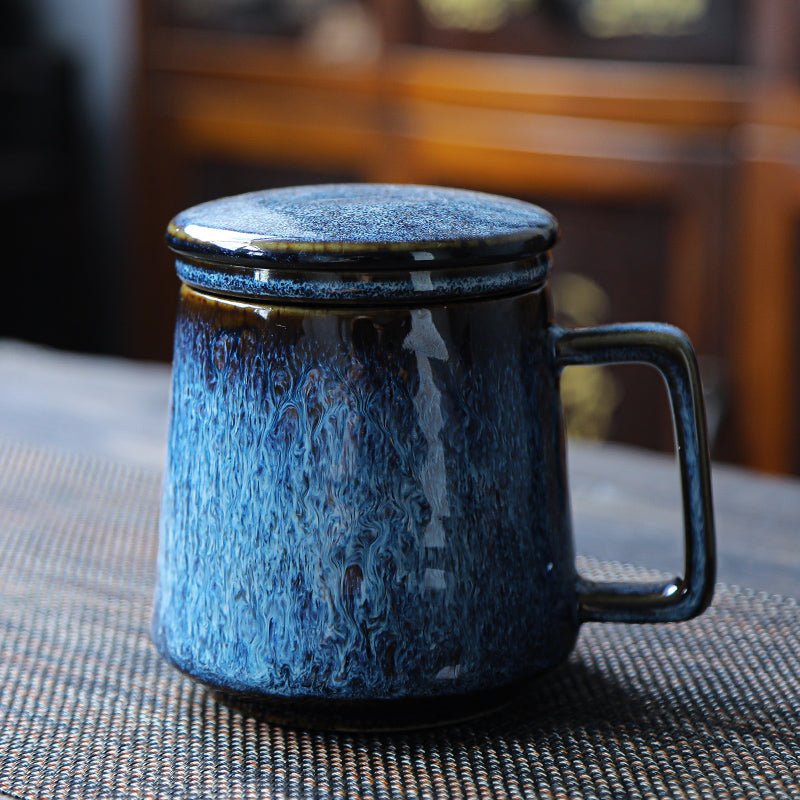
Heavy Ceramic Coffee Mugs Morning Routine Practical Purchase Checklist
Reading time: about 10 minutes
At 7:10 a.m., a mug that feels reassuringly solid at the first pour can feel annoyingly heavy by the third trip from the kitchen counter to an office desk. This heavy ceramic coffee mugs morning routine practical purchase checklist starts with the variables that change daily use: your usual drink volume, how long the drink sits, where you carry it, and how willing you are to refill. In our experience handling ceramic mugs, shoppers often judge heft while the mug is empty; the filled mug is the one their wrist actually manages.
Heavy ceramic coffee mugs morning routine practical purchase checklist: start with the clock
Put product photography aside for five minutes. A morning mug is part vessel and part timing tool, so record one normal weekday rather than an ideal weekend ritual.
- First pour: Note the time and whether the mug stays at the breakfast table, moves to a desk, or leaves the house.
- Usual fill: Transfer your normal serving into a marked measuring cup instead of estimating from the mug.
- Finish time: Record how many minutes pass between the first and last sip.
- Refill tolerance: Count your refills and decide how many kitchen trips you will accept.
- Carrying route: Include stairs, doors, pets, a laptop, and anything else competing for your free hand.
Open the unique coffee mugs collection in one tab and a first candidate such as The Rock Coffee & Tea Mug in another. Our team would rather mark a missing specification as unknown than let a photo do the measuring. If the current page does not state weight, capacity, dimensions, ceramic subtype, or care compatibility, do not assume that detail.
How much coffee do you actually pour before 9 a.m.?
General buying guidance: A listed capacity does not necessarily equal a comfortable working fill. Measure your usual drink with roughly 10 to 15 mm of space below the rim so you can walk, stir, or add milk without sloshing. A 12 fl oz drink, about 355 mL, adds roughly 355 g to what you carry before counting the mug itself.
- One large pour: This reduces interruptions, but increases filled weight and takes more counter or desk space.
- Two smaller pours: Each carry is lighter and the second serving is fresh, but you must accept another kitchen trip.
- Milk drinks: Allow room for foam, milk, and a spoon rather than matching the liquid recipe to the brim capacity.
- Iced coffee: Measure the drink with ice included and confirm that the mug still leaves enough rim clearance for safe carrying.
If cappuccino is your default first drink, our cappuccino mug morning-routine checklist goes further into milk volume and serving-space decisions. A large heavy mug can make sense for a no-refill routine, but it is excessive for a short drink that you finish in a few minutes.
Does the filled mug still feel good on the walk to your desk?
Use your current mug as a personal benchmark. Weigh it empty, fill it to your normal level, and weigh it again. Then hold it in your usual grip for 60 seconds and walk the actual route from brewer to chair. This simple test catches wrist fatigue, poor handle clearance, and awkward one-handed carrying before style influences the decision.
- Notice whether your knuckles touch the mug body or whether your fingers bunch inside the handle.
- Check if you naturally support the base with a second hand once the mug is full.
- Repeat the test while opening the door, moving a chair, or carrying your phone.
- If your present filled mug already feels borderline, a heavier empty mug is unlikely to improve the routine.
Do not buy a heavy ceramic mug solely on the assumption that it will keep coffee hot longer. A thicker or heavier ceramic body can hold thermal energy, but a room-temperature mug also absorbs heat from the first pour. Wall thickness, drink volume, rim opening, starting temperature, and preheating all affect the result.
Which CoffeifyMug design belongs on your morning shortlist?
Product-specific boundary: The linked pages are the source of truth for their current product information. The recommendations below match routines to pages worth inspecting; they do not fill in unlisted weight, measurements, or care claims.
| Reader situation | Why it can fit | Relevant next step |
|---|---|---|
| The mug will stay at a breakfast table or fixed desk, and The Rock is the design you prefer. | A stationary routine reduces the main drawback of a heavy mug: carrying it repeatedly through the morning. | Review The Rock Coffee & Tea Mug, then confirm every currently listed material, capacity, dimension, and care detail against your notes. |
| The silhouette shown for Spittoon appeals, and standard travel-cup compatibility is not required. | A distinctive home mug can work if its rim access, maximum width, base, and cupboard clearance match your space. | Inspect the current photos and specifications for the Spittoon Coffee & Tea Mug. Treat any missing measurement as a question, not a promise. |
| The Flow design is your visual choice, but your desk, coaster, or shelf is narrow. | In a crowded workspace, overall footprint and handle projection matter more than nominal capacity alone. | Open The Flow Coffee & Tea Mug and compare its currently stated details with your measured space. |
| You are not committed to one design yet. | Side-by-side browsing helps you reject poor physical fits before becoming attached to one style. | Return to the unique coffee mugs collection and shortlist only the designs that suit your measured volume and carrying route. |
Will the rim, handle, and base work at your counter?
Weight is only one part of the feel. These form details often decide which mug gets used daily and which one remains in the cupboard.
- Rim: Rim thickness changes lip feel, while a broad opening exposes more coffee surface than a narrower opening under similar conditions. Check that your normal fill still leaves spill headroom.
- Handle: Measure the inner opening at its narrowest point and note how many fingers you actually use. The upper and lower handle attachments are also common places to inspect for hairline cracks.
- Base and foot ring: Set the mug on a flat counter and press opposite edges. Rocking can indicate debris or an uneven foot, while a rough unglazed ring may need a coaster to protect wood.
- Brewer and shelf clearance: Measure from the drip tray to the coffee outlet, then check shelf height and total mug width with the handle included.
- Desk footprint: A broad base may add stability, but it can crowd a mouse pad, keyboard, notebook, or coaster. Heft does not automatically mean a mug has a wide or flat base.
If counter stability is your main concern, compare those measurements with our ceramic wide-bottom mug morning checklist. Base diameter and empty weight solve different problems, so do not use one as a substitute for the other.
What should you verify before the first dishwasher cycle?
General care guidance: Ceramic is an umbrella category that includes earthenware, stoneware, and porcelain. Do not infer a subtype, microwave compatibility, or dishwasher compatibility from glaze color or appearance. Follow the wording on the current product page.
- Read the care statement: Look for explicit dishwasher and microwave guidance. If it is absent, treat compatibility as unconfirmed and ask before relying on it.
- Inspect before first use: Under bright light, check the rim, body, handle attachments, and base for chips, through-cracks, sharp glaze edges, or movement.
- Use conservative cleaning: Until care is confirmed, use mild dish soap and a nonabrasive sponge rather than a metal scrubber.
- Avoid sudden temperature changes: Moving ceramic directly between extreme hot and cold conditions can stress the body or glaze.
- Dry the foot ring: Water can remain in a recessed base after dishwasher cycles and leave a ring on a wood desk or shelf.
Fine glaze crazing appears as a network of surface lines and is not the same thing as a crack running through the ceramic body. Pinholes or glaze variations may be cosmetic, but a sharp rim chip, moving handle, or through-crack is not a routine variation. During a gift unboxing, make this inspection before discarding protective packaging.
Who should skip a heavy ceramic mug for the morning commute?
A heavy ceramic mug is not an automatic upgrade. It is usually a poor match for routines that demand low carry weight, leak protection, or standard vehicle fit.
- Choose a lighter mug if you repeatedly move between rooms, climb stairs, or carry a laptop and coffee together.
- Choose a measured travel mug if the vessel must fit a car cup holder or bag pocket.
- Choose an insulated, lidded vessel if long heat retention and spill control matter more than ceramic feel.
- Choose a smaller cup if your morning drink is a short espresso; our ceramic espresso cup morning checklist covers that routine more directly.
- Choose a lighter option if your grip tires quickly or you prefer lifting with one hand throughout the day.
Heavy ceramic also deserves caution in busy shared kitchens where mugs are stacked tightly or moved quickly. If stability is the real objective, base shape may matter more than total mass.
Use this yes, no, or unknown check before checkout
Run the heavy ceramic coffee mugs morning routine practical purchase checklist one final time. Write an honest yes, no, or unknown beside each point rather than letting appearance settle an unresolved practical issue.
- Your first-pour and finish times are recorded.
- Your normal drink volume includes 10 to 15 mm of spill headroom.
- Your preferred mug size matches your refill tolerance.
- Your current empty and filled mug weights provide a comfort benchmark.
- The kitchen-to-desk route is manageable with one or two hands.
- Maximum height, total width, base, and shelf clearance are confirmed.
- The rim and handle suit your normal grip and drinking style.
- Required dishwasher or microwave compatibility is explicitly stated.
- Any unlisted must-have detail has been confirmed before purchase.
A no on filled comfort or physical fit should remove a mug from the shortlist. An unknown care instruction should pause the purchase if that feature is essential. Once those checks pass, style becomes a useful tie-breaker rather than an expensive distraction.
Frequently asked questions
Are heavy ceramic coffee mugs better at keeping coffee hot?
Not automatically. A heavier ceramic body can store heat, but it can also absorb heat from a fresh pour when the mug starts at room temperature. Drink volume, wall thickness, rim area, and preheating affect the result, while an insulated lidded mug is usually the more suitable category for long heat retention.
How heavy is too heavy for a morning coffee mug?
There is no universal cutoff because grip, serving volume, and carrying distance differ. The heavy ceramic coffee mugs morning routine practical purchase checklist uses your current filled mug and a 60-second carry test as a personal benchmark. If a candidate's empty weight is not listed, ask before buying rather than estimating from its appearance.
Can I put any ceramic coffee mug in the dishwasher or microwave?
No. Ceramic material alone does not confirm dishwasher or microwave compatibility because the body, glaze, decoration, and construction can affect care. Use the current product-page wording, and treat an absent care statement as unconfirmed.
Should I buy a larger heavy mug so I do not need a refill?
Only if you are comfortable with the added filled weight and desk space. A larger serving reduces kitchen trips, but it may sit longer and become less pleasant before the final sip. A smaller mug is usually the better fit if you move frequently and do not mind one fresh refill.
Which CoffeifyMug option should I compare first?
Start with the design you would genuinely reach for, then let volume, filled comfort, dimensions, and care remove unsuitable candidates. Compare The Rock, Spittoon, and The Flow using the same written checks. If none clears every must-have, open the unique coffee mugs collection, shortlist one new design, and wait to buy until its essential measurements and care details are confirmed.
Read more
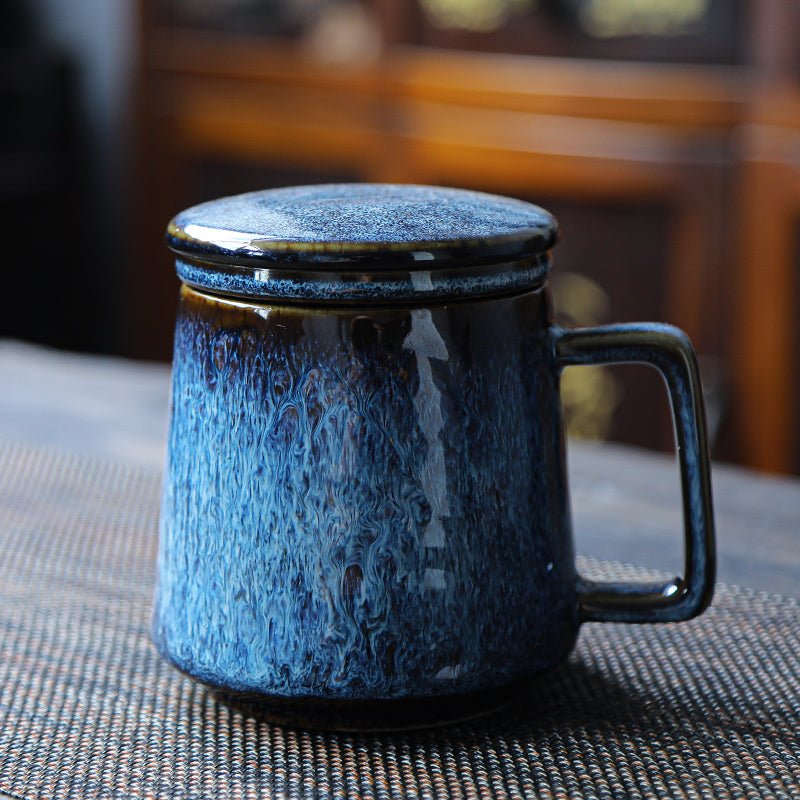
Large Unique Coffee Mugs Morning Routine Practical Purchase Checklist
Measure your real morning pour, decide how many refills you tolerate, and check brewer clearance, loaded weight, grip, and care. This checklist shows how to shortlist CoffeifyMug designs without gu...
Read more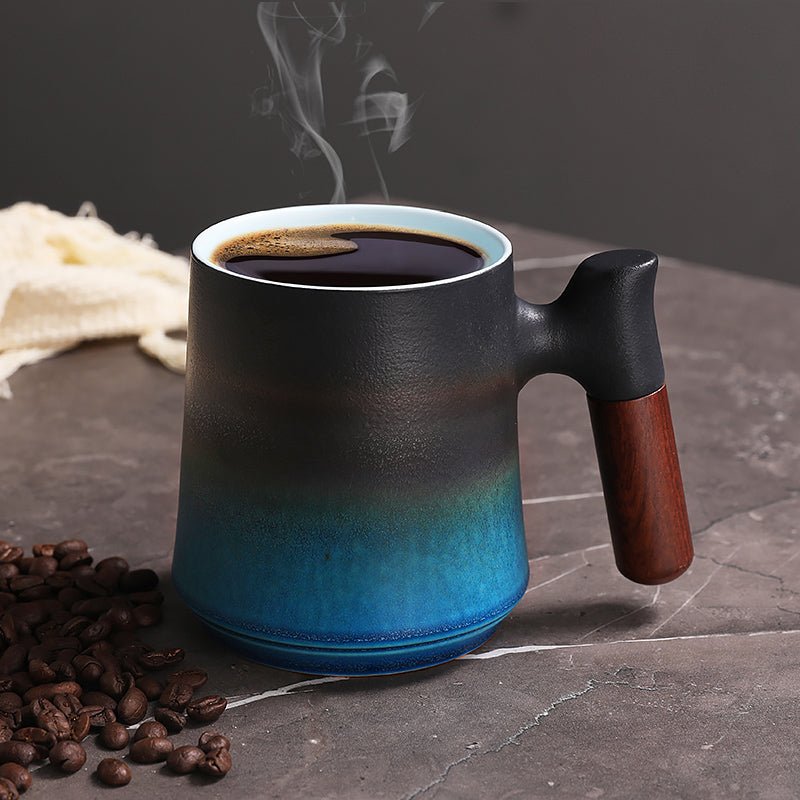
Black Tea Mug Morning Routine Practical Purchase Checklist: 390–400 ml
Use your normal pour, available morning minutes, and willingness to refill to compare CoffeifyMug’s 390 ml Round with the 400 ml Gradient and The Flow. It also flags handle-fit, care, and dimension...
Read more
Leave a comment
This site is protected by hCaptcha and the hCaptcha Privacy Policy and Terms of Service apply.