



Coffee Mug Size Checklist: 8oz 12oz 16oz Trade-offs
Reading time: about 7 minutes
You pour your morning coffee and immediately second-guess the mug in your hand. Is it tall enough for a proper sip or too small to feel satisfying? We’ve handled hundreds of these decisions in our store, watching customers pick mugs that match their exact workflow instead of guessing. Following our coffee mug size checklist turns that uncertainty into a clear, informed choice that fits your routine perfectly.
How does mug size change your coffee experience?
Size shapes every part of your ritual. A 12 oz mug gives you room to breathe without constant refills during a long commute, while an 8 oz version works better when you want to savor espresso shots without dilution. We’ve tested both on our own counters and know the difference shows up in how quickly the coffee cools and how much counter space it takes. In real life, this affects everything from your morning workflow to evening wind-down.
We’ve seen customers who upgrade from small to medium mugs after realizing their daily hydration needs exceed what the smaller size allows. The right size keeps your coffee at the temperature you want it and reduces the need for multiple pours, saving time and energy.
What capacities should you compare for common coffee types?
Standard drip coffee often lands around 12 oz because that fills you up without overwhelming the cup. Espresso shots call for 8 oz to highlight crema layers and keep it from getting watered down. Larger drinks push toward 16 oz for iced options or when you need a refill without reaching for the pot. In our experience, these numbers line up with real serving sizes our customers actually finish before they hit lukewarm.
Whether you’re starting the day with a bold espresso or enjoying a creamy iced latte, matching the capacity to your typical pour prevents common frustrations like lukewarm drinks or constant refills. We’ve noted that buyers who skip this step often end up with mugs that don’t quite match their habits.
How material options affect your chosen mug size?
Ceramic keeps heat longer but adds weight that bigger sizes amplify. Plastic feels lighter yet risks cracks if dropped. We stock both and have seen ceramic mugs develop faint hairline cracks along seams after repeated dishwasher cycles while plastic ones stay intact longer in casual use. Pick the size first, then match it to the material you can actually tolerate washing yourself.
In our store, we’ve noticed that heavier materials in larger capacities can make the mug feel less stable on tabletops or desks. Lighter options encourage portability but may require more careful handling to avoid damage over time. Consider your daily routine when weighing these trade-offs.
What role does handle design play in mug size selection?
Handles make a difference once the mug gets full and heavier. Comfortable grips reduce slipping on sweaty hands, and bigger ones work better for larger capacities. We’ve watched people return oversized mugs because the handle felt too thin for their grip. Size and handle should feel balanced, not like the mug was scaled up without adjusting the hold.
This detail becomes crucial during busy mornings or when carrying the mug across the room. We’ve seen customers appreciate the thoughtful design that prevents accidental drops and makes sipping more enjoyable.
How do internal dimensions and handle designs interact with mug size?
Capacity in ounces is one thing, but the inside shape matters more for how the coffee sits and how easily you drink it. Narrower rims force your lips closer to the heat, while wider openings let you tilt the mug without spilling. We’ve noticed customers who skip this step end up with mugs that feel cramped after a few sips or wobble when the liquid level drops. Checking the inside width before you buy saves returns and disappointment.
- 8 oz: tighter pour control for small sips
- 12 oz: balanced room for regular coffee
- 16 oz: extra space for ice or big refills
These dimensions help ensure the mug feels ergonomic no matter how full it gets. We’ve handled many unboxing experiences where the shape surprised buyers in the best way.
What care steps should you follow for different mug sizes?
Larger mugs can take more abuse from repeated use but also demand more attention to washing and drying to prevent buildup. We’ve seen customers who ignore care instructions for bigger sizes end up with residue that affects taste. Always choose the size that matches your cleaning routine—whether hand washing or dishwasher safe.
Smaller sizes are easier to manage in tight kitchens but may require more frequent refills. Match your mug size to how often you wash it to keep everything fresh and functional.
Real trade-offs and limitations to watch for
Larger mugs lose heat faster once the liquid level drops and can feel unstable on narrow desks. Smaller ones encourage quicker refills which might lead to weaker coffee if you are not careful. We always tell customers to pick the size that matches their normal pour volume instead of the biggest mug they can find. The wrong size changes the taste and cools your drink before you finish.
On narrow kitchen counters or cluttered office desks, the extra bulk of a 16 oz mug can create clutter or tipping risks. Meanwhile, an 8 oz option might feel limiting for those who enjoy generous servings. We’ve acknowledged these limitations to help buyers make choices that align with their lifestyle without regrets.
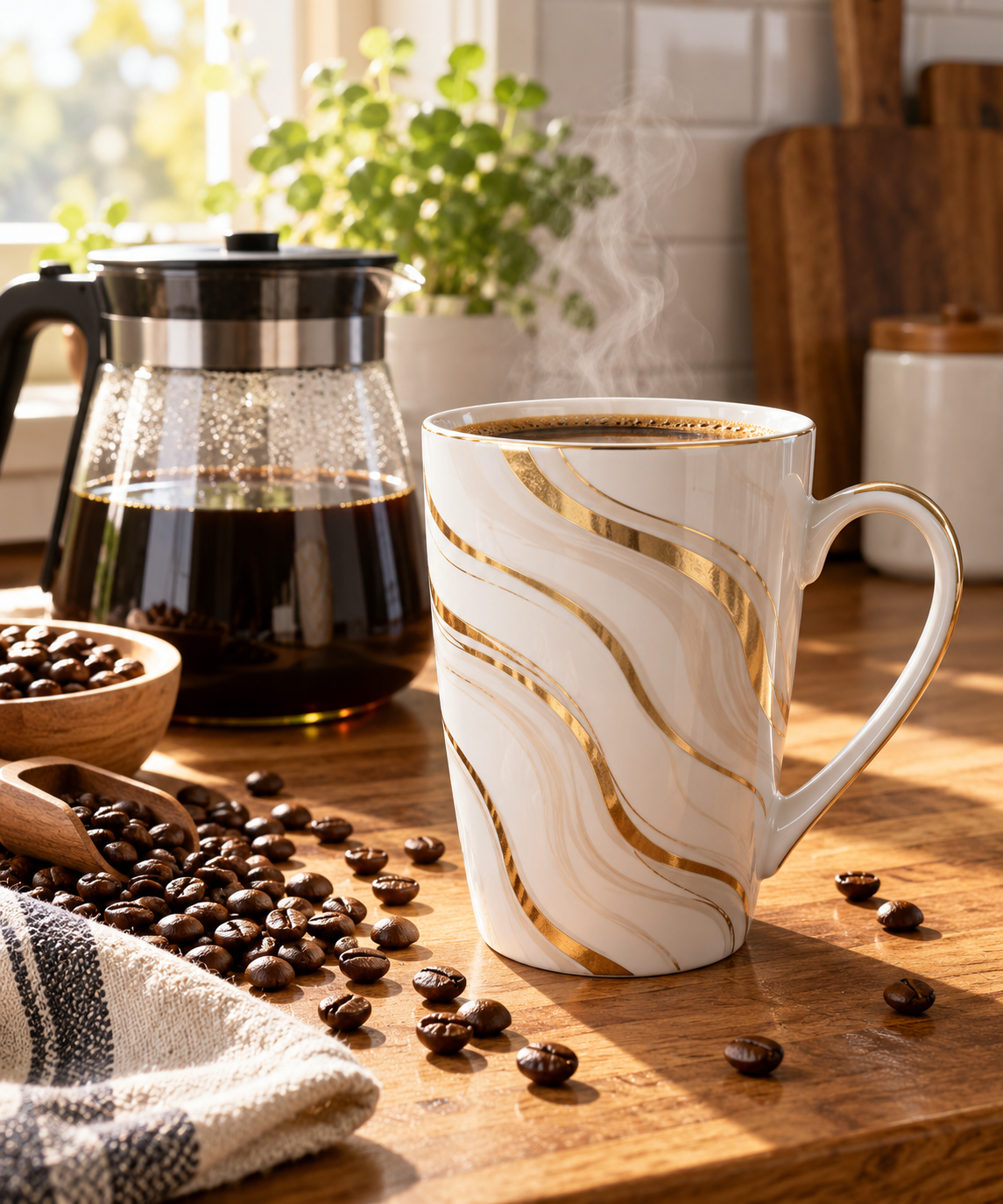
For buyers seeking tall designs that provide more capacity in a compact footprint, our White Golden Waves Tall Coffee Tea Mug offers a practical example to explore at https://coffeifymug.com/products/white-golden-waves-tall-coffee-tea-mug.
Buying recommendations by coffee type
Drip coffee drinkers usually do well with 12 oz ceramic options that feel stable on the counter. Espresso fans prefer 8 oz with narrower openings to preserve the shot. Iced coffee buyers often step up to 16 oz with wider mouths for easy ice addition. In every case we steer customers toward mugs that match their exact drink volume instead of trying to fit everything into one size.
Our team has guided many shoppers through these decisions, ensuring the chosen mug enhances rather than hinders their coffee enjoyment. Consider your typical drink and the environment where you’ll use it most. You can also explore our full lineup at unique coffee mugs collection.
For more tall mug options, visit our White Golden Waves Tall Coffee Tea Mug.
| Size | Typical Use | Best For | Common Trade-offs |
|---|---|---|---|
| 8 oz | Espresso and small coffees | Concentrated sipping | Less room for ice or milk |
| 12 oz | Regular drip coffee | Daily hydration | Moderate heat loss |
| 16 oz | Large drinks and iced options | Big refills | Heavier to handle |
Frequently asked questions
How big is a standard coffee mug?
Most standard mugs fall between 8 oz and 16 oz. The 12 oz size strikes the best balance for everyday drip coffee without feeling oversized or tiny. We recommend measuring your actual pour volume first so the mug matches what you normally drink.
Is 12 oz enough for a large coffee?
Yes for many people but not everyone. If your typical serving exceeds 12 oz or you add milk and ice, step up to 16 oz. We’ve seen customers who started with 12 oz and upgraded after realizing their coffee ran out faster than expected.
Does mug material affect size selection?
Absolutely. Heavier ceramic mugs in larger sizes can feel unbalanced, while lighter plastic options in 16 oz feel more portable but may not retain heat as well. Choose the size that matches the material you already own or plan to buy.
How can I measure the perfect coffee mug size at home?
Fill the mug with water to the top, pour it into a measuring cup, and note the ounces. Check inside diameter with a ruler from rim to bottom. Compare those numbers against product listings before ordering to avoid surprises.
Is a larger mug always better?
Not if it changes how you enjoy your coffee. A bigger mug can cool faster and take more counter space. Stick to the size that gives you the exact pour you normally drink so the coffee stays at the right temperature and you avoid overpouring.
More from our blog
Ready to pick your mug? Two ways to save on today's order:
Ordering 1–3 mugs? Get an extra 10% off your 1st order with code 10_OFF Apply 10% Off & Shop Wooden-Handle Mugs →
Gifting 4+ mugs? Buy 3, Get the 4th Free applies automatically at checkout (no code needed; offers do not stack) · Free standard shipping (Nov pre-Christmas delivery: 15–20 calendar days US) · Free replacement if chipped in transit.
Popular mug buying guides: Ceramic Tea Cups & Infuser Mugs · Ceramic Mugs with Lids Compared · Wooden-Handle Tea Infuser Mugs Compared · Christmas & Secret Santa Mugs 2026 · Espresso & Cortado Cups Guide · Cup & Saucer Gift Sets · All 25 Mugs Spec Table · Mug Size Guide · Shipping & Promo FAQ
FIRST ORDER 10% OFF (CODE: 10_OFF) · OR BUY 3, GET THE 4TH FREE


Read more

Best Emerald Mug for Home: Compare Ceramic Materials, Sizes, and Care
When selecting the best emerald mug for home, buyers must weigh ceramic quality, size for daily use, and features for kitchen or office settings. Our practical comparisons help you choose one that ...
Read more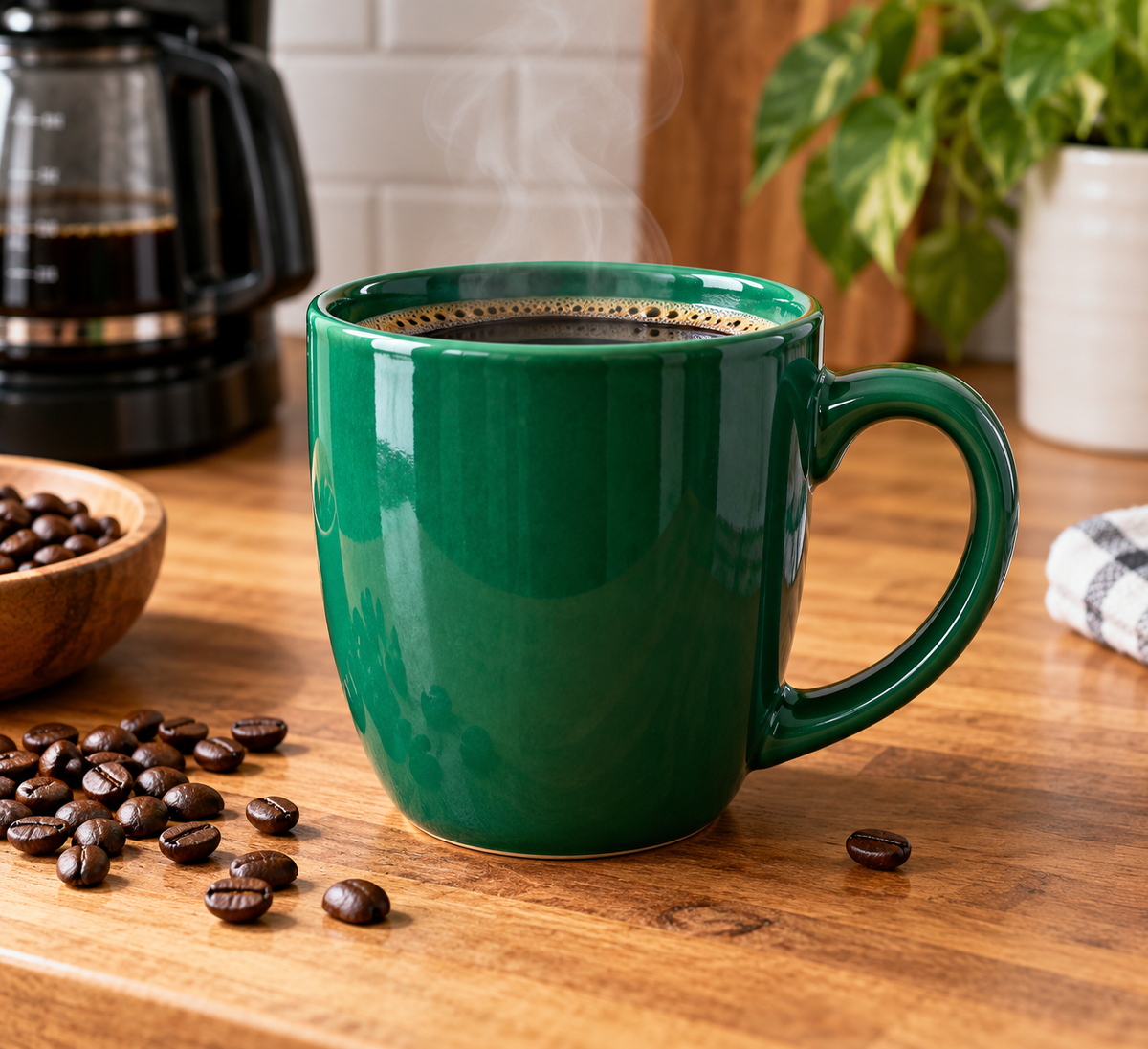
Emerald Mug Size for Coffee: Capacity, Dimensions & Trade-offs
Choosing the right emerald mug size for coffee involves weighing capacity against your brewing routine, plus dimensions and material trade-offs that affect daily comfort. Our team breaks down pract...
Read more
Leave a comment
This site is protected by hCaptcha and the hCaptcha Privacy Policy and Terms of Service apply.