
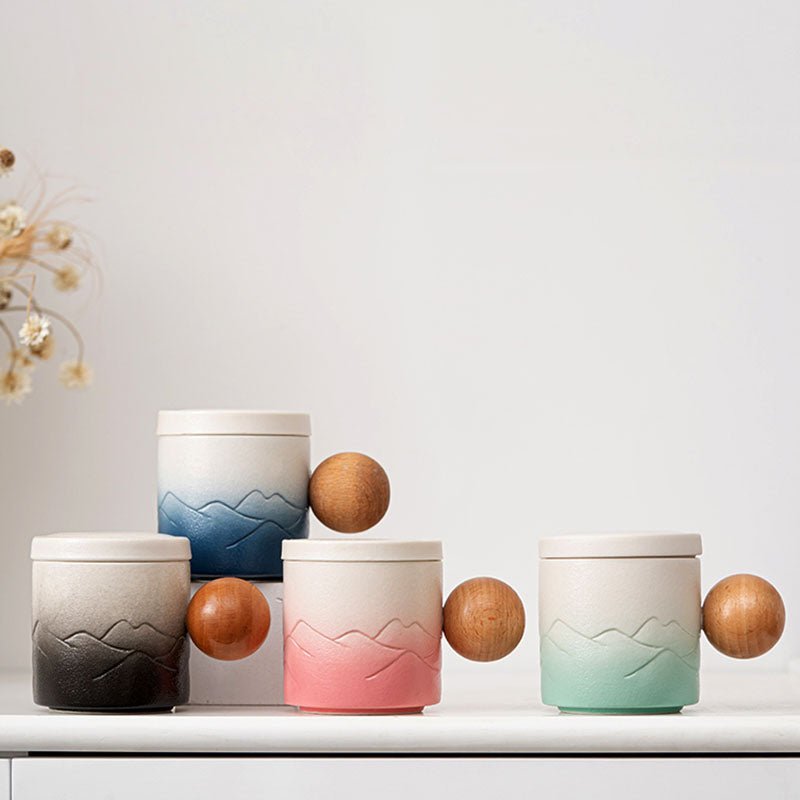
A macchiato cup weekend coffee practical purchase checklist: 170–250 ml
Reading time: about 9 minutes
At 10:30 on Saturday, the espresso is already in the cup, the milk pitcher has one small pour left, and someone decides to add it. That is where an undersized cup becomes obvious: foam reaches the rim, the spoon has little room, and the walk from counter to table becomes awkward. That ordinary kitchen problem is why our macchiato cup weekend coffee practical purchase checklist begins with the finished drink rather than a fixed café recipe.
In our store, we keep this comparison within facts we can verify: ceramic material, listed capacity, and visible form. The compact choices covered here are the Retro at 170 ml, the Pleated at 200 ml, and the Ball Handle at 250 ml. We do not treat listed capacity as a comfortable fill line, promise heat retention, or infer dishwasher and microwave suitability from ceramic material alone. Those boundaries matter when the goal is a cup you will actually use.
Measure Saturday's finished drink, not just the espresso shot
A common sizing mistake is comparing cup capacity only with the espresso volume. The milk, foam, sugar, and occasional second pour determine how high the finished drink sits. A listed 170 ml capacity may sound generous for a short shot, yet it offers less practical margin once the rest of the drink is added.
We use a simple counter test that does not require pouring a hot drink into a measuring jug. Fill your current cup with cool water to the level where your usual weekend drink ends, then transfer that water to a marked jug. If foam normally rises above the liquid, account for that extra height separately. The result does not need laboratory precision; it only needs to show whether your routine sits closer to the 170, 200, or 250 ml option.
Macchiato proportions vary by café, machine, and household. A short espresso base with a small amount of milk or foam is useful general context, not a universal standard. Choose around the drink made in your kitchen, and remember that comfortable serving headroom means leaving space below the rim rather than planning to use every listed milliliter.
Macchiato cup weekend coffee practical purchase checklist by capacity
The three sizes create clear steps: 30 ml from Retro to Pleated, then 50 ml from Pleated to Ball Handle. Match those steps to the amount of variation in your weekend pour.
| Weekend routine | Best starting point | Why it fits | Trade-off |
|---|---|---|---|
| One controlled short drink with minimal added milk or foam | Retro 170 ml coffee and tea cup | It is the smallest listed capacity, so a short drink does not sit inside excessive empty volume. | It provides the least margin for a second milk addition or an inconsistent foam layer. |
| Two people sharing the machine or pours that vary slightly each time | Pleated 200 ml coffee and tea cup | The middle capacity adds 30 ml over the Retro while keeping the serving compact. Its pleated exterior also gives it a visibly textured profile. | It has less headroom than the 250 ml option, and the exterior relief deserves closer attention during washing. |
| A fuller compact drink with more milk or foam, but not a large latte | Ball Handle 250 ml coffee and tea mug | It provides 50 ml more than the Pleated and 80 ml more than the Retro. The ball handle also creates the most distinctive visible form of the three. | It is the largest capacity in this set, yet it is still not a substitute for a tall iced-coffee glass or a full-size breakfast mug. |
For a solo drinker who repeats the same short pour, the Retro is the direct fit. For partners whose milk additions differ, the Pleated offers a practical middle step. For someone who regularly wants more foam or a longer compact serving, the Ball Handle gives the clearest capacity buffer.
A gift purchase needs one extra check. The 200 ml option sits in the middle, but that does not automatically make it the safest gift; the recipient may prefer the cleaner Retro profile or the distinctive ball grip. Capacity determines drink fit, while visible form often determines the first reaction at unboxing.
Retro, pleated, or ball handle: which form suits the routine?
Once capacity is narrowed down, visible form becomes the deciding variable. We do not rank one shape as universally more comfortable because hand size, grip style, and the way a person lifts a cup vary.
- Retro form: This is the most restrained profile in the group and has fewer pronounced exterior relief lines than the Pleated. It suits a buyer who wants the cup to look compact and familiar beside an espresso machine.
- Pleated form: The exterior texture catches the eye on an open shelf or weekend table. After a milky spill, check along the relief rather than wiping only the broad surfaces.
- Ball Handle form: A rounded grip changes how the cup is held compared with a standard loop handle. It suits someone who wants that visible design feature, but personal grip preference should decide whether it feels right.
When our team handles compact ceramic cups, we check the drinking rim, base stability, and the junction between the cup and handle. Capacity alone does not reveal overall height, base diameter, handle projection, weight, or stackability. If cabinet clearance or grip accessibility matters, confirm the current dimensions on the product page or ask our team before checkout rather than estimating from a photo.
What should you verify before the first wash or dishwasher cycle?
Ceramic describes the material, not every care permission. A buyer should not assume a cup is dishwasher safe, microwave safe, or suitable for sudden temperature changes unless the current product information says so.
- Read the live care details: Confirm dishwasher and microwave guidance before use. If either point is not stated, use a conservative hand-washing routine until you have an answer.
- Inspect the unboxed cup: Check the rim for chips or rough spots, place the empty cup on a flat counter to assess stability, and look closely at the handle-to-body junction.
- Wash without abrasive tools: A soft sponge is less likely to mark the ceramic surface than a metal scrubber. On the Pleated form, pass the sponge or a soft brush along the exterior relief.
- Secure small pieces in an approved dishwasher: If the listing permits dishwasher use, position the cup so its rim and handle cannot knock against another item during the cycle.
- Avoid abrupt temperature changes: Let a hot ceramic cup cool before exposing it to very cold water. This is a cautious category-level care step, not a heat-retention claim.
Do not continue using a cup with a chipped drinking rim, a visible crack, or damage at the handle joint. Photograph the issue before use and contact our team so the condition can be assessed.
Which weekend drinks need more than a compact 170–250 ml cup?
Compact cups are not the right choice for every slow Saturday drink. If your usual recipe is a large milk coffee, a generous mug of tea, or cocoa with toppings, even 250 ml may feel restrictive. Iced coffee also needs room for ice displacement, so a vessel that fits the liquid alone can become crowded as soon as cubes are added.
These open ceramic cups are also not travel vessels. Choose another style if you need a lid, insulation, or a cup that can sit in a vehicle holder. Buyers who keep reaching beyond 250 ml should browse our unique coffee mugs collection and verify the listed capacity of each option. Not every item in the collection will be larger, so use the specification rather than the product photo as your guide.
Run this final kitchen-counter check before ordering
- Recreate your usual finished fill level with cool water and measure it in milliliters.
- Allow visible space below the rim for foam, stirring, and carrying the cup to the table.
- Choose 170 ml for a controlled short pour, 200 ml for moderate variation, or 250 ml for the most headroom in this compact set.
- Select the visible form you will enjoy using: restrained Retro, textured Pleated, or distinctive Ball Handle.
- Check current dimensions if the cup must fit a tight shelf, cabinet, or coffee station. Do not assume it stacks.
- Verify dishwasher, microwave, and other care instructions on the live listing.
- Move to a larger style if your measured drink leaves little practical room even at 250 ml.
The useful part of this macchiato cup weekend coffee practical purchase checklist is the order of the decision: measure the real drink, reserve headroom, choose the visible form, and confirm the unknown specifications. That sequence prevents a stylish cup from becoming one that is always filled too close to the rim.
Frequently asked questions
Is a 170 ml cup too small for a weekend macchiato?
No, provided your finished drink is a short pour with a modest milk or foam addition. The Retro 170 ml becomes restrictive if you regularly add a second pour, build a high foam layer, or prefer substantial space below the rim.
Should I buy a 200 ml or 250 ml cup for extra milk and foam?
Start with the Pleated 200 ml if the extra addition is modest and your drink still feels compact. Choose the Ball Handle 250 ml if your pours vary more or you want the largest headroom step in this group. Measuring your usual fill level will give a more reliable answer than following a general recipe.
Are the Retro, Pleated, and Ball Handle cups dishwasher safe?
Do not infer dishwasher suitability from ceramic material alone. Check the current care instructions on the relevant product page before the first cycle; if the guidance is not stated, hand washing with a non-abrasive sponge is the cautious option.
Can a compact macchiato cup also be used for tea or iced coffee?
It can serve tea when the finished volume stays within the listed capacity and leaves carrying room below the rim. Iced coffee is a weaker fit because ice takes up space, and a 170–250 ml cup may become crowded quickly. A larger vessel is better for tall cold drinks.
What should I compare before buying a macchiato cup for weekend coffee?
Use the macchiato cup weekend coffee practical purchase checklist to compare your measured drink volume, preferred headroom, visible cup form, cabinet clearance, and verified care instructions. If any essential dimension or care detail remains unclear, ask before ordering instead of assuming from the capacity.
Reproduce your normal Saturday fill with water, write down the volume, and compare it with 170, 200, and 250 ml. Then open the matching product page, confirm dimensions and care details, and choose only if the cup leaves the practical headroom your real weekend routine needs.
More from our blog
Read more
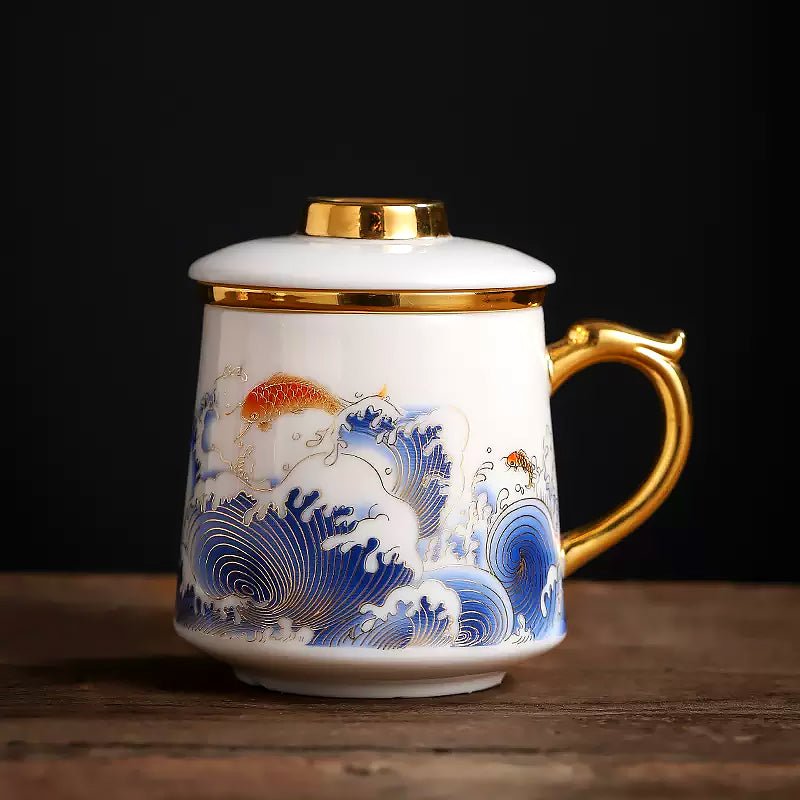
Coffee Mug Gift Idea Weekend Coffee Product Shortlist Guide: 3 Picks
A three-mug weekend coffee shortlist built around reading, porch, and brunch routines. Compare Mountain Sea, The Crane, and Golden Waves Kio with clear choose-or-skip reasons plus size, care, stora...
Read more
Unique Christmas Coffee Mugs: Compact Kitchen Purchase Checklist
Measure the cabinet opening, shelf depth, handle span, counter landing zone, and care space before choosing a festive mug. This checklist maps three CoffeifyMug options to small-kitchen and gifting...
Read more
Leave a comment
This site is protected by hCaptcha and the hCaptcha Privacy Policy and Terms of Service apply.