



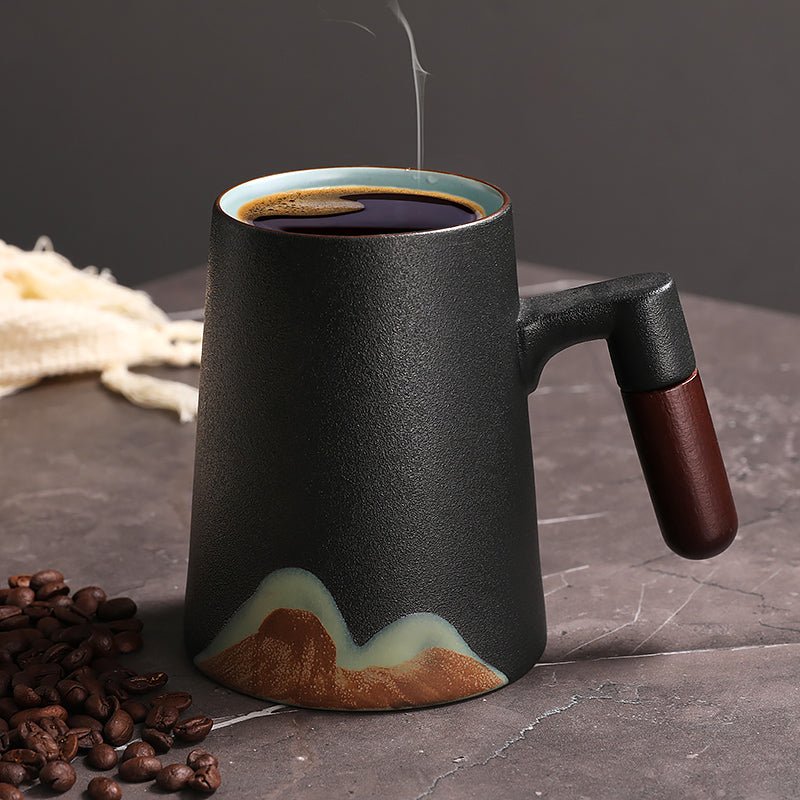
15 Oz Ceramic Coffee Mugs Everyday Mug Rotation Product Shortlist Guide
Reading time: about 13 minutes
Three mugs on our sample shelf all pass as large, and each one pours a noticeably different cup. Buyers arrive at this size for the same handful of reasons: a 12 oz drip brew they want to add milk to, a mug that has to sit on a desk until lunch, a gift for the person who never puts their cup down. Then the number on the box and the amount they can actually drink stop agreeing. So this 15 oz ceramic coffee mugs everyday mug rotation product shortlist guide is organized around usable pour, hand fit and washing, because a mug that gets filled twice a day has to earn its shelf space.
We list millilitres on our own mugs instead of rounding up to one impressive figure. The Flow is 400 ml (~13.5 fl oz). Morning and Night is 440 ml (~14.9 fl oz). The Rock is 480 ml (~16.2 fl oz). One of the three sits essentially at 15 fl oz. The other two are a real size decision, not a rounding error, and pretending otherwise only sends you back to the listings after the first pour.
What does 15 fl oz pour once there is room for cream or foam?
A US fluid ounce is 29.57 ml, which puts 15 fl oz at roughly 444 ml measured to the brim, full enough that the surface is about to break. Nobody drinks at that line. Leave the clearance that keeps coffee off your hand while you stir or walk the mug to the desk, and the usable pour drops fast. Shape decides how fast: a wide, shallow mug gives away more volume to the same centimetre of headroom than a tall, narrow one does.
- Brim-full, true 15 fl oz: about 444 ml. This is the figure that ends up in marketing copy.
- Black coffee, realistically: roughly 380–410 ml once headroom is left, since a centimetre of clearance on a wide mouth can be 30–60 ml of volume by itself.
- Coffee with a real pour of milk: nearer 350–370 ml of actual coffee once the dairy goes in.
- The comparison that settles most decisions: 12 fl oz is about 355 ml, so a full 12 oz brew in a 400 ml mug leaves roughly 45 ml of headroom, enough for a splash and not a latte. In a 440 ml mug it leaves about 85 ml.
That arithmetic matters more than people expect, because 12 oz is the usual top setting on single-serve brewers and the default size of most promo and travel mugs. If your brewer maxes out at 12 oz and you take milk, a 400 ml mug is comfortable on a smaller setting and tight on a full one. Our guide to how many ounces are in a mug of coffee goes further into the conversions if you are comparing against a mug you already own.
Our 15 oz ceramic coffee mugs everyday mug rotation product shortlist guide
Frequency of use is the variable buyers skip. Someone who refills twice before ten in the morning needs a different mug from someone who builds one slow latte on a Sunday and rinses it by hand. Read the table as three habits, not three products.
| Mug | Stated capacity | Choose it if | Skip it if |
|---|---|---|---|
| Morning and Night | 440 ml (~14.9 fl oz) | You want the closest match to 15 oz, and a 12 oz brew with creamer should still leave a gap below the rim | You build tall foam drinks and need a wide band of headroom |
| The Flow | 400 ml (~13.5 fl oz) | You brew tea in rounds, pour smaller coffees more often, or want a lighter carry across the kitchen | You genuinely drink 16 oz of black coffee in one sitting |
| The Rock | 480 ml (~16.2 fl oz) | You drink iced coffee where ice eats the volume, or you want one fill to last the whole morning | You have small hands, a tight shelf gap, or a low brewer spout |
Morning and Night, 440 ml (~14.9 fl oz): the closest thing to 15 oz
This is the mug for the shopper who typed 15 oz and meant it. At 440 ml it lands within a few millilitres of the target, so a 12 oz brew plus a normal pour of creamer still leaves a visible gap under the rim. That is the exact scenario most buyers are trying to describe when they say they want a large mug that does not overflow.
Pick it for a desk mug, for drip coffee with milk, and for a gift where you want the recipient to get the size they pictured. Skip it if you build tall foam drinks, or if you want a true 16 oz black coffee in one go with room to stir; at 440 ml something has to give.
Before you order, check the handle opening and the listed height rather than the photo. Capacity is the easy part; hand fit is where a return usually starts. See the Morning and Night 440 ml mug listing for the current measurements and care marks.
The Flow, 400 ml (~13.5 fl oz): the one that does not feel oversized
400 ml drinks like a generous standard mug rather than a bucket, and that is the point. If you brew tea in rounds, pour smaller coffees through the day, or simply never finish a 16 oz cup while it is still hot, the smaller capacity wastes less and is easier to move around a crowded counter.
Pick it for tea drinkers, for single-serve brews on a medium setting, and for anyone downsizing from a mug that always ends up half full and cold. Skip it if your daily brew is genuinely 16 oz and you drink it black, because you will be refilling before you sit down.
When shelf height is the constraint, capacity is only a starting clue — measure the listed height of The Flow at 400 ml against the gap above your shelf rather than assuming a smaller mug is a shorter one.
The Rock, 480 ml (~16.2 fl oz): buy it deliberately, not by accident
480 ml is above 15 oz, and we would rather say so plainly than let a rounded name imply otherwise. It earns the extra space for iced coffee, where ice takes a third or more of the volume, for cold brew in summer, and for the person who resents a second trip to the kitchen before lunch.
Pick it for long mornings and iced drinks. Skip it for small hands, for carrying a full mug up stairs, or for a cabinet with a tight shelf gap. A full mug at this size is heavy enough that the walk matters.
Fill The Rock at 480 ml with water once and carry it the route you actually walk. Five seconds of that tells you more than any capacity figure.
Where does a large mug fail in a real kitchen — handle, weight and shelf clearance?
Capacity is easy to compare on paper. The failures happen at the handle and the shelf, and they are why a brand-new mug gets pushed to the back of the cupboard by February.
- Weight when full. 440 ml of coffee weighs about 440 g before the mug itself contributes anything, which is closer to a pound than most people guess. If you carry it from counter to home office, test that route with water before you commit.
- Handle opening. A three-finger handle and a four-finger handle photograph almost identically. Measure the inside opening and the clearance between handle and body against your own knuckles; this is the single most common reason a large mug gets demoted.
- Vertical clearance. Measure the shelf gap, then separately measure the space under your brewer spout with the mug sitting on the drip tray. A 480 ml mug can fail a brewer test that a 400 ml mug passes with room to spare.
- Balance at full capacity. A wide mug that feels stable empty can feel tippy when filled if the handle sits low on the body. Check it full, not empty.
Do microwave safe, dishwasher safe and lead free mean the same thing on a ceramic mug?
Three labels get used as if they were grades of one thing. They are separate claims, and the regulatory backdrop explains why.
Under FDA CPG Sec. 545.450, the lead guideline for cups and mugs is 0.5 micrograms per millilitre of leaching solution, judged on any one of six units, with methods including ASTM C738 and AOAC 973.32 and 973.82. The FDA's own working example of a cup or mug is around 240 ml; there is no federal definition of a 15 oz mug. Cadmium runs in parallel under CPG Sec. 545.400, at 0.5 micrograms per millilitre for small hollowware under 1.1 litres. The FDA also states that ceramicware containing extractable lead should not carry a Lead Free label, and has reported imported pottery labelled Lead Free that still contained extractable lead. The California Department of Public Health adds the everyday layer: lead cannot be seen in glaze, acidic drinks like coffee and tea pull it out faster than water does, heating speeds the process, and repeated dishwasher cycles can wear a glaze and make later leaching more likely.
What that means for a mug you plan to use every single day:
- Ask whether the seller has finished-piece leach testing for the actual glaze and decoration, not just a supplier declaration.
- Treat metallic rims, gold trim and unglazed decorative bands as hand-wash items unless the listing explicitly says otherwise.
- Check the base. Decorative ceramicware that looks like drinkware must carry a permanent warning under 21 CFR 109.16, and a mug with no food-use claim is not a coffee mug.
- Plain white glazes are the low-risk default; CDPH notes that lead is rarely found in them.
For our own mugs, glaze details, decoration and care marks belong to the current product page rather than to this article, so read it before the first dishwasher cycle. A microwave-safe mark says nothing about lead or cadmium, and a dishwasher-safe body says nothing about a printed finish. Crazing — the fine web of cracks that can appear in a glaze over time — is another thing no consumer standard covers, which is why finish-specific care beats general ceramic advice.
How do you run a rotation without turning the cupboard into a pile-up?
Storage is the quiet constraint on any rotation of large mugs. Bigger footprints mean fewer per shelf, and stacked rims chip far more often than a single row does.
- Two mugs per person on the reachable shelf: one in use, one clean and waiting.
- One deeper row for oversized or seasonal mugs, kept out of the daily traffic path.
- One deliberately unclaimed guest mug, so nobody digs through the good set when someone arrives.
Before you buy a fourth mug, put a tape measure on the shelf gap and on the mug's widest point including the handle. If those numbers are tight, a wide low mug stores better than a tall one. Comparing silhouettes side by side in our unique coffee mugs collection is easier than judging from a single thumbnail.
When is a 15 oz ceramic mug the wrong purchase?
A thick-walled ceramic mug feels substantial in the hand, but ceramic is not insulated drinkware and should not be bought as a flask. If the goal is coffee that stays hot for two hours, a vacuum tumbler does that job and a mug does not. We have no lab heat-retention comparison to offer for this size, and we will not invent one.
Skip the large size if any of these sound like you:
- You drink espresso or cortados, where a wide 15 oz mug cools the shot fast.
- You carry a full mug up and down stairs every morning.
- You have limited grip strength or arthritic hands.
- Your cupboard gap is tight or your brewer spout sits low.
- You want exactly 15 fl oz of black coffee in one pour, which needs a mug nearer 480 ml than 444 ml.
Sizing down is also the safer gift. If you do not know whether the recipient drinks 12 oz or 20 oz, a 15 oz mug is a guess. Our comparison of ceramic and porcelain mugs by capacity and daily fit is a faster read than a size chart when you are buying for someone else.
What should you measure before adding another mug to the rotation?
Five checks, then buy:
- Exact capacity in millilitres as well as ounces. Convert before comparing: 400 ml is 13.5 fl oz, 440 ml is 14.9 fl oz, 480 ml is 16.2 fl oz.
- Height and diameter, including the handle. Height governs brewer clearance; the widest point governs shelf footprint.
- A handle opening you can get three or four fingers through. Check it against your own hand, not a photo.
- Care marks and decoration. Metallic trim and printed finishes need a closer read than the body does.
- Any published leach testing. If the listing is silent, ask before you buy a mug you will use daily.
Then pick by habit rather than by label. For a 12 oz brew with creamer at a desk, start with the 440 ml Morning and Night mug. For tea in rounds or coffees you actually finish, the 400 ml Flow mug is the lighter-handed choice. For iced coffee or one fill that lasts all morning, go to The Rock at 480 ml knowing it is the biggest of the three. The rest of the range, including the smaller and seasonal shapes, sits in the same ceramic mug collection if you want to compare footprints first.
Frequently asked questions
Which mugs made the cut in this 15 oz ceramic coffee mugs everyday mug rotation product shortlist guide?
Three, and the order depends on your habit. Morning and Night at 440 ml (~14.9 fl oz) is the closest match to a 15 oz target and covers a 12 oz brew plus creamer. The Flow at 400 ml (~13.5 fl oz) suits smaller, more frequent pours. The Rock at 480 ml (~16.2 fl oz) is the pick for iced drinks or one long fill.
How much coffee actually fits in a 15 oz mug once cream and sugar go in?
Plan on roughly 380–410 ml of drinkable liquid after headroom for stirring, and closer to 350–370 ml if you add a generous pour of milk or a foam cap. A true 15 fl oz pour of black coffee needs a mug nearer 480 ml, not 444 ml, because the brim number is not a drinking number.
Why do you list millilitres instead of calling a mug 15 oz?
Because rounding would mislead you. Our closest size is Morning and Night at 440 ml (~14.9 fl oz); The Flow is 400 ml (~13.5 fl oz) and The Rock is 480 ml (~16.2 fl oz). Publishing millilitres lets you line mugs up against your brewer setting and your old mug without converting in your head.
Will a large ceramic mug fit under a single-serve brewer?
Measure the distance from the drip tray to the brew spout, then compare it with the mug's listed height, not its capacity. Wide, low mugs clear brewers more reliably than tall ones. This is the check we suggest before ordering the 480 ml size, since it is the largest in this range.
Are 15 oz ceramic mugs microwave and dishwasher safe?
It depends on the glaze and any decoration rather than on the word ceramic. Metallic trim, reactive glazes and many printed finishes are hand-wash only. Check the care marks on the specific product page, and remember that a microwave-safe mark says nothing about lead or cadmium leaching.
Ready to pick your mug? Two ways to save on today's order:
Ordering 1–3 mugs? Get an extra 10% off your 1st order with code 10_OFF Apply 10% Off & Shop Wooden-Handle Mugs →
Gifting 4+ mugs? Buy 3, Get the 4th Free applies automatically at checkout (no code needed; offers do not stack) · Free standard shipping (Nov pre-Christmas delivery: 15–20 calendar days US) · Free replacement if chipped in transit.
Popular mug buying guides: Ceramic Tea Cups & Infuser Mugs · Ceramic Mugs with Lids Compared · Wooden-Handle Tea Infuser Mugs Compared · Christmas & Secret Santa Mugs 2026 · Espresso & Cortado Cups Guide · Cup & Saucer Gift Sets · All 25 Mugs Spec Table · Mug Size Guide · Shipping & Promo FAQ
FIRST ORDER 10% OFF (CODE: 10_OFF) · OR BUY 3, GET THE 4TH FREE


Read more
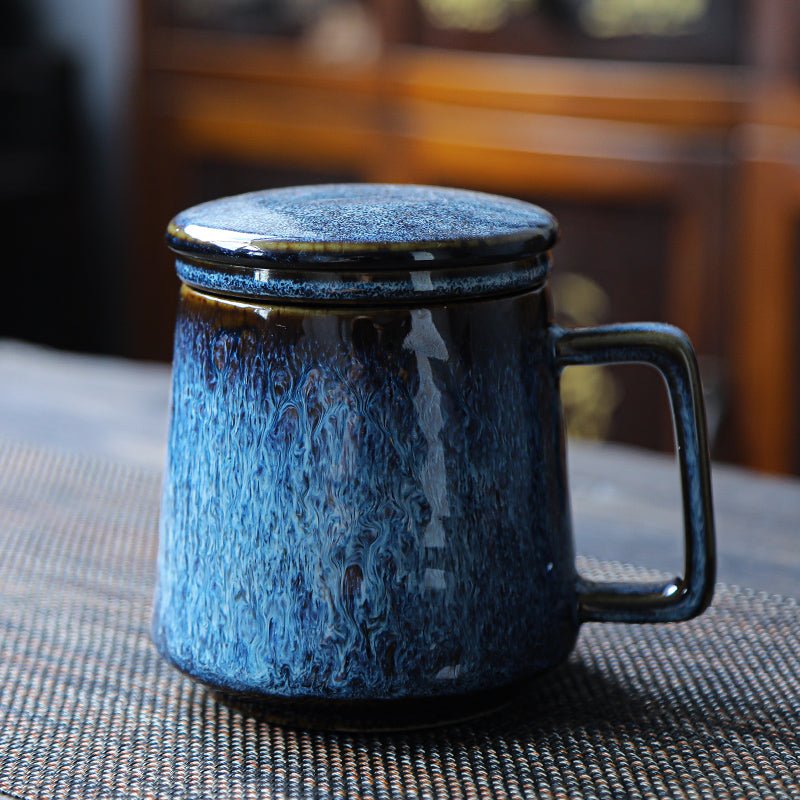
Large Round Coffee Mugs Everyday Mug Rotation Product Shortlist Guide
A short, scenario-based shortlist of three large round coffee mugs at 400, 440 and 480 ml — with the fill-line math, fit checks and glaze questions that decide which one actually earns a daily slot.
Read more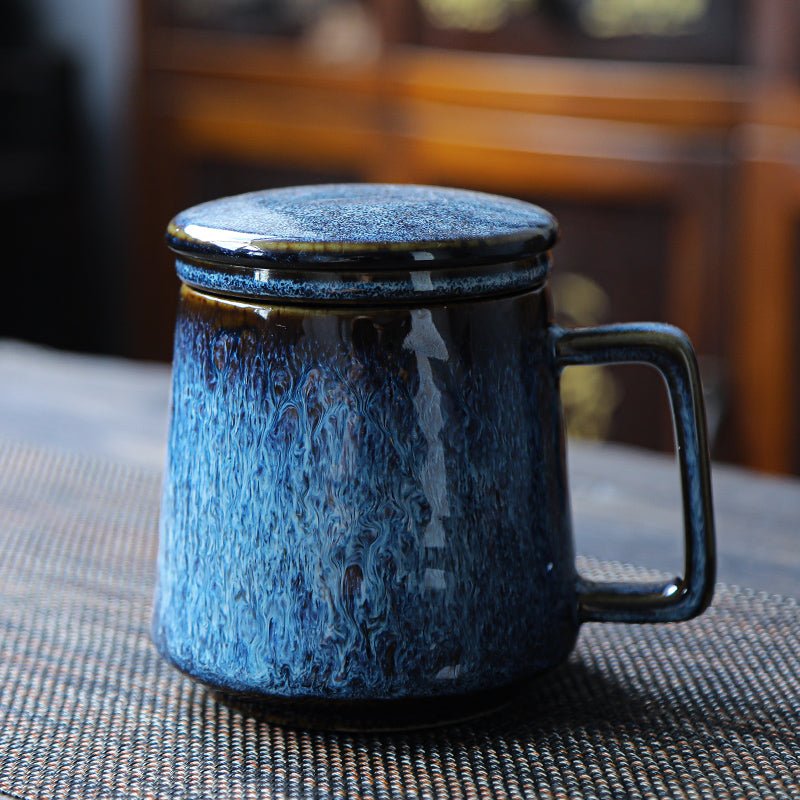
Large Round Coffee Mug Gift: 5 Details Buyers Should Compare
A large round coffee mug gift succeeds or fails on five things: usable fill versus brim capacity, how the curved silhouette holds heat, handle clearance under load, glaze and appliance labeling, an...
Read more
Leave a comment
This site is protected by hCaptcha and the hCaptcha Privacy Policy and Terms of Service apply.