
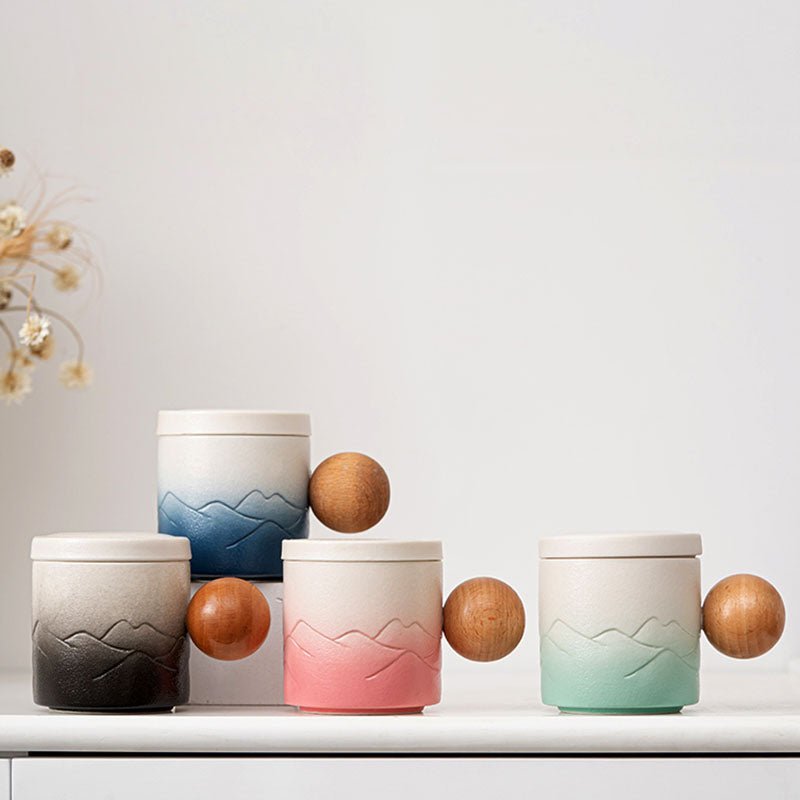
Tea Ceramic Cup Buying Guide for Daily Brewing and Easy Care
Reading time: about 9 minutes
A tea ceramic cup that wobbles on a kitchen counter or feels too hot at the rim after one pour gets set aside fast. We see that pattern in our store all the time: shoppers want something that makes daily tea easier, not another cup that looks good in a product photo and becomes annoying by the third wash.
If you already know you want a ceramic piece with a little more character, start with our Pleated Coffee Tea Cup. To compare the full range, including different shapes and finishes, browse our all products collection. The best tea ceramic cup depends on how you drink: quick breakfast pours, long desk sessions, loose-leaf refills, or a cup you hand to guests without explaining anything about it.
What should a tea ceramic cup do during daily use?
A good tea ceramic cup should disappear into the routine. It should sit flat, feel comfortable in the hand, and hold tea at a drinkable temperature without forcing you to chase every sip with two hands. In practical terms, that means the cup should be stable on smooth counters, the rim should not feel sharp, and the glaze should rinse clean after tannin-heavy tea like black tea, pu-erh, or oolong.
We look for a few basics before recommending a cup for everyday use:
- A flat base that does not rock on tile, quartz, or a desk mat.
- A smooth rim with no gritty edge where the glaze ends.
- A finish that wipes down cleanly after stains from strong tea.
- Wall thickness that feels balanced, not fragile and not brick-heavy.
The trade-off is simple. A thicker ceramic cup often feels sturdier and keeps warmth a bit longer, but it can also feel bulky for smaller hands. A thinner cup feels lighter and more refined, but it may cool faster and is easier to chip if it gets knocked around in a sink full of dishes. For shoppers who want a deeper walkthrough of those trade-offs, our Tea Ceramic Cup Buying Guide: Size, Finish, and Daily Use covers the basics in more detail.
Which shape works best for the way you drink tea?
Shape matters more than most buyers expect. A wider cup cools tea faster and lets aroma open up sooner. A taller cup holds heat a little longer and usually feels more mug-like on a desk. Handle-less cups are calm and compact, but they are not the best match for someone who wants to sip slowly over a long work call.
If we are helping someone choose in the store, we usually break it down like this:
- Wide and open: Best for tea drinkers who want aroma and faster cooling.
- Taller and narrower: Better if you sip slowly and want the tea to stay warmer longer.
- Textured or pleated: Good for grip and a more tactile feel in the hand.
- Mug-style ceramic: Better for desks, casual brewing, and people who use one vessel for tea and coffee.
That is why some shoppers end up preferring a mug shape even when they came in asking for a cup. For a broader comparison of size, shape, and finish, our Ceramic Mugs for Tea: How to Choose the Right Size, Shape, and Finish is a useful companion read, and Tea Mugs Ceramic: How to Choose the Right Cup for Daily Tea goes deeper into daily-use choices.
If you are buying for a kitchen cabinet, an office desk, or a gift box, shape should match the use case first and the photo second. A sculptural cup can be a lovely gift. It is not always the easiest cup to stack, rinse, or grab before a meeting.
Which of our ceramic cups fits a practical buyer?
Our tea-friendly ceramic pieces are chosen because they solve real use problems, not because they all look identical. We handle enough of these to know the difference between a cup that photographs well and one that actually earns a place near the kettle.
| Product | Best for | What stands out | What it is not ideal for |
|---|---|---|---|
| Pleated Coffee Tea Cup | Buyers who want a more tactile cup with a visible design cue | Its pleated profile gives it a more structured look and a better grip feel | Minimalist shoppers who want a plain, low-profile cup |
| The Flow Coffee Tea Mug | Everyday tea drinkers who want a smooth, simple mug shape | Clean lines make it easy to use on a desk, in the kitchen, or at a breakfast table | Anyone specifically looking for a decorative or highly textured surface |
| Mountain Sea Coffee Tea Mug | Gift buyers and shoppers who want a cup with more visual character | The name and presentation lean toward a more atmospheric, display-friendly style | Shoppers who want the least visually expressive option available |
If you are choosing between these, think about where the cup will live. A kitchen shelf, a home office desk, and a gift box all ask for slightly different things. The cup that works best for a ceramic tea ritual at home may not be the one you would hand to a coworker at an office exchange.
In our experience, the cups that stay in use are the ones that feel easy on day one and still feel easy after dishwashing, drying, and stacking with the rest of the cabinet.
That is also why we do not push one style as the answer for everyone. A cup with more surface texture can feel more secure in the hand, but if you are sensitive to visual clutter, a smoother mug may be the better daily pick. If you want to compare the broader set alongside these three, keep the collection open while you decide.
What should you inspect before you add one to cart?
We tell buyers to check the same handful of details every time, because those details decide whether the cup feels premium or annoying after a week of use.
- Rim finish: Run your eye around the drinking edge. A good cup should not show rough glaze break or tiny chips.
- Base ring: A flat, even base helps prevent wobble and reduces the chance of scraping on counters.
- Glaze consistency: Look for even coverage. Uneven glaze pooling, pinholes, and rough patches are the common red flags.
- Weight balance: The cup should feel steady when full, not top-heavy or awkwardly narrow at the base.
- Care fit: Decide now whether you want a cup you can rinse quickly or one you are happy to wash by hand.
Those are small things, but they matter. A tiny wobble is easy to ignore in a listing and hard to ignore on a busy kitchen counter. A slightly rough rim may not bother everyone, but if you use tea multiple times a day, you will notice it. For buyers who want a straightforward framework before clicking through product pages, the article Big Tea Cup Buying Guide: How to Choose the Right One is useful when you are comparing capacity and comfort together.
We also think it helps to be honest about what a tea ceramic cup is not best for. It is not the first choice for travel. It is not ideal if you need extreme heat retention for a very long sip window. And if you are the kind of tea drinker who leaves a cup half full beside the laptop for an hour, a lid or insulated vessel may serve you better.
How should you care for a tea ceramic cup so it lasts?
Ceramic is durable in normal kitchen use, but it still benefits from basic care. The biggest risk is not everyday washing. It is thermal shock and careless handling. A hot cup straight from a tea session under cold running water can be stressed more than people expect, especially if the ceramic is thinner or already has a hidden hairline crack.
Our practical care routine is simple:
- Rinse soon after use so tea stains do not sit overnight.
- Use a soft sponge rather than an abrasive pad on the glaze.
- Dry the rim and base ring before stacking to avoid trapped moisture.
- Avoid sudden temperature changes from boiling tea to ice-cold rinse water.
- If a cup has a textured exterior, check the grooves once in a while so residue does not build up.
Dishwasher use depends on the specific cup and finish. A smooth, fully glazed ceramic mug is usually easier to automate than a textured or highly decorative one, but hand washing still gives you the best control if you want the finish to stay crisp. If you want another practical reference while deciding, our Ceramic Mugs for Tea: What to Buy for Daily Brewing is a useful side-by-side guide.
One more detail we watch for in our store: the foot ring. If the bottom edge is rough, it can drag on a wooden tray or leave marks on delicate surfaces. That does not make a cup unusable, but it is exactly the kind of thing buyers only notice after the box is open. A careful look before checkout saves the return cycle later.
Frequently asked questions
Is a tea ceramic cup better than a glass cup?
It depends on what you want to notice while you drink. Ceramic usually hides tea color, holds warmth a bit better in normal use, and feels less delicate in the hand. Glass is better if you want to watch the brew color develop, but it can show stains and fingerprints more easily.
Can I use a tea ceramic cup for coffee too?
Yes. Many buyers use one ceramic cup for both tea and coffee, especially if the shape is comfortable and the finish rinses clean. If you switch between strong tea and coffee, choose a glaze that resists staining and a cup size that fits your usual pour.
What size tea ceramic cup is best for loose-leaf tea?
For most daily loose-leaf brewing, a medium cup that is not overly tall works well because it gives the tea room to open up without cooling too quickly. If you like multiple infusions or small servings, a slightly smaller cup can be more practical. If you routinely pour large mugs, a bigger shape will be easier to live with.
How do I know if the glaze on a tea ceramic cup is good?
Look for even coverage, a smooth drinking rim, and no rough pinholes or cloudy patches that feel accidental. A good glaze should feel finished, not gritty. If the cup has texture, the texture should look intentional and consistent rather than uneven.
Should I hand wash my tea ceramic cup?
Hand washing is the safest default, especially for textured, decorative, or heavily used cups. It gives you more control over the rim and the base ring, and it avoids banging the cup against other dishes. If the product page says dishwasher safe, that may be fine, but hand washing usually keeps the finish looking better for longer.
If you are still deciding, compare your three essentials: how it feels in the hand, how stable it sits on the counter, and how easy it will be to clean after real use. Then start with the full collection and choose the tea ceramic cup that matches your routine, not just your shelf.
Read more
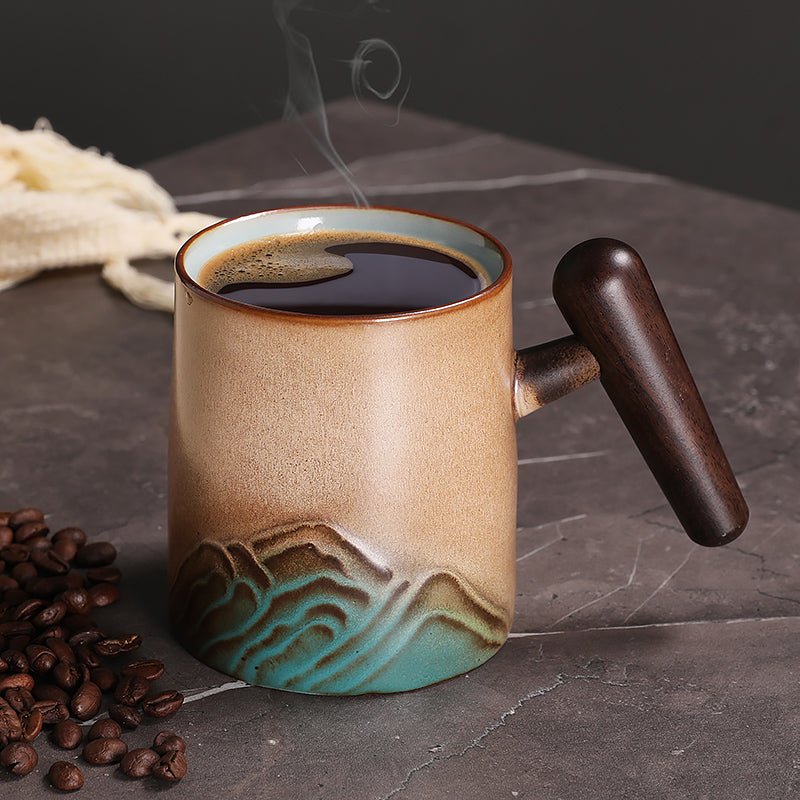
Red Coffee Mug Buying Guide: Best Shapes, Finishes, and Fits
Compare red coffee mug shapes, finishes, and sizes before you buy. We break down what feels good in hand, what cleans up easily, and which of our mugs suits daily coffee versus gifting.
Подробнее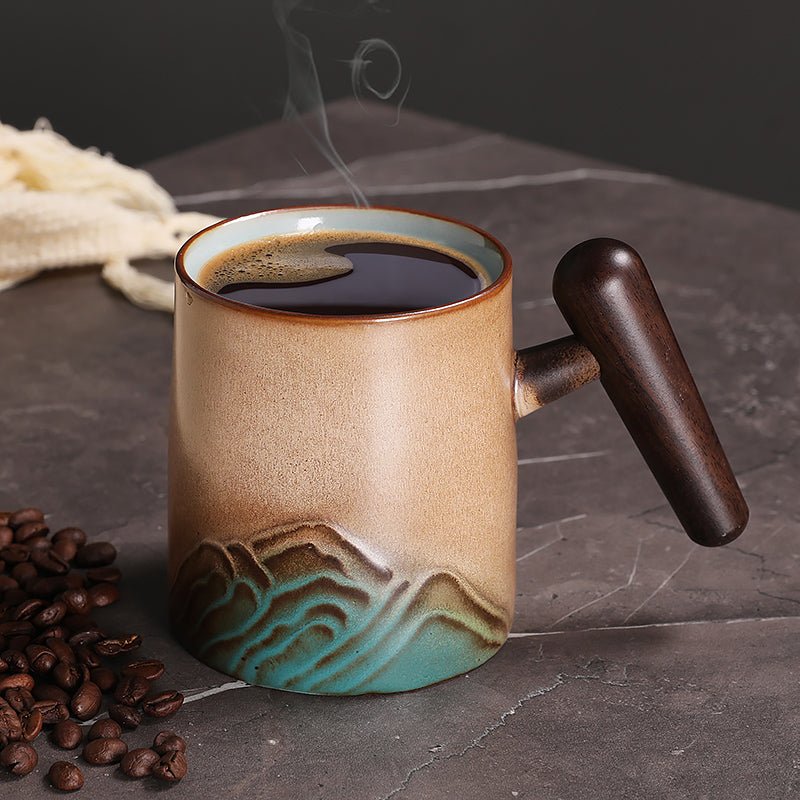
Mens Coffee Mugs: Size, Style, and Practical Buying Guide
Mens coffee mugs are a fit decision, not just a style choice. This guide compares size, material, handle feel, and gift-ready designs so you can pick a mug that gets used every day.
Подробнее
Оставить комментарий
Этот веб-сайт защищается hCaptcha. Применяются Политика конфиденциальности и Условия использования hCaptcha.