
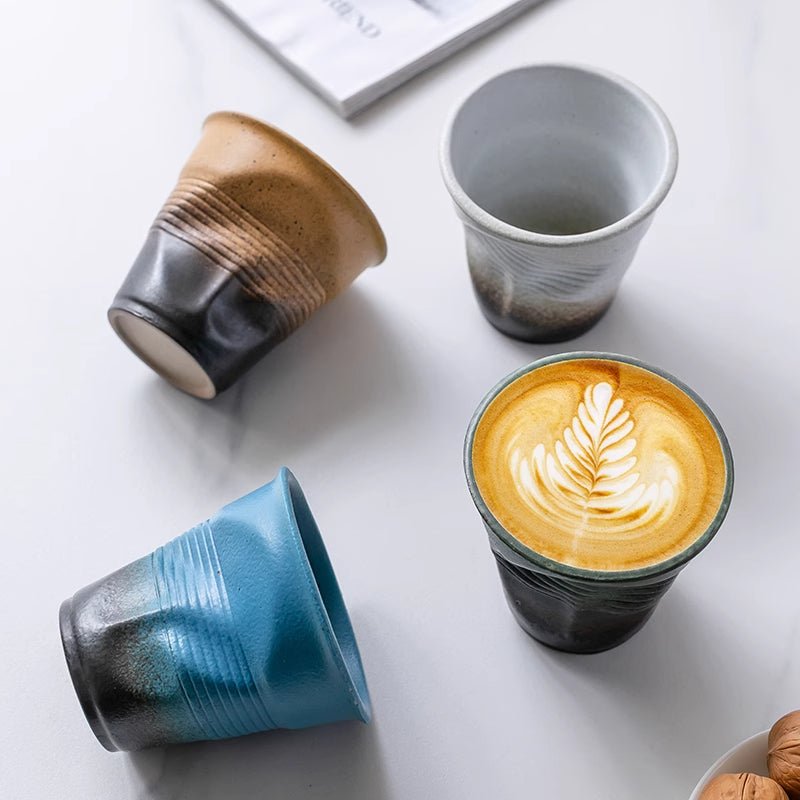
Tea Ceramic Cup Buying Guide: Size, Finish, and Daily Use
Reading time: about 9 minutes
What should a tea ceramic cup feel like in daily use?
A tea ceramic cup usually gets judged in the first 10 seconds. It sits on a kitchen counter, gets picked up with one hand, and tells you fast whether the rim feels comfortable or the handle digs in. In our store, we see the same pattern again and again: buyers want a cup that works for weekday tea, not just a pretty photo.
If you are comparing options, start with our products page and the full collection. That is the quickest way to see which shapes, finishes, and capacities actually fit your routine before you narrow into the details.
The best tea ceramic cup does a few practical things well:
- Feels balanced when full, so it does not tip or feel top-heavy.
- Has a rim that feels smooth on the lip, especially for hot black tea or green tea.
- Uses a glaze that looks clean after repeated washing, not one that shows every stain from tea tannins.
- Has a handle or body shape that stays comfortable after a few minutes in hand.
That sounds simple, but small design choices matter. A wider cup cools faster on an office desk. A very thick-walled cup can hold heat well, but it can also make the piece feel heavy before you even pour. A narrow opening can help concentrate aroma, while a very open bowl is better if you like tea that cools quickly.
If you want a broader comparison of everyday cup shapes, our Tea Mug Buying Guide: How to Choose the Right Cup for Daily Tea covers the same buying decision from a slightly different angle.
Which size works best for your tea habit?
Size is where a lot of buyers overthink the wrong thing. A tea ceramic cup does not need to be oversized to feel useful. The right capacity depends on how you drink: a single mug on a desk, a pair of refills during work, or a slower tea session at home.
| Capacity | Best for | Main trade-off |
|---|---|---|
| 6 to 8 oz | Loose leaf tea, delicate teas, small tea bag brews | Cools faster and needs refilling more often |
| 10 to 12 oz | Most daily tea drinkers, office use, balanced hand feel | Can feel a little large for a very small tea session |
| 14 oz and above | Long desk sessions, herbal teas, people who want one larger pour | Heavier when full and less elegant for fine tea service |
For many shoppers, 10 to 12 oz is the sweet spot. It gives enough room for tea leaves to open, still feels manageable on a desk, and is easier to wash than a very deep cup. Bigger is not always better. A large cup can be the wrong choice if you like small, concentrated pours or if you want tea that stays hot long enough to finish at a relaxed pace.
We cover that decision in more detail in our Large Tea Cup Buying Guide: What to Check Before You Buy and our Big Tea Cup Buying Guide: Size, Material, and Daily Use if you are comparing larger capacities specifically.
One practical rule from our own handling and packing work: if you mainly drink tea at a desk, choose the size you can lift comfortably when it is full, not the size you think looks best empty.
What ceramic details should you check before buying?
This is the part that separates a nice-looking tea ceramic cup from one you will still use six months later. We check these details before we list anything because they affect how the cup feels, cleans, and ages.
- Material type: Porcelain usually feels lighter and thinner at the rim. Stoneware often feels more substantial and can hold heat a bit longer by feel. Earthenware can look warm and handmade, but the glaze quality matters more because the body is typically less dense.
- Rim finish: A smooth, even rim matters if you drink tea straight from the cup. Small chips or rough glaze lines are the first thing people notice after unboxing.
- Foot ring: The base should sit flat. A slightly uneven foot ring can make the cup wobble on a hard table or leave a ring that feels unstable on a desk.
- Handle join: If the cup has a handle, the join should look clean and solid. Weak-looking joins are a common point of concern on lower-quality ceramic pieces.
- Glaze consistency: Watch for pinholes, crawling, or patches that look thin. Those are not just cosmetic if you care about a cup that still looks fresh after repeated washing.
There is also a difference between a handmade look and a flawed finish. A slightly varied glaze can be part of the appeal. Cracks in the glaze that spread over time, often called crazing, are a different issue. If the piece is meant for daily use, the finish should feel intentional, not fragile.
For shoppers who compare cups and mugs side by side, our Coffee Cup Mug Ceramic: What Buyers Should Check Before They Buy is useful because the same quality checks apply across a lot of ceramic drinkware.
Which tea styles suit ceramic cups best?
A tea ceramic cup is a strong everyday choice for most hot teas, but the best match depends on how the tea behaves in the cup. Some teas benefit from a smaller, warmer vessel. Others do better in a larger shape with more room to cool.
In our experience, these pairings work well:
- Black tea: A medium cup works well because it keeps enough heat without overpowering the tea. A smooth rim helps here.
- Green tea: A smaller cup often makes more sense because many green teas are best enjoyed in shorter pours. A very large mug can make the tea feel flat before the second sip.
- Herbal tea: A larger cup can be practical, especially if you want a longer drink and do not mind waiting a little longer for the temperature to settle.
- Milk tea or chai: A sturdier stoneware-style cup is often more comfortable because it feels solid in the hand and tends to suit richer drinks.
If you are choosing between a mug and a more traditional tea cup shape, our Mug and Tea: How to Choose the Right Cup for Everyday Use explains the practical difference without the fluff.
A ceramic cup is not the best pick if you need travel insulation or if you want a drink to stay hot for a very long time without refilling. If that is your use case, a travel tumbler or insulated cup is the better buy. Ceramic wins on comfort, taste neutrality, and everyday presentation. It loses on portability and long heat retention.
How do you keep a ceramic cup looking clean and sound?
Good care is straightforward, but a few habits make a real difference. The goal is to keep the glaze looking clean, avoid hairline cracks from thermal shock, and stop stains from setting into the surface.
- Rinse the cup soon after use, especially after dark tea or strong herbal blends.
- Use a soft sponge for regular washing. Abrasive pads can dull the glaze over time.
- If the cup is dishwasher-safe, place it where it will not knock into metal items during the cycle.
- Avoid moving it from very cold to very hot water too quickly. Sudden temperature swings are rough on ceramic.
- Let the cup dry fully before stacking it with other pieces, especially if the glaze or foot ring is textured.
We also advise checking the finish after unboxing. Tiny defects are easier to spot before a cup goes into regular rotation. A faint pinhole or rough patch may not affect use, but it should be your decision, not a surprise later. The same goes for the underside. If the base feels gritty, it can scratch a table surface.
One limitation worth saying plainly: a ceramic cup is not a good fit for rough carry use. It belongs on a kitchen counter, a desk, or a calm tea setup. If you want something for bags, commutes, or uneven surfaces, choose a different category.
Frequently asked questions
Is a tea ceramic cup better than a glass cup for daily tea?
For most buyers, yes. Ceramic feels warmer in the hand, hides tannin stains better, and usually gives a more comfortable lip than thin glass. Glass is better if you want to see the color of the tea or compare brewing strength, but ceramic is usually the easier everyday choice.
Can I put a tea ceramic cup in the dishwasher?
Many can go in the dishwasher, but the finish matters. Printed decals, metallic accents, or very delicate glazes may wear faster with repeated cycles. If you want the cup to keep its surface looking clean for longer, handwashing is still the safer option for decorative pieces.
What size tea ceramic cup should I buy for office use?
Most office buyers are happiest with 10 to 12 oz. It is large enough for a real refill, but not so large that the tea sits and cools forever while you answer email. If you drink very strong tea in small pours, a smaller cup can still be the better fit.
What defects should I look for before I buy?
Check the rim, handle join, foot ring, and glaze surface. Chips, wobble, pinholes, rough seams, and obvious crazing are the main things to watch. A handmade look is fine; a flawed finish that affects comfort or durability is not.
Is a ceramic cup good for very hot tea?
Yes, as long as the cup is comfortable to hold and you let the tea settle briefly after pouring. Stoneware and thicker bodies tend to feel more reassuring with very hot drinks, but they also add weight. If you prefer to sip immediately, a thinner porcelain cup may feel better.
What should you check before you buy one?
Before you choose a tea ceramic cup, compare the pieces against the way you actually drink tea. A good buying decision is usually about comfort, capacity, and finish, not just style.
- Pick the capacity you will lift easily when full.
- Check whether you prefer porcelain, stoneware, or a more rustic ceramic body.
- Look closely at the rim, handle, and base for signs of careful finishing.
- Decide whether you want a simple daily cup or something better suited to a specific tea style.
- Be honest about where it will live: kitchen counter, work desk, or shelf, not a travel bag.
If you want to compare options side by side, start with our collection and then narrow down to the current products that match your preferred size and finish. That is the fastest way to find a tea ceramic cup that fits real daily use instead of just looking right in the listing photo.
Related from our store
Read more
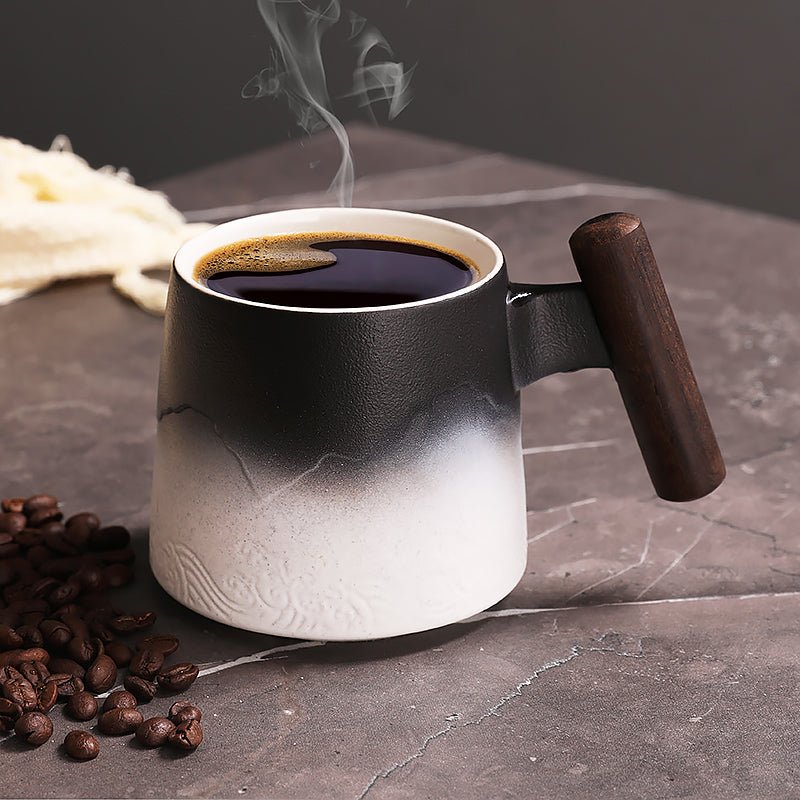
Coffee Mug Wide: What to Check Before You Buy
A wide coffee mug changes how your drink feels in hand, how fast it cools, and whether it fits your routine. Here’s what to check before buying, plus where a wider mug helps and where it doesn’t.
Read more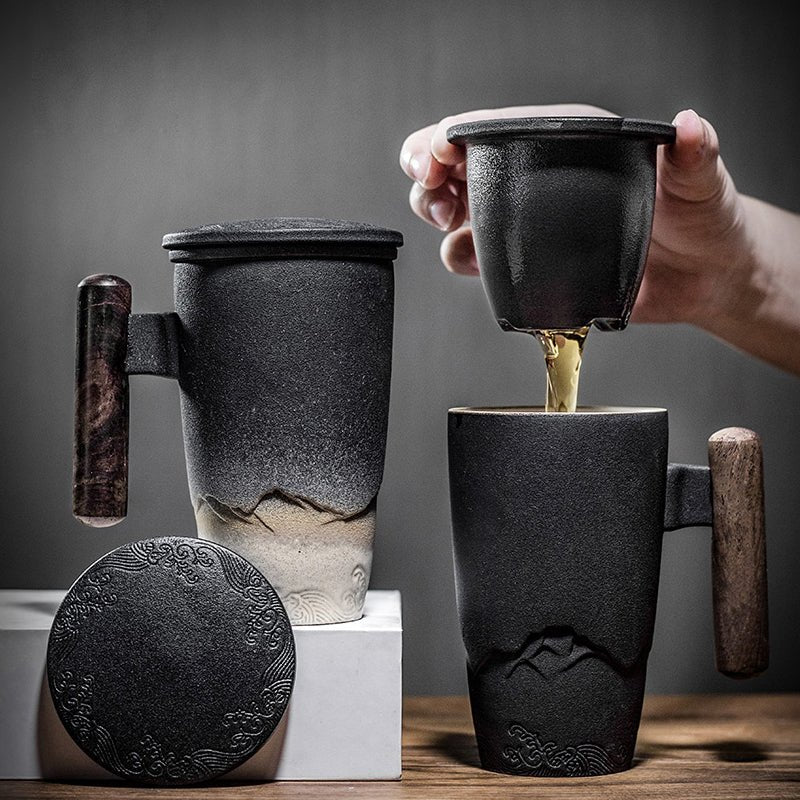
Luxury Coffee Mugs: What to Look For Before You Buy
Luxury coffee mugs should feel balanced in the hand, pour cleanly, and hold up through regular use on a kitchen counter or office desk. We break down the materials, sizes, and finish details that s...
Read more
Leave a comment
This site is protected by hCaptcha and the hCaptcha Privacy Policy and Terms of Service apply.