
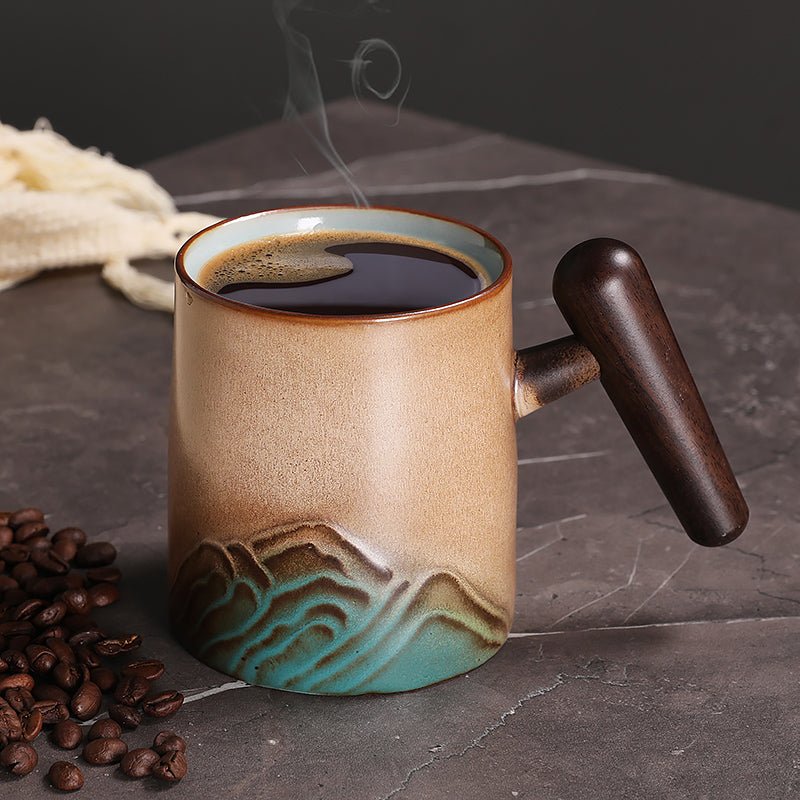
Mens Coffee Mugs: Size, Style, and Practical Buying Guide
Reading time: about 9 minutes
At our store, we see the same pattern over and over: the mug that looks best online is not always the mug that gets used every morning. The winners are usually the ones with a handle that clears two fingers, a size that fits the way the drink is poured, and a shape that does not feel awkward beside a keyboard or under a cabinet. If you want a quick starting point, browse our all mugs collection and compare a style-forward option like the Koi Fish Coffee Tea Mug before you narrow down the rest of your shortlist.
What size mens coffee mugs actually work for daily coffee?
Size is the first decision that matters because it changes the entire routine. A mug that is too small forces a second pour. A mug that is too large can feel bulky, take up more desk space, and make the coffee cool down before you finish it. For mens coffee mugs, we usually think in terms of how the mug will live on the counter, at the office, and in the hand, not just what the label says.
| Size | Best for | Trade-off |
|---|---|---|
| 12 oz | Standard drip coffee, shorter pours, tighter kitchen cabinets | Less room for milk, foam, or a refill-free long session |
| 14 oz | Everyday balance for coffee, tea, and desk use | Not as compact as a 12 oz mug |
| 16 oz | Large coffee, travel-from-desk routines, people who top off often | Can feel heavy and bulky if you prefer a lighter mug |
If you want a deeper size comparison, we break it down in Mens Coffee Mugs: How to Choose the Right Size, Material, and Shape, plus the more specific guides for 12 oz Coffee Mugs: How to Choose the Right Mug for Daily Use and 16 oz Coffee Mugs: How to Choose the Right Mug for Daily Use.
- 12 oz works well if you drink a straightforward cup and want less mug bulk in the hand.
- 14 oz is the middle ground we reach for most often in daily use because it leaves room for milk without becoming oversized.
- 16 oz makes sense for long work sessions, larger pours, and people who do not want to keep refilling.
- If you use a drip machine, check the cup clearance under the spout and make sure the mug does not force a tilted fill.
A practical rule from the selling side: the right mug is the one that matches the way you actually pour coffee, not the one with the biggest capacity. If you mostly drink one cup at a time, a huge mug can be more hassle than benefit. If you want a second cup without standing up again, the bigger size starts making sense quickly.
Which materials and finishes are easiest to live with?
For this category, ceramic is the safest everyday expectation, and stoneware is the heavier-feeling cousin that many buyers like for its solid hand feel. Both can work well for home kitchens and office desks, but the details matter. A smooth glaze cleans more easily, a stable base sits better on a desk, and a comfortable handle reduces the odds that the mug gets passed over in favor of the old one in the cabinet.
In our experience, the small issues are what make a mug feel cheap. A slightly uneven foot ring can rock on a table. A handle that is too narrow can make the mug feel slippery. A rough rim can make the first sip less pleasant than it should be. These are the things we pay attention to when we inspect mugs, because they decide whether a piece looks good only in photos or works well in real life.
What defects should you check for when the mug arrives?
- Chipped rim: Even a small chip near the drinking edge changes the feel immediately.
- Wobbly base: A mug should sit flat on a kitchen counter or office desk without rocking.
- Handle fit: Two fingers through the handle is the most useful quick test for daily comfort.
- Glaze pinholes or rough spots: These can collect residue or feel gritty after repeated washing.
- Uneven finish around the foot: This is easy to miss online and easy to notice once the mug is on a desk.
Care matters too. If a product page confirms dishwasher use, that is a real convenience for daily buyers, especially for mugs that live in the break room or beside the sink at home. If the listing does not confirm it, we recommend treating the mug as hand-wash first. That is the safer route for preserving printed artwork, crisp edges, and the finish over repeated cycles.
One limitation to keep in mind: ceramic and stoneware are not the best match for people who want an ultralight mug or something they can toss in a bag and carry all day. If the buyer needs commuting convenience, a travel mug is the better category. Mens coffee mugs are stronger on desk use, breakfast tables, and slow-sipping routines.
Which designs make better men's gifts?
A good gift mug should feel personal without being so specific that it misses the mark. That is where design matters. We see a lot of buyers choosing style-based mugs for birthdays, Father’s Day, work wins, and small thank-you gifts because the mug can carry personality without requiring the recipient to pick the design themselves.
If you want a more distinctive gift than a plain solid mug, these three are easy to compare:
- Koi Fish Coffee Tea Mug for someone who likes bold artwork and a little movement in the pattern. It is a stronger visual choice, so it is not the best pick for a buyer who wants zero decoration.
- The Crane Coffee Tea Mug for a cleaner, quieter look that still feels intentional. This is a good middle ground if the recipient likes art but does not want a novelty mug.
- Landscape Coffee Tea Mug for someone who prefers a scenic, grounded feel. It works well as a desk mug because it looks considered without being loud.
For a gift, the mug should also fit the setting where it will be used. On a home desk, a more artistic mug can feel personal and upgraded. In a shared office kitchen, a mug with a clear, attractive design is easier to keep track of. At the same time, a very stylized mug is not ideal for someone who wants plain white ceramic and nothing else. That trade-off is real, and it is better to acknowledge it before checkout than after the gift is opened.
If the recipient tends to use mugs for tea as well as coffee, a medium-size shape usually works better than a very tall one. It is easier to hold, easier to clean, and less likely to feel like an oversized bowl by the time the last sip is gone.
How do you tell if a mug will feel good in your hand?
Capacity is only part of the story. A mug can be the right size on paper and still feel wrong if the handle is awkward, the body is too wide, or the lip feels thick. We look at the same practical details buyers notice after the first week of use, because that is when the decision proves itself.
- Handle clearance: You want enough space for two fingers without scraping the mug body.
- Grip shape: A rounded handle is easier on the hand than one with sharp inner corners.
- Weight balance: A mug should feel steady when full, not top-heavy.
- Rim feel: A smooth, even drinking edge matters more than most shoppers expect.
- Cabinet fit: A mug that is too tall can be annoying if it will not clear the shelf above the coffee station.
There is another real-world point that does not show up in a product photo: a mug needs to work in the spaces people actually use. That means kitchen counters, office desks, break rooms, and the narrow gap under a cabinet door. A mug that is beautiful but inconvenient tends to sit unused, while a mug with a sensible shape gets reached for every day.
This is why we recommend comparing mugs by use case rather than by design alone. If you want an everyday desk mug, stability and handle comfort matter more than a decorative silhouette. If you are choosing a gift, artwork matters more, but the handle still has to feel right or the mug ends up in the back of the cupboard.
Should you buy one mug or start with the full collection?
If you already know the size and style you want, buying one mug is the cleanest choice. If you are still deciding between a practical daily mug and a more expressive gift piece, start with the full range and compare the options side by side. That is usually faster than clicking around product by product with only half a picture in mind.
Our recommendation is simple:
- Choose the size first, especially if the mug will be used at a desk or with a specific coffee setup.
- Choose the shape second, because handle comfort and stability affect daily use.
- Choose the design last, unless the mug is a gift and the artwork is the main reason you are buying.
If you want the broadest view before committing, the all mugs collection is the best place to start. From there, it is easier to decide whether you want a practical everyday mug, a more decorative piece, or a gift that feels personal without being risky.
Frequently asked questions
What size mens coffee mugs are best for everyday drip coffee?
For most daily drip coffee, 12 oz is the simplest starting point, especially if you drink one cup and move on. If you add milk or like a little extra room, 14 oz is usually the safer pick. Go to 16 oz only if you regularly pour large servings or want fewer refills during long work sessions.
Are larger mugs better for office desks?
Not always. A larger mug gives you more coffee, but it also takes up more room next to a keyboard, notebook, or laptop. We usually suggest 14 oz for desk use because it balances capacity with a manageable footprint.
What should I check before buying a mug as a gift?
Check the size, the handle feel, the artwork style, and whether the recipient is likely to use the mug in a dishwasher. If you do not know their exact taste, a balanced mid-size mug with a clean design is safer than something oversized or overly playful.
What makes a mug feel low quality?
A rough rim, a handle that feels too tight, a base that rocks, or visible glaze flaws can make a mug feel cheap fast. Those details matter because they affect both comfort and durability. We inspect for those issues before a mug becomes a daily favorite.
Are decorative mens coffee mugs still practical?
Yes, if the shape is sensible and the finish holds up. A decorative mug is a good choice for home use, desk use, or gifting, but it is not ideal if you want the most compact, plain, or travel-friendly option. Style and practicality can work together, but the design should not get in the way of the grip or the wash routine.
Before you buy, compare four things: size, handle clearance, base stability, and how the mug will actually be used day to day. If you want to see the current range in one place, start with the all mugs collection and pick the mug that fits the routine, not just the photo.
Read more
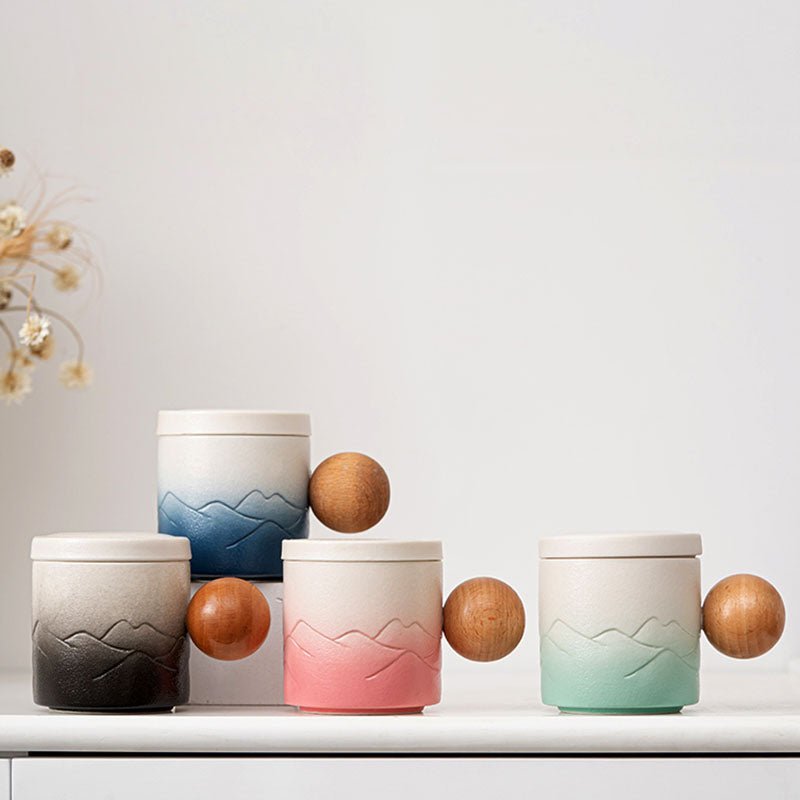
Tea Ceramic Cup Buying Guide for Daily Brewing and Easy Care
A tea ceramic cup should feel steady, drink comfortably, and clean up without fuss. We compare the shapes, finishes, and care details that matter before you buy.
Подробнее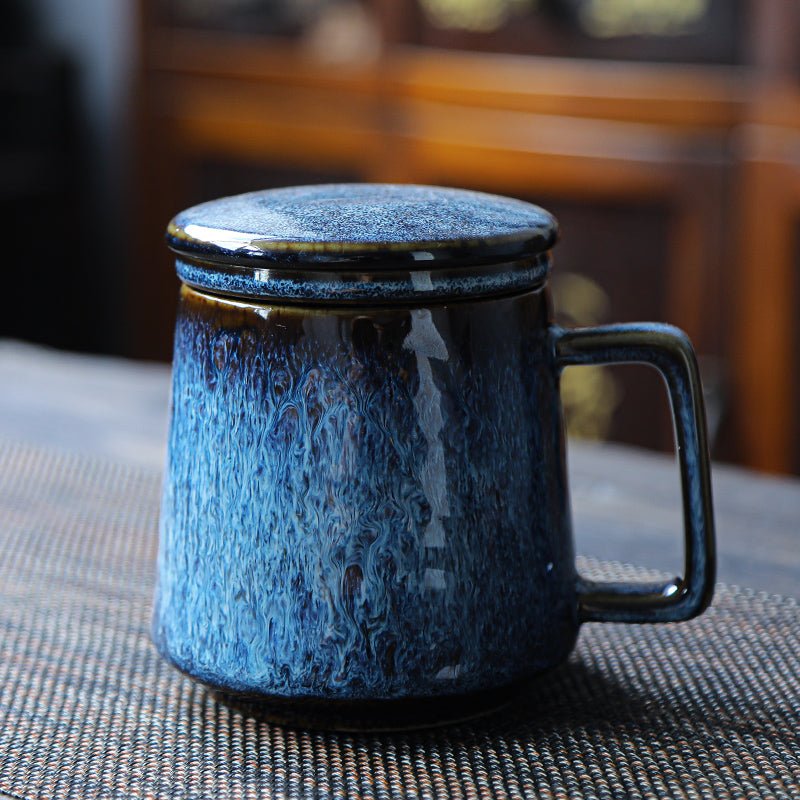
Stone Coffee Mugs: How to Choose the Right Shape, Size, and Finish
Stone coffee mugs bring more weight, heat retention, and visual texture than basic cups, but the right one depends on handle feel, glaze finish, and daily routine. We break down what to check befor...
Подробнее
Оставить комментарий
Этот веб-сайт защищается hCaptcha. Применяются Политика конфиденциальности и Условия использования hCaptcha.