
Big Tea Cup Buying Guide: How to Choose the Right One
Reading time: about 8 minutes
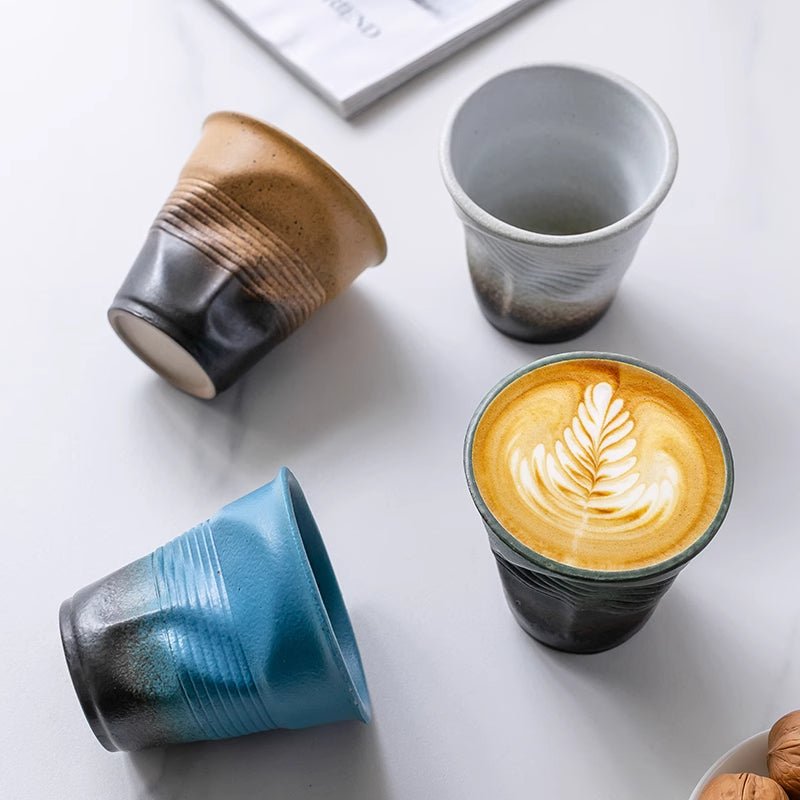
A big tea cup earns its place when the first pour is still hot by the time you sit down, and the handle still feels comfortable after the cup is full. It also has to work on a kitchen counter, at an office desk, and through dishwasher cycles that are not always gentle. In our store, we look at a big tea cup the same way shoppers do: capacity first, then comfort, then whether it still feels easy to live with after a week of use. If you want a real product reference, The Rock Coffee Tea Mug is a useful place to start, and you can compare it with other styles in our collection.
For a broader breakdown of size and everyday use, we also recommend Big Tea Cup Buying Guide: Size, Material, and Daily Use. The right cup is not just the biggest one on the shelf. It is the one that fits your tea, your hands, and the way you actually drink.
What makes a big tea cup useful instead of just oversized?
A big tea cup should solve a real problem. For some people, that means fewer refills during work. For others, it means enough room for milk, honey, or a tea bag that needs space to steep without spilling over the rim.
We usually look for four things when we handle this category in our store:
- Enough capacity for your routine so you are not constantly topping up.
- A handle that leaves room for two fingers without pinching the knuckles.
- A stable base that does not feel top-heavy when full.
- A lip that feels easy to drink from without being so thin that it chips easily.
A big tea cup becomes a bad buy when it is large but awkward. A wide, heavy cup can look impressive on a shelf and still feel annoying on a busy morning. That is why we care about balance as much as volume.
Which material should you choose for daily tea?
Material changes the experience more than most shoppers expect. The same cup size can feel very different depending on what it is made from, how thick the walls are, and how much heat it holds after the pour.
| Material | What it does well | Trade-off | Best for |
|---|---|---|---|
| Ceramic | Balanced heat retention, easy everyday feel, familiar drinking experience | Can chip if knocked against a sink or countertop | Most daily tea drinkers |
| Stoneware | Heavier feel, sturdy presence, often keeps tea warm a bit longer | Can feel bulky in the hand | People who want a substantial mug |
| Porcelain | Smoother finish, lighter feel, cleaner look on a table or tray | Usually feels more delicate than stoneware | Shoppers who want a refined cup |
| Glass | Lets you see the tea color and steeping process | Can feel hotter to hold and often looks more fragile | Tea drinkers who care about appearance and brewing visibility |
If you want a fuller comfort comparison, Big Tea Mug Buying Guide for Size, Comfort, and Daily Use goes deeper into how material changes the day-to-day feel. For most buyers, ceramic or stoneware is the safest starting point. Glass is better if you like watching the brew, but it is not the best choice if you want a mug that feels warm and sturdy in the hand.
How big should a big tea cup be for your tea habit?
Capacity matters, but bigger is not always better. Once a cup gets too large, it can become heavier, harder to store, and less pleasant to drink from. It can also cool down differently, especially if you are the kind of tea drinker who sips slowly over a long stretch.
Here is the simple way we would size it:
- 12 to 14 oz: good for shorter tea sessions and smaller servings.
- 16 to 20 oz: a practical middle ground for most daily tea drinkers.
- 24 oz and above: useful for long desk sessions or people who do not want to refill often, but heavier when full.
If your tea habit is mostly one cup in the morning and another in the afternoon, the middle range usually makes the most sense. If you make large herbal infusions or add a lot of milk, a bigger bowl-like cup can work. If you prefer delicate green tea, a very large cup may cool too quickly and feel oversized for the job. That is the trade-off nobody mentions until they have already bought the wrong size.
For shoppers comparing larger options specifically for daily use, Large Tea Cup Buying Guide for Daily Tea Drinkers is a useful companion read.
What details matter once you actually use the cup every day?
This is where a big tea cup either feels well thought out or starts getting annoying. The small details show up fast on a kitchen counter, in a dishwasher rack, and at a desk with limited space.
We pay attention to the same practical details our customers notice after unboxing:
- Handle clearance: a handle should leave enough room for comfortable fingers, especially when the cup is full.
- Rim thickness: a slightly thinner rim usually feels better to drink from, but it should still be strong enough for everyday handling.
- Base stability: a wider foot or base helps reduce tipping, which matters on crowded desks and small trays.
- Glaze finish: a smooth glaze is easier to clean, while uneven glaze can catch stains or feel rough where the hand rests.
- Dishwasher behavior: repeated cycles can expose weak glaze spots, hairline cracks, or chipped edges faster than hand washing does.
Common defect modes in this category are predictable. We watch for hairline glaze cracks near the rim, handles that feel too thin at the join, foot rings that wobble, and tiny chips that can happen when cups are stacked too tightly. None of these are dramatic on day one, but they show up in real homes. That is why build quality matters as much as style.
If you want a wider set of large mug comparisons before deciding, Big Mugs for Tea: How to Choose the Right Large Mug is worth reading alongside this guide.
When is a big tea cup the wrong choice?
A big tea cup is not the best pick for every tea drinker. If you make very small servings of loose-leaf tea and want to keep flavor concentrated, a smaller cup often works better. If you want tea to stay piping hot for a long commute or a long meeting, an insulated travel mug is the better tool. And if you prefer a delicate, formal table setting, a large mug can feel too casual.
There are also hand-fit limitations. People with smaller hands may find oversized handles awkward, especially on heavier stoneware cups. A very large cup can also be annoying if your cabinet shelf is shallow or your dishwasher already runs tight on space. That is the honest trade-off: more volume usually means more bulk.
In other words, a big tea cup is best for home, office, or slow drinking. It is not the right answer for portability, ultra-light packing, or very precise tea service.
How do we help shoppers choose in our store?
In our experience, people buy a big tea cup for one of three reasons: they want fewer refills, they want a more comfortable grip than a small teacup offers, or they want a cup that feels more relaxed for everyday tea than formal china. We organize our choices around those real use cases instead of just listing sizes and hoping the buyer figures it out.
If you are comparing options, start with your actual routine. Then ask a few direct questions:
- Will this cup sit on a desk, a kitchen table, or both?
- Do I want ceramic warmth, stoneware weight, or a lighter porcelain feel?
- Do I usually drink plain tea, or do I add milk, honey, or a tea bag that needs more room?
- Will I be washing this by hand, or does it need to survive regular dishwasher cycles?
That approach usually narrows the choice faster than browsing by appearance alone. A cup can look great in product photos and still be wrong for the way you drink.
Frequently asked questions
What size is best for a big tea cup?
For most daily tea drinkers, 16 to 20 oz is the most practical range. It gives you enough volume for a full cup without becoming too heavy or awkward to handle. If you prefer smaller, more concentrated tea servings, a slightly smaller cup may feel better.
Is ceramic or stoneware better for a big tea cup?
Ceramic is usually the easier all-around choice because it feels balanced and familiar. Stoneware is better if you want a heavier, sturdier mug with a more substantial feel. The downside is weight, so stoneware is not ideal if you want the lightest possible cup.
Can I put a big tea cup in the dishwasher?
Many are dishwasher safe, but the finish and build still matter. Repeated cycles can expose weak glaze areas, chip thin rims, and loosen the look of decorative finishes over time. If the cup is hand-painted or has a delicate surface, hand washing is the safer option.
Is a big tea cup good for loose-leaf tea?
Yes, as long as the cup has enough space for steeping and for any strainer, basket, or infuser you use. A wider cup can actually make loose-leaf brewing easier because the leaves have more room to move. If you like very precise brewing, though, a dedicated teapot and smaller serving cup may give you more control.
Should I choose a big tea cup for the office?
It can work well if you want fewer refills and a stable mug for a desk setup. Just make sure the base fits your space and the handle is comfortable when the cup is full. If you move between meetings often, a travel mug may be more practical.
If you are ready to compare styles, start with our collection and look for the size and material that match your routine. If you want a specific reference point, go back to The Rock Coffee Tea Mug and compare it against the buying criteria above before you choose.
Read more
Chicken Coffee Mug Buying Guide for Size, Material, and Daily Use
A chicken coffee mug sounds simple until you compare handle comfort, glaze quality, and how the print holds up after a few dishwasher cycles. This guide covers what we check in our store before we ...
Read more
Coffee Mug Designs That Fit Daily Use, Gifting, and Desk Setups
We compare coffee mug designs by shape, capacity, handle feel, and finish so you can pick one that works on a desk, in a kitchen, or as a gift. We also call out the trade-offs we see in real use, f...
Read more
Leave a comment
This site is protected by hCaptcha and the hCaptcha Privacy Policy and Terms of Service apply.