
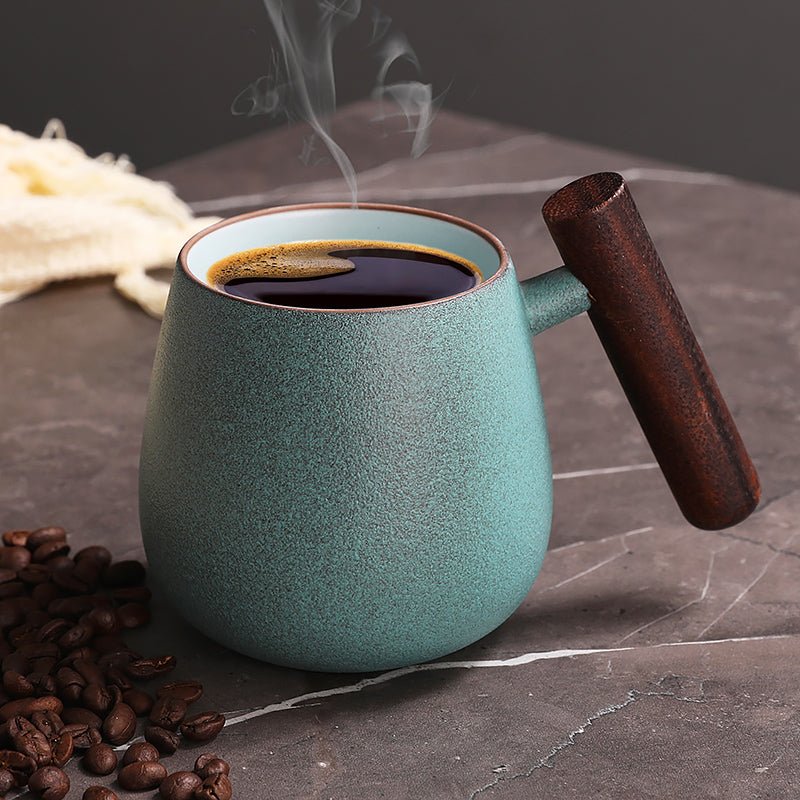
How Many Ounces Is a Regular Coffee Mug? Buyer Guide
Reading time: about 8 minutes
A mug that looks normal on a kitchen shelf can hold 8 ounces at one café and 12 ounces at another. That gap matters if you want room for milk, if you buy gifts for office desks, or if you have ever poured coffee into a cup only to find the rim is closer than you expected.
In our store, we hear this question often because mug size changes how a drink feels in the hand, how quickly it cools, and whether it fits your daily routine. We handle drinkware for real use, not just photos, so we pay attention to the details shoppers usually only notice after the first wash.
How many ounces is a regular coffee mug?
Most regular coffee mugs fall between 8 and 12 ounces. If you want the simplest buyer answer, 10 to 12 ounces is the most common everyday range for a standard mug, while 8 ounces is still common for smaller servings or more traditional cup shapes.
That range is broader than people expect because “regular” is not a fixed industry size. One seller may call an 8-ounce cup a regular mug, while another uses the same phrase for a 12-ounce ceramic mug that leaves a little extra room for cream or foam.
If you are comparing mug sizes for a gift or for your own kitchen, our broader breakdown in How Many Ounces Is a Coffee Mug? Sizes, Fits, and Buying Tips is a useful companion read.
Why do regular mugs vary so much in size?
Two mugs can look almost identical from across the room and still hold different amounts. Capacity changes because manufacturers balance shape, wall thickness, handle size, and how much empty space they want above the drink line.
- Brimful capacity vs usable capacity: a mug filled to the absolute top is not the same as a comfortable pour. Most buyers want headspace so the drink does not splash when moved from counter to desk.
- Wall thickness: thicker ceramic or stoneware walls reduce the internal volume a little, but they can also make the mug feel sturdier in daily use.
- Shape: a wide mug can hold more at the same height than a tall narrow one. A flared rim also changes how the drink feels when sipping.
- Handle and base design: a big handle can make a mug easier to grip, but it can also take up cabinet space. A heavy footed base may feel stable, yet it can reduce interior capacity.
That is why we always recommend checking the stated ounce capacity instead of guessing from photos alone. In our experience, the most common complaint from shoppers is not that a mug looks wrong. It is that the mug is either too small for a milk-heavy drink or too large for a quick morning pour.
Which mug size works best for your daily drink?
The right mug size depends on what you actually pour into it. A regular coffee mug is usually best when it matches the drink you make most often, not the biggest drink you make once a week.
| Mug size | Best for | What it does well | Main trade-off |
|---|---|---|---|
| 8 oz | Smaller drip coffee, tea, espresso-based drinks with little milk | Feels compact, easy to hold, good for tighter cabinets | Not much room for cream, foam, or a larger pour |
| 10 to 12 oz | Most everyday coffee drinkers | Balances serving size and practicality | May feel small if you like oversized lattes or long desk sessions |
| 14 to 16 oz | Large coffee with milk, iced drinks, or all-day sipping | Leaves plenty of room for add-ins | Can feel heavy, take more space, and may be more mug than some buyers want |
If your coffee is mostly drip coffee or black coffee, 10 to 12 ounces is the safest place to start. If you drink tea, 8 to 10 ounces often feels more natural. If you make milk-forward drinks, a regular mug can still work, but it should have enough headroom so you are not pushing the drink right to the rim.
For shoppers comparing more than one style, our All Coffee Mugs collection makes it easier to compare compact cups, fuller mugs, and different handle shapes side by side.
What should you check before buying a mug online?
Capacity is only part of the decision. The same ounce number can feel very different once you hold the mug, wash it, and stack it in a cabinet.
- Material: ceramic and stoneware are the most common everyday choices. Ceramic often feels smooth and classic; stoneware usually feels a little heavier and more substantial in the hand.
- Finish: look for a smooth interior glaze and a rim that feels even. A rough rim, pinholes in the glaze, or a wobble on the table are small defects that can become annoying fast.
- Handle clearance: make sure your fingers fit without scraping the mug body. A beautiful mug is frustrating if the handle is cramped.
- Care needs: check whether the listing says dishwasher safe or hand wash only. If a mug has metallic trim, printed decoration, or a specialty glaze, we treat hand washing as the safer default unless the product page says otherwise.
- Heat behavior: thicker mugs usually stay warm a little longer, but they can also feel bulkier. Very thin mugs are lighter, yet they can cool faster and may be less forgiving if you like to drink slowly.
We also suggest thinking about real use, not just display. A mug that looks great in a gift unboxing may still be awkward if it barely fits under your kitchen cabinet or if it clashes with a dishwasher rack. Small details matter after the first week of use.
If you want a practical side-by-side read before choosing, our article How Many Ounces Is a Standard Coffee Mug? A Buyer’s Guide covers the usual size ranges in a more direct comparison format.
Which CoffeifyMug styles fit the regular-mug range?
We stock mugs that make sense for daily use, desk use, and gifting. If you are looking for a regular-size mug rather than an oversized novelty cup, start with the Retro Coffee Tea Cup if you prefer a smaller, classic serving feel. For a more substantial hand feel, the Ball Handled Coffee Tea Mug is a good comparison point. If you like a more textured silhouette, the Pleated Coffee Tea Cup is worth a look.
Those styles are useful because they show how shape changes the buying experience. A compact mug can feel cleaner on a crowded office desk. A broader mug can be better for milk and cream. A more sculpted handle can improve grip, but it may also feel less traditional if you want a simple diner-style cup.
Our team also pays attention to the things shoppers rarely notice until after delivery: a stable base that does not rock, a handle that is comfortable after a full cup, and a glaze that should hold up better through normal dishwasher cycles. None of that makes a mug perfect for every person. It just makes the trade-offs clearer before you buy.
What size should you avoid if you want a true regular mug?
If you want the feel of a regular mug, you may want to avoid going too large. Mugs above 14 ounces start to behave more like oversized daily cups than standard mugs. They are fine for long work sessions or big milk drinks, but they are not the best fit if you want a compact cup that does not dominate the counter.
On the other side, very small cups below 8 ounces are usually better described as tea cups, espresso cups, or specialty serving pieces. They can be elegant, but they are not ideal if your normal pour is a full mug of drip coffee.
Our practical rule is simple: choose the smallest mug that still leaves comfortable room for your usual drink. That keeps the cup easy to hold, easy to store, and more likely to get used every day.
Frequently asked questions
Is 8 ounces a regular coffee mug?
Yes, 8 ounces can be a regular coffee mug, especially in smaller or more traditional cup shapes. It is common for tea, short coffee pours, or people who do not add much milk. If you prefer a fuller serving, 10 to 12 ounces usually feels more practical.
Is 12 ounces enough for a latte or cappuccino?
For many home drinks, 12 ounces is enough, especially if you are making a standard latte with some room left in the cup. If you like a larger milk ratio or generous foam, you may prefer 14 ounces or more. The better choice depends on how full you want the mug to feel once the drink is finished.
How do I measure a mug at home?
Fill the mug with water and pour it into a liquid measuring cup until you reach the same level you would normally drink to. Do not measure to the absolute top if you never fill it that high in real use. That gives you a more honest usable capacity.
What mug size is best for an office desk?
Most people do well with 10 to 12 ounces on a desk because it is large enough for a real coffee break without taking over too much space. Smaller mugs are neat and compact, but they may need more refills. Very large mugs can crowd your keyboard, papers, or laptop.
Which material feels closest to a regular coffee mug?
Ceramic and stoneware are the closest match for the classic regular mug most shoppers picture. Ceramic usually feels smooth and familiar, while stoneware feels heavier and more grounded. If you want the most traditional everyday feel, those are the two materials we would compare first.
If you are narrowing your choice now, start with the 10 to 12 ounce range and compare handle comfort, wall thickness, and cabinet fit. Then use the All Coffee Mugs collection to pick the shape that actually matches how you drink every day.
More from our blog
Read more
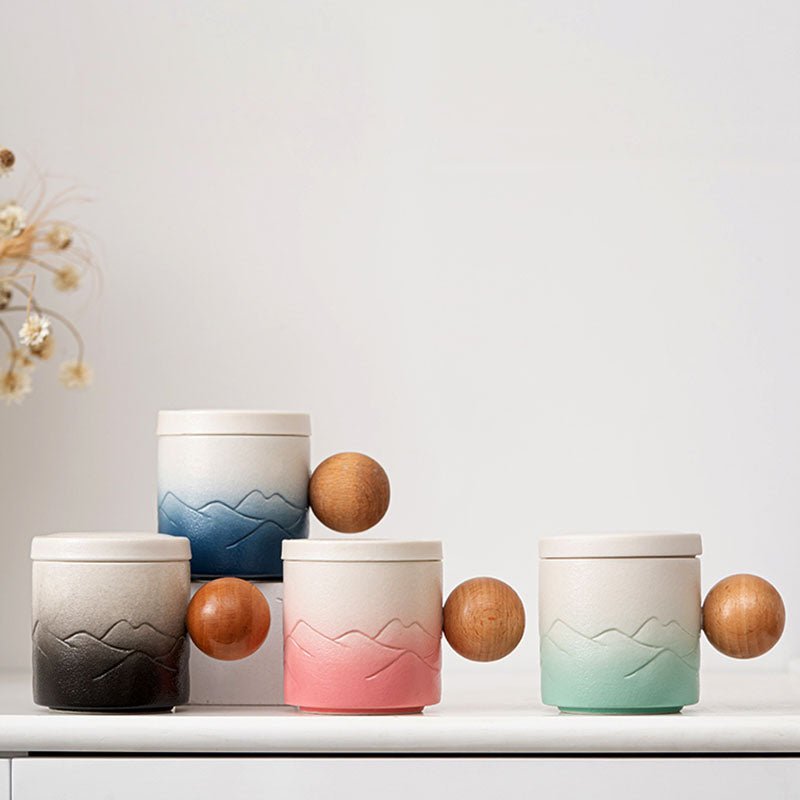
Bird Coffee Mug Buying Guide: Shape, Size, and Daily Use
A bird coffee mug should feel steady in the hand, fit the right drink size, and hold up to everyday washing. We cover the details we check in our store so you can buy one that works for coffee, tea...
Czytaj dalej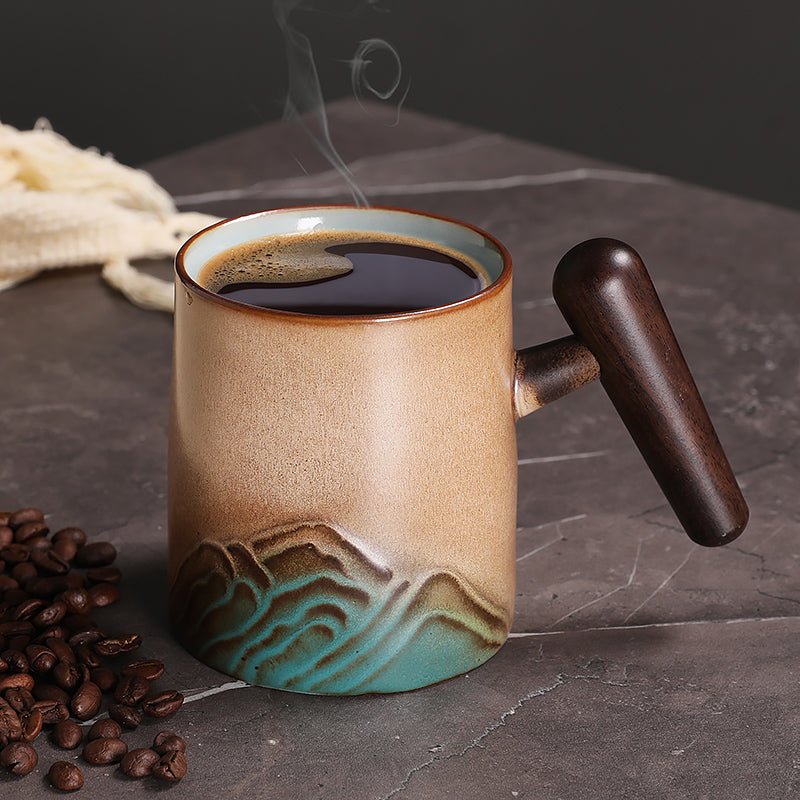
Normal Coffee Mug Size: What Buyers Should Expect Before Ordering
A normal coffee mug size is usually the everyday middle ground: big enough for a real pour, small enough to fit a coffee machine, desk, or dishwasher rack. We break down the sizes buyers actually u...
Czytaj dalej
Zostaw komentarz
Ta strona jest chroniona przez hCaptcha i obowiązują na niej Polityka prywatności i Warunki korzystania z usługi serwisu hCaptcha.