
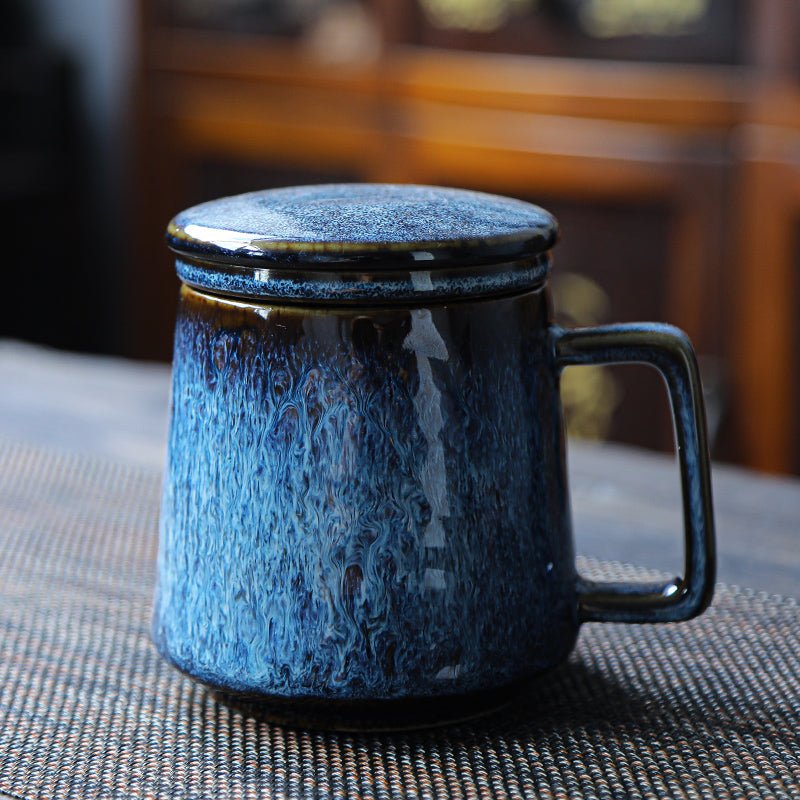
How Many Ounces in a Coffee Mug? Real Sizes and Buying Tips
Reading time: about 10 minutes
A 12-ounce mug rarely holds 12 ounces once coffee is poured to a comfortable level. Leave room for milk, foam, and the handle, and the usable amount drops fast. We see this all the time in our store: shoppers want a mug that fits a drip coffee on the kitchen counter, still looks right on an office desk, and does not feel awkward in the hand.
If you are comparing styles, it helps to think about real use, not just the number on the listing. A mug that looks great in a gift box can still be the wrong fit if it is too tall for a cabinet shelf or too narrow for a generous pour. If you want to browse our current range while you read, start with the all mugs collection and compare it with the Round Coffee & Tea Mug, the Landscape Tall Coffee & Tea Mug, and the Emerald Coffee Tea Mug.
How many ounces does a coffee mug usually hold?
Most everyday coffee mugs fall somewhere between 8 and 12 ounces, with 10 to 12 ounces being the most common sweet spot for a standard cup at home or at work. Larger mugs often run 14 to 16 ounces, and oversized mugs can go beyond that. The number on the page usually refers to capacity near the brim, not the amount you will actually drink comfortably.
Here is the practical version we use when we help shoppers compare sizes:
- 8 oz: Better for smaller pours, black coffee, or tea when you want a compact cup.
- 10 to 12 oz: The everyday size most people expect from a regular mug.
- 14 to 16 oz: Good for a bigger morning pour or a drink with milk and foam.
- 18 oz and up: Best if you want a very large cup, but not ideal for every cabinet or hand size.
Size labels also hide shape differences. A short, wide mug and a tall, narrow mug can both be called 12 ounces, yet they feel very different on the table. The short mug usually looks broader and is easier to stir, while the tall one can feel slimmer and take up less width on a crowded desk.
Why does a mug labeled 12 oz not feel like 12 oz?
Because the usable volume is not the same thing as the brim-to-brim capacity. Most people do not fill a mug all the way to the top. They leave a little air gap so the drink does not slosh over when they walk from the coffee machine to the couch or from the kitchen to a meeting room.
Shape changes the experience too. A mug with thick walls can feel heavier and slightly smaller inside. A mug with a tapered body may look taller but hold the same amount as a rounder mug. Handle clearance matters as well. If your fingers fit the handle comfortably, the mug feels easier to use even if the ounces are identical.
In our experience, the complaints that show up after an online order usually are not about the ounce label itself. They are about the details buyers could not judge from a photo:
- A rim that feels too thin or too thick.
- A handle that pinches two fingers instead of holding them comfortably.
- A base that wobbles slightly on a flat counter.
- A shape that looks compact online but feels bulky next to a laptop or notebook.
If you want a deeper breakdown of the common label confusion, our article How Many Ounces in a Coffee Mug? Sizes, Fits, and Buying Tips walks through the same problem from a sizing angle. For a simpler buyer-focused overview, How Many Ounces Is a Regular Coffee Mug? Buyer Guide is also useful.
Which mug size works best for your coffee routine?
The right mug depends on what you actually drink. A black coffee drinker, a latte drinker, and someone who tops off with milk all need slightly different capacity. There is no single perfect number for everyone, but there is usually a better fit for the way you pour.
| Mug size | Best for | Trade-off |
|---|---|---|
| 8 oz | Black coffee, tea, smaller servings | Too small if you like milk, foam, or a long refill-free session |
| 10 to 12 oz | Standard home coffee, office desks, balanced daily use | May feel modest for large lattes or very full pours |
| 14 to 16 oz | Bigger pours, milk-heavy drinks, longer work sessions | Bulkier in the hand and takes more cabinet space |
| 18 oz and above | Large servings and people who like a lot of room | Can feel oversized for small hands and everyday storage |
For most shoppers, 10 to 12 ounces is the easiest place to start. It gives enough room for a standard pour without turning the mug into a bowl. If you prefer a stronger, smaller drink, 8 ounces makes sense. If you like a milky coffee or a generous top-off, 14 to 16 ounces is usually the more practical range.
A coffee mug is a desk cup, not a travel cup. If you need a lid, insulation, or ice, a tumbler usually fits the job better.
That trade-off matters. A mug is good for sipping, serving, and sitting on a counter. It is not the best choice for commuting, iced drinks packed with ice, or situations where you need spill protection. If that is your use case, a different vessel is the smarter buy.
What should you check before buying a mug online?
We look at a few details every time we compare mugs for our store, because the real difference between a good mug and an annoying one usually shows up in daily use. The listing photo can only tell you so much. The rest comes down to shape, comfort, and care.
- Height and opening width: A tall mug usually feels different from a round mug even at the same ounce count.
- Handle clearance: You want enough room for a comfortable grip without squeezing your fingers.
- Weight: A heavier mug feels solid, but it can be tiring if you carry it from room to room.
- Rim shape: A smooth rim is better for drinking; an uneven rim can make the mug feel cheap even if the capacity is fine.
- Care instructions: If you plan to run the mug through the dishwasher every day, check the listing carefully. The same goes for microwave use if you reheat coffee often.
There are also a few common defect modes worth watching for in any mug category. A wobbly base can make a mug feel unstable on a desk. A hairline crack near the handle join is a red flag. A glaze that pools unevenly at the rim can create a rough drinking edge. Those are the kinds of details we pay attention to before recommending a mug to a customer.
If you want another practical breakdown before buying, the article How Many Ounces Is a Standard Coffee Mug? Buyer Guide is a good companion read for comparing everyday sizes.
How do our mug styles compare in real use?
For shoppers comparing shapes, our best advice is to match the mug to the setting. A mug that feels perfect for a quiet breakfast may not be the one you want at a crowded work desk. A mug that looks striking in a gift unboxing may not be the one you reach for every day. In our store, we think about how the mug will behave on a kitchen counter, under a coffee machine, and after the first dishwasher cycle.
The Round Coffee & Tea Mug is the easiest place to start if you want a familiar, balanced shape. It is the kind of mug that usually feels at home with drip coffee, tea, or hot chocolate. The round profile is also practical if you like a cup that sits neatly in the hand and does not feel overly tall.
The Landscape Tall Coffee & Tea Mug makes more sense if you want a taller silhouette. A taller mug can feel more vertical on a desk and often gives the drink a slimmer look. That said, it is not the best choice if you prefer a very wide opening for stirring in milk or mixing cocoa.
The Emerald Coffee Tea Mug is a strong option if you want color to do some of the work. It can make a gift feel more deliberate and can add contrast on an otherwise plain coffee station. Color does not change the ounces, but it does change how the mug reads in a kitchen, office, or gift box.
If you are still deciding, compare shape first and volume second. A mug that looks right on the shelf and feels right in the hand is usually the one that gets used.
What size is best for different drinks?
Different drinks place different demands on the same mug. That is why the best answer to how many ounces in a coffee mug depends on the drink, not just the label.
- Black coffee: 8 to 10 ounces works well if you want a focused cup that stays hot.
- Drip coffee with a little milk: 10 to 12 ounces is the practical middle ground.
- Latte-style drinks at home: 12 to 14 ounces gives room for foam and a more relaxed pour.
- Tea: 8 to 12 ounces is usually enough unless you prefer a large mug for steeping and sipping slowly.
- Hot chocolate: 10 to 14 ounces is comfortable if you like whipped cream or marshmallows on top.
- Iced coffee: a standard mug is usually not the best vessel because ice takes up so much of the volume.
That last point matters more than many shoppers expect. If you regularly make iced drinks, a mug can feel too small once ice is added. A tumbler or larger cup often works better because it preserves room for liquid after the ice goes in.
For a broader sizing comparison, our shopper guide How Many Ounces Is a Standard Coffee Mug? A Buyer’s Guide gives another angle on what counts as standard versus oversized.
Frequently asked questions
How many ounces is a standard coffee mug?
A standard coffee mug is usually 8 to 12 ounces, with 10 to 12 ounces being the most common everyday size. The usable amount may be a little less once you leave room at the top. If you pour milk or foam, the practical capacity drops even more.
Is a 12 oz mug actually 12 oz?
Usually, yes, if the listing refers to brim capacity. In normal use, most people do not fill a mug to the top, so the drinkable amount is lower. That is why a 12-ounce mug can feel more like a 10-ounce cup in real life.
What size coffee mug is best for lattes?
A 12 to 14 ounce mug is often the most comfortable choice for a home latte. It gives enough room for espresso, milk, and a little foam without crowding the rim. If you like a very full drink, a 16-ounce mug can work better.
Are tall mugs better than round mugs?
Not always. Tall mugs can feel slimmer and may take up less width on a desk, but round mugs are often easier to stir and can feel more stable in the hand. The better choice depends on your drink style and where you plan to use it.
Should I choose a mug based on ounces or shape?
Use both. Ounces tell you the volume, but shape tells you how the mug will feel on the counter, in the hand, and in the dishwasher. A good mug is one you will reach for every day, not just one with a label that looks right.
Before you buy, compare four things: the ounce count, the mug opening, the handle space, and the care instructions. If you want to keep comparing shapes, browse the all mugs collection, then open the Round Coffee & Tea Mug, the Landscape Tall Coffee & Tea Mug, and the Emerald Coffee Tea Mug side by side to see which one fits your routine best.
Read more
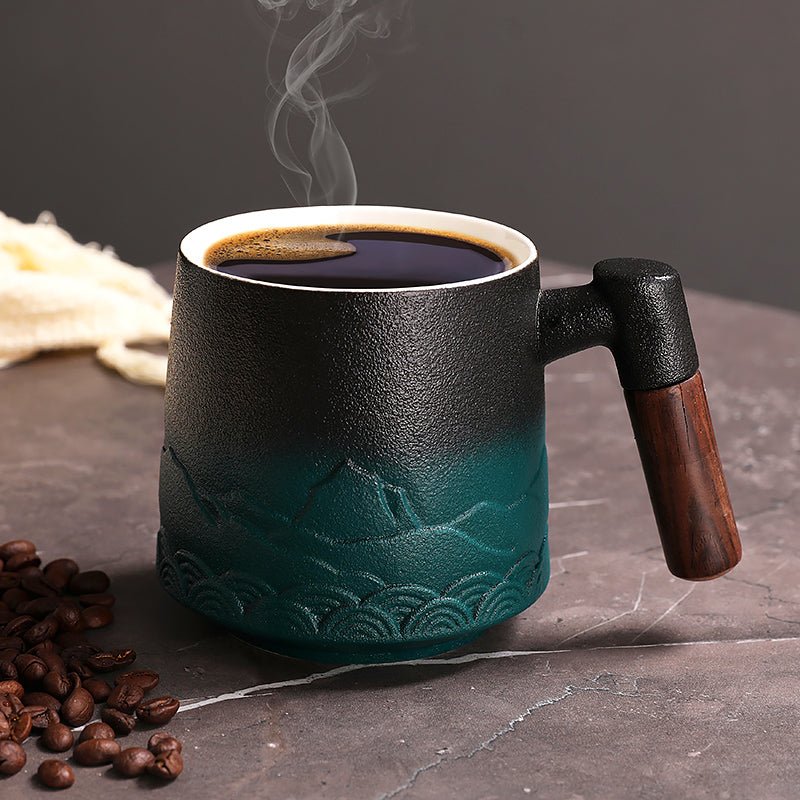
Metal Coffee Mug: What to Check Before You Buy
A practical guide to choosing a metal coffee mug for daily use, with real trade-offs on heat, handles, care, and which styles fit office or home routines.
Per saperne di più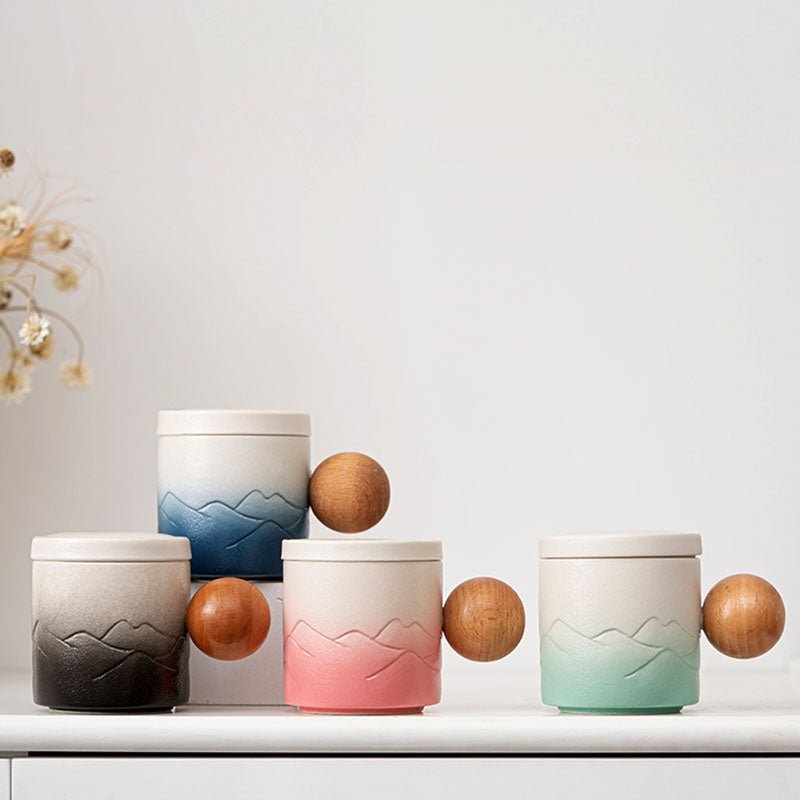
Pretty Coffee Mugs for Daily Use, Gifts, and Desk Display
Pretty coffee mugs need more than a nice glaze. We break down the shapes, sizes, materials, and care details that matter in real kitchens, plus the styles that work best for daily coffee, desk use,...
Per saperne di più
Commenta
Questo sito è protetto da hCaptcha e applica le Norme sulla privacy e i Termini di servizio di hCaptcha.