
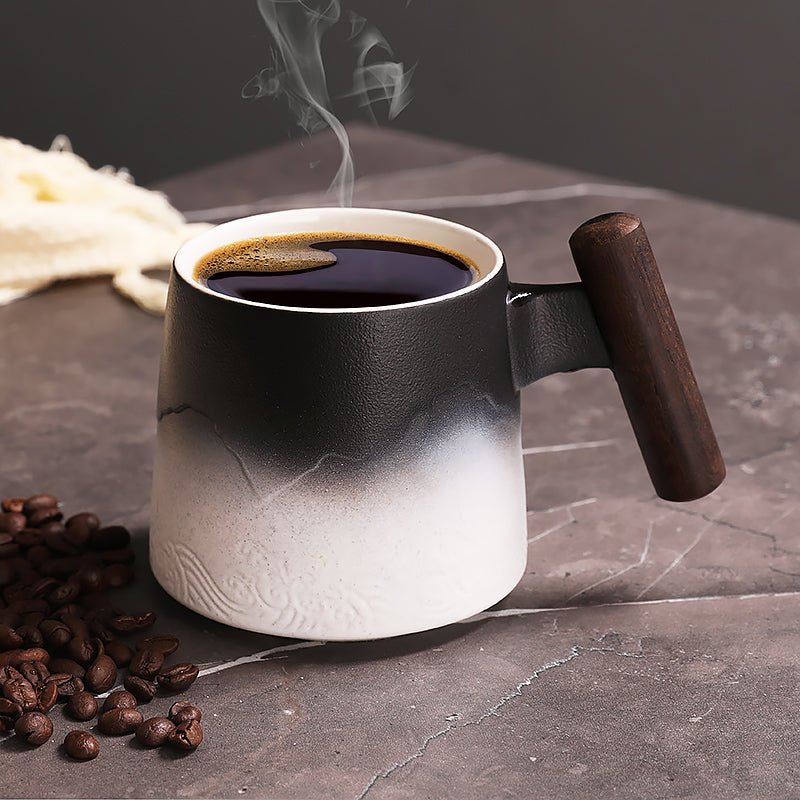
Thermos Stainless Steel Coffee Mug Buying Guide for Daily Use
Reading time: about 8 minutes
A lid that leaks once in a work bag tends to define the whole mug. We see that pattern often: a buyer wants a thermos stainless steel coffee mug for desk coffee or commuting, then discovers the real difference is not the exterior finish. It is the lid seal, wall construction, and how easy the cup is to clean after a full day of use.
At CoffeifyMug, we handle this category as everyday gear, not as a display piece. That means we look at the details that matter after the first sip: does the rim feel comfortable, does the lid close cleanly, does it fit a car cup holder, and will it still be pleasant to wash after a few weeks of use? If you want a broader comparison across our drinkware, our product selection is the best place to start.
What should a thermos stainless steel coffee mug do well?
A good thermos stainless steel coffee mug should hold temperature, travel without leaks, and still be easy to drink from at a desk or in a car. Those goals can conflict. A very tight travel lid may keep heat in better, but it can also slow the sip and trap coffee smell if the gasket is difficult to remove.
In our experience, buyers usually want one of three outcomes:
- Short office use: coffee stays warm through meetings, and the mug sits safely beside a keyboard.
- Commute use: the lid needs a secure seal and a shape that works in a cup holder or tote.
- Home and gift use: the mug should look clean on a counter and feel comfortable for repeated refills.
If you are trying to separate general stainless mugs from truly practical daily-use options, our Coffee Stainless Steel Mug Buying Guide for Daily Use covers the basic trade-offs well.
A thermos-style mug is best for keeping coffee hot between pours. It is not the right pick if you want a wide open cup that cools fast or if you need a vessel for constant refills like a diner mug.
Which materials and lid details matter most?
The core material should be stainless steel, usually with a double-wall insulated body if you want temperature retention. That inner and outer wall structure matters more than a polished finish. A coated exterior can improve grip and reduce fingerprints, but the coating should not hide poor construction. We always inspect the rim, the seam quality, and the lid action because those are the areas where cheap mugs tend to fail first.
Three details deserve attention before buying:
- Food-contact steel: the interior should be stainless steel, not lined with a mystery coating that is hard to verify.
- Lid seal: a silicone gasket that sits evenly is usually more dependable than a loose snap-on lid.
- Drinking path: a narrow sip opening can reduce splashing, but it should still pour smoothly without forcing you to tilt too far back.
For buyers who care mostly about insulation performance and what actually separates one mug from another, our Stainless Steel Coffee Mug Insulated: What Buyers Should Check goes deeper into the practical points we test for.
A common defect mode here is not dramatic damage. It is subtle: a lid that feels sealed but weeps at the edge, a gasket that twists out of place after washing, or a threaded top that cross-threads if you are rushing in the morning. Those issues are why we pay close attention to fit and cleanup, not just finish.
How does an insulated mug compare with a standard stainless mug?
These products get grouped together, but they do different jobs. A plain stainless mug is simpler, lighter, and often easier to rinse. A thermos stainless steel coffee mug is built to hold heat longer and usually depends on a better lid to get there.
| Feature | Thermos stainless steel coffee mug | Standard stainless mug |
|---|---|---|
| Heat retention | Better for keeping coffee warm between sips | Usually loses heat faster |
| Weight | Typically a bit heavier because of double walls and lid hardware | Often lighter and simpler |
| Cleaning | May need extra care around gaskets and lids | Usually easier to wash quickly |
| Best use | Desk, commute, travel bag, slow sipping | Home use, quick coffee, easy rotation |
If your main question is whether you really need insulation, our How to Choose a Stainless Insulated Coffee Mug for Daily Use is useful alongside our Stainless Steel Coffee Mug with Lid: Practical Buying Guide. The lid is not an accessory in this category. It is part of the thermal system.
A trade-off worth stating plainly: insulated mugs can keep coffee hot long enough that the last third of the cup tastes flatter. That matters if you like coffee to cool naturally as you drink. A plain mug may actually suit that preference better.
What size fits commuting, office desks, or home use?
Size affects comfort more than most buyers expect. A mug that is too tall can hit a cabinet shelf or feel awkward under an espresso machine. One that is too narrow can tip easily on a crowded desk.
Here is how we think about sizing in real use:
- Smaller formats: good for espresso-based drinks, shorter coffee runs, and people who finish a cup quickly.
- Mid-size formats: the safest choice for daily desk coffee and most commutes.
- Larger formats: better if you sip slowly, but they can be bulky in a bag and may not fit every cup holder.
For shoppers comparing sizes across multiple styles, the Coffee Stainless Mug Buying Guide for Daily Use and Office Carry is a good companion read. It connects capacity with the realities of office carry, where lid security and footprint matter as much as total ounces.
One detail that tends to get overlooked: the mouth diameter. A wider opening is easier to clean and can make the mug feel more like a cup. A narrower mouth often helps retain heat and reduce splash, but it can be less comfortable if you prefer a more open drinking feel.
How should you clean and care for it?
Cleaning is where a lot of otherwise good mugs become annoying. Coffee oils cling to the lid, gasket, and inside corners. If the lid has a removable silicone seal, that is a plus, because it lets you clean the hidden edge where odors often build up.
Our practical care checklist is simple:
- Rinse the mug soon after use so coffee residue does not dry on the rim.
- Separate the lid parts if the construction allows it.
- Wash the gasket and drinking port carefully, especially after flavored coffee or milk drinks.
- Dry all pieces fully before reassembly to reduce stale smell.
We generally recommend hand washing unless the manufacturer clearly states dishwasher compatibility. Even then, repeated dishwasher cycles can shorten the life of seals and printed finishes. If you want a deeper look at daily-use cleaning and maintenance, our Coffee Thermos Mug: Size, Lid, and Cleaning Checks Before Buying is the most relevant companion guide.
Another limitation worth calling out: these mugs are not ideal for thick blended drinks, whipped toppings, or anything that leaves heavy residue around the lid. Those beverages are harder to clean and often expose weak lid design faster than black coffee does.
Which features are worth paying attention to before you buy?
We suggest checking the same few points every time because they predict day-to-day satisfaction better than marketing language does. Our store team uses this exact sequence when comparing mugs for our own assortment.
- Lid fit: does it lock or seat firmly without needing force?
- Seal design: is there a silicone gasket, and is it removable for cleaning?
- Rim comfort: does the drinking edge feel smooth against the lip?
- Base stability: does the mug sit flat without wobble?
- Exterior finish: will it show scratches or fingerprints quickly?
- Daily carry: is the overall shape practical for a backpack, tote, or cup holder?
For people building a broader stainless mug shortlist, our related post Coffee Mug Stainless: How to Choose the Right One for Daily Use helps compare these everyday features without drifting into unnecessary specs.
If you are shopping for a gift, we also think about the unboxing experience. A mug that feels solid in the hand, has a clean lid action, and does not require a complicated first wash is much easier to give confidently than one that looks premium but behaves awkwardly on day one.
Frequently asked questions
Is a thermos stainless steel coffee mug good for office use?
Yes, especially if you sip coffee over an hour or more and want it to stay warm between meetings. The key is choosing a lid that seals well but still opens easily one-handed if you are at a desk. If you drink very quickly, a simpler mug may be enough.
Can I put a thermos stainless steel coffee mug in the dishwasher?
Sometimes, but not always. We recommend checking the manufacturer guidance first because lids, silicone seals, and exterior finishes can wear faster in a dishwasher. Hand washing is usually the safer long-term choice for preserving fit and finish.
What size thermos stainless steel coffee mug should I buy?
Mid-size is the most flexible choice for daily coffee, commutes, and office carry. Smaller sizes suit espresso drinks or fast finishers, while larger sizes work if you want fewer refills. Measure your cup holder or bag pocket if you plan to travel with it.
Does a stainless steel thermos mug keep coffee hot all day?
It can keep coffee hot for a long time, but not every mug will hold ideal drinking temperature for an entire workday. Heat retention depends on wall construction, lid seal, fill level, and how often you open it. For best results, pre-warm the mug and keep the lid closed between sips.
What is the biggest downside of a thermos stainless steel coffee mug?
The main trade-off is convenience versus heat retention. Better insulation usually means more parts, a slightly heavier feel, and more cleaning around the lid. If you want a quick-rinse mug for fresh coffee that cools naturally, a simpler stainless cup may be the better fit.
If you want to compare current options, start with our full collection and use the checklist above to filter out the mugs that do not fit your routine. Focus on lid seal, size, cleaning access, and whether you want insulation or a simpler daily cup.
Read more
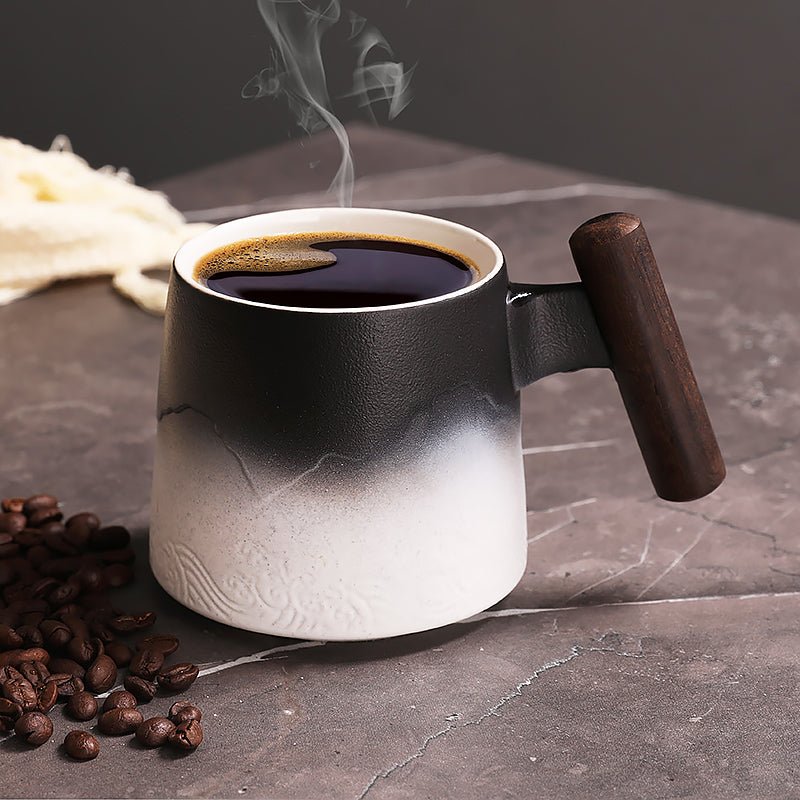
Striped Coffee Mugs: How to Choose the Right One for Daily Use
Striped coffee mugs can look sharp on a shelf and still fail in daily use if the handle, glaze, or size is off. This guide covers the buying checks we use in our store before we recommend one.
Leer más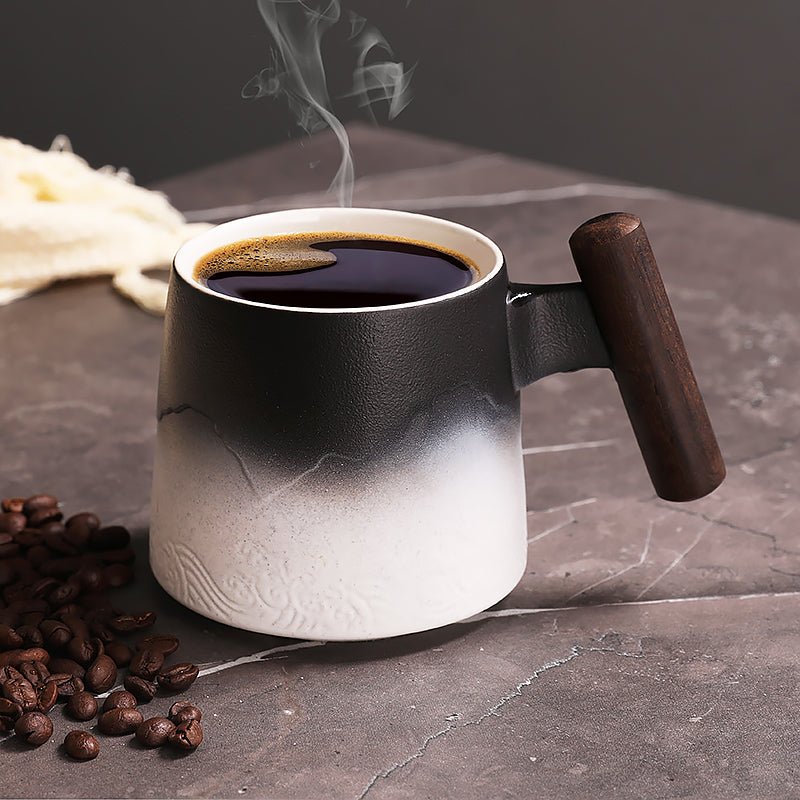
Double Wall Coffee Mug Buyer Guide for Heat, Comfort, and Care
A practical guide to choosing a double wall coffee mug that actually fits your drink routine, from heat retention and hand comfort to cleaning and long-term durability.
Leer más
Dejar un comentario
Este sitio está protegido por hCaptcha y se aplican la Política de privacidad de hCaptcha y los Términos del servicio.