
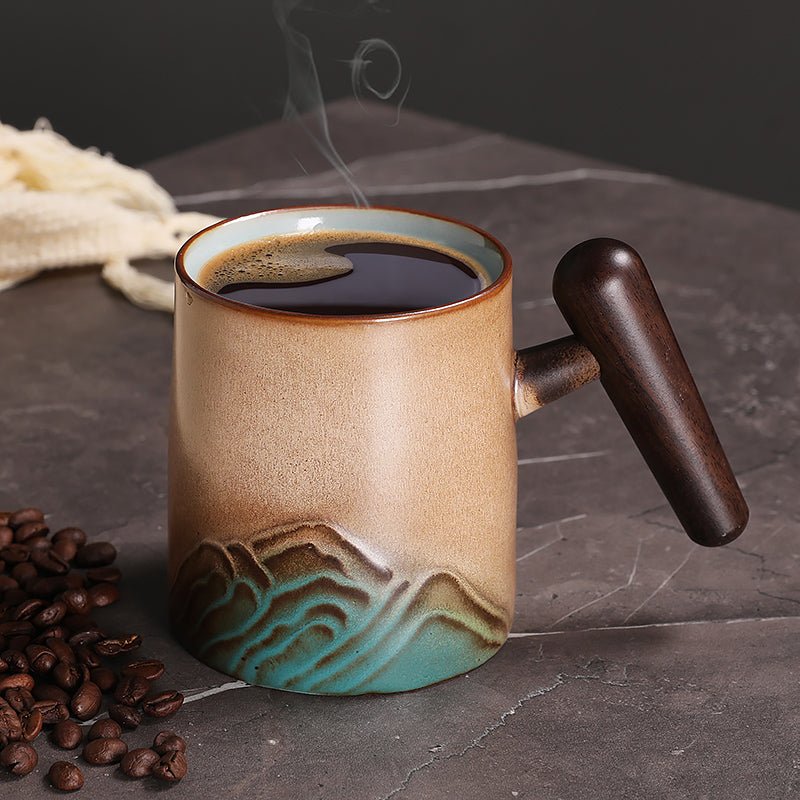
How Many Ounces Is a Normal Coffee Mug?
Reading time: about 10 minutes
A full drip coffee pour reaches the rim faster than most people expect. That is usually the moment shoppers realize a mug that looks normal on a product page can feel small on a kitchen counter, especially once milk, foam, or a second pour enters the picture.
The practical answer to how many ounces is a normal coffee mug is usually 11 to 12 ounces. Smaller everyday mugs can be 8 ounces, and larger desk mugs often move into the 15 to 16 ounce range. In our store, that middle size is the one many shoppers reach for first because it handles a real cup of coffee without feeling oversized.
What size is a normal coffee mug?
For most buyers, a normal coffee mug means something in the 11 to 12 ounce range. That size is common because it fits a standard pour of drip coffee with a little room left at the top. It also works for tea, hot chocolate, and coffee with a splash of milk without making the mug feel cramped.
If you want the shortest possible answer: 11 to 12 ounces is the everyday sweet spot. Eight ounces reads as compact and closer to a small breakfast cup. Fifteen ounces and up starts to feel like a big mug, which is useful for long desk sessions but not always ideal if you want a lighter hand feel or a more balanced cup.
A normal coffee mug is usually 11 to 12 ounces, but the shape, wall thickness, and usable fill line matter as much as the number on the listing.
That distinction matters because shoppers often compare mugs by the printed capacity only. The actual drinking experience depends on the lip height, the width of the opening, and how much room is left once the coffee is poured.
Why do two 12-ounce mugs feel different?
A 12 ounce label does not tell the whole story. Two mugs can both be marked 12 oz and still feel different in the hand, on the table, and when you drink from them.
- Shape changes the feel. A tall, narrow mug tends to hold heat a little longer than a wide, open one. A broad opening also makes the drink cool faster because more surface area is exposed.
- Wall thickness changes weight. Thicker ceramic walls feel sturdier and often keep coffee warmer longer, but they can make the mug feel heavier before it is even filled.
- Handle clearance changes comfort. A handle that is too tight makes the mug awkward to grip, especially with larger hands or when the mug is full. We check this first because it affects daily use more than most buyers expect.
- Usable capacity is not always brim capacity. Some mugs look larger than they really are because the opening flares outward. Others hold more than they look like they should because the base is narrow and the body expands higher up.
We also look for a few common problem spots when we handle mugs in person. A slightly uneven base can make a mug wobble on a desk. Tiny glaze pinholes are usually cosmetic, but hairline cracks near the handle joint can become a real durability issue. If the decoration sits too close to the lip or handle, it can wear faster in repeated washing.
Which mug size fits your drink routine?
The best size depends on how you drink coffee, not on the label alone. A mug that works for a quick home pour may not be the right mug for a long office shift or a gift basket.
| Capacity | How it feels | Best use | Trade-off |
|---|---|---|---|
| 8 oz | Compact and traditional | Small drip coffee, tea, espresso-based drinks with room | Not much space for milk, foam, or a larger pour |
| 10 oz | Balanced and tidy | Smaller daily coffee servings | Can feel limiting if you like a full mug with creamer |
| 11 to 12 oz | Standard everyday size | Most home coffee, tea, and gift purchases | May still feel small for big lattes or extra-large pours |
| 15 to 16 oz | Large and relaxed | Long desk sessions, bigger coffee pours, soup-style use | Heavier, wider, and not as elegant for a simple pour |
If you drink one straightforward cup in the morning, 11 to 12 ounces is usually the safest bet. If you tend to pour a very full cup or like room for milk and foam, a 14 to 16 ounce mug may be more practical. If you prefer a smaller, more refined cup, 8 to 10 ounces will feel better in the hand.
That trade-off is why we do not treat bigger as automatically better. A large mug is not always a better mug. It can be awkward for small hands, harder to store on a crowded shelf, and more likely to make coffee cool before the cup is finished.
How do you compare mugs before buying?
Before we list a mug in our store, we look at the same details shoppers care about when they open the box at the kitchen table or set the mug down beside a laptop. If you want to browse actual options, start with our all mugs collection and compare the shape and listed capacity against the way you actually drink coffee.
For example, the Elk and Moon Coffee Tea Mug, Koi Fish Coffee Tea Mug, and The Crane Coffee Tea Mug are good examples of how design, handle shape, and overall profile can change the feel of a mug even when the buyer is shopping for a normal everyday cup.
Here is the checklist we use:
- Check the listed capacity. Do not guess from photos alone. A photo can make a 12 ounce mug look like a 16 ounce mug if the camera angle is wide.
- Look at the opening diameter. A wide mouth can be nice for cooling, but it also means the coffee loses heat faster. A narrower opening usually feels more traditional.
- Review the care notes. Ceramic mugs are often dishwasher safe, but printed decoration, metallic accents, and some specialty finishes may need hand washing. We always read the care line closely.
- Inspect the handle. The best mug in the world is annoying if your fingers hit the body of the cup or the handle feels pinched.
- Think about the surface finish. A smooth glazed exterior is easier to wipe clean on a busy counter. Matte finishes can look great, but they may show fingerprints or tea marks more easily.
If you want a second opinion on the sizing question, we also cover it in Coffee Mug Is How Many Ounces? Standard Sizes and Buyer Tips and How Many Ounces Is a Coffee Mug? Real Sizes and Buying Tips. Those guides go deeper into the difference between label capacity and the amount you actually want to pour.
Which mug style makes sense for a desk, kitchen, or gift?
The right mug size depends on where it will live. A mug used every morning in the kitchen is not making the same job request as a mug sitting on an office desk or arriving as a gift in an unboxing.
For a kitchen mug, we usually recommend the middle ground. It should be easy to rinse, easy to set on a crowded shelf, and large enough to handle coffee with a little milk. For a desk mug, a wider base can feel more stable, but too much volume can become cumbersome if you do not finish the drink in one sitting.
For gifting, a normal-size mug is often safer than a giant one. A 12 ounce mug feels familiar, works for coffee or tea, and is less likely to end up as a decorative pen holder. Very large mugs are useful for some buyers, but they are not for everyone.
That is also why we like to show shoppers a range of shapes rather than just one number. A mug can be decorative and still practical, but if the shape is too wide or the walls are too heavy, it may be better for occasional use than for a daily brew.
We also tell buyers to consider what a mug is not good for. A standard ceramic mug is not a travel tumbler. It will not hold heat as long as an insulated cup, and it is not the right pick if you need coffee to stay hot through a commute or long meeting. It is also not the best choice if you want a very light cup that disappears in the hand.
What do we look for in a mug we would actually use?
In our experience, the best everyday mug is the one that disappears into the routine. It pours cleanly, sits flat, survives dishwashing if the care notes allow it, and does not feel awkward on a sleepy morning.
Three details usually separate a solid mug from a frustrating one:
- Stable base: A mug should sit flat without rocking. A tiny wobble is a sign to pay attention, especially on a glass or stone countertop.
- Comfortable handle: The handle should leave enough space for at least a couple of fingers without scraping the body of the cup.
- Durable finish: The glaze or printed artwork should look clean around the rim, the handle join, and the foot ring, because those areas take the most handling.
If you are comparing ceramic options, remember that not every mug is meant to be treated the same way. A simple glazed mug usually handles everyday washing better than a delicate decorative finish. If a listing calls out special artwork, a light hand-wash routine is often the safer choice, even when the mug looks sturdy.
That is the sort of practical detail that matters more than a flashy product photo. A mug should hold coffee well, but it should also be easy to live with.
Frequently asked questions
Is 8 oz a normal coffee mug?
Yes, 8 ounces is a normal mug size, but it is on the small side for coffee. It feels more traditional and works well for shorter pours, tea, or espresso drinks with room for milk. If you like a full drip coffee with extra creamer, 8 oz will probably feel tight.
Is 12 oz enough for a full cup of coffee?
For most home coffee routines, yes. A 12 ounce mug usually gives enough space for a standard pour plus a little milk or foam without feeling overfilled. It is the size we often consider the safest all-purpose choice for shoppers.
How many ounces is a regular coffee mug for drip coffee?
A regular coffee mug for drip coffee is usually 11 to 12 ounces. That size matches the way many people actually drink a morning cup. It is large enough to feel useful, but not so large that the mug becomes bulky on the counter.
Is a 15 oz mug too big for everyday use?
Not always, but it depends on your routine. A 15 ounce mug is great if you like a bigger pour or use it as a desk mug, but it can feel heavy and wide for smaller hands. It is less ideal if you want a compact mug that heats quickly and stores easily.
What is the difference between mug capacity and usable capacity?
Capacity is the number on the listing, while usable capacity is how much coffee you can pour without risking a spill. Because most people do not fill a mug to the very rim, usable capacity is usually a little lower than the label suggests. That gap matters most when you add milk, foam, or a second splash of coffee.
If you want the simplest buying rule, use this checklist: choose 11 to 12 ounces for an everyday mug, move smaller if you like a tighter traditional cup, and go larger only if you know you will use the extra room. Then compare the shape, handle, and care notes before you buy. The easiest place to start is our all mugs collection, where you can compare styles side by side and pick the mug that fits your pour instead of guessing from the photo alone.
More from our blog
Read more
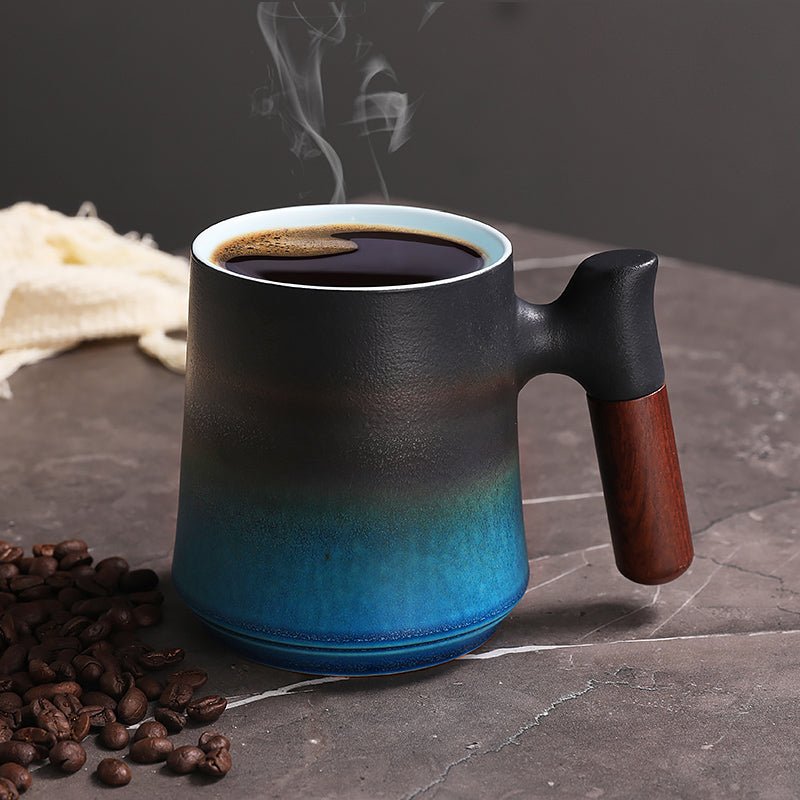
Coffee Mug Stainless Metal: How to Choose the Right One
A stainless metal coffee mug should feel good in the hand, clean easily, and suit the way you actually drink coffee. We break down size, handle shape, care, and the trade-offs so you can choose wit...
Weiterlesen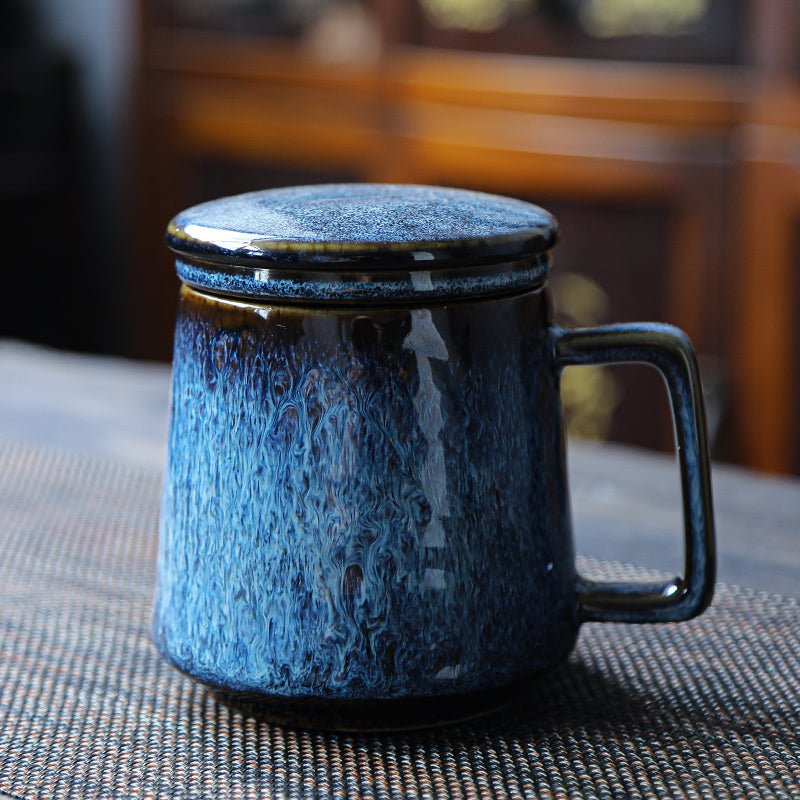
Coffee Mugs Wholesale: How to Choose Bulk Mugs That Fit Buyers
Compare coffee mugs wholesale options by style, size, and everyday durability before you place a bulk order. We cover what sells on shelves, what works in offices, and where certain mug shapes are ...
Weiterlesen
Hinterlasse einen Kommentar
Diese Website ist durch hCaptcha geschützt und es gelten die allgemeinen Geschäftsbedingungen und Datenschutzbestimmungen von hCaptcha.