
Coffee Mug Stainless Metal: How to Choose the Right One
Reading time: about 9 minutes
Stainless metal mugs usually lose buyers for two reasons: they look right online and feel wrong in real life. The cup that seems sleek in a photo can turn out too slippery, too light, too heavy, or awkward to sip from at a desk.
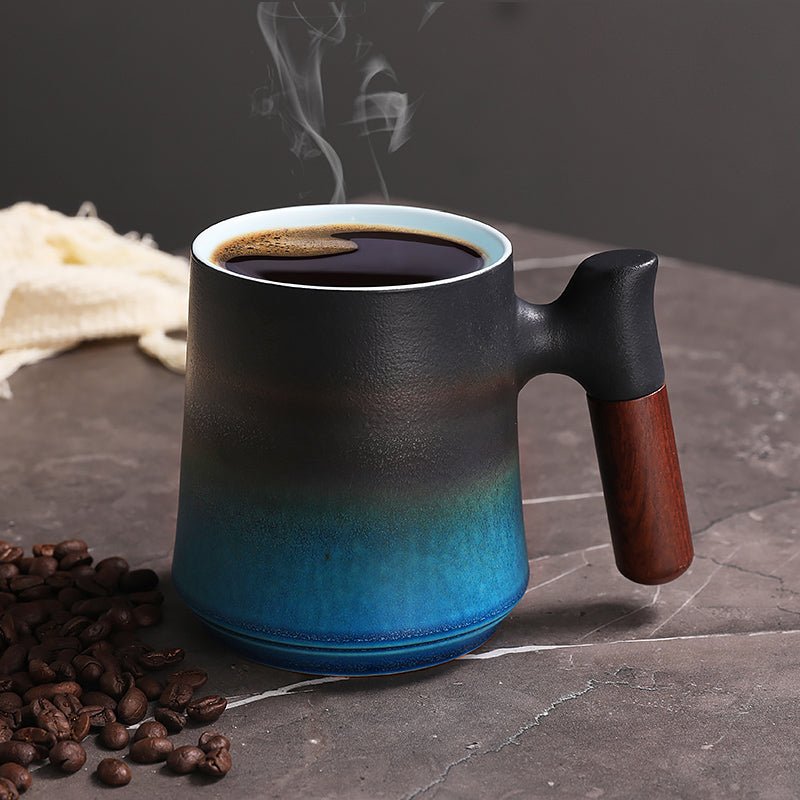
In our store, we see the same pattern after unboxing: shoppers want a cleaner, tougher mug, but they still need something that sits well on a kitchen counter, handles daily rinses, and does not feel fussy before the first refill. If you are comparing options now, start with our full collection, or jump straight to a handled style like the Ball Handled Coffee Tea Mug and the Gradient Coffee Tea Mug to see how different finishes change the feel in hand.
What should a coffee mug stainless metal do well?
A good coffee mug stainless metal is not just about the material. It should make hot coffee easier to drink, not more annoying. That means a smooth lip, a stable base, a handle that does not crowd your knuckles, and a finish that still looks decent after a few sink cycles.
We tell shoppers to check four practical points before they buy:
- Rim comfort: the lip should feel smooth, not sharp or rolled in a way that catches on your lower lip.
- Weight balance: an empty mug should feel sturdy, but not so heavy that it feels clumsy before you pour coffee into it.
- Handle clearance: your fingers should fit without touching the hot wall of the cup.
- Base stability: a mug that wobbles slightly on a desk is usually more annoying than shoppers expect.
If you want a deeper pre-buy checklist, our article on Coffee Mug Stainless: What to Look For Before You Buy covers the practical details we look at before we put a mug on our shelves.
There is also a trade-off worth saying out loud: stainless metal is not the best fit for someone who wants the soft, neutral feel of ceramic. Steel can feel a little more utilitarian. It can also sound brighter when set down, and if the mug is not insulated, it may transfer heat to the outside faster than you want.
Which size feels right for your daily coffee?
Size is where a lot of returns happen. A mug that is technically "nice" can still be wrong for the way you actually drink. Some people want a smaller cup that stays manageable and finishes while the coffee is still hot. Others want room for milk, foam, or a second pour from the pot.
| Common use | Practical size range | What it does well | What to avoid |
|---|---|---|---|
| Strong black coffee at a desk | 8 oz to 12 oz | Keeps the serving focused and easier to finish before it cools | Oversized mugs that leave too much air above a small pour |
| Standard home coffee or tea | 12 oz to 14 oz | Balanced for most daily pours without feeling oversized | Very narrow cups that are hard to clean around the interior |
| Milk drinks, larger pours, or second servings | 16 oz and up | Gives room for milk, foam, or a fuller mug without spill anxiety | Bulky shapes that dominate a small desk or crowded dishwasher rack |
For many buyers, 12 oz to 14 oz is the safest middle ground. It is big enough for a real cup of coffee, but not so large that it starts to feel like a small bowl. If you drink lighter roasts slowly, or you top up from a coffee carafe during the morning, a larger mug can make more sense. If you prefer a lower-profile shape, the Retro Coffee Tea Cup is the kind of silhouette that usually appeals to shoppers who want a more classic, compact feel.
One more practical point: stainless mugs that are too large for the actual pour can cool unevenly. You end up sipping around a bigger open surface, which is not ideal if you drink slowly. That is why a good match between mug size and coffee habit matters more than a flashy finish.
Which handle and shape are easier to live with?
Handle shape is not a small detail. It changes how the mug feels every single time you lift it, especially if you are drinking while answering email or carrying the mug from the kitchen to a meeting room. A handle that looks decorative can be uncomfortable after a week of use.
Here is how we think about shape in real use:
- Rounded or ball-style handles give the fingers a clear stop point and can feel more deliberate in the hand. They are a good fit if you like a grip with a little more character, like the Ball Handled Coffee Tea Mug.
- Straighter handles usually feel more familiar and easier for quick desk use. They tend to suit people who want a simple everyday mug rather than a statement piece.
- Lower-profile silhouettes are easier to tuck under a cabinet or fit beside a monitor, but they may not feel as secure if you have larger hands.
We also inspect for common defect modes that generic product copy tends to ignore: a rough weld at the handle joint, a base that rocks on a flat counter, a lip that feels unfinished, and a coating that shows scratches quickly after being set down next to keys or cutlery. Those are the details that separate a mug you keep from one that sits in the back of the cupboard.
The Gradient Coffee Tea Mug is the kind of option shoppers usually compare when they want a more finished look without giving up daily practicality. If the finish matters to you, do not judge it only from the product photo. Think about how it will look after a few rinses, a few coffee drips, and the usual desk-life handling that every real mug goes through.
How should you clean and care for it without dulling the finish?
Stainless is low-fuss, but not no-fuss. If you want the mug to look good longer, the care routine matters. Coffee oils build up fast, especially around the rim, under the handle, and in any seam or decorative groove.
Our practical care routine is simple:
- Rinse the mug soon after use so dried coffee does not cling to the inside walls.
- Wash with warm water, mild dish soap, and a soft sponge.
- Pay attention to the lip and handle joint, where residue tends to hide.
- Dry it fully before storing so water spots do not build up on brushed finishes.
- Avoid abrasive pads and harsh powders that can dull polished steel or scratch coated surfaces.
If the mug has a lid or seal, separate the parts before drying so moisture does not sit in the gasket area. If a listing says dishwasher-safe, top-rack washing is still the safer choice for preserving the finish. Even then, repeated dishwasher cycles can change the look of some decorative coatings over time. That is normal wear, not a defect.
For shoppers who want a more detailed take on insulated options, our guide to How to Choose a Stainless Insulated Coffee Mug for Daily Use explains where insulation helps and where it adds bulk you may not want. A stainless mug is also not the right choice if you rely on the microwave. Steel is not microwave-safe, and that alone rules it out for some kitchens.
Which mug fits home, office, or gifting?
Different buyers care about different things. A home mug can be slightly more expressive. An office mug should be easy to carry, easy to set down, and easy to recognize on a crowded desk. A gift mug needs to feel thoughtful without becoming too specific to one taste.
| Scenario | Best fit | Why it works |
|---|---|---|
| Home kitchen | Retro or rounded styles | Feels familiar on a counter and suits relaxed daily use |
| Office desk | Handled mugs with a stable base | Better for quick lifts between keyboard, notes, and meetings |
| Gift purchase | Distinctive shape or finish | Looks intentional when unboxed, not like a generic cup from a drawer |
That is why we keep the buying process simple in our store. If you want to see the whole spread of shapes and finishes in one place, browse our collection first. If you want a second opinion on what matters most before checkout, Coffee Stainless Mug Buying Guide for Daily Use and Office Carry is a useful companion piece because it focuses on the same real-world use cases we hear about from customers.
There is also a limit to what stainless is best at. If someone wants a mug that can go from coffee bar to microwave to dishwasher without thought, ceramic is usually simpler. If they want a mug that can handle a more active desk, a sturdier feel, and less worry about chipping, stainless metal makes more sense.
Frequently asked questions
Is a coffee mug stainless metal good for hot coffee at a desk?
Yes, especially if you want something sturdy and easy to carry between the kitchen and your workspace. A good stainless mug is useful on a desk because it resists chips and can feel more durable than ceramic, but an uninsulated version may cool faster than you expect. If you sip slowly, choose a size that matches your drinking pace.
Can I put a stainless metal coffee mug in the dishwasher?
Sometimes, but not always with the same results long term. Even when a mug is labeled dishwasher-safe, repeated cycles can dull brushed finishes or decorative coatings. We recommend hand washing if you want to preserve the original look, especially on specialty finishes.
Does stainless steel change the taste of coffee?
It should not if the mug is clean and well made. Any metallic taste people notice is usually from residue, not the steel itself. Washing the mug promptly and drying it well helps prevent stale coffee oils from affecting the next cup.
What size coffee mug stainless metal should I buy for milk drinks?
For lattes, cappuccinos, or coffee with a good amount of milk, 14 oz to 16 oz is usually the more comfortable range. That gives you room for foam or a larger pour without feeling cramped. Smaller mugs can work, but they fill up fast and leave less room for topping off.
Is stainless metal better than ceramic for commuting or office carry?
For movement between rooms, desks, or meetings, stainless usually wins on durability. It is less likely to chip if bumped, and it feels more secure in a busy environment. Ceramic still works if you want microwave use and a softer drinking feel, but it is the riskier choice for a crowded office.
If you are ready to compare by shape instead of by guesswork, start with the handle style, then check the size, then look at the finish. Our collection is the quickest way to compare the options side by side and choose the mug that fits your kitchen, desk, and daily coffee routine.
Read more
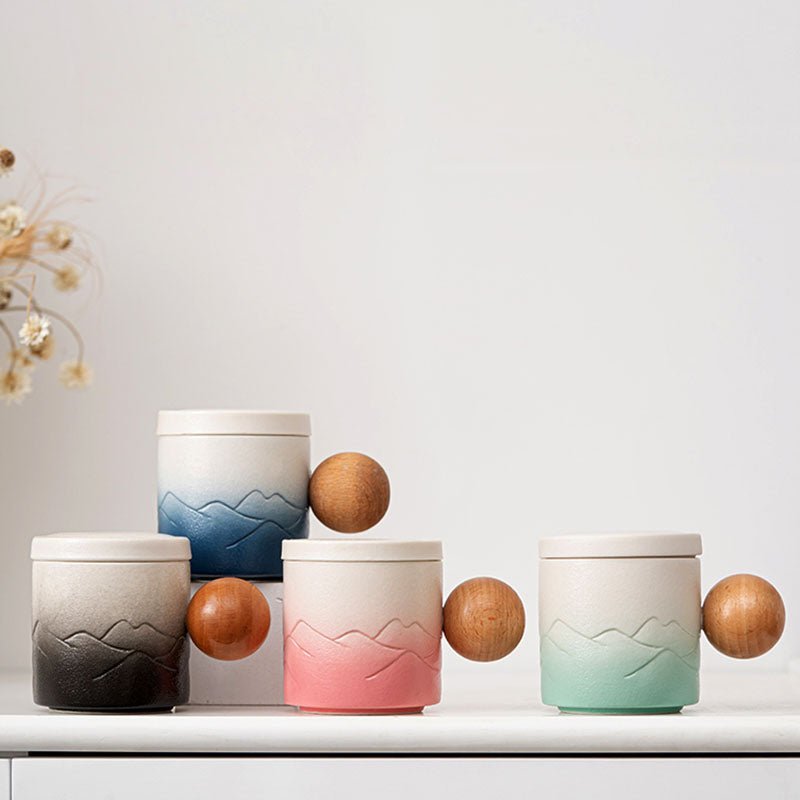
15 Ounce Coffee Mug Buying Guide for Size, Fit, and Daily Use
A 15 ounce coffee mug gives you more room for a full pour, milk, or tea without jumping to a oversized cup. Here’s how we help shoppers choose a mug that fits the drink, the hand, and the kitchen s...
Weiterlesen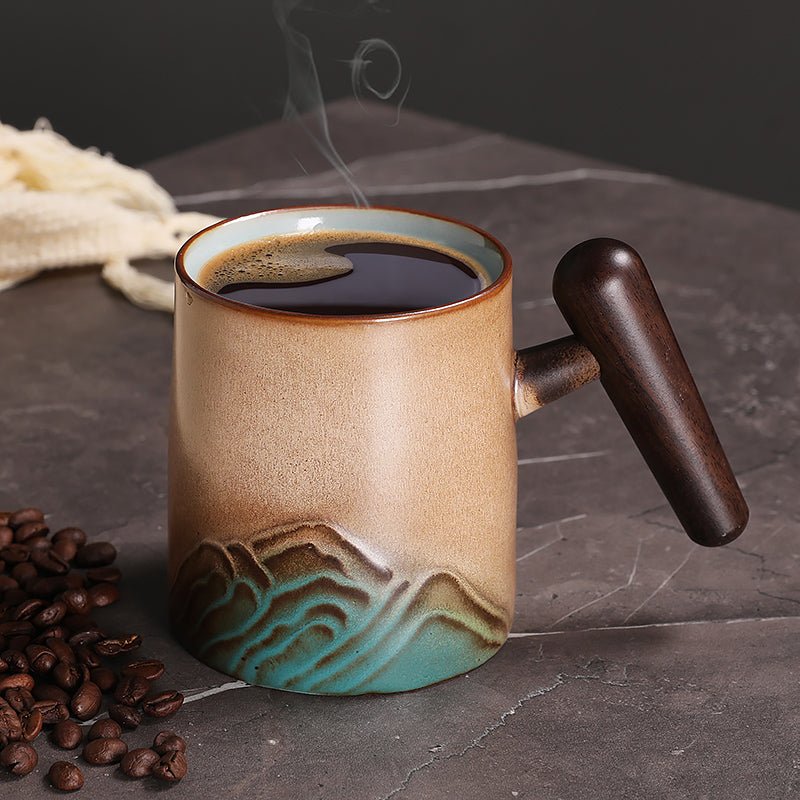
How Many Ounces Is a Normal Coffee Mug?
Most everyday mugs land around 11 to 12 ounces, but the right size depends on how you actually pour coffee at home, at work, or as a gift. We break down usable capacity, common trade-offs, and what...
Weiterlesen
Hinterlasse einen Kommentar
Diese Website ist durch hCaptcha geschützt und es gelten die allgemeinen Geschäftsbedingungen und Datenschutzbestimmungen von hCaptcha.