
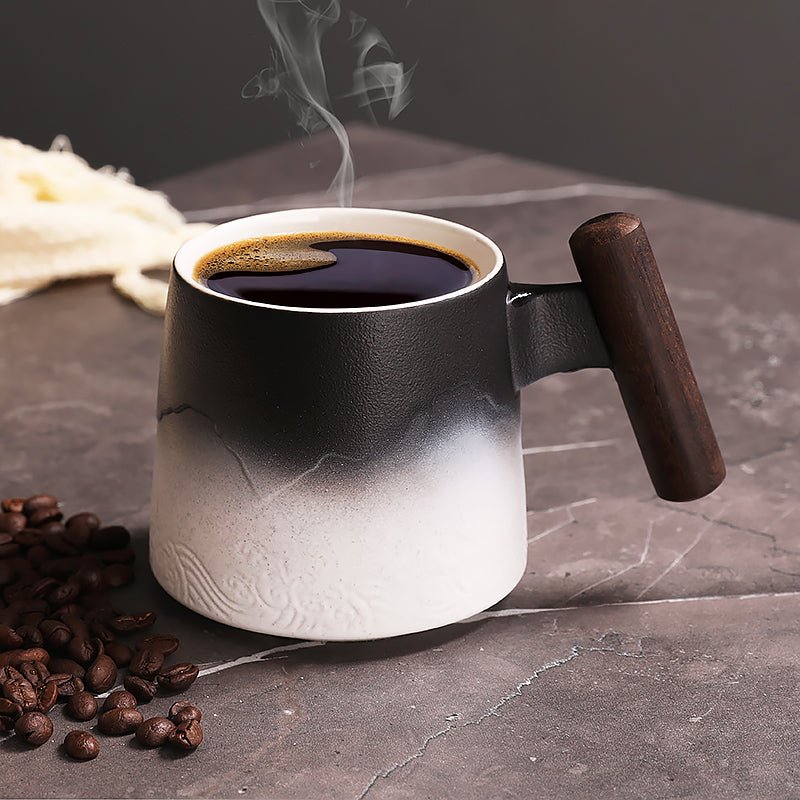
How Many Ounces Is a Coffee Mug? Sizes, Fits, and Buying Tips
Reading time: about 9 minutes
A mug can say 12 ounces on the bottom and still only feel right with 10 ounces of coffee in it. That gap is where most buyers get tripped up, especially when they are comparing a breakfast mug, an office desk cup, and a gift mug that looks larger in photos than it does in hand.
At CoffeifyMug, we handle this category every day, and the same question comes up in different forms: how many ounces is a coffee mug, and how much coffee will it actually hold without spilling over the rim? The answer depends on the mug style, the wall thickness, and whether you mean brimful capacity or a practical pour.
How many ounces is a coffee mug in everyday use?
Most coffee mugs land in the 11 to 15 ounce range. That is the size band buyers usually think of as a normal mug for drip coffee, instant coffee, or a generous tea pour.
In store terms, a smaller mug around 8 to 10 ounces feels compact and is better for a short pour, a cappuccino, or a cup you want to finish while the coffee is still hot. A larger mug at 16 ounces or more works for people who want fewer refills, but it can feel bulky on a crowded desk or under a standard single-serve machine.
If you want a broader breakdown of the usual size range, our guide on How Many Ounces Is a Regular Coffee Mug? Buyer Guide goes deeper into what shoppers usually mean by “regular.” For a second angle on the same buying question, see How Many Ounces Is a Standard Coffee Mug? A Buyer’s Guide.
Why does a mug’s stated size differ from the amount you pour?
The number printed or listed for a mug is usually a maximum capacity, not the amount you should serve into it. Once you account for a lip, a tapered opening, or a large handle that takes up visual space, the usable volume can feel smaller than expected.
Here is what changes the real-world fill:
- Rim shape: A straight-sided mug holds more to the brim than a flared mug of the same height.
- Wall thickness: Thick ceramic walls reduce interior space a little, even if the mug looks substantial.
- Handle size: A large handle does not reduce internal ounces, but it changes how the mug sits in a cup holder or under a brewer.
- Pour preference: Many people leave headroom to avoid splashes, especially for lattes, hot tea, and desk use.
That is why a 12-ounce mug may feel like a comfortable 10-ounce coffee pour. It is also why product photos can mislead if you are judging by height alone. A short, wide mug may hold as much as a taller mug with thinner walls.
Which mug size fits your coffee routine best?
The right size depends on what you drink and where you drink it. We see buyers narrow it down fastest when they think about the actual moment of use: early kitchen counter coffee, a refill at the office, or a gift that needs broad appeal.
| Mug size | Typical use | What it does well | Trade-off |
|---|---|---|---|
| 8 to 10 oz | Espresso drinks, short coffee, smaller servings | Stays hot longer, feels lighter in hand | Needs refills more often |
| 11 to 12 oz | Standard drip coffee, everyday home use | Most versatile for daily routines | May feel small for big milk drinks |
| 14 to 16 oz | Long coffee pours, tea, work-from-home desks | Fewer refills, room for milk or creamer | Can cool more slowly and take up more cabinet space |
| 18 oz and up | Large beverages, soup, all-day sipping | Good for heavy drinkers | Not ideal for compact brewers or small hands |
If you are comparing multiple shapes and capacities, our article How Many Ounces in a Coffee Mug? Sizes, Fits, and Buying Tips is a useful companion read. It covers the practical side of fit, not just the label size.
For shoppers who want a cleaner rule of thumb, here it is:
- Choose 8 to 10 ounces for espresso-based drinks or smaller servings.
- Choose 11 to 12 ounces for the most balanced everyday mug.
- Choose 14 to 16 ounces if you pour large coffees or add a lot of milk.
- Choose 18 ounces or more only if you really want a large mug and have space for it.
What materials change how a mug feels at the same ounce size?
Two mugs can both hold 12 ounces and still feel completely different in hand. Material affects weight, heat retention, lip feel, and how the mug behaves after repeated dishwasher cycles.
In our experience, these are the main differences buyers notice:
- Ceramic: The most common choice. It feels familiar, usually has a thicker wall, and works well for daily coffee. Good ceramic mugs should have a smooth glaze and an even rim.
- Porcelain: Often lighter and more refined in hand. It can be a better choice for a cleaner table presentation, but very thin porcelain may feel delicate for rough office use.
- Double-wall stainless steel: Better for heat retention than open ceramic, but not the best pick if you want the classic mug feel or a traditional microwave-safe cup.
There are also practical durability details that matter. On ceramic mugs, we watch for hairline glaze cracks, uneven bases that rock on the counter, and handle joins that feel weak under a full pour. On printed mugs, repeated dishwasher cycles can dull the design over time if the print is not well cured. On hand-decorated mugs, metallic accents and specialty finishes often need gentler care than plain glazed pieces.
That is the trade-off: the most decorative mug is not always the most durable mug. If you want something for daily reheats, desk use, and machine washing, plain glazed ceramic is usually the safer choice. If you want a display piece or gift mug, appearance may matter more than maximum durability.
How do you choose a mug for home, office, or gifting?
The best mug for a kitchen counter is not always the best mug for a shared office break room. We think about use case first, because that tells you what size and shape will actually work.
For home use, a 11 to 12 ounce mug is the safest middle ground. It fits most routines, does not dominate a shelf, and works for coffee or tea. For office use, a wider mug can be awkward under some machines, so check both height and width before buying. For gifting, the safest choice is usually a classic shape in the mid-size range unless you know the recipient prefers a large mug.
If you want to browse styles while you compare sizes, our full assortment is here: our collection of mugs and drinkware. If you already know you want to shop by product rather than read guides, start at our products page.
These details matter more than most shoppers expect:
- Base diameter: A wide base feels stable on a desk, but it may not fit every machine tray.
- Rim thickness: A thinner rim usually feels nicer to drink from, while a thicker rim can feel sturdier.
- Handle clearance: If your hand is larger, a tight handle cutout becomes annoying fast.
- Dishwasher fit: Some oversized mugs are technically dishwasher safe but take up too much rack space to be convenient.
What should you check before buying a coffee mug online?
Photos help, but the listing details tell you whether a mug will work on your counter. We recommend checking the capacity, height, width, and care instructions before you buy.
Look for these items first:
- Capacity in ounces: Confirms whether the mug is compact or oversized.
- Height and opening width: Important for coffee machines, cabinets, and cup holders.
- Material: Tells you how it will feel and how it should be cleaned.
- Care instructions: Dishwasher safe and microwave safe are not the same thing.
- Finish: Matte, gloss, printed, or glazed surfaces wear differently over time.
One common mistake is buying a large mug for a small brewer. Another is choosing a decorative mug that looks great in a listing but is too tall for the space under the machine spout. A third is overlooking the handle shape, which matters more than buyers expect if the mug is meant for daily use.
Our practical rule: if you drink coffee fast and like a clean, standard feel, buy the mid-size mug. If you pour large lattes or want fewer refills, step up one size. If the mug is mainly for display or gifting, check the finish and shape as carefully as the capacity.
Frequently asked questions
Is a 12-ounce coffee mug a standard size?
Yes, 12 ounces is one of the most common everyday mug sizes. It usually works well for drip coffee, tea, and most single servings without feeling oversized. In our experience, it is the safest starting point if you do not know the recipient’s preference.
How many ounces is a regular coffee mug for black coffee?
Most regular mugs for black coffee fall around 11 to 12 ounces, though some shoppers prefer 8 to 10 ounces for a tighter pour. If you want a deeper breakdown of serving size and coffee volume, our post on How Many Calories in a Mug of Black Coffee? A Practical Buyer’s Guide is a useful companion.
Does a larger mug keep coffee hotter longer?
Not necessarily. A larger mug can hold more liquid, but that does not automatically mean better heat retention. Material, wall thickness, and how much air space is left above the coffee all affect how fast it cools.
Are bigger mugs better for lattes?
Usually yes, especially for milk-heavy drinks that need room for foam and crema. A 14 to 16 ounce mug is often more comfortable for lattes than a tight 10-ounce cup. Just make sure the mug still fits your brewer or milk-frothing setup.
Can I put every coffee mug in the dishwasher?
No. Plain glazed ceramic mugs are often dishwasher safe, but hand-painted designs, metallic accents, and some specialty finishes may need hand washing. Check the care instructions closely, especially if the mug is a gift or has printed decoration.
If you are still deciding, compare the mug size against your daily pour, your machine clearance, and how you plan to clean it. Then browse the full collection for a shape that fits your routine, not just the number on the label.
More from our blog
Read more
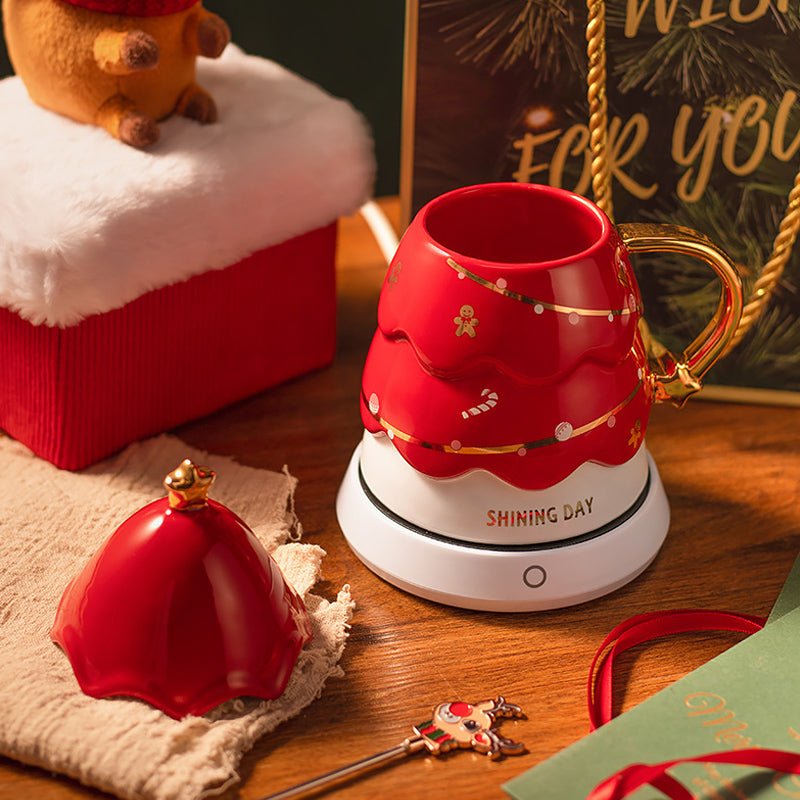
Coffee Mug Santa: What to Check Before You Buy a Holiday Mug
A coffee mug santa works best when it fits the drink, the hand, and the washing routine. We cover the size, material, and print details that matter before you order.
Weiterlesen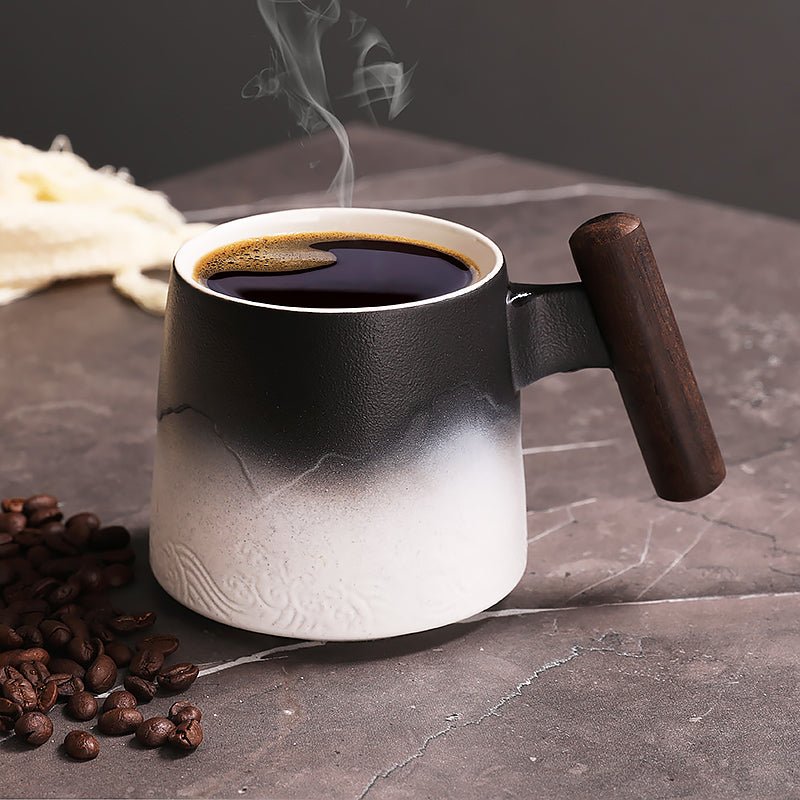
Pottery Barn Coffee Mugs: What to Check Before You Buy
A practical buyer's guide to pottery barn coffee mugs, with size, material, and care checks based on what actually matters on a kitchen counter or office desk. Use it to narrow down the right mug b...
Weiterlesen
Hinterlasse einen Kommentar
Diese Website ist durch hCaptcha geschützt und es gelten die allgemeinen Geschäftsbedingungen und Datenschutzbestimmungen von hCaptcha.