
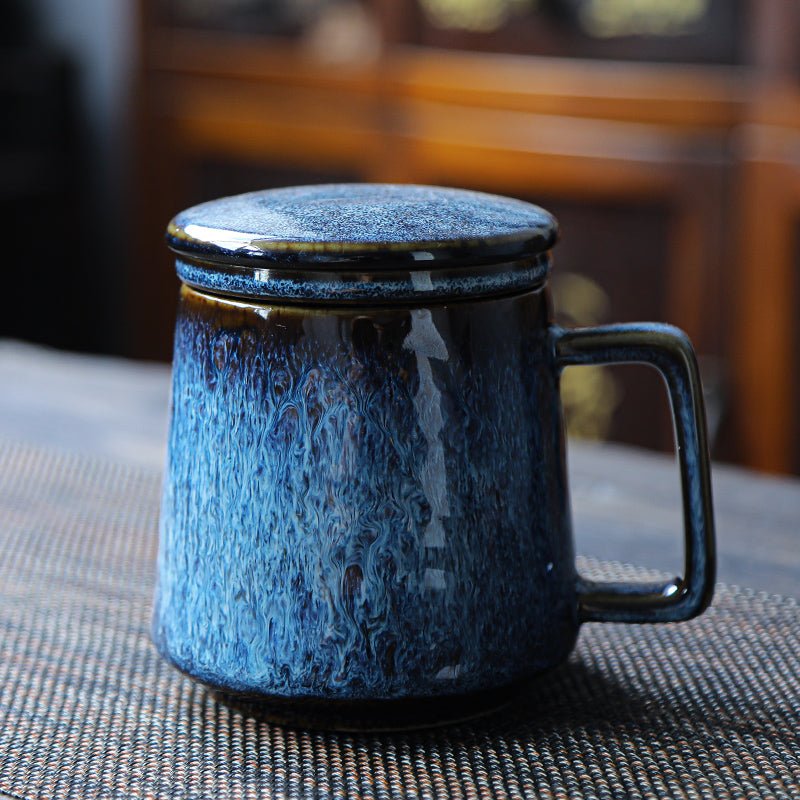
Wassail Mug Morning Routine Product Shortlist Guide: 3 Sizes
Reading time: about 8 minutes
The mug is empty at 8:20 a.m., but making a refill means leaving the desk just as the first call begins. That small interruption is the practical problem behind this wassail mug morning routine product shortlist guide: matching listed capacity to the time you have, the amount you normally pour, and your tolerance for a second trip to the kitchen.
In our store, we narrow this decision with facts we can verify. The Flow is listed at 400 ml, Morning and Night at 440 ml, and The Rock at 480 ml. We compare those capacities and explain how to assess handle comfort for your own grip. We do not use the product names to infer recipe contents, historical authenticity, special temperature performance, materials, care properties, or extras.
Why do 400, 440, and 480 ml matter before 9 a.m.?
The three capacities form a simple progression. Morning and Night adds 40 ml over The Flow. The Rock adds another 40 ml, making it 80 ml larger than The Flow by listed capacity. Those differences only help if they correspond to the serving you actually make.
Measure that serving before comparing mugs. Memory is unreliable, especially if you top up by eye. A quick kitchen-counter check gives you a more useful number:
- Prepare your usual morning drink in the vessel you currently use.
- Pour it into a marked measuring jug and record the volume before any refill.
- Decide how much empty space you prefer below the rim for carrying the mug to a desk.
- Record whether you normally refill once, avoid refills, or leave part of the drink unfinished.
Listed capacity is a comparison value, not an instruction to fill a mug to its edge. If your measured serving lands exactly at 400, 440, or 480 ml, consider the headspace you need for a steady walk from the counter. A shopper pouring 390 ml may evaluate a 400 ml listing differently from someone pouring 330 ml, even though both servings technically sit below the same listed figure.
| Morning pattern | Capacity starting point | Reason |
|---|---|---|
| Short drink at the kitchen counter | 400 ml | Smallest listed option in this three-mug comparison |
| One serving that varies slightly by day | 440 ml | Midpoint with 40 ml between it and either endpoint |
| Larger measured serving and low refill tolerance | 480 ml | Largest listed capacity of the three |
Your wassail mug morning routine product shortlist guide starts with the clock
Capacity should follow the schedule rather than lead it. Use the part of the morning during which you actually drink, not the total time between waking and leaving home.
- Ten to twenty minutes at the counter: Start with 400 ml if your measured serving fits with the headspace you prefer. Extra unused capacity offers little practical value in a short routine.
- A mixed kitchen-and-desk routine: Start with 440 ml when your serving changes from day to day or you are unsure which endpoint fits.
- A long work block with no planned refill: Start with 480 ml if your measured serving is above the useful range of the smaller options and still leaves your preferred carrying margin.
A larger listed capacity does not establish slower cooling or any other temperature result. It simply gives you more potential volume. If you sip slowly and regularly leave part of a large serving behind, choosing 480 ml to avoid a refill may create more waste rather than a better routine.
Three scenario picks, with a reason to choose or skip each
The Flow 400 ml: the quick-start option
Reader situation: Your measured pour sits comfortably below 400 ml, you drink near the kitchen, or a refill does not disrupt your schedule.
Why it fits: The Flow coffee and tea mug has the smallest listed capacity in this shortlist. Choose it when you do not need the additional 40 or 80 ml offered by the other two options.
Reason to skip it: Skip The Flow if your regular serving approaches 400 ml and you need generous headspace, or if running out during the first work block consistently bothers you. Capacity also cannot settle handle comfort, so inspect the handle view on the product page with your normal grip in mind.
Morning and Night 440 ml: the measured middle
Reader situation: Your morning volume changes modestly, or your measurement does not give a clear reason to choose the smallest or largest option.
Why it fits: Morning and Night is listed at 440 ml. It sits exactly 40 ml above The Flow and 40 ml below The Rock, making it the straightforward middle choice rather than a claim that it is universally better.
Reason to skip it: Skip it if your routine clearly points to an endpoint. A consistent smaller pour may leave the added room unused, while a serving already near 440 ml may not provide the headspace you want.
The Rock 480 ml: the low-refill choice
Reader situation: You have measured a larger usual serving and want the highest listed capacity in this three-product set because returning to the kitchen interrupts work.
Why it fits: The Rock coffee and tea mug is listed at 480 ml. That is 40 ml more than Morning and Night and 80 ml more than The Flow.
Reason to skip it: Skip The Rock if you normally prepare a much smaller amount, dislike carrying a fuller vessel, or tend to leave larger servings unfinished. Its 480 ml listing is not evidence of special heat retention. It also does not guarantee the best handle fit for every hand.
If none of these three styles suits your visual preference, keep the same measured-volume notes while browsing our unique coffee mugs collection. Capacity and handle fit should remain the filters, even when a design catches your attention first.
How can you judge handle comfort without guessing?
From handling this category, we have learned that comfort is personal. Hand size, finger placement, wrist position, and the amount in the mug all affect the result. We cannot responsibly label one of these three handles as the universal winner from capacity data alone.
Use a mug you already own to define your preferred grip before opening the product photos:
- Count your fingers: Notice whether you place one, two, or more fingers through the handle. Do not assume another shopper uses the same grip.
- Check knuckle clearance: Identify whether your knuckles touch the mug body on your current mug and whether that contact bothers you.
- Watch the wrist angle: Fill your current mug to your measured morning volume, lift it from the counter, and set it beside your keyboard. A neutral, controlled lift matters more than how the empty mug feels.
- Match the real movement: Consider the short carry from kettle or counter to table, including any doorway or stairs. More liquid means a fuller load, even though the listing does not tell us the empty weight of each mug.
Then study the side and handle views on each linked product page. Product photography can help you compare the opening and apparent clearance, but it cannot confirm an exact fit without relevant dimensions or an in-hand check. Treat handle comfort as a personal acceptance test, not a decorative feature.
Which routine signals mean you should use a different shortlist?
These three mugs begin at 400 ml. If your normal serving is substantially smaller, buying extra capacity may not solve any morning problem. Our 250-400 ml loose leaf tea mug morning shortlist provides a smaller-volume comparison without requiring you to force a compact serving into this range.
Readers whose measured serving already falls between 400 and 480 ml can also compare the scheduling logic in our 400-480 ml mocha mug morning shortlist. The drink context differs, but the useful questions remain concrete: how much do you pour, how long is the drinking window, and will you tolerate a refill?
Use a different product comparison if material, care instructions, travel closure, or verified temperature behavior is your deciding variable. This article does not compare those attributes. It also cannot determine recipe suitability or included items; current product-page information should govern any detail outside listed capacity and personal handle assessment.
Frequently asked questions
Which listed capacity is best for a no-refill morning?
The Rock offers the largest listed capacity here at 480 ml, but that does not automatically make it the best choice. Measure your normal serving first. If it fits comfortably within 400 or 440 ml and leaves the headspace you want, extra capacity may go unused.
Is a 400 ml mug too small for a morning wassail serving?
Not if your actual poured serving fits below the listed capacity with a carrying margin you find comfortable. The name of the drink does not determine the required volume. Measure one normal serving instead of estimating from the current mug's appearance.
How do I assess mug handle comfort before ordering online?
Start by identifying how many fingers you place through your current handle and whether your knuckles touch the mug body. Compare that grip with the product-page photos, while recognizing that a photo cannot guarantee fit. Also consider how the mug feels when filled to your usual volume, since an empty-hand check misses the load you carry each morning.
Does this wassail mug morning routine product shortlist guide compare heat retention?
No. It compares the verified listed capacities of 400, 440, and 480 ml and gives you a method for evaluating handle comfort. It does not claim special temperature performance, and a larger capacity should not be treated as evidence that a drink will stay warm longer.
Your 60-second checkout decision
- Write down your measured usual serving in milliliters.
- Allow for the empty space you prefer below the rim.
- Choose 400, 440, or 480 ml based on that number and your refill tolerance.
- Compare handle photos with your usual finger count, knuckle clearance, and wrist position.
- Skip any option that adds unused capacity or leaves too little carrying margin.
Keep those five answers beside you, revisit the three product pages, and use the unique coffee mugs collection if the shortlist does not produce a clear capacity and handle match.
More from our blog
Read more
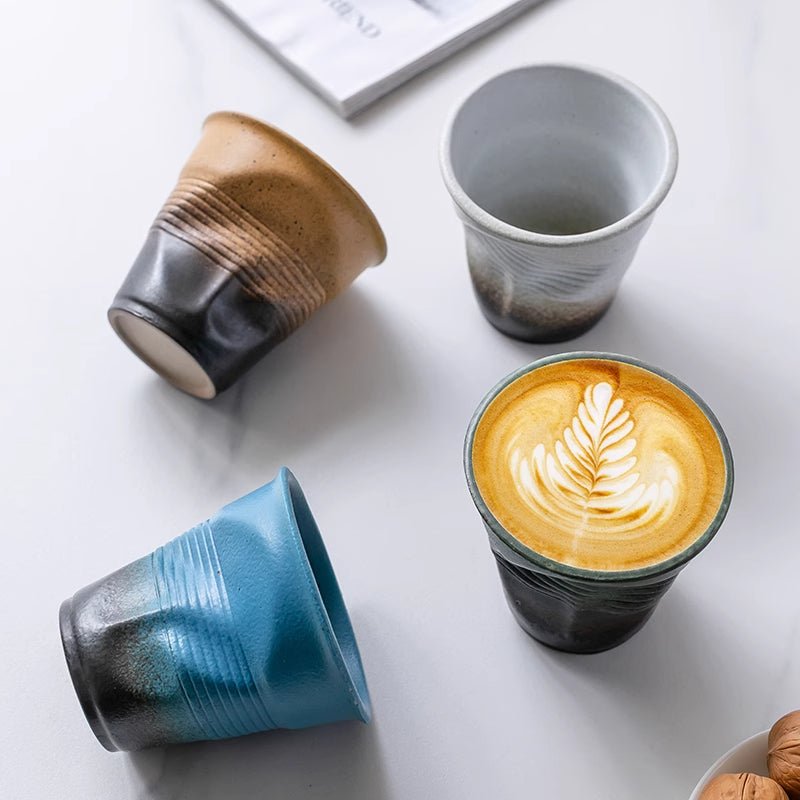
Flat White Cup Shared Household Practical Purchase Checklist
Compare CoffeifyMug's verified 200 ml, 250 ml, and 270 ml options by serving habit, usable headroom, grip, storage, and care questions. Includes a household vote and arrival inspection.
Read more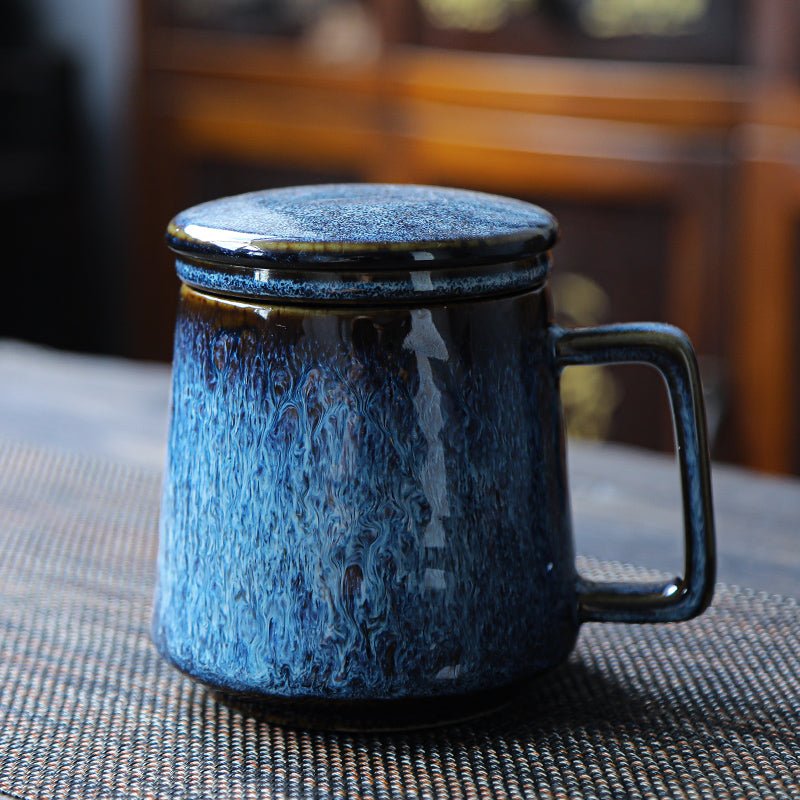
Peppermint Tea Mug Morning Routine Product Shortlist Guide: 3 Picks
Compare The Flow 400 ml, Morning and Night 440 ml, and The Rock 480 ml by usual drink volume, refill tolerance, and handle fit. Each pick includes a clear reason to choose it or cross it off.
Read more
Leave a comment
This site is protected by hCaptcha and the hCaptcha Privacy Policy and Terms of Service apply.