
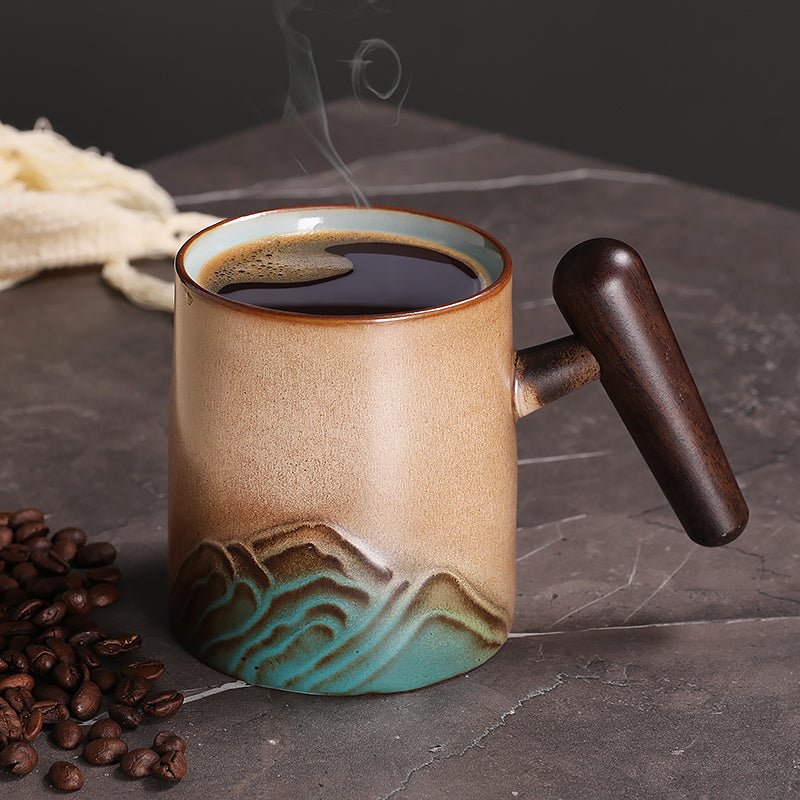
Titanium Coffee Mug Buying Guide: What Matters Before You Buy
Reading time: about 9 minutes
A mug that dents, gets too hot to hold, or feels awkward on a desk gets retired fast. That is usually the moment shoppers start looking at a titanium coffee mug, because they want something lighter than ceramic, tougher than glass, and less fussy than insulated drinkware.
We sell drinkware for real kitchens, office desks, and gift boxes, so we look at mugs the way buyers actually use them: morning coffee at the counter, reheats in the office microwave, rinse-and-go cleanup in the sink, and the occasional drop onto a hard floor. Titanium can be a smart pick, but it is not the right answer for everyone. Below, we break down what a titanium coffee mug does well, where it falls short, and which style makes sense for your routine.
For shoppers comparing options, it also helps to see the rest of our mug lineup side by side. You can browse our full collection while you read, then narrow down by shape, capacity, and handle comfort.
What does a titanium coffee mug do better than ceramic or stainless steel?
A titanium coffee mug appeals for three practical reasons: low weight, corrosion resistance, and durability under rough handling. Titanium does not chip the way ceramic can, and it usually feels lighter in hand than a similarly sized stainless-steel mug. That makes it a good fit for backpacks, campsites, job sites, and people who do not want a heavy mug on a crowded desk.
Compared with ceramic, the trade-off is heat behavior. Titanium is a metal, so it can feel hot to the touch sooner than thick ceramic if you pour in very hot coffee and leave the mug uncovered. Compared with double-wall insulated steel, a plain titanium mug is usually not designed to keep drinks hot for a long time. If heat retention is your main goal, an insulated tumbler may be a better choice.
In our experience, buyers who like titanium are usually choosing it for one of these use cases:
- Camping or travel: lighter pack weight and fewer worries about chips.
- Office use: easy to move from desk to break room and less likely to crack if knocked over.
- Minimalist kitchen setups: one sturdy mug that can handle daily use without babying.
If you are still comparing basic sizes for everyday use, our guides on 12 oz coffee mug fit and daily use and 11 oz coffee mug size and fit are useful references before you choose a material.
Is a titanium coffee mug good for everyday coffee at home?
Yes, if you want a mug that is sturdy, lightweight, and easy to rinse out. At home, titanium works best for people who drink coffee fairly quickly, refill often, or want a mug they can toss into a tote without worrying about chips. It is also a sensible choice for kitchens with limited cabinet space because you are less likely to keep a separate “good mug” and “backup mug.”
There are a few limits. A titanium coffee mug is not the best pick if you want a thick, heavy mug that holds heat for a long sit-down breakfast. It is also not the most insulating option for slow sipping over an hour or more. For that kind of use, a ceramic mug with a thicker wall or a double-wall insulated cup is usually more comfortable.
We usually advise customers to think about how long their coffee sits before they finish it:
- Drink it fast: titanium makes sense.
- Leave it on the desk for a while: consider insulation or a thicker ceramic mug.
- Heat it and carry it around: choose a lid-compatible mug or a travel cup instead.
We also recommend checking the shape before you buy. A mug with a comfortable handle and a stable base matters more in daily use than the metal itself. A thin, tippy mug can be annoying even if the material is excellent.
What should you check before buying one online?
Shopping for a titanium coffee mug online is easier when you focus on a few concrete details rather than the material name alone. We look at the same things every time we add a mug to our store: capacity, rim comfort, handle size, wall thickness, and how the mug behaves in hand.
| Feature | What to check | Why it matters |
|---|---|---|
| Capacity | Approximate ounces or milliliters | Helps you match your usual coffee size and avoid overfilling |
| Wall thickness | Thin walls feel lighter; thicker walls feel sturdier | Affects heat transfer and durability |
| Handle shape | Knuckle clearance and finger grip | Comfort matters if you drink hot coffee often |
| Rim finish | Smooth rolled edge vs. sharp edge | Directly affects sip comfort |
| Care instructions | Hand wash or dishwasher-safe guidance | Prevents finish wear and keeps the mug looking good |
For most shoppers, the rim and handle are what separate a mug they use daily from one that ends up in the back of the cabinet. A great titanium body does not help much if the edge feels too thin or the handle is hard to grip with a full mug.
We also suggest watching for common defects or weak points in any metal mug:
- Out-of-round rims: can make sipping feel uneven.
- Wobbly handles: a problem on lighter mugs if welds or joins are poorly finished.
- Finish scratches: mostly cosmetic, but worth checking if appearance matters for gifting.
- Heat spots near the rim: normal with metal, but a reason to avoid overhandling when the mug is full.
Which style should you choose for desk use, gift use, or outdoor use?
We often see buyers choose based on the setting more than the material. That is the right approach. A titanium coffee mug that works well at a campsite may not be the nicest choice for a polished office desk, and a gift mug should look good as well as function well.
For a cleaner, more upright profile, take a look at our Landscape Tall Coffee Tea Mug. The taller shape works well for people who like a slim mug footprint on a desk or shelf. If you want a simpler, more traditional shape, our Round Coffee Tea Mug is the kind of everyday form many shoppers reach for first. For a giftable design with a more visual feel, the Elk and Moon Coffee Tea Mug fits a more decorative buyer.
Here is the plain version of how we would sort them:
- Desk and home office: choose a stable mug shape that fits near a keyboard and does not crowd the workspace.
- Gift buying: choose a design that feels intentional out of the box, not just functional.
- Outdoor use: choose durability and packability first, then worry about style.
If you want to compare more than one option before deciding, our full collection gives you a quick way to scan different shapes in one place.
How do you care for a titanium coffee mug so it lasts?
Titanium is low-maintenance, but it is not maintenance-free. The main goal is to keep the drinking surface clean and avoid cosmetic wear from rough scrubbing. In our experience, most issues come from everyday habits, not from the material itself.
Simple care steps we recommend:
- Rinse soon after use, especially after coffee that sits and dries on the rim.
- Use a soft sponge or cloth instead of abrasive steel wool.
- If you see coffee staining, soak with warm water and mild soap before scrubbing.
- Dry fully before storing if you want to reduce water spots.
- Check the handle join or weld area occasionally if the mug is used in a bag or outdoors.
What titanium is not great for: aggressive cleaning pads, long exposure to harsh cleaners, and users who expect a polished finish to stay flawless forever. Light scuffs can happen on any metal mug. That is normal and mostly cosmetic, but it should be part of the buying decision.
If you are choosing between capacities as well as materials, our guides on 10 oz coffee mug fit and what to buy and 12 ounce coffee mug buying guide can help you avoid a mug that looks right but feels wrong in daily use.
What are the real trade-offs before you buy?
The biggest trade-off is comfort versus toughness. Titanium is a strong choice for durability and portability, but it is not automatically the most comfortable mug for slow sipping. It may also be a worse choice if you want a mug with a heavy, cozy feel in the hand.
Here is the honest breakdown we give shoppers:
- Choose titanium if you value light weight, durability, and easy carry.
- Choose ceramic if you want a warmer feel, more heat retention, and a classic table mug.
- Choose insulated steel if keeping coffee hot is the top priority.
- Choose glass if you want a clean look and do not mind more fragility.
A titanium coffee mug is not the best match for someone who likes a very heavy mug, who sits with coffee for a long time without reheating, or who wants a decorative glaze finish. Those buyers are usually happier with ceramic. On the other hand, if your mug lives in a backpack, glove box, or office tote, titanium can make a lot of sense.
Frequently asked questions
Is a titanium coffee mug safe for daily coffee use?
Yes, titanium is commonly used for drinkware and is a practical material for daily coffee use. The more important question is the mug’s finish, rim quality, and construction, since those affect comfort and durability more than the label alone.
Does a titanium coffee mug keep coffee hot longer than ceramic?
Usually no. A plain titanium mug tends to lose heat faster than a thick ceramic mug, and far faster than a double-wall insulated cup. If heat retention matters most, choose insulation over titanium.
Can I put a titanium coffee mug in the dishwasher?
Some can, but care depends on the specific mug and finish. We recommend following the product care instructions, because repeated high-heat dishwasher cycles can affect cosmetic finishes and make light wear more noticeable.
Is a titanium coffee mug good for camping?
Yes, that is one of its strongest use cases. It is light, tough, and less likely to chip in a pack. Just remember that metal can get hot quickly near boiling drinks, so handle it carefully.
What size titanium coffee mug should I buy?
Pick the size that matches how you actually drink coffee. If you usually pour a standard mug at home, around 10 to 12 ounces is a common fit; if you prefer longer breaks or tea as well, a larger capacity may make more sense. Size matters more than material if the mug feels too small or too bulky.
Which titanium coffee mug should you choose next?
If you want the simplest path, choose based on where the mug will spend most of its time: desk, home kitchen, or travel bag. Then check the shape, handle comfort, and care instructions before you decide.
If you want to compare the best-fitting options in our store, start with the full collection, then compare the Round Coffee Tea Mug, Landscape Tall Coffee Tea Mug, and Elk and Moon Coffee Tea Mug. That gives you a quick way to balance durability, everyday comfort, and the look you want on the counter or desk.
Before you buy, check three things: capacity, handle comfort, and whether you want a mug for quick drinking or longer sipping. That shortlist usually makes the decision obvious.
Read more
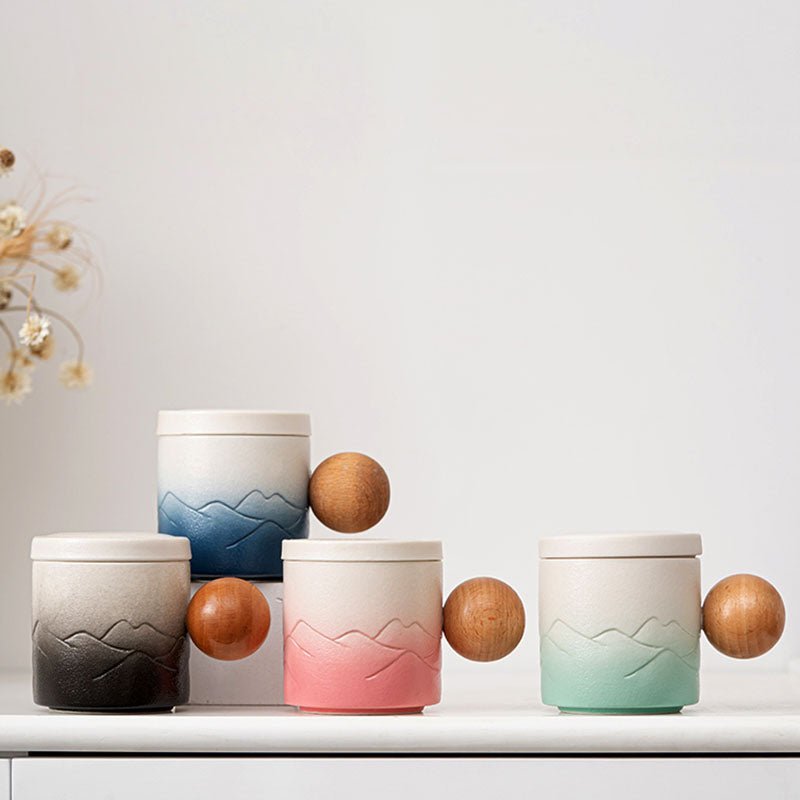
Papa Bear Coffee Mug: Size, Gift Fit, and Best Styles
A practical guide to choosing a papa bear coffee mug for everyday use, office desks, and gift boxes. Compare styles, care trade-offs, and the best starting points in our store.
Read more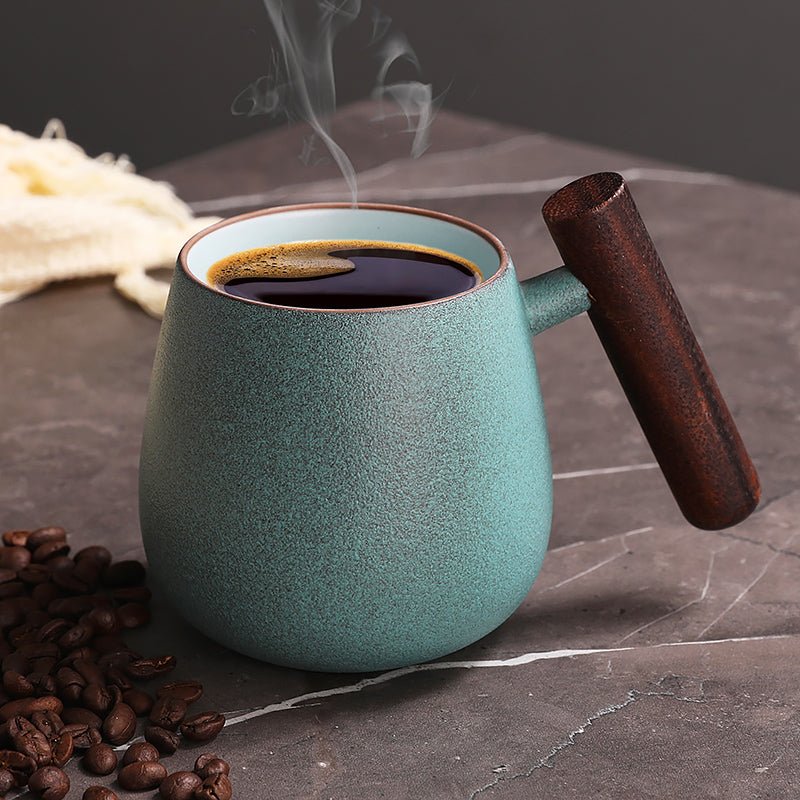
Printing on Coffee Mugs: Best Methods, Shapes, and Care
Printing on coffee mugs starts with the right method, the right mug shape, and the right care. This guide shows what lasts, what fails, and which styles fit real daily use.
Read more
Leave a comment
This site is protected by hCaptcha and the hCaptcha Privacy Policy and Terms of Service apply.