
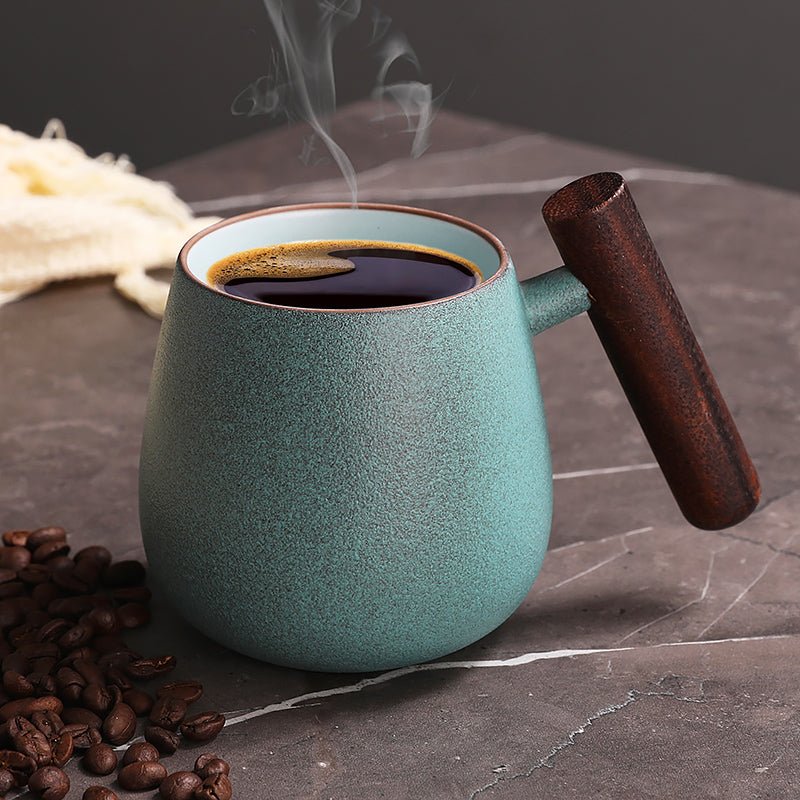
Printing on Coffee Mugs: Best Methods, Shapes, and Care
Reading time: about 8 minutes
A logo can look sharp on a screen and then fall apart once it wraps around a curved mug body. We see that problem all the time: the design was fine, but the handle cut into the artwork, the type sat too close to the rim, or the print looked crowded on the wrong silhouette.
That is why printing on coffee mugs is not just about the artwork. The mug shape, coating, surface finish, and care instructions all affect how the final piece looks on a kitchen counter or office desk. In our store, we pay attention to those details because shoppers usually want two things at once: a mug that looks good and one that still holds up after regular use.
If you are comparing silhouettes before you commit to a design, start with our Pleated Coffee Tea Cup, Golden Waves Kio Coffee Tea Mug, and The Flow Coffee Tea Mug. For a broader look at what we carry, browse the All Coffee Mugs collection.
Why does the mug shape matter for printing?
Shape changes the usable print area. A straight-sided mug gives a cleaner field for a logo or wrap design, while a textured or sculptural mug can interrupt small text and fine lines. That matters more than most people expect, especially when the artwork needs to sit evenly across the front of the cup.
For example, a pleated or wavy silhouette can look more premium on a shelf, but those surface changes are not ideal for tiny lettering or precise photo layouts. A smoother mug shape is the safer choice if your design needs consistent spacing from the handle to the front panel. If the goal is a gift mug that feels more decorative than corporate, the shape itself can become part of the design.
We usually think about three practical things before recommending a mug for print:
- Print zone width: how much flat-looking space you have before the handle or curve interrupts the design.
- Surface texture: smooth glaze is better for crisp text and line art than strong ridges or waves.
- Visual balance: a busy mug body can compete with a detailed print, even when the print itself is applied correctly.
That is why the mug shape matters as much as the artwork file. A simple logo can survive a textured cup. A dense photo collage usually cannot.
Which printing method lasts best on coffee mugs?
There is no single best method for every order. The right choice depends on color count, order size, and how the mug will be used. A desk mug for a few weekday coffees has different needs than a gift mug that will be washed daily in a busy kitchen.
| Method | Best for | What to watch for |
|---|---|---|
| Sublimation | Full-color artwork on coated ceramic mugs | Needs a compatible light-colored coated blank; not a fit for every dark mug |
| Screen printing | Simple logos, repeat orders, and spot-color artwork | More colors usually mean more setup; fine gradients can be harder to hold cleanly |
| Ceramic decal | Detailed decoration with a fired finish | Requires more production steps and may not suit fast, low-volume jobs |
| UV printing | Short runs and fast turnaround on certain mug surfaces | Can show wear sooner on high-friction areas if the mug gets heavy handling |
The honest trade-off is simple: the more detailed the print, the more you should care about the production method and the surface underneath it. A full-wrap design can look great on a smooth mug, but it is not the best choice for a rough, highly sculpted surface. If your priority is a long-lasting logo, keep the artwork clean and the colors limited. If your priority is visual impact, accept that maintenance matters more.
For shoppers also comparing mug capacity, our guides on 12 Ounce Coffee Mugs: Size, Fit, and Best Buying Choices and 16 Ounce Coffee Mugs for Daily Use: Size, Fit, and Shape Guide are useful before you lock in the print size. A bigger mug does not automatically mean more usable print space, but it often changes the visual balance.
What should you check before approving the artwork?
The mockup is only the first step. A design can look polished in a flat preview and still fail once it wraps around a real ceramic body. Before you approve anything, check the file, the color plan, and the safe zones near the handle and rim.
- Use the right file type. Vector files such as SVG, AI, or EPS are best for logos and text. For photo-based work, send a high-resolution PNG with clean edges.
- Keep critical details away from the seam. The handle area is where wrap designs are most likely to feel cramped or visually interrupted.
- Leave room at the top and bottom. Curved mugs lose clean vertical space near the lip and base. Text that sits too high or too low can look uneven once printed.
- Match the artwork to the surface. Glossy glaze makes colors pop, but it can also create reflections that weaken thin white text on cream or tinted mugs.
- Approve a realistic mockup. Ask for a view that shows handle placement, not just a straight-on front image.
We have also found that tiny serif type is one of the most common failure points. It may look refined on a laptop, but on a mug it can fill in, blur, or disappear when the cup is washed and handled every day. If your brand mark depends on small text, simplify it before printing.
Which mug styles fit different kinds of designs?
Different art styles want different mugs. A plain logo needs a calm surface. A decorative illustration can tolerate a more sculptural mug because the mug body and the print are working together instead of competing.
- Simple logo or text: choose the smoothest available mug body and keep the artwork centered.
- Full-wrap artwork: use a mug with a consistent sidewall and enough vertical room for the entire scene.
- Gift design with a bold visual mood: textured or shaped mugs can make the piece feel more intentional, especially for shelf display.
- Photo print: avoid heavy texture and overly dark surfaces unless the print method is built for it.
The Pleated Coffee Tea Cup works best when the shape itself is part of the appeal. The Golden Waves Kio Coffee Tea Mug has a more decorative feel, which suits designs that do not rely on tiny text. The Flow Coffee Tea Mug is the kind of silhouette we would point a shopper to if they want the mug to feel modern and display-ready rather than purely utilitarian.
That said, these styles are not the best fit for every print. If your priority is a perfectly straight corporate logo or a highly detailed wrap, a simpler mug body is safer. Decorative contours add personality, but they also reduce predictable print real estate.
How should printed mugs be cared for?
Care instructions matter because the print usually fails where the mug gets the most contact: the lip area, the handle, and the side that rubs against a sink divider or dishwasher rack. A mug that is fine on day one can fade early if it is treated like plain dinnerware with no thought for the print method.
- Hand wash when possible. This is the safest option for preserving color and edge sharpness.
- Use the top rack only if the maker says so. Heat and detergent can be rough on some print finishes.
- Avoid abrasive scrubbers. A rough sponge can dull the finish even if the print itself is still intact.
- Do not soak metallic or specialty finishes. Foils and accent prints can be more delicate than standard ceramic decoration.
- Watch the microwave. Some decorative inks and metallic details are not microwave-safe.
Printed mugs are great for everyday coffee, tea, and desk use, but they are not the best choice for harsh industrial dishwashing or situations where the mug will be dropped into a crowded sink all day. If the mug is for office use, travel back and forth, or frequent gift rotation, choose a design that can take normal wear without depending on fragile detail.
If you want a mug that will be opened, admired, and used often, pick a shape that feels good in the hand first. The print will only look better if the mug itself already fits the person using it.
Frequently asked questions
What is the best printing method for coffee mugs?
For full-color art on coated ceramic mugs, sublimation is usually the cleanest option. For simple logos and repeat runs, screen printing is often easier to manage. The best method depends on your artwork, the mug surface, and how many mugs you need.
Can printed coffee mugs go in the dishwasher?
Some can, but not all printed finishes hold up the same way. If the print uses specialty inks, metallic accents, or a less durable surface treatment, hand washing is the safer call. If you want the design to stay sharp longer, follow the care guidance for that exact mug.
Do textured mugs work for logo printing?
They can, but they are not the easiest surface for small text or fine line art. Texture changes how light hits the mug and can make details feel less crisp. For the cleanest logo result, a smoother mug shape is the better choice.
What file should I send for mug printing?
Vector files are best for logos because they stay sharp at different sizes. If you are sending artwork with photos or gradients, use a high-resolution file with a transparent background if needed. The cleaner the source file, the cleaner the final mug usually looks.
Is a full-wrap design a good idea on every coffee mug?
No. Full-wrap designs work best on mugs with a predictable sidewall and enough uninterrupted space around the handle. On highly curved or textured mugs, the wrap can feel busy or uneven, and the final result may be less readable than a simpler front design.
If you are comparing mug shapes for a custom project, start with the All Coffee Mugs collection, then narrow the options by print style, size, and surface shape. If you are stuck between capacities, our 12 oz and 16 oz mug guides are the fastest way to avoid choosing a mug that looks good online but feels wrong in real use.
More from our blog
Read more
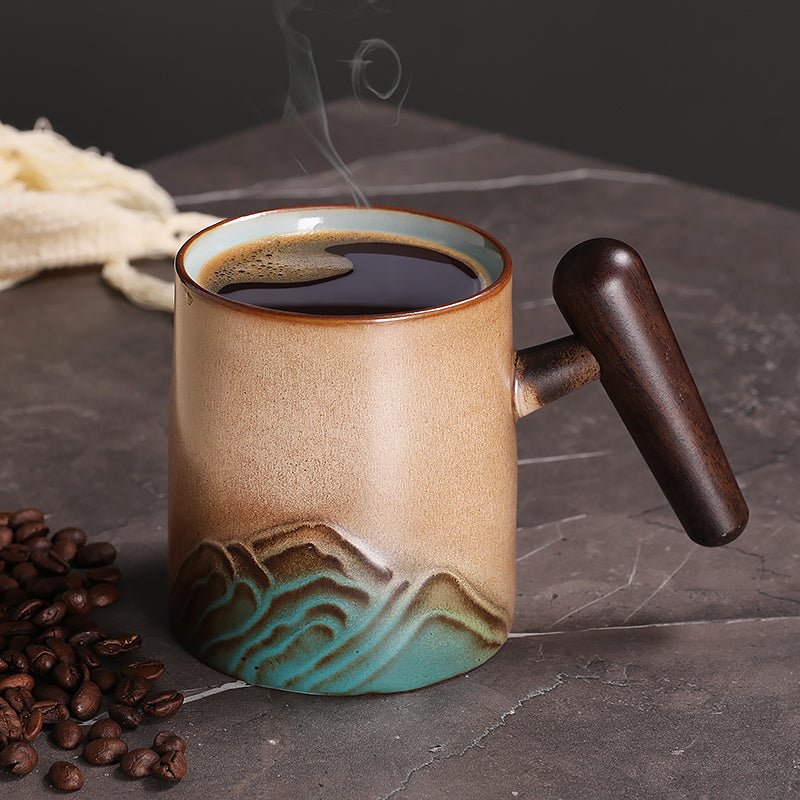
Titanium Coffee Mug Buying Guide: What Matters Before You Buy
A practical guide to choosing a titanium coffee mug for daily use, camping, office desks, and travel. We cover the trade-offs, care, fit, and which style is worth buying for your routine.
Read more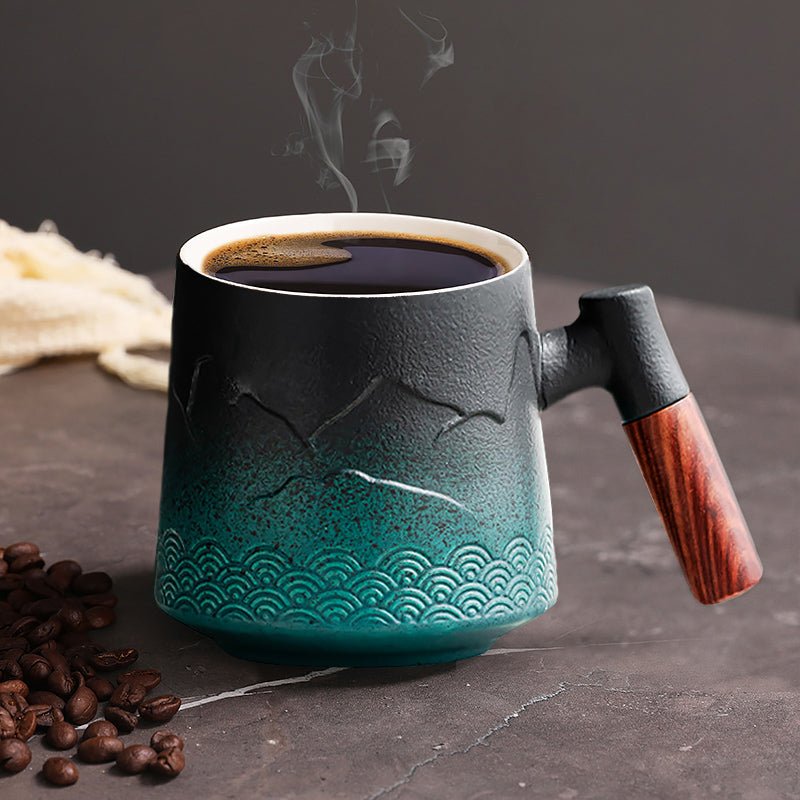
Coffee Mugs with Photos: What to Buy, What to Check, and Best Picks
Coffee mugs with photos can be a great gift or desk mug, but the details matter: print placement, mug size, finish, and how the image holds up in daily use. Here’s how we help shoppers compare opti...
Read more
Leave a comment
This site is protected by hCaptcha and the hCaptcha Privacy Policy and Terms of Service apply.