
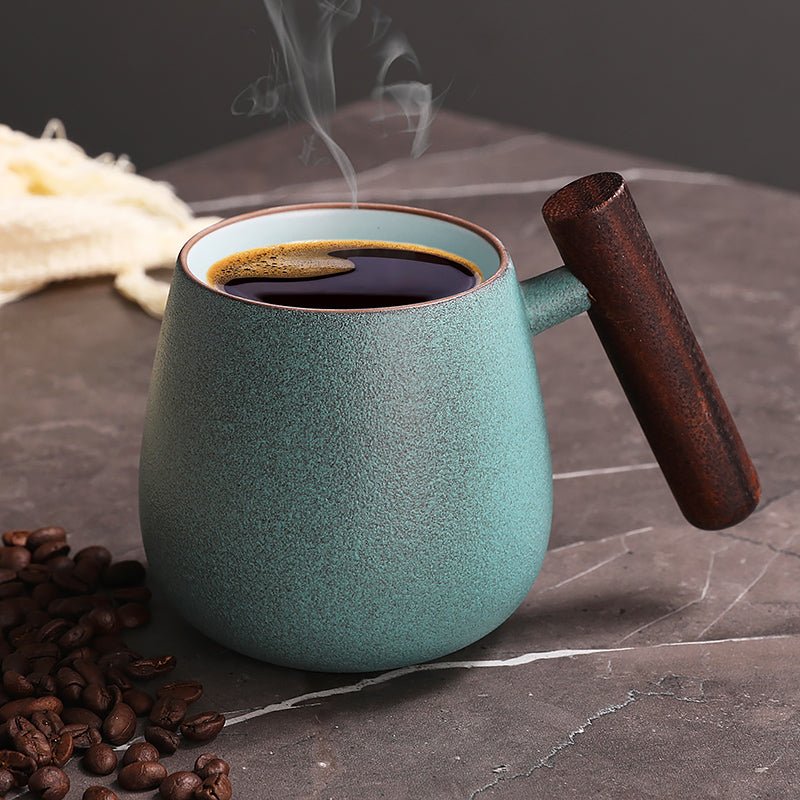
Standard Coffee Mug Dimensions: What Buyers Should Check
Reading time: about 9 minutes
A mug can look right on a shelf and still fail the kitchen test. We see it all the time: the cup feels too tall for a cabinet, the handle is tighter than expected, or the base does not sit comfortably on a narrow coaster. That is why standard coffee mug dimensions are worth checking before you buy, not after the first wash.
In our store, we think a good everyday mug has to do three things well: feel balanced in the hand, fit the places you actually use it, and survive regular dishwashing without looking tired too quickly. That is a more useful test than capacity alone.
What counts as standard coffee mug dimensions?
There is no single industry-wide standard that every mug must follow. In practice, many everyday mugs land in a fairly familiar range: roughly 3.5 to 4.5 inches tall, about 3.1 to 3.8 inches across the top, and around 11 to 15 ounces of capacity. That range covers most daily coffee mugs people keep by the sink, on a desk, or next to the machine.
Those numbers help, but they do not tell the whole story. Two mugs can both hold 12 ounces and still feel very different. One may be short and wide, which can be great for a steady hand and a relaxed sip. Another may be taller and slimmer, which can fit better on a shelf but may feel less stable on a crowded tray.
| Measurement | Typical everyday range | Why it matters |
|---|---|---|
| Height | About 3.5 to 4.5 in | Checks cabinet, machine, and mug warmer clearance |
| Top diameter | About 3.1 to 3.8 in | Changes sip feel and how much room you have for milk or foam |
| Base diameter | About 2.5 to 3.25 in | Helps with coaster fit and stability |
| Capacity | About 11 to 15 oz | Determines how much coffee, tea, or room you have left for cream |
| Handle opening | Varies by design | Decides whether the mug is easy to grip with a full hand |
We do not treat capacity as the only standard. A 14-ounce mug with a broad body can take up more space than a taller 12-ounce mug, and a compact mug can still feel awkward if the handle is cramped or the base is too small.
Which measurements should you check before buying?
If you are comparing mugs online, these are the measurements that matter most in real use:
- Height if the mug needs to fit under a coffee machine, shelf, or cabinet lip.
- Rim diameter if you care about drinking comfort, foam room, or whether the mug feels open and easy to sip from.
- Base width if you use a mug warmer, narrow coaster, or small desk space.
- Handle clearance if you want a grip that does not crowd your fingers.
- Wall thickness if you care about heat retention and how heavy the mug feels when full.
That last point gets overlooked. Thin porcelain can feel elegant and light, but it may cool faster and can be more prone to edge chips if it gets knocked around. Thicker stoneware usually feels sturdier and holds heat longer, but it can be heavier on a laptop desk or in a commuter-style office setup. Ceramic mugs with a good glaze are usually the easiest to live with, especially if you want a cup that can move from morning coffee to afternoon tea without feeling fussy.
We also look at the finish. A smooth glazed interior is easier to rinse clean than a textured one, especially if you drink dark roast, black tea, or cocoa. On the outside, matte finishes can look sharp, but they may show utensil marks or fingerprints sooner than a glossy surface. Those are the practical trade-offs that do not show up in a product photo.
If you want a separate sizing cross-check, we break down the measurement checklist in our post on Standard Coffee Mug Dimensions: What Buyers Should Check.
How do standard dimensions affect comfort and daily use?
A mug is not just a container. The size changes the whole routine.
A wider mug tends to cool a little faster because there is more exposed surface area. That can be useful if you like to sip sooner, but not ideal if you leave coffee sitting through a long call or school drop-off. A taller mug often feels better for black coffee and drip brew because it keeps the profile compact, but the higher walls can make it harder to see how full the cup is when you are pouring milk.
Handle design matters just as much as the body shape. We have seen mugs with a nice capacity but a handle that barely leaves room for two fingers once the cup is full and warm. That is the kind of detail people notice after a week of use. It is also why we check balance in hand, not just on paper.
Material changes the experience too:
- Ceramic and stoneware are common for daily mugs because they feel solid, take glaze well, and work for most kitchen dishwashers.
- Porcelain usually feels lighter and more refined, which can be nice for tea service or a cleaner table look.
- Thicker walls help hold temperature, but they add weight.
There are also common wear points buyers should know about. Hairline chips at the rim often come from shelf bumps or stacking. Crazing, which looks like fine crack lines in the glaze, can show up over time if a mug gets a lot of temperature swings. And printed or metallic decoration can wear differently in the dishwasher than plain glaze, so the care label matters.
For more on capacity and how it translates to real serving sizes, see our guide on How Many Ounces Is a Standard Coffee Mug? A Buyer’s Guide.
Which mug size works best for different drinks and routines?
The best standard coffee mug dimensions depend on how you actually drink. A mug that works for one person’s office desk may be wrong for another person’s kitchen counter.
- For drip coffee: an 11 to 13 ounce mug is often the easiest everyday pick. It keeps the cup manageable and usually leaves enough room for a splash of milk.
- For lattes or cappuccino-style drinks: a slightly wider mug can help if you like foam or want more room for milk. A very narrow mug can feel cramped here.
- For tea: comfort and heat retention matter more than a specific ounce count. Many tea drinkers prefer a mug with a sturdy handle and a shape that keeps the drink warm while they sip slowly.
- For office use: a mug that sits securely on a desk and is easy to lift with one hand is usually better than an oversized novelty cup.
- For mug warmers: check the base diameter. A beautiful mug is not very useful if it never sits properly on the warmer plate.
Standard is not always best. If you want a travel-style cup, a standard mug is the wrong category. If you want a serving mug for soup, hot chocolate, or long pours at home, you may want something larger and wider than the everyday range. The key is matching the shape to the routine instead of buying the biggest mug you can find.
Which mugs in our store are close to an everyday standard?
If you want a practical everyday shape, we suggest starting with mugs that balance comfort, table footprint, and easy care. Our Mountain Sea Coffee Tea Mug, Spittoon Coffee Tea Mug, and Planet Coffee Tea Mug are good examples to compare if you are shopping for a daily-use cup rather than a novelty piece.
We like comparing them by the same checklist we use in our own packing and product review process:
- Does the mug feel balanced when full?
- Does the handle leave enough room for a real grip?
- Will it sit cleanly on a coaster, shelf, or mug warmer?
- Is the finish something you want to wash and use every day?
If you want to compare more shapes and styles without narrowing too early, browse our full mug collection. That is usually the fastest way to compare a classic everyday silhouette against wider or more decorative options.
We also cover related buyer questions in Coffee Mug Dimensions: Sizes, Fit, and What to Check Before Buying and Standard Coffee Mug Size: How to Choose the Right Everyday Mug if you want to compare shape, size, and use case side by side.
Frequently asked questions
How many ounces is a standard coffee mug?
Most everyday mugs fall somewhere around 11 to 15 ounces, but there is no fixed rule. If you drink straight coffee, the lower end often feels more practical; if you like milk or foam, a little extra room helps. Always check the product page because two mugs with the same ounce claim can still have very different shapes.
Will a standard coffee mug fit under a single-serve coffee machine?
Sometimes, but not always. Height matters more than capacity here, and some mugs that hold a standard amount are still too tall for certain machines. Measure the space under your machine or brewer before buying, then compare that with the mug height rather than guessing from the photo.
Is a wider mug better than a taller mug?
It depends on how you drink. A wider mug is usually nicer for sipping quickly and for milk-based drinks, while a taller mug can feel more compact and easier to store. If you use a mug warmer or a small coaster, base width may matter more than the top shape.
Can I put a ceramic coffee mug in the dishwasher every day?
Often yes, if the mug is labeled dishwasher safe and the decoration is designed for regular washing. We still recommend checking for metal accents, specialty prints, or delicate finishes, because those can wear differently over time. Even dishwasher-safe mugs last longer if you avoid knocking the rim against other dishes.
What is the best mug size for an office desk?
A mid-size mug is usually the safest choice because it is easier to handle one-handed and takes up less space near a keyboard, notebook, or mouse. In many offices, that means something in the standard everyday range rather than an oversized novelty mug. A stable base and a comfortable handle matter more at a desk than extra capacity.
If you are still comparing options, use this final check before you buy: measure your cabinet height, check your machine clearance, confirm the base fits your warmer or coaster, and decide whether you want a lighter porcelain feel or a heavier stoneware mug that holds heat longer. Then open the product page that matches your routine and compare it against the everyday range above.
Read more
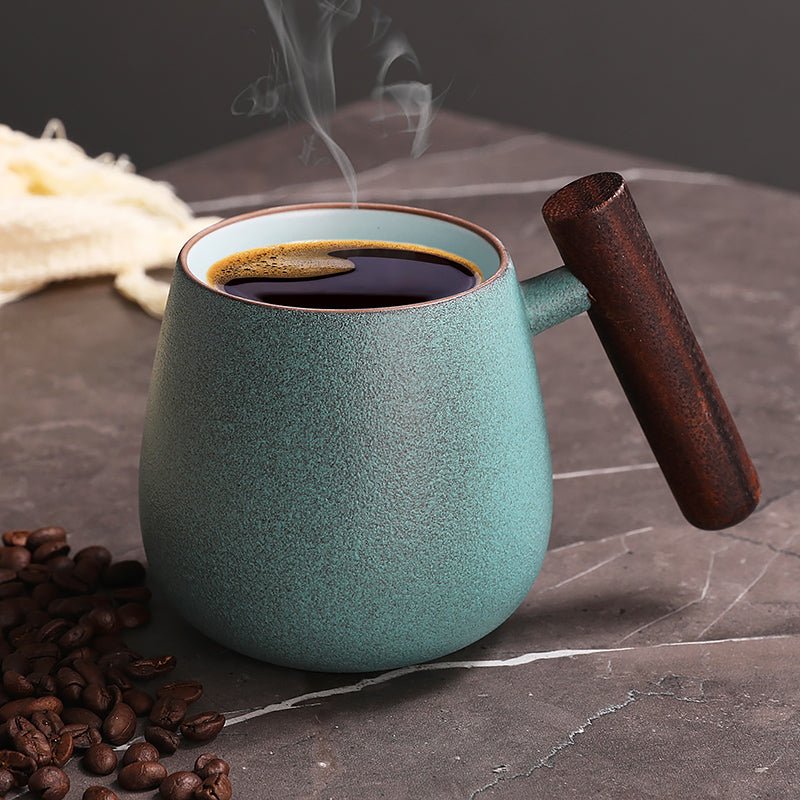
Coffee Mug Size: How to Choose the Right Fit Before You Buy
The right coffee mug size depends on what you drink, where you use it, and how it feels in the hand. We break down the sizes, shapes, and trade-offs that matter before you order.
Read more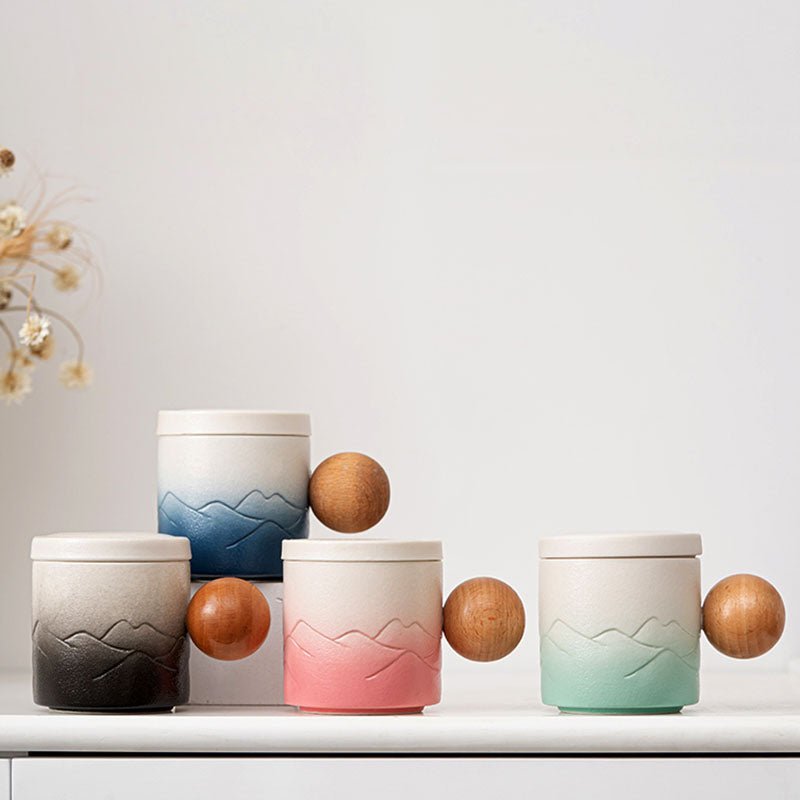
Bones Coffee Mugs: How to Choose the Right One for Daily Use
We break down what matters in bones coffee mugs: size, handle comfort, daily cleaning, and where novelty shapes help or get in the way. Use this to compare options before you buy.
Read more
Leave a comment
This site is protected by hCaptcha and the hCaptcha Privacy Policy and Terms of Service apply.