
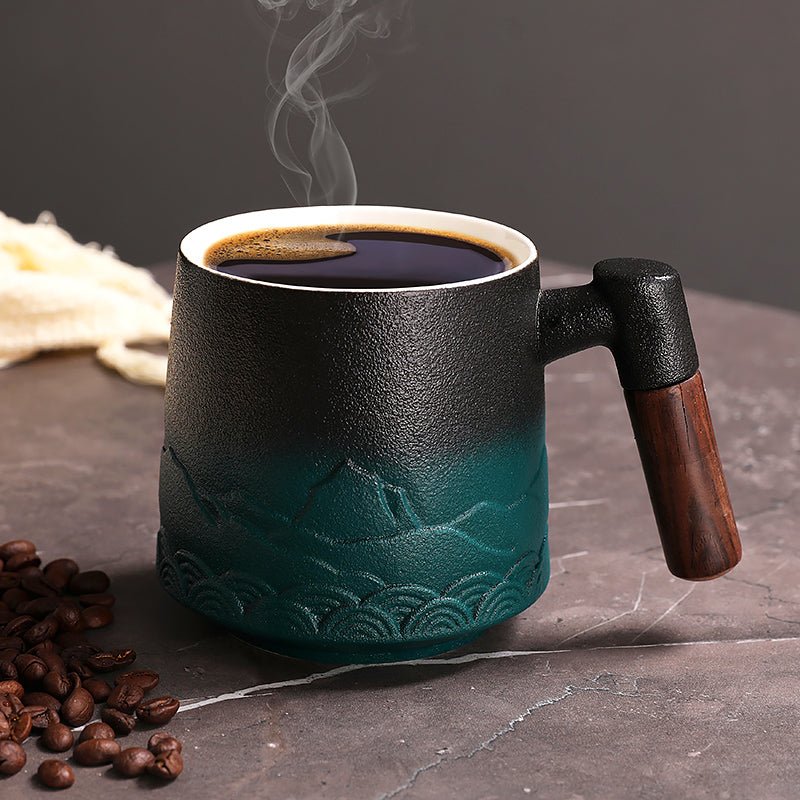
Portable Coffee Mug Buyer's Guide: Fit, Lid Seal, and Care
Reading time: about 9 minutes
In our store, the first complaint about a portable coffee mug is rarely the coffee itself. It is the lid that drips on a commute, the base that rattles in a cup holder, or the cup that looks good on a shelf but is annoying to wash after the third refill.
That is why we compare real use first: desk to car, kitchen counter to office bag, quick rinse to full dish cycle. If you are narrowing down options, start with our broader checklist in Coffee Portable Mug: What to Check Before You Buy, then use this guide to pressure-test the details that matter before you choose from our collection.
We also keep a practical buying lens on the category. A good portable coffee mug should be easy to carry, easy to close, and forgiving during normal daily use. It does not need to solve every problem. If you want a vessel that stays hot for many hours and never needs attention, a heavier insulated tumbler may suit you better. If you want a cup that feels good in the hand and moves from kitchen to commute without drama, the portable coffee mug is the right lane.
What should a portable coffee mug handle every day?
A portable coffee mug needs to survive the moments people do not think about: a bag bump, a car turn, a desk reset, or a half-open lid during a rushed morning. In our experience, that is where weak designs show up first.
Here is what we look for before we recommend one:
- Stable base that sits flat on a kitchen counter or office desk.
- Lid action that opens and closes without forcing the user to fight it before the first sip.
- Comfortable grip for one-handed carrying, especially between the door and the car.
- Simple cleaning so coffee oils do not linger in the lid or around the gasket.
- Practical size that matches the amount you actually drink, not a number that only looks good online.
If you are comparing options for a gift or a first purchase, our article Best Coffee Portable Mug: What to Compare Before You Buy walks through the same decision points from a buyer's point of view. We wrote it to help shoppers avoid the two most common mistakes: buying too much capacity and buying a lid they will never enjoy using.
Which size actually fits your routine?
Size decisions are where many buyers overthink and still end up wrong. A portable coffee mug that is too small leaves you refilling too often. One that is too large may not fit a car cup holder, a small bag pocket, or the gap under a single-serve coffee maker.
We usually break the choice down like this:
| Size | Best for | Trade-off |
|---|---|---|
| 10 oz | Short coffee runs, smaller servings, compact bags | Less room for milk, ice, or a longer morning pour |
| 16 oz | Most daily commuters and office use | Can feel bulky if you want a lighter hand-carry mug |
| 20 oz | Longer shifts, bigger coffee pours, fewer refills | Often taller and harder to store in tight spaces |
| 24 oz | Users who want a large serving and fewer top-ups | Usually the least friendly option for compact cup holders |
If you are torn between capacities, the size guides on 16 Ounce Coffee Mug Buyer’s Guide: Size, Material, and Fit and 20 oz Coffee Mug: What to Check Before You Buy are useful because they force the fit conversation before the color conversation. For shoppers who already know they need a bigger vessel, 24 oz Coffee Mug: What to Check Before You Buy covers the trade-offs that show up once a mug gets tall and wide.
We see the same pattern with gift orders. Buyers think about capacity in abstract terms, then realize the recipient drinks coffee at a desk with a narrow cup holder or likes a small amount of milk. That is why we usually recommend starting with daily routine, not maximum volume.
Which lid and seal details prevent leaks?
The lid is the part that makes or breaks the purchase. A mug can have a clean shape and a nice finish, but if the seal is sloppy, it becomes a spill risk in a bag or on a passenger seat.
These are the details we check in our store:
- Silicone gasket fit: it should sit evenly and not twist out of place after cleaning.
- Thread alignment: the lid should screw on smoothly without cross-threading or grinding.
- Drink opening shape: some openings pour too fast, which creates splashing on the first sip.
- Latch or slider feel: if the opening mechanism feels loose on day one, it usually gets worse with use.
- Seal maintenance: removable seals are easier to clean, but only if the design reassembles cleanly every time.
Common defect modes are predictable. The gasket can wear out, the lid can start to wobble after repeated wash cycles, and the drink opening can collect coffee residue if it has narrow edges. None of that means a mug is bad by default. It means the buyer should look at the lid as a maintenance part, not a decorative extra.
Our practical rule: if you would not feel comfortable carrying it closed in a tote bag, it is not the right portable coffee mug for commuting.
Which material is best for daily use?
Material choice changes the whole experience. It affects weight, heat retention, taste, durability, and whether the mug can go into the microwave or dishwasher. There is no perfect answer for every buyer.
| Material | What it does well | Trade-off |
|---|---|---|
| Stainless steel | Strong, durable, good for commuting, usually better at holding heat | Not microwave-safe and can feel heavier than simple cups |
| Ceramic-lined | Cleaner taste for some drinkers and a more familiar coffee feel | Can be heavier and less forgiving if dropped |
| Plastic | Lightweight and often budget-friendly | Usually less premium in hand and more likely to pick up odor if not cleaned well |
| Glass | Neutral taste and an easy visual check for fill level | More fragile and usually not the best commuter choice |
For most daily commuters, stainless steel is the most practical starting point. For a desk mug that rarely leaves the office, ceramic can make sense if the user values taste and feel more than portability. Plastic can work for light use, but it is not our first choice for someone who wants a mug that still feels nice after months of daily handling.
One limitation is worth saying plainly: if you want a mug that goes from microwave to car to meeting room, stainless steel is not the answer. In that case, a different style may be better, and you should accept that you are trading away insulation or durability somewhere else.
How should you clean and care for it?
Cleaning is the part buyers underestimate. Coffee residue, milk, and sugar are what make a mug go from new to unpleasant. The best portable coffee mug is the one you can keep clean without turning every wash into a project.
Our routine is simple:
- Rinse the cup and lid soon after use, especially if milk or syrup is involved.
- Separate the gasket or seal if the design allows it, because hidden rings trap odor.
- Use a soft brush for the drinking opening and lid channels.
- Let the parts dry fully before reassembly so trapped moisture does not create a stale smell.
- If the manufacturer says top-rack dishwasher only, follow that exactly and hand wash seals when needed.
We have seen more mugs lost to poor cleaning than to actual breakage. The telltale signs are a sour smell in the lid, staining around the sip opening, and a film that builds up where the cap meets the body. If a mug is difficult to disassemble, it may look polished on day one and feel annoying by week three.
If you are still deciding on capacity while thinking about clean-up, our size-focused posts such as 10 oz Coffee Mug: Size, Fit, and What to Check Before You Buy and 24 Ounce Coffee Mug Buyer’s Guide: Size, Fit, and What to Check can help you compare what is manageable for your sink, dishwasher, and routine.
What should you compare before buying from our store?
We look at portable mugs the way a shopper actually uses them: on a counter, in a car, at a desk, and after the first wash. That practical view is how we choose what belongs in our store and what does not.
Before you pick one, use this quick checklist:
- Does the size match your daily coffee habit without forcing refills?
- Does the lid close smoothly and feel secure in a bag or cup holder?
- Is the material right for your use case, not just your taste in finishes?
- Can you clean the lid, gasket, and drinking opening without special tools?
- Will it work where you actually drink coffee: car, office, kitchen, or on the move?
If you want to browse current options, start with our products page and compare the shape, lid style, and capacity against this checklist. You can also scan the full collection if you are still early in the decision and want to compare before narrowing down.
If a portable coffee mug only works in ideal conditions, it is not a good commuter mug. The right one should survive real mornings, not showroom conditions.
Frequently asked questions
What size portable coffee mug is best for a daily commute?
For most commuters, 16 oz is the safest starting point because it balances capacity and size without becoming awkward in a cup holder. If you drink smaller servings or carry the mug in a compact bag, 10 oz may be easier to live with. If you want fewer refills and have space to spare, 20 oz can work.
Are stainless steel portable coffee mugs better than plastic?
For daily carry, stainless steel is usually the stronger choice because it holds up better and typically feels more substantial in hand. Plastic can be lighter, but it is usually less premium and can pick up odor faster if the lid and seal are not cleaned well. If you care most about durability, stainless steel is the safer pick.
Can I put a portable coffee mug in the dishwasher?
Sometimes, yes, but only if the maker says it is dishwasher-safe. Lids and silicone seals are the parts most likely to trap residue, so even dishwasher-safe mugs often benefit from hand washing those pieces now and then. If the mug has a coated exterior, check the care instructions before putting it through repeated cycles.
What makes a portable coffee mug leak-resistant?
A leak-resistant mug depends on a tight lid fit, a clean gasket, and a drink opening that closes securely. The lid should screw on or lock into place without wobble. If the seal feels loose on day one, it is a warning sign for daily carry.
Is a portable coffee mug good for iced coffee?
Yes, if the opening is large enough for ice and the lid is easy to clean after cold drinks. Stainless steel works well for iced coffee because it is durable and easy to carry. If you want to see the drink clearly or pour with a wider opening, a different cup style may suit you better.
Use the checklist above, then compare the mug against our current range in the full collection or start with our products page if you already know the size and lid style you want.
Read more
Heating Coffee Mug Buyer’s Guide: What to Check Before You Buy
A heating coffee mug solves one very specific problem: coffee that goes cold before you finish it. This guide shows what to check before buying, where the trade-offs are, and which mug style fits r...
Read more
Custom Personalized Coffee Mugs: What Buyers Should Check Before Ordering
Custom personalized coffee mugs can look great on a screen and still miss the mark in real life. Here’s how we help shoppers compare size, print, material, and care before they order.
Read more
Leave a comment
This site is protected by hCaptcha and the hCaptcha Privacy Policy and Terms of Service apply.