
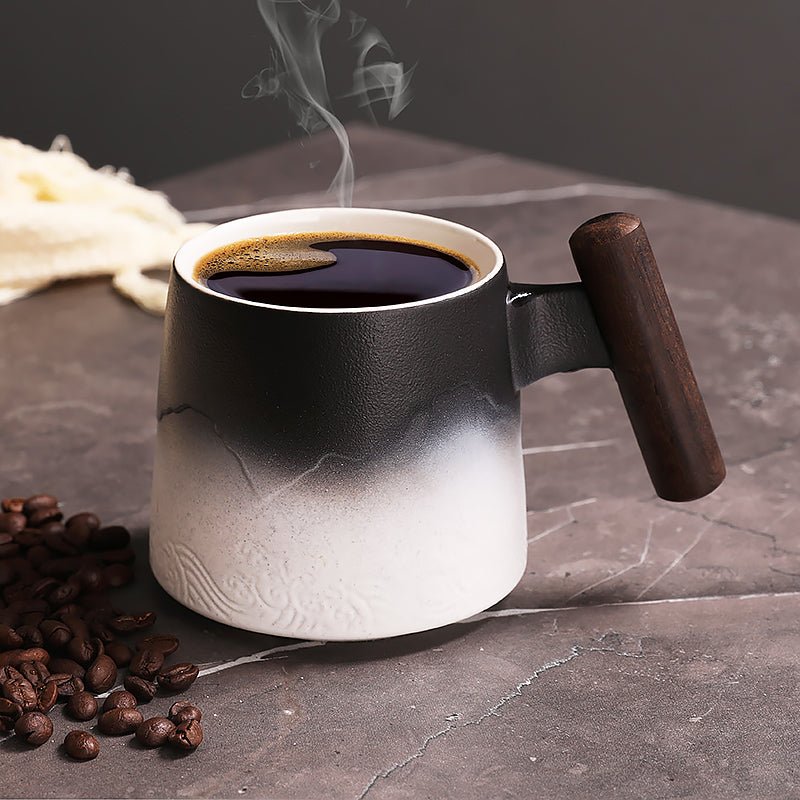
24 Ounce Coffee Mug Buyer’s Guide: Size, Fit, and What to Check
Reading time: about 11 minutes
A 24 ounce coffee mug fills up fast on a morning counter. It holds enough coffee to feel generous, but not so much that it turns every sip into a two-handed job or demands a giant travel tumbler lid. We see shoppers pick this size when they want fewer refills, a mug that still feels like a mug, and a better fit for desk coffee, tea, or hot chocolate.
The catch is simple: a 24 ounce coffee mug is not the right pick for every drinker, every cabinet, or every dishwasher rack. The shape, handle clearance, wall thickness, and finish matter more at this size than many buyers expect. If you are comparing options, our team recommends checking the practical details first, not the photo alone. You can also browse our current product selection or see the full collection if you want to compare styles side by side.
What does a 24 ounce coffee mug actually feel like in daily use?
Twenty-four ounces is a large mug size, and it behaves like one. In the kitchen, it is the mug people reach for when they want a fuller pour before heading to the couch or office desk. On a workday, it can hold a strong drip coffee with room for cream, or a larger pour of tea without feeling cramped. For hot cocoa, it is especially useful because toppings and milk foam do not immediately crowd the rim.
That said, size affects handling. A full 24 ounce coffee mug can feel heavy once it is topped off, especially if the mug has thick ceramic walls. If your hands are small, or if you prefer to drink one-handed while walking around the house, this size may feel less comfortable than a 16 or 20 ounce option. For readers comparing the smaller end of the range, our 16 Ounce Coffee Mug Buyer’s Guide: Size, Material, and Fit and 20 Ounce Coffee Mugs: What Buyers Should Check Before Ordering are useful reference points.
Where this size works best
- Morning coffee at home when you want fewer refills.
- Desk coffee for people who sip slowly between tasks.
- Tea, cocoa, chai, or broth-style drinks that benefit from a larger bowl-like cup.
- Gift orders for someone who likes oversized mugs and does not mind extra weight.
Where it is not the best fit
- Small mug cabinets or crowded cup hooks.
- Car cup holders and most on-the-go setups.
- People who prefer a lightweight mug for one-handed drinking.
- Espresso-based drinks where a smaller cup is more practical.
What should you check before buying a 24 ounce coffee mug?
We handle a lot of mug shoppers who start with capacity and end up returning to the details that actually change daily use. A 24 ounce coffee mug can look similar across listings, but the real differences are in dimensions, balance, and finish.
Start with these basics:
- Rim diameter and opening shape. A wide opening cools drinks faster and is easier to clean, but it can also spill more easily if the mug is bumped.
- Body width versus height. Taller mugs may fit better in cabinets, while wider mugs feel more stable on a desk.
- Handle size and finger clearance. A large mug is frustrating if the handle is shallow or too close to the body.
- Material. Ceramic feels familiar and keeps heat well, but it can chip if it gets knocked against a sink. Stoneware often feels sturdier and a bit heavier. Stainless steel keeps temperatures differently and usually shifts the mug from tabletop use to insulated drinkware territory.
- Finish and care. Smooth glazed interiors are generally easier to wash by hand. Matte or textured finishes can show utensil marks or fingerprints more readily.
One thing we tell shoppers in our store: if a 24 ounce coffee mug does not show its full dimensions, assume it may be wider or taller than you expect. That matters for shelf clearance, microwave clearance, and whether the mug feels balanced once filled. If you have already ruled out smaller sizes, our 24 oz Coffee Mug: What to Check Before You Buy goes even deeper into the details buyers usually miss.
Which material is best for a large coffee mug?
Material changes how a mug feels more than many shoppers realize. A 24 ounce coffee mug in ceramic has a different daily rhythm than one in stoneware or stainless steel.
| Material | What it feels like | Best for | Trade-off |
|---|---|---|---|
| Ceramic | Classic, smooth, familiar in hand | Home kitchens, office desks, gifting | Can chip if knocked or stacked carelessly |
| Stoneware | Heavier, sturdier, often more substantial | People who want a grounded feel | Can be bulky and take longer to dry |
| Stainless steel | Lighter in some builds, more utilitarian | Travel-adjacent use or temperature-focused drinking | Less like a traditional mug and may change the drinking experience |
For most buyers shopping a 24 ounce coffee mug for home use, ceramic or stoneware is the most natural fit. The mug feels like part of the kitchen, not like a travel container. But we do not recommend oversized ceramic mugs for someone who wants to toss a cup in a bag, use it in the car, or drink while commuting. A travel tumbler is a better tool for that job.
Another practical note: glazed ceramic mugs are easier to inspect for hairline cracks and glaze flaws than many people think. Before first use, we suggest checking the base, rim, and handle join for any rough spots or visible defects. Those are the areas most likely to reveal a manufacturing issue or a handling crack from shipping.
How do you know if a 24 ounce coffee mug is comfortable to hold?
Comfort is where oversized mugs either win or lose the sale. A 24 ounce coffee mug should feel balanced, not top-heavy. The handle needs enough space for at least two fingers without scraping the mug body. If the handle opening is too narrow, the mug becomes awkward once hot liquid is inside.
We also pay attention to wall thickness. Thicker walls can help with heat retention and make the mug feel substantial, but they add weight. Thin walls reduce weight, yet they can feel less durable and let heat move through the body more quickly. There is no perfect answer here; it depends on how you drink. If you sip slowly at a desk, a thicker mug may be fine. If you carry your mug between rooms, lighter may be better.
Here is a simple comfort check we use before recommending a large mug:
- Can you lift it comfortably when full?
- Does the handle fit your hand without squeezing?
- Does it sit flat and stable on the counter?
- Can it fit under your cabinet or mug shelf without scraping?
- Will it work with your dishwasher rack spacing?
If the answer to two or more of those is no, a smaller size may be the better buy. Our 10 oz Coffee Mug: Size, Fit, and What to Check Before You Buy is a useful contrast if you are trying to decide between compact and oversized options.
What care and cleanup should you expect?
Most shoppers want a mug that is easy to live with, not one that needs special treatment. A 24 ounce coffee mug should ideally go through ordinary kitchen use without fuss. That usually means dishwasher-safe cleanup for busy days and hand washing for printed or specialty finishes if the care label suggests it.
From our experience handling mugs in a retail setting, the common wear points are predictable:
- Rim staining from coffee and tea with heavy use.
- Handle glaze wear where hands repeatedly rub the same spot.
- Minor chips on the base when mugs are stacked or tapped against sinks.
- Print fading if the decoration is not made for repeated dishwasher cycles.
If you are buying for everyday use, look for a mug with a smooth glazed interior and a base that does not leave a rough ring on the counter. A flat, finished foot ring is often easier to keep clean than a raw, porous underside. For gift buyers, this is the kind of detail that changes whether the mug feels premium after a month of use or only on day one.
We also recommend checking whether the mug is microwave-safe if you plan to reheat coffee. Not every oversized mug is, especially if it has metallic decoration or a decorative coating. If microwave use matters to you, that should be confirmed before you order.
Is a 24 ounce coffee mug a good gift?
Yes, as long as the person actually likes larger mugs. A 24 ounce coffee mug makes an easy gift for someone who drinks a lot of coffee at home, works from a desk, or enjoys a big tea pour at night. It also feels substantial when unboxed. There is enough size to make it useful, but not so much that it becomes a novelty item.
Still, oversized mugs are not universally safe gifts. Some people prefer lighter cups. Others do not have enough cabinet space. And if they mainly drink espresso, a 24 ounce coffee mug will sit unused. If you are unsure, compare it against smaller sizes first, then choose based on how the person actually drinks. Our smaller-mug guides can help with that comparison, including the 8 Ounce Coffee Mugs: What Buyers Should Check Before Ordering and 8 oz Coffee Mug: What to Check Before You Buy posts.
Our honest take: a 24 ounce coffee mug is best for people who want one mug to carry them through a long morning, not for buyers who need compact storage or travel-friendly use.
How does a 24 ounce coffee mug compare to smaller mugs?
The main difference is not just capacity. It is the entire drinking experience. A smaller mug usually heats and cools faster, stores more easily, and feels lighter in the hand. A 24 ounce coffee mug gives you more volume, but it asks for more storage space and a better handle design.
If you are choosing between sizes, this quick breakdown helps:
- 8 to 10 ounces: better for espresso drinks, smaller servings, or compact cabinets.
- 16 ounces: the middle ground for most everyday coffee drinkers.
- 20 ounces: a step up for people who want a larger pour without going oversized.
- 24 ounces: ideal for long sips, big pours, and people who want fewer refills.
We see the 24 ounce size win most often when buyers have one of two habits: they keep coffee nearby for a long time, or they drink larger-format beverages like tea, cocoa, or milk-heavy coffee drinks. It loses when the buyer wants portability, neat storage, or lighter handling. That is the trade-off, and it is worth being honest about.
Frequently asked questions
How big is a 24 ounce coffee mug compared with a regular mug?
A 24 ounce coffee mug is noticeably larger than a standard everyday mug, which is often closer to 10 to 16 ounces. It usually has a wider opening, a taller body, or both, so it takes more cabinet and dishwasher space. If your current mug already feels full before you finish your drink, this size is a real step up.
Is a 24 ounce coffee mug too big for daily coffee?
Not for everyone. It works well if you drink a lot of coffee slowly, want room for milk or foam, or prefer fewer refills. It may feel oversized if you like quick, hot servings or if you do not want the extra weight in your hand.
Can I use a 24 ounce coffee mug in the microwave?
Sometimes, but only if the mug is labeled microwave-safe. Ceramic and stoneware mugs often are, but decoration, metallic accents, or special coatings can change that. If microwave reheating matters to you, check the product details before buying.
What material should I choose for a 24 ounce coffee mug?
For home use, ceramic or stoneware is usually the best fit because it feels familiar and works well for coffee, tea, and hot chocolate. Stoneware feels heavier and sturdier, while ceramic is often smoother and a bit easier to live with. If you want a mug for travel or commuting, a tumbler is usually the better choice.
How do I know if the handle will be comfortable?
Check whether the handle opening looks wide enough for two fingers and whether it sits far enough from the mug body. Large mugs with small handles are uncomfortable once filled. If the listing does not show dimensions, that is a sign to look more closely before ordering.
What should you check before placing the order?
Before you buy a 24 ounce coffee mug, compare the practical details instead of stopping at the capacity number. A mug should fit your hand, your shelf, your dishwasher, and your drink routine. If you are shopping with us, we suggest using this quick checklist:
- Confirm the full dimensions, not just the ounce size.
- Check handle clearance and overall balance.
- Look for care instructions that match your routine.
- Decide whether you need microwave-safe use.
- Think about storage space and cabinet height.
- Choose a material that matches how you actually drink.
If you are ready to compare styles, start with our products page, then move into the full collection to see what fits your kitchen, desk, or gift list. The right 24 ounce coffee mug should make your routine easier, not just bigger.
More from our blog
Read more
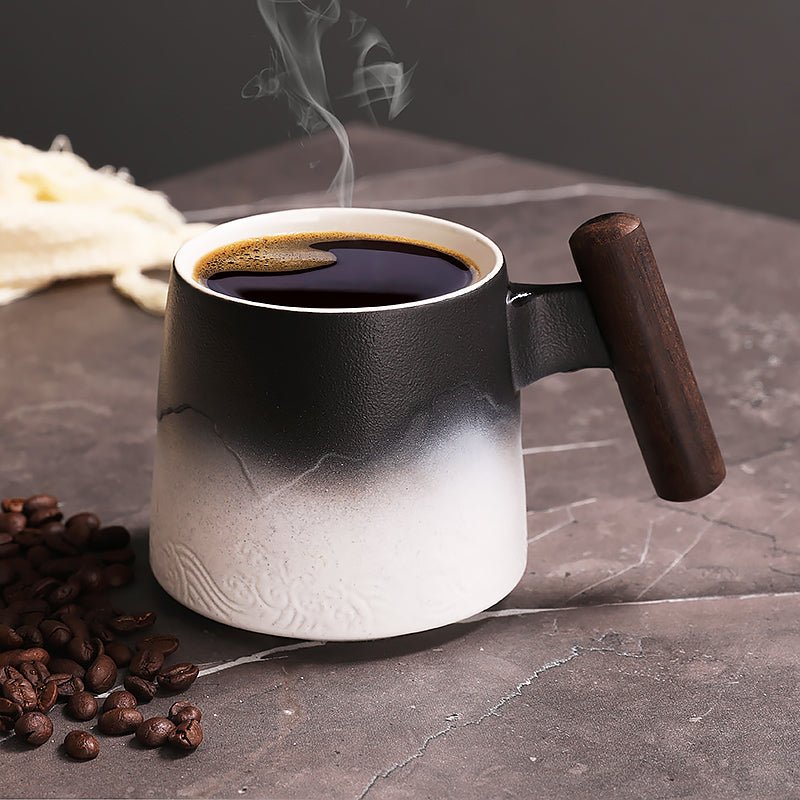
Photo Coffee Mug Buying Guide: What to Check Before You Order
A photo coffee mug looks simple until you compare print quality, mug size, and care instructions side by side. This guide covers the practical checks we use in our store before recommending one for...
Read more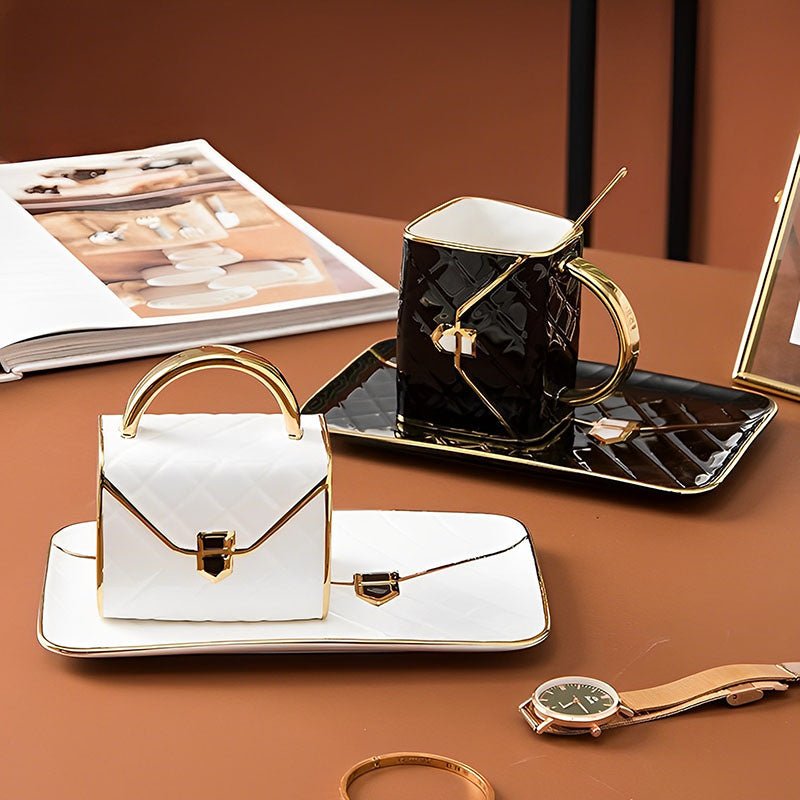
Cute Coffee Travel Mugs: What to Buy for Daily Carry and Gifts
Cute coffee travel mugs should do more than look good on a desk. Here’s how we compare lids, insulation, size, and cleanup so you can pick one that fits your commute, bag, and routine.
Read more
Leave a comment
This site is protected by hCaptcha and the hCaptcha Privacy Policy and Terms of Service apply.