
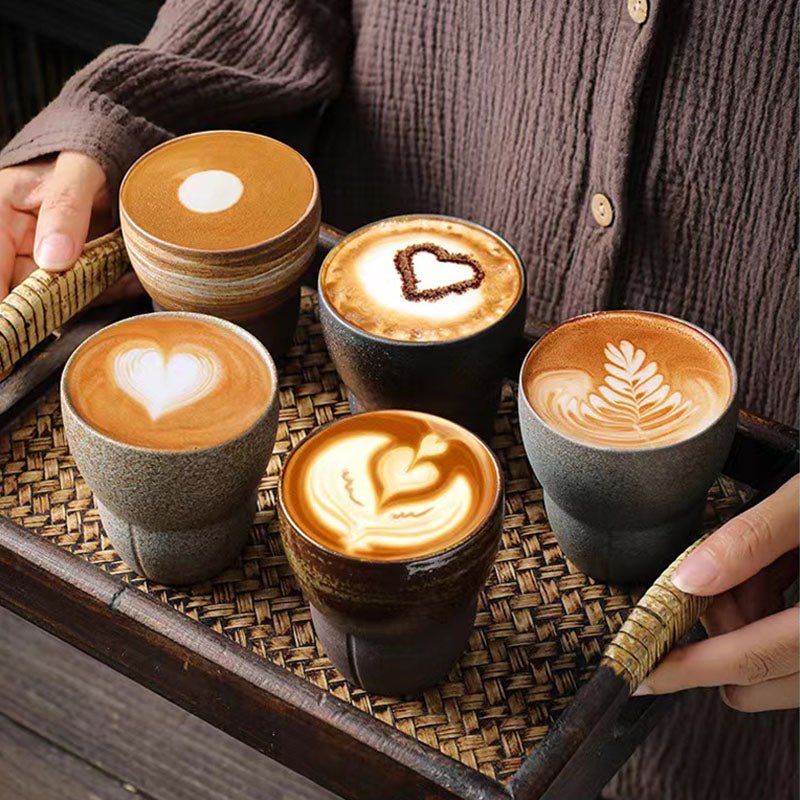
Piccolo Cup Comparison: 170 ml, 250 ml, or 270 ml?
Reading time: about 9 minutes
A small milk coffee can look strangely lost in a large mug. We see that problem often in our store: a shopper wants something compact for a short espresso-and-milk drink, but also wants enough capacity to avoid filling a cup right to the rim. This piccolo cup comparison focuses on the current 170 ml Retro, 250 ml Ball Handle, and 270 ml Emerald options, with the practical question in mind: which size works for the way you actually make and drink coffee?
None of these items should be presented as a certified piccolo cup, and there is no single fixed milk-to-coffee ratio that makes a drink a piccolo. Recipes vary by espresso dose, shot yield, milk preference, and the amount of space you leave at the top. Capacity is still useful buying information. It tells you how much flexibility a cup gives you for a short coffee, a small milk drink, tea, or a coffee that needs a little room to cool.
Which current capacity best suits a compact coffee routine?
The three current options create three noticeably different daily-use experiences. The numbers matter because the difference between 170 ml and 270 ml is 100 ml, which is substantial in a cup intended for shorter drinks.
| Current option | Listed capacity | Best routine fit | Main trade-off |
|---|---|---|---|
| Retro Coffee Tea Cup | 170 ml | Short coffee servings, restrained milk drinks, and people who prefer a genuinely compact vessel | Less room for extra milk, a larger drink, or a generous tea pour |
| Ball Handled Coffee Tea Mug | 250 ml | One flexible cup for coffee, tea, and a more relaxed desk-side drink | It does not give the especially small footprint of the 170 ml option |
| Emerald Coffee Tea Mug | 270 ml | Buyers who want more headroom for milk, tea, or a slightly longer coffee | It can feel too roomy for people who only drink short espresso-based servings |
In our experience handling compact coffee cups, shoppers are usually happier when they choose based on their regular pour instead of the drink name printed on a cafe menu. A cup that fits one careful weekend drink but feels awkward every weekday morning is not the better choice.
Is the 170 ml Retro cup the right fit for short drinks?
The 170 ml Retro Coffee Tea Cup is the most compact option in this group. That makes it the clearest choice for someone who normally prepares a short espresso drink with a modest amount of milk, or who wants a small cup that keeps portions intentional. It also makes sense on a crowded kitchen counter where several cups, a grinder, and a kettle compete for space.
A 170 ml capacity does not mean every drink should contain 170 ml of liquid. Leaving a little clearance below the rim helps prevent splashes while carrying coffee from the machine to the table. That headroom is especially welcome with freshly poured coffee or foam, which can sit higher than the liquid underneath.
- Choose the Retro 170 ml cup if your usual drink is short and you dislike oversized mugs for espresso-based coffee.
- Choose it for gifting when the recipient is known to enjoy small coffee servings and compact kitchenware.
- Skip it if you routinely add plenty of milk, brew longer coffee, or want one vessel for a full tea break.
The limitation is straightforward: 170 ml leaves less margin for improvising. A larger home latte-style drink, a big tea bag steeped with extra water, or an iced coffee with ice cubes will quickly exceed what this size is meant to handle. Buyers considering very small servings may also find our ceramic espresso cup comparison useful for separating truly short coffee use from a compact milk-coffee routine.
Why does the 250 ml Ball Handle option work at an office desk?
The 250 ml Ball Handled Coffee Tea Mug sits in the middle of this comparison, giving it the broadest day-to-day range. It has 80 ml more capacity than the Retro cup, which can be enough room for a more relaxed coffee pour, more milk, or the extra clearance many people prefer when carrying a drink across an office.
The ball-handle detail is relevant to the buying decision because handle shape changes the way a cup feels in repeated use. Some shoppers specifically want a cup that is picked up by a distinct handle rather than held around the bowl. For a desk, this can be appealing when you are moving between a keyboard, notebook, and coffee without wanting your hand wrapped around the cup body.
This is the practical all-rounder for a household where one person drinks a small coffee and another uses the same kind of cup for tea. It is not the most compact option, and buyers who want the visual restraint of a small coffee service may still prefer the Retro. It is also not a large mug for long work sessions. If your normal morning coffee exceeds 250 ml before milk or ice, move up to a larger style rather than forcing the serving into a cup with no spill room.
Who should choose the 270 ml Emerald mug over a smaller cup?
The 270 ml Emerald Coffee Tea Mug offers the most capacity here. Compared with the 250 ml Ball Handle option, the difference is only 20 ml, so the decision between those two should not rest on capacity alone. The larger distinction is between the Emerald and the 170 ml Retro: the Emerald gives 100 ml more room for a longer drink, additional milk, or a tea serving that would crowd the smaller cup.
Choose this option when your routine is less strict about drink size. It suits the buyer who starts with espresso but sometimes turns it into a fuller milk coffee, or who wants a coffee-and-tea cup rather than a cup reserved for short drinks. Its emerald presentation can also be a strong gift choice for someone who cares about visible color and has room for a slightly larger cup in their daily rotation.
It is not the best pick for every coffee drinker. If you make a small drink and prefer the cup to look proportionate to that pour, the 270 ml capacity may feel underfilled. It is also not automatically the better option for iced coffee: ice takes volume, and a 270 ml vessel may still be modest once ice, coffee, and milk are all added. For a broader view of styles beyond this compact group, browse our unique coffee mugs collection.
What should you check before using these cups for coffee and tea?
Capacity is the catalog fact that makes these three options easy to compare, but it should not replace sensible care checks. Before buying for a specific routine, read the current product page for the material, dimensions, dishwasher guidance, microwave guidance, and any handling instructions. Those details can change how well a particular cup fits your kitchen habits.
For everyday use, we recommend a few practical habits that help any coffee cup stay presentable:
- Avoid sudden temperature changes, such as transferring a cup directly from a very cold environment to very hot liquid.
- Do not use abrasive scouring pads on decorative surfaces; a soft sponge is a more cautious choice for routine washing.
- Check the rim and handle before first use and after an accidental knock. Chips around a drinking rim or a loose-feeling handle are reasons to stop using the cup and contact the seller for guidance.
- Allow a freshly washed cup to dry fully before putting it back in a closed cupboard, especially if it is stored with other tightly stacked drinkware.
These are practical care considerations, not a claim that every listed item has identical dishwasher or microwave suitability. Product-specific instructions should always take priority. For shoppers comparing a similar middle range for milk coffee, our flat white cup comparison looks at 200 ml, 250 ml, and 270 ml choices from another angle.
How do you match cup size to the drink you make most often?
Use the drink you prepare most frequently, not the one you make once a month. The right answer becomes clearer with a quick counter-side check:
- Mostly short espresso drinks with a little milk: start with the 170 ml Retro cup.
- Alternating between coffee and tea, with room for a comfortable pour: compare the 250 ml Ball Handled cup first.
- Wanting extra room for milk or a longer everyday drink: choose the 270 ml Emerald mug.
- Making iced coffee with plenty of ice: consider a larger format from the collection rather than treating any of these as a dedicated iced-drink vessel.
- Buying a gift without knowing the recipient's exact recipe: 250 ml is often the least specialized capacity, while the color and handle preference should guide the final choice.
Think about storage, too. A compact cup can be easier to fit beneath some coffee-machine spouts and in a shallow cabinet, while a larger option provides greater serving flexibility. Neither point is universal, so measure your available shelf height and machine clearance if that is a concern. A good cup should work at the counter, on the office desk, and during an ordinary dishwasher-unloading routine, not only in a product photo.
Frequently asked questions
Which size wins this piccolo cup comparison for a small milk coffee?
The 170 ml Retro cup is the most natural starting point for a compact serving because it is the smallest current option. It works best for buyers who keep milk additions restrained and like a short drink. It is not a certified piccolo cup, and the right serving volume still depends on your espresso and milk preference.
Is a 250 ml cup too large for espresso-based coffee?
No, but it can look spacious with a very short pour. The 250 ml Ball Handled mug gives more room for milk, foam, and carrying clearance than the 170 ml cup. It is a better fit for buyers who want one cup to cover coffee and tea rather than a dedicated short-drink vessel.
Should I pick 250 ml or 270 ml for everyday coffee?
The 20 ml capacity difference is small, so compare the Ball Handle and Emerald options by the style you prefer as well as volume. Choose 250 ml for a middle-size coffee-and-tea routine with the ball-handled design, or 270 ml if you want the greatest capacity among these current options and prefer the Emerald mug.
Can I use these cups for tea as well as coffee?
Yes, each listed product is described as a coffee tea cup or mug, and the larger 250 ml and 270 ml capacities give more flexibility for tea. The 170 ml Retro option is better for a small tea serving than a long, leisurely cup. Check the individual product listing for current material and care guidance before purchase.
What should I choose if I want a cup for iced coffee?
These compact capacities are not the strongest choice for an iced coffee with substantial ice, coffee, and milk. Ice displaces liquid volume quickly. Review the full unique coffee mugs collection for a style with more room if iced drinks are part of your regular routine.
Before choosing, write down your usual drink size, decide how much clearance you like below the rim, and check whether the cup will also serve tea or iced drinks. Then compare the 170 ml Retro, 250 ml Ball Handle, and 270 ml Emerald product pages directly. That short checklist will point you to the capacity that fits your routine instead of simply the largest cup available.
More from our blog
Read more
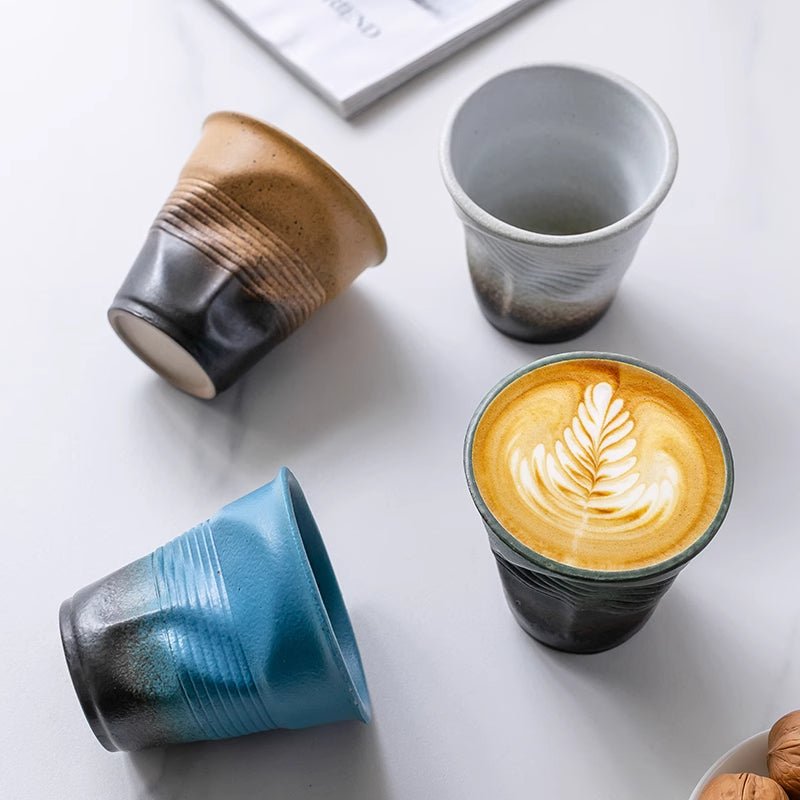
Coffee Mug Wedding Gift Comparison for Everyday Routines
Compare three current CoffeifyMug options by the routines couples actually have after the wedding: quiet morning coffee, shared tea breaks, and display-worthy kitchen pieces. See the practical trad...
Read more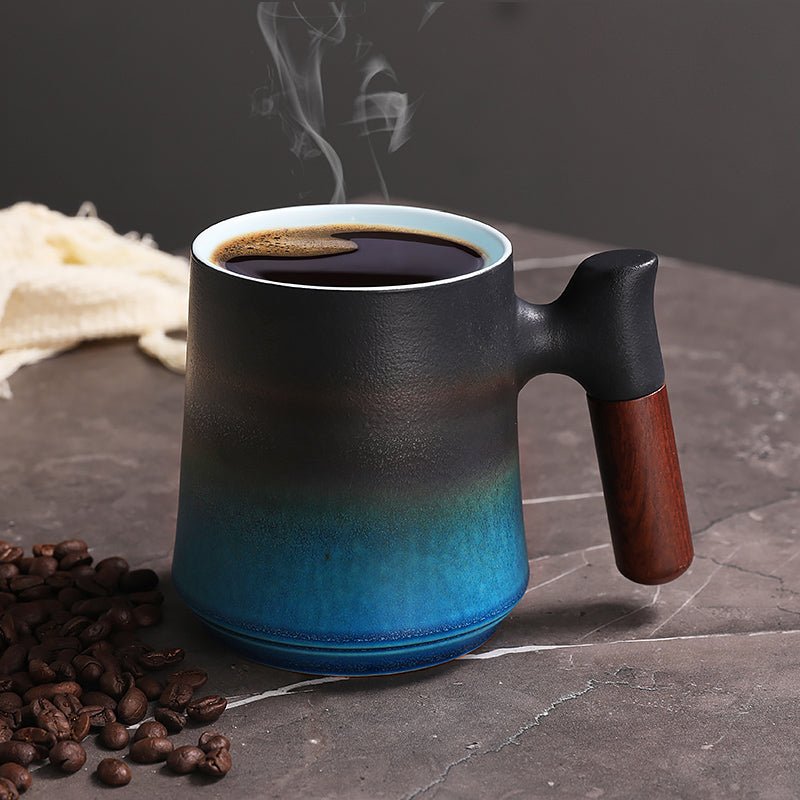
Apple Cider Mug Comparison: 400 ml or 480 ml?
Compare CoffeifyMug's current 400 ml and 480 ml ceramic options for apple cider, with practical guidance on capacity, handle comfort, countertop use, and everyday care.
Read more
Leave a comment
This site is protected by hCaptcha and the hCaptcha Privacy Policy and Terms of Service apply.