
Novelty Coffee Mugs: How to Pick One That Gets Used
Reading time: about 7 minutes
A novelty mug looks great in the box. The real test happens the first week it sits on a kitchen counter, office desk, or breakroom shelf. If the handle feels awkward, the base wobbles, or the cup holds the wrong amount for the coffee you actually drink, it becomes decoration instead of a daily mug.
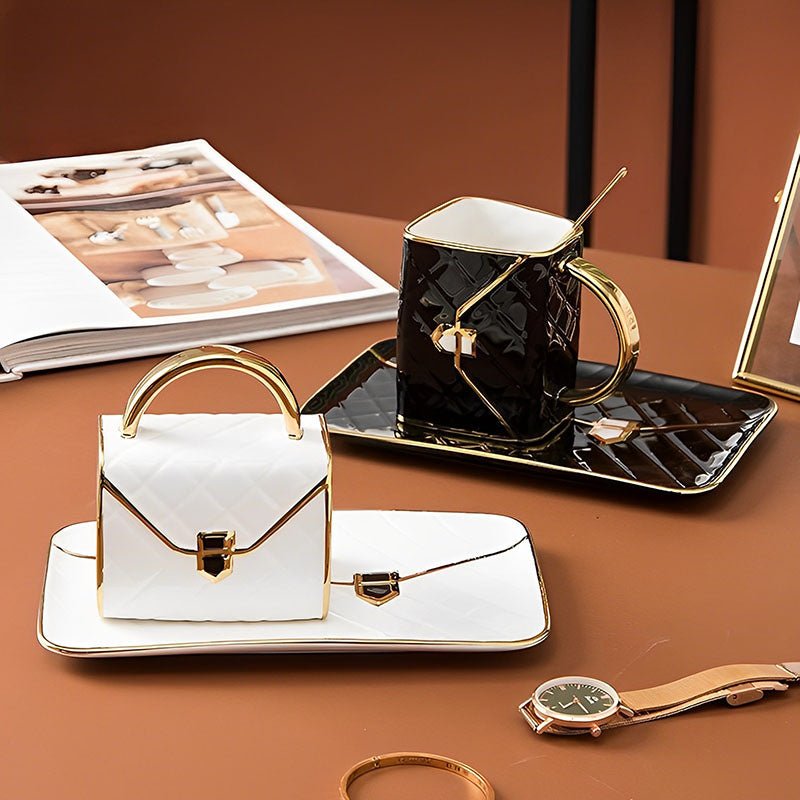
That is the gap we try to close in our store. The best novelty coffee mugs still need to work as mugs. If you want a sculptural example, start with our handbag coffee tea mug. If you want to compare more shapes and styles first, browse our full collection and narrow from there.
What makes a novelty mug worth buying?
A good novelty mug does two jobs at once: it gives you a visual hit, and it still pours, holds, and drinks like a real mug. In our experience, the mugs that stay in rotation are the ones that feel normal in the hand even if the shape is playful.
We look at three things first:
- Handle comfort: Your fingers should fit without pressing against the cup body. If the handle opening is too tight, the mug gets used less often.
- Base stability: A novelty shape can be charming, but a narrow or uneven base is risky on a crowded desk or a kitchen counter near the sink.
- Practical capacity: Many shoppers like a 12 oz everyday pour, while others prefer 14 oz or 16 oz if they add milk or drink long coffee breaks. If you want a deeper comparison, our guides on 12 oz coffee mugs and 16 oz coffee mugs cover the trade-offs for daily use.
A novelty mug is not the best pick if you need a cup that stacks neatly in a tight cabinet, fits every cup holder, or survives rough travel. For those jobs, a plain travel mug or a standard stackable mug usually makes more sense.
Which material is best for novelty coffee mugs?
Material matters more than the print or shape. It changes weight, heat retention, and how forgiving the mug feels during everyday use.
| Material | What it does well | Watch out for |
|---|---|---|
| Ceramic | Balanced weight, familiar feel, usually the easiest for daily coffee or tea | Can chip if knocked against a sink or stone countertop |
| Stoneware | Heavier feel, solid in the hand, often good at holding heat | May feel bulky if you prefer a lighter cup |
| Porcelain | Cleaner look, lighter body, nice for gift-giving | More delicate feel; not ideal if the mug will live on a busy workbench or shared office shelf |
| Metal or enamel-style | Tough for camping or cabin use | Can run hot to the touch and is usually not the best choice for a decorative desk mug |
For most shoppers, ceramic or stoneware is the safest starting point. If the design includes metallic accents, check care instructions carefully because those details often rule out microwave use. A lot of people miss that until the first reheat.
Which novelty style works best for gifts, desks, and daily coffee?
Not every novelty mug works in the same setting. A mug that gets laughs at an office gift exchange may not be the one someone reaches for every morning.
Here is the practical split we see most often:
- Desk mugs: Best when the shape is fun but the silhouette still fits under a coffee machine or near a keyboard without tipping easily.
- Gift mugs: Best when the design is easy to understand at a glance and still feels usable after the first unboxing.
- Kitchen mugs: Best when the finish is durable enough for regular washing and the handle stays comfortable over repeated use.
- Conversation-piece mugs: Best when the shape is the main point and the buyer is comfortable trading some convenience for personality.
If your goal is a mug that gets used instead of parked on a shelf, our article Novelty Coffee Mugs: How to Choose One That Gets Used goes deeper into that decision. The short version: buy for the recipient's actual routine, not just the joke.
That is especially true for gift shopping. A highly sculptural mug can be memorable, but if the recipient drinks coffee at a standing desk or keeps the mug beside a laptop, the shape needs to stay stable and easy to grip.
What should you check before you order?
Most disappointments with novelty coffee mugs come from avoidable details, not from the design itself. We see four common problems after unboxing:
- Uneven handles: A handle that leans slightly or sits too close to the body can make the cup awkward even if it looks great online.
- Thin or rough lip edges: If the rim feels sharp or uneven, the mug may be uncomfortable for regular sipping.
- Poor glaze coverage: Missed spots, pinholes, or a rough underside can affect durability and make cleaning less pleasant.
- Oversized decorative parts: Extra sculpted elements can be visually strong but make washing and storage harder.
Before buying, check these practical questions:
- Will it fit the amount of coffee you actually drink, not the amount you wish you drank?
- Is the mug microwave-safe if you reheat drinks?
- Can it go in the dishwasher, or does the finish need hand washing?
- Does the shape leave enough room for a spoon, milk, or foam on top?
If you are comparing between standard everyday sizes and novelty shapes, our buying guides for 12 oz coffee mugs and 16 ounce coffee mugs are useful reference points. They help you judge whether a novelty mug is still practical or just visually interesting.
A mug can be charming and still be wrong for the person using it. The best buy is the one that survives the first week of real life: dishwasher cycles, quick refills, desk clutter, and the occasional bump against the sink.
How do novelty mugs compare with standard everyday mugs?
Novelty mugs are usually about personality first. Standard mugs are usually about consistency first. Neither is automatically better.
Here is the simplest way to think about it:
- Choose novelty coffee mugs if you want a gift, a desk piece, or a cup that starts conversations.
- Choose a standard mug if you care most about stacking, easy storage, and predictable drinking comfort every day.
- Choose a larger format if you regularly drink long coffees, tea refills, or milk-heavy drinks and want fewer top-offs.
A good novelty mug can still be a daily mug, but it should not force you to compromise on grip, stability, or care too much. If you already know you want a more predictable shape with size guidance, the 12 oz and 16 oz buying articles above will be more useful than a purely style-driven search.
We usually suggest that shoppers start by deciding how the mug will be used most often. A gift for a coworker can tolerate more personality. A mug for a home office desk needs stronger ergonomics. A mug for someone who microwaves coffee twice a morning needs a finish that can handle that routine.
Frequently asked questions
Are novelty coffee mugs good for everyday use?
Some are, but not all. The best everyday novelty coffee mugs still have a stable base, a comfortable handle, and a finish that handles regular washing. If the shape is too awkward to hold or store, it will usually end up as decor.
Can novelty mugs go in the microwave and dishwasher?
Often yes, but you need to check the finish. Ceramic and stoneware mugs are commonly microwave-friendly unless they have metallic accents or specialty decorations, and dishwasher safety depends on the glaze and printed details.
What size novelty mug should I buy for coffee?
For most buyers, 12 oz is the safest daily-use size. If you add milk, like larger pours, or want fewer refills, 14 oz or 16 oz may suit you better. The right choice depends on how you actually drink coffee, not on the label alone.
Are novelty mugs a good gift?
Yes, if the design matches the recipient's routine. They work best when you know the person will enjoy the shape and still use the mug at a kitchen table, office desk, or home coffee station.
What is the main downside of novelty coffee mugs?
The main trade-off is practicality. Some are heavier, harder to clean, or less stable than standard mugs. If you want maximum convenience, a plain mug usually wins.
What should you compare before you buy one?
If you are ready to pick a mug, use a short checklist instead of browsing by instinct. That keeps you from buying a piece that looks fun but never leaves the shelf.
- Pick the size you actually drink most often.
- Check the handle for comfort and clearance.
- Confirm whether the mug is dishwasher-safe and microwave-safe.
- Decide if the style is for daily use, gifting, or display.
- Choose a material that fits how careful the recipient really is.
From there, the easiest next step is to browse our full collection and compare shapes side by side, or open the handbag mug if you want a strong example of how novelty design changes the feel of an everyday cup. That is usually the fastest way to find a mug that looks distinctive and still earns a spot by the coffee maker.
Read more
Norman Rockwell Coffee Mugs: Buyer Guide for Daily Use
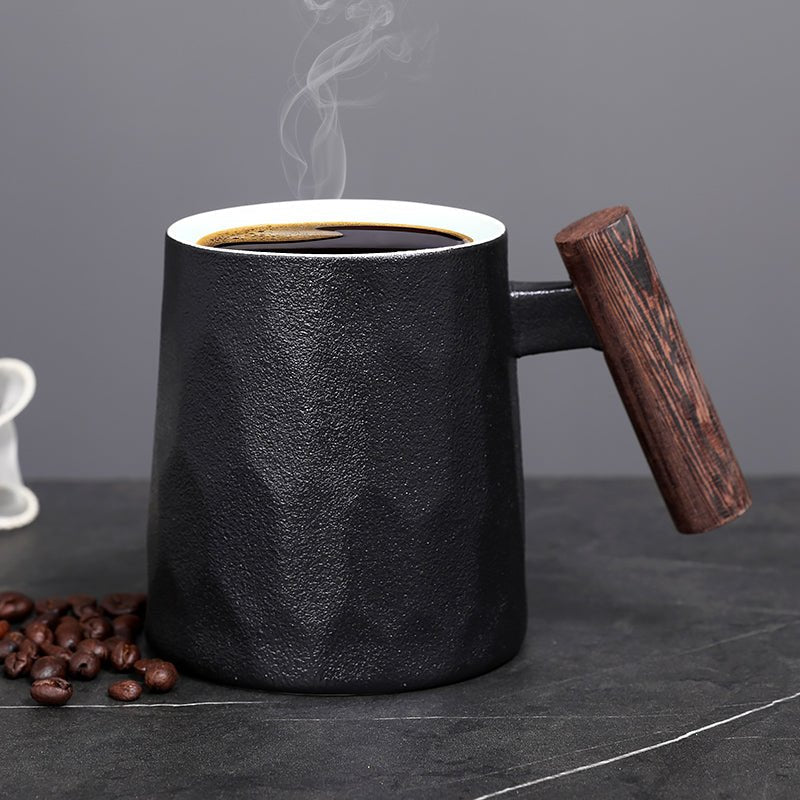
Use this guide to choose Norman Rockwell coffee mugs with fewer surprises. We cover size, care, collectible trade-offs, and what to check before you buy.
Read more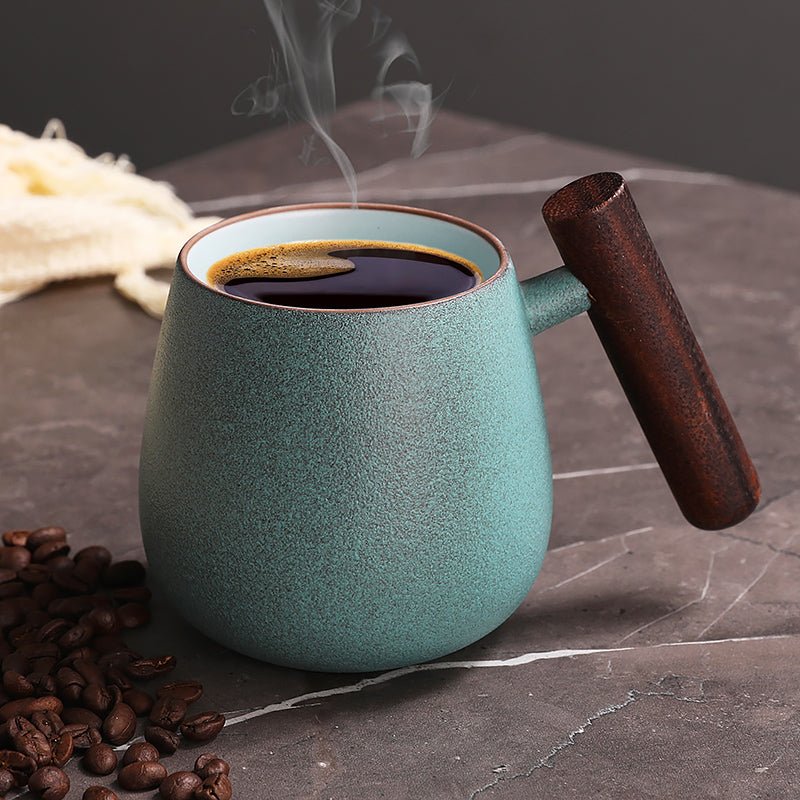
Bulk Coffee Mugs: How to Choose Sets That Get Used
Bulk coffee mugs only work if the size, shape, and finish match how people actually drink and store them. This guide breaks down what to check before you buy, with practical trade-offs from an ecom...
Read more
Leave a comment
This site is protected by hCaptcha and the hCaptcha Privacy Policy and Terms of Service apply.