
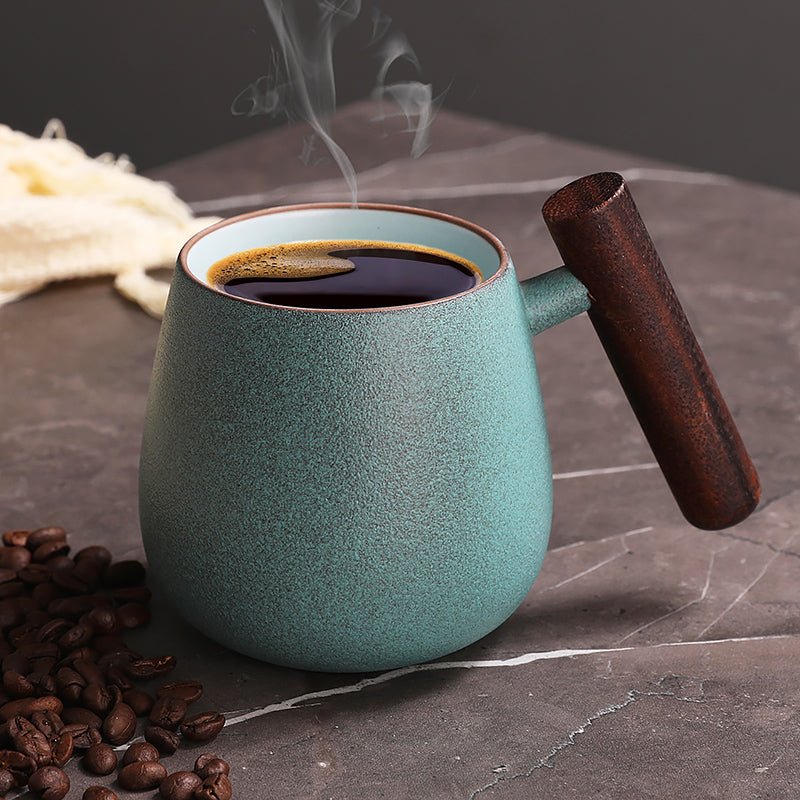
Nice Coffee Mugs Travel: What to Buy for Daily Carry and Trips
Reading time: about 9 minutes
A mug that looks good on a kitchen shelf can still fail the moment it gets tossed into a tote bag, set down on an office desk, or tipped slightly in a car cup holder. That’s the difference we see every day in our store: shoppers want nice coffee mugs travel that feel pleasant in hand, hold heat long enough for a commute, and do not leak on the way to work.
Our team handles this category often, so we look at the unglamorous details too: lid fit, rim comfort, base stability, cleaning, and whether the body picks up stains or odors after repeated use. If you want to compare options before buying, start with our broader buying guide, Nice Coffee Travel Mugs: What to Look for Before You Buy, then use this article to narrow your shortlist by real-world use case.
If you are ready to browse current options, our product page and all collections are the quickest place to compare styles side by side.
What makes a coffee mug nice enough for travel?
A travel mug feels “nice” only if it works outside the kitchen. Appearance matters, but the features that decide satisfaction are more practical: insulation, lid security, mouth feel, and how easy it is to clean after a rushed morning.
In our experience, shoppers are happiest when the mug does three things well:
- Fits the routine — it should fit a car cup holder, backpack sleeve, or desk without wobbling.
- Drinks comfortably — the rim should not feel sharp, bulky, or awkward during a quick sip.
- Cleans without drama — no hidden seams that trap old coffee smell or milk residue.
That last point gets overlooked a lot. A mug can look polished and still be annoying if the lid has too many small parts or if the inside coating stains after dark roasts. We also see complaints about travel mugs that are fine for hot coffee but not great for latte foam, tea, or cold brew because the lid opening is too narrow or the shape is too tall for daily handling.
Which material is better: ceramic, stainless steel, or insulated glass?
The right material changes the entire experience. A lot of shoppers focus on design first, then realize the material determines weight, heat retention, and how easy the mug is to maintain.
| Material | What it feels like | Best for | Trade-off |
|---|---|---|---|
| Ceramic | Heavier, familiar, better coffee taste perception | Desk use, short commutes, gift giving | More breakable and usually less forgiving in bags |
| Stainless steel | Durable, travel-focused, often insulated | Long commutes, driving, errands, outdoor use | Can feel less like a classic mug; some users notice a metallic sip if the interior finish is basic |
| Insulated glass | Clean look, easy to see drink level | At-home desk use, careful office use | Not ideal for rough daily carry or crowded bags |
If you mostly drink at your desk, ceramic is often the most pleasant choice. If your mug spends time in a bag or cup holder, stainless steel is usually the safer pick. Glass looks elegant, but it is not the best match for people who are hard on their gear or who want a mug to survive a drop onto tile.
We cover this trade-off more directly in Ceramic Travel Coffee Mugs: What Buyers Should Check Before Ordering, especially for shoppers deciding between countertop style and true on-the-go durability.
What size should you buy for commuting or office use?
Size is where a lot of buyers either overbuy or underbuy. A mug that is too large can be awkward to carry and slow to finish; one that is too small may force a second refill before your meeting even starts.
We usually think about travel mugs in practical bands rather than trying to chase a single “best” size:
- Small capacity for short deskside use, tea, or espresso-based drinks topped with a little milk.
- Mid-size capacity for a typical commute and one sitting at the office.
- Larger capacity for longer drives, all-morning sipping, or people who do not want to refill.
For most shoppers, the sweet spot is the mug that fits the drink you actually make every morning. If you drink a standard drip coffee at home and finish it on the road, a mid-size mug tends to be easiest to live with. If you prefer a cappuccino or flat white, a smaller profile often feels better in hand and leaves less empty space at the top.
Shape matters too. A mug can technically hold enough coffee but still be inconvenient if it is too tall for a cabinet shelf, too wide for a car holder, or too narrow to clean comfortably by hand. Those are small annoyances at first, then daily frustrations.
Which lid details actually matter on a travel mug?
The lid is where good intentions usually meet reality. A lid that looks sleek in photos can still drip on a shirt, loosen in a bag, or be awkward to sip from while walking to the train.
These are the lid details we check in our store before we recommend a mug:
- Seal quality — the lid should sit evenly and close firmly without needing to be forced.
- Drink opening — some lids sip cleanly, others pour too fast or drip at the edge.
- Disassembly — if the lid has a silicone gasket or sliding part, it should come apart enough to rinse thoroughly.
- Latch or slide durability — moving parts can loosen over time, especially with repeated washing.
A travel mug is not the best choice if you need truly spill-proof performance for a backpack full of electronics unless the lid is specifically designed for that use. Even then, we still advise keeping it upright. A lot of “leak-resistant” lids are fine for commuting, but not all of them are built for being shaken around or stored on their side.
How easy should a travel mug be to clean?
We get this question constantly, and for good reason. The mug you enjoy on day one can become the mug you stop using if cleaning it takes too long.
Here is the practical standard we use:
- Wide enough opening to fit a sponge or bottle brush without scraping your knuckles.
- Simple lid design with fewer crevices for coffee residue and milk film.
- Dishwasher-safe parts where possible, though some finishes and lid mechanisms still do better with hand washing.
Dishwasher cycles can be rough on paint, printed designs, and some seals. If the mug has a decorative exterior, we usually suggest checking the care notes before relying on daily machine washing. For ceramic mugs, occasional staining around the rim is common if you drink dark roasts; for stainless steel, watch for lingering odors if the lid gasket does not dry fully after washing.
A helpful habit: rinse the mug soon after use, let the lid air-dry fully, and inspect the gasket every so often. Small steps, but they keep the mug feeling new longer.
Which nice coffee mugs travel are best for commuting, office days, and trips?
The best mug depends on how you actually move through the day. A single product can be lovely and still be wrong for your routine.
We usually break the decision down like this:
- For short commutes: look for a mug that is comfortable to sip from and stable in a car cup holder.
- For office days: prioritize a cleaner look, a quieter lid, and a body that does not feel too bulky on a desk.
- For trips: choose durability first, then insulation, then size.
If you want a broader side-by-side comparison of those use cases, our post Best Coffee Mugs Travel: What to Buy for Commutes, Office Days, and Trips goes deeper into the day-to-day trade-offs. For shoppers comparing a few different formats, Best Travel Coffee Mugs for Commutes, Office Days, and Trips is also a useful companion read.
In our experience, the most satisfied buyers are usually not the ones chasing the longest heat retention number. They are the ones who pick the mug that matches how long coffee actually sits before they finish it. If you drink it within an hour, comfort and convenience matter more than extreme insulation.
What are the common mistakes people make before buying?
We see the same issues repeat, especially with first-time travel mug buyers. Most of them are avoidable.
- Buying on looks alone and discovering the lid leaks or the mug is too tall for a bag pocket.
- Ignoring the cleaning process and ending up with a lid that traps residue.
- Choosing the wrong capacity for the drink size they actually make at home.
- Picking a fragile material for a commute-heavy routine.
- Assuming all “travel” mugs are truly spill-proof when many are only spill-resistant.
That last point matters. Some mugs are ideal for a desk or short car ride but not for tossing into a backpack. If you need rugged carry, stainless steel usually earns its place. If you want a more refined look for office use or gifting, ceramic can be a better fit as long as you accept the lower drop resistance.
For a more detailed buying checklist, we also recommend Coffee Mugs Travel: What to Buy for Commutes, Office Days, and Trips and Best Coffee Travel Mugs for Commutes, Office Days, and Trips.
Frequently asked questions
Are ceramic travel mugs good for daily commuting?
Yes, if your commute is short and you keep the mug upright. Ceramic is comfortable to drink from and often feels nicer on a desk, but it is more breakable than stainless steel. For a bag-heavy commute or crowded train ride, we usually steer shoppers toward a tougher material.
What size coffee travel mug is best for the office?
For most office use, a mid-size mug is the easiest to live with. It holds enough coffee for a morning stretch without taking over your desk or feeling awkward in the hand. If you only sip slowly, a smaller mug can be more pleasant and easier to finish before the drink cools.
How do I keep a travel mug from smelling like old coffee?
Rinse it soon after use, wash the lid separately if it comes apart, and let all parts dry fully before reassembling. Odor usually builds in the gasket, the lid channel, or a sealed interior that stays damp. If the smell persists, the lid design may be too complex for your routine.
Can I put a travel coffee mug in the dishwasher?
Some mugs and lids are dishwasher-safe, but not all finishes, prints, and seals hold up equally well. We suggest checking the care notes for the body and the lid separately. If the mug has decorative coating or a moving lid mechanism, hand washing is often the safer long-term choice.
What is the difference between spill-resistant and spill-proof?
Spill-resistant means the mug can handle normal upright travel and some minor movement. Spill-proof is a stronger claim and usually depends on a tighter lid design. For bags, laptops, and sideways storage, we treat those two phrases very differently and recommend checking the product details carefully.
If you want to compare styles now, start with our all collections or browse the current products page, then use this checklist: material, lid seal, capacity, cleaning, and whether it fits your actual commute. That five-point check saves most buyers from the wrong mug.
More from our blog
Read more
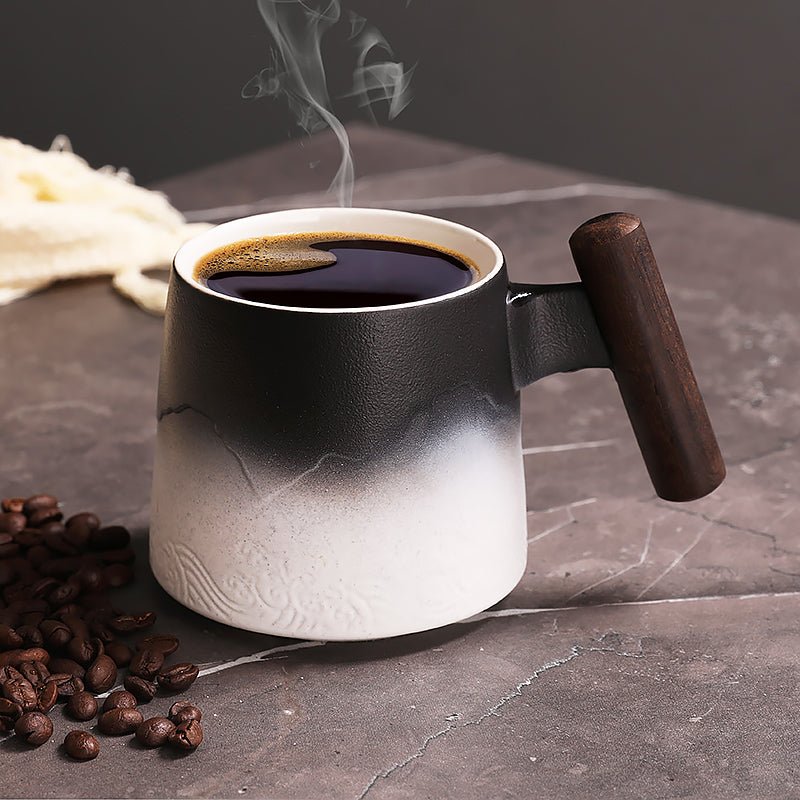
How Many Ounces in a Coffee Mug? Sizes, Fits, and Buying Tips
A mug’s stated capacity is not always the amount you actually pour. This guide breaks down common coffee mug sizes, what they really hold, and how to choose one that fits your drink and routine.
Read more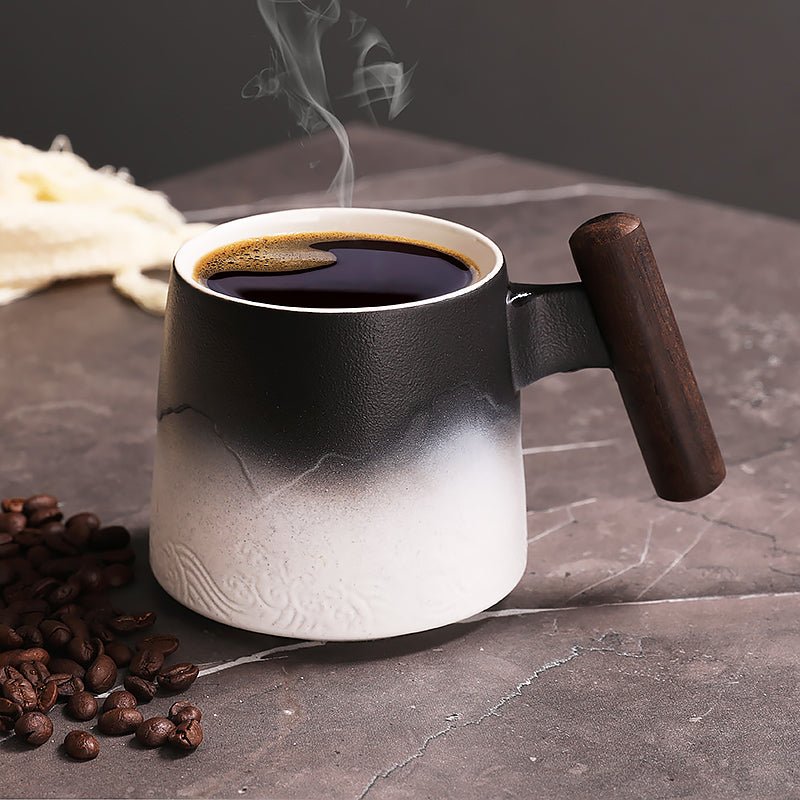
Pretty Coffee Mugs: What to Look for Before You Buy
Pretty coffee mugs should do more than sit well on a shelf. We break down the finishes, sizes, materials, and care details that matter before you choose one for daily use or gifting.
Read more
Leave a comment
This site is protected by hCaptcha and the hCaptcha Privacy Policy and Terms of Service apply.