



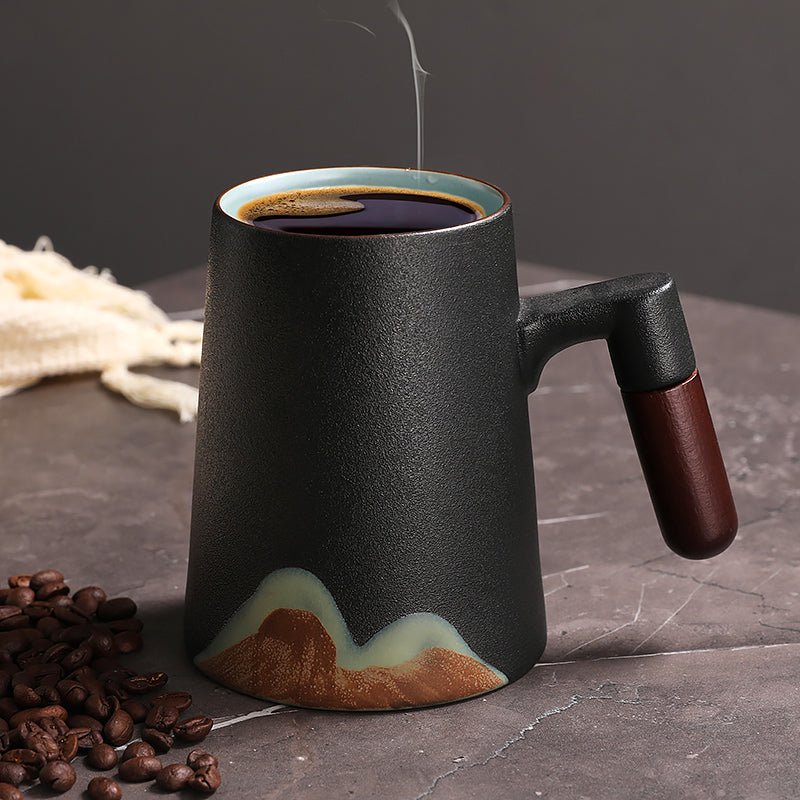
Mug Buying Checklist Gift vs Daily Use: What to Verify First
Reading time: about 10 minutes
A mug can outlive a wedding, a birthday, and two house moves, then get quietly pushed to the back of the cabinet by February. The handle pinched a knuckle. The gold rim could not go in the microwave. It stood half an inch too tall under the coffee maker spout. This mug buying checklist gift vs daily use comparison exists because of that gap — the mug people give and the mug people actually reach for at 6:40 a.m. are often two different objects, and the details that separate them are unglamorous, specific, and almost never visible in the product photos.
We sell ceramic drinkware, so we hear the follow-up that most buying guides skip. Not which mug looked best coming out of the tissue paper — which ones customers mention using every single morning, and which ones land in the “it lives on a shelf now” category. What follows is the checklist we would hand a friend standing in the aisle.
The mug buying checklist gift vs daily use split starts with who washes it
Before material, before color, before the word “large” on the listing, ask who is going to stand at the sink with this mug. That answer reorders everything else.
- Daily driver: dishwasher rack most days, microwave some mornings, limited shelf height, and a handle that has to work when the mug is full and hot. Care labels outrank design. Handle comfort outranks photography.
- Gift or keepsake: may be hand-washed, may live on a desk or a display shelf, may be chosen for how it looks on a wrapping table. Presentation carries more weight and durability carries less — but only if you are honest that the recipient might never drink from it.
- The overlap, which is where buyers get burned: most gift mugs are intended for daily use. A mug designed as a display piece gets used twice, hand-washed once, and retired.
If you cannot answer the sink question, buy the forgiving option: plain-glazed ceramic, no metallic decoration, a generous handle, and published care instructions you can quote back to the recipient.
What does the listed capacity on a mug actually tell you?
Less than most shoppers assume. Listed capacity is typically measured to the rim, not to the line you pour to. Leave room for milk, foam, or the simple fact that most people stop before the brim — a 16 oz mug can end up holding a 13 oz drink. And no consumer standard says a gift mug should be 12 oz or 16 oz. Those numbers circulate because they are common, not because they are safer.
Three questions do more work than an ounce figure:
- What do they drink, and how strong? A black-coffee drinker and someone building a latte with steamed milk need different usable fills from the same listed capacity.
- Do they finish a cup or reheat it twice? Reheaters are usually happier with less volume.
- Morning mug or all-day tea mug? Long tea sessions reward capacity; a quick espresso rewards a smaller bowl.
A mid-size mug is the lowest-risk gift when you do not know the recipient’s habits: enough room for milk, not so much that it reads as a serving bowl.
Do the microwave and dishwasher claims survive a second look?
Microwave safety is a property of the specific piece, not of “ceramic” in general. Microwaves pass through glass, ceramic, and paper and are reflected by metal, which is why the FDA steers buyers toward cookware made for microwave use instead of assuming it. Metal trim and metallic print are the practical failure point, and it is not theoretical: a set of ceramic mugs sold as microwave safe, with metallic gold print and a gold handle, was recalled after the agency said the metallic print could spark and pose a fire hazard, with one reported case of a mug smoking in the microwave.
So the checklist line reads: gold, silver, or copper-looking decoration anywhere on the rim or handle means microwave-off unless the maker states otherwise in writing. Plain ceramic or glass goes in only when the listing says microwave safe. Stainless bodies never do. Melamine-based dinnerware should not be used for heated food or drink at all.
Dishwasher claims split into parts on anything with a lid — body, painted finish, lid, and the silicone seal. A listing that says “dishwasher safe” without saying which of those it covers deserves an email to the seller before you buy, because the lid and seal are where complaints concentrate.
One more note worth passing along to whoever receives the mug: the FDA has documented serious burns from superheated water erupting out of a clean cup after microwaving. The water can look calm and still be hot enough to burst when the cup is moved or a spoon goes in. Adding the coffee or sugar before heating greatly reduces that, and heating times should stay inside what the oven maker recommends.
Which handle, rim, and weight details decide daily comfort?
Comfort is measurable even online, if you know what to ask the listing. In our experience the daily-use complaints are predictable rather than dramatic: a handle joint that loosens, a rim that dribbles down the chin, a mug that feels wonderful empty and tiring after twenty minutes at a desk.
- Handle opening: two to four fingers should pass through without scraping knuckles against the hot wall. As capacity climbs, the loop needs to grow with it — a full large mug is much heavier in the hand than the same mug on a shelf.
- Rim profile: a thin, rounded rim drinks cleanly; a thick, flat rim tends to dribble and feels like drinking from a bowl.
- Weight empty and full: add the drink’s weight to the empty mug and ask whether you would lift that repeatedly. Heavy stoneware is satisfying once and tiring by the third cup.
- Base diameter: a wide base is stable on a counter but may not sit in a cup holder or on a small coaster; a narrow base tips on a cushion or a couch arm.
What do “lead free” and “not for food use” actually mean on a mug base?
This is the step most gift-mug guides skip entirely, and it matters most for the mug headed into someone’s daily coffee.
The FDA sets an action level of 0.5 µg/ml for lead leaching from ceramicware cups and mugs — small hollowware normally, though not exclusively, holding about 240 ml (8 fl oz) and typically having a handle. The agency has also reported traditional pottery labeled lead free that still released extractable lead at levels comparable to lead-glazed ware and in some cases above action levels, and it states plainly that washing, boiling, or other home processes do not remove lead from pottery.
- Commercially made, factory-produced everyday pottery is described by the FDA as much less likely to have a lead problem than handmade crude or irregular pieces, antiques, damaged ware, flea-market finds of unknown origin, and pieces brightly decorated in orange, red, or yellow.
- A “lead free” hangtag is not the same as knowing the maker. Read the base of the mug, not just the sticker.
- Anything marked not for food use should never hold coffee. Under 21 CFR 109.16, ornamental ceramicware that looks food-appropriate must carry a specified conspicuous warning plus a permanent statement on the base, or a hole bored through the potential food-contact surface. A softer phrase like “for decorative purposes only” may follow the required warning but does not replace it.
Two habits compound the risk on older or unknown-glaze pieces. The California Department of Public Health notes that microwaving speeds lead leaching from dishes that contain lead, that longer contact draws out more, and that a dishwasher can damage a leaded glaze, making later leaching more likely and potentially contaminating other dishes. Chips and crazing add to it, though leaching can occur on an intact surface too. A mug you cannot trace to a maker is not the one to make your daily driver.
Will it clear the drip tray, the shelf, and the cup holder?
Fit is the most avoidable return reason in this category, and it is a measuring problem rather than a taste problem.
| Measure on the mug | Where it has to fit | How it fails |
|---|---|---|
| Height, base to rim | Drip tray to brewer spout | Too tall and you tilt the machine or get a half-filled cup |
| Width including the handle | Cabinet shelf height and depth | Handles catch the shelf above and chip the rim |
| Base diameter | Coaster, desk, car cup holder | Wide bases will not drop in; narrow ones tip |
| Body and lid construction | Dishwasher rack, microwave | Metal bodies and unlabeled lids do not follow ceramic rules |
Two mugs can both be described as “large ceramic” and still differ by a full 150 ml and a couple of centimeters of handle. That gap is the difference between a favorite and a shelf ornament.
Where the Morning & Night Large Ceramic Coffee Mug fits — and where it doesn’t
The Morning & Night Large Ceramic Coffee Mug is named for the two shifts it is meant to cover: the first cup of the morning and the late one that keeps you working. The listing establishes the material family and that we position it as a large ceramic mug. The name alone does not tell you the exact capacity in ounces or milliliters, the care instructions, or whether any decoration on the piece is microwave safe — those details belong to the current product page, and we would rather you read them there than take a blog post’s word for it.
What we ask before pointing anyone to it:
- Is the recipient a long, slow coffee or tea drinker, or someone who pours a small cup and forgets it on the desk?
- Does the cabinet above the counter have the height for a taller mug, and does the coffee maker have clearance from drip tray to spout?
- Will it go through a dishwasher most days? If yes, confirm the care line on the listing before checkout rather than after the first wash.
Three yeses and this is the shape of mug that earns a permanent spot beside the kettle. If the recipient commutes with their coffee, or their cabinets are packed tight, a smaller mug or a lidded travel mug will serve them better — that is a legitimate answer, not a consolation prize.
Still comparing shapes and finishes? Browse the unique coffee mugs collection with the checklist above open beside it, then read our breakdown of large gift mugs and how buyers should compare them to see how differently two oversized ceramics can measure. If the drink in question is cocoa rather than coffee, the guide to cups that work for daily coffee and gifting covers the practical side of both jobs. And if the mug is destined for a shelf rather than a sink, start with the home decor mug comparison instead.
Frequently asked questions
Is a 12 oz or 16 oz mug the safer gift size?
Neither number is a standard, so neither is automatically safer. Check the listed capacity on the specific mug, remember it is usually measured to the rim rather than to a realistic fill line, and match it to what the recipient actually drinks. When you have no information at all, a mid-size mug with room for milk is the lower-risk pick.
Can I microwave a mug with a gold rim or metallic print?
Not unless the maker explicitly says it is microwave safe with that decoration. Ceramic mugs with metallic gold print and gold handles have been recalled after the print sparked and one mug reportedly smoked in a microwave. Metal reflects microwaves, so treat any metallic-looking trim as microwave-off by default.
Is a “lead free” label enough for a mug I drink from every day?
It is a good sign, not proof. The FDA has reported traditional pottery labeled lead free that still released extractable lead, and it notes that washing or boiling does not remove lead from pottery. For a daily mug, favor commercially made ware from a maker who publishes care information, and be more cautious with handmade, antique, damaged, or brightly orange-red-yellow decorated pieces.
What does “for decorative use only” mean on a mug?
It means do not drink from it. Ornamental ceramicware that looks suitable for food has to carry a specific conspicuous not-for-food-use warning plus a permanent statement on the base, or a hole through the food-contact surface. A softer phrase like “for decorative purposes only” does not replace that required warning, and it does not make the glaze safe for hot coffee.
How do I apply the mug buying checklist gift vs daily use rule when the person already owns too many mugs?
Change the question from “what mug do they lack” to “what does their current favorite do badly.” If they already reach for the same mug every morning, match its proportions rather than upgrading them, or skip the mug entirely and pair their favorite with good coffee or cocoa. A mug only wins when it fits a routine the person already has.
Ready to pick your mug? Two ways to save on today's order:
Ordering 1–3 mugs? Get an extra 10% off your 1st order with code 10_OFF Apply 10% Off & Shop Wooden-Handle Mugs →
Gifting 4+ mugs? Buy 3, Get the 4th Free applies automatically at checkout (no code needed; offers do not stack) · Free standard shipping (Nov pre-Christmas delivery: 15–20 calendar days US) · Free replacement if chipped in transit.
Popular mug buying guides: Ceramic Tea Cups & Infuser Mugs · Ceramic Mugs with Lids Compared · Wooden-Handle Tea Infuser Mugs Compared · Christmas & Secret Santa Mugs 2026 · Espresso & Cortado Cups Guide · Cup & Saucer Gift Sets · All 25 Mugs Spec Table · Mug Size Guide · Shipping & Promo FAQ
FIRST ORDER 10% OFF (CODE: 10_OFF) · OR BUY 3, GET THE 4TH FREE


Read more
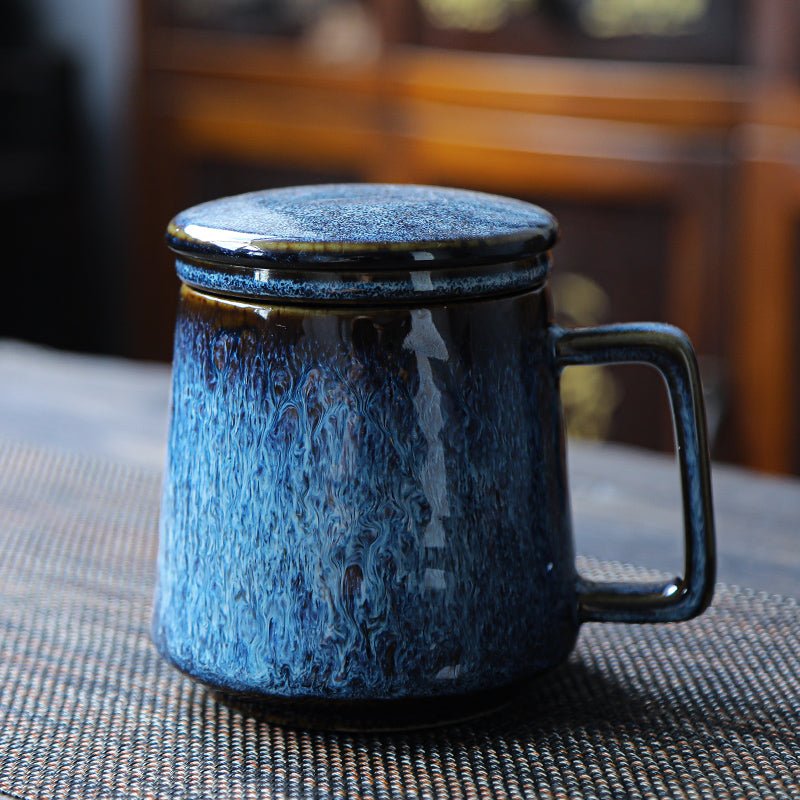
Large Round Coffee Mug Gift: 5 Details Buyers Should Compare
A large round coffee mug gift succeeds or fails on five things: usable fill versus brim capacity, how the curved silhouette holds heat, handle clearance under load, glaze and appliance labeling, an...
Read more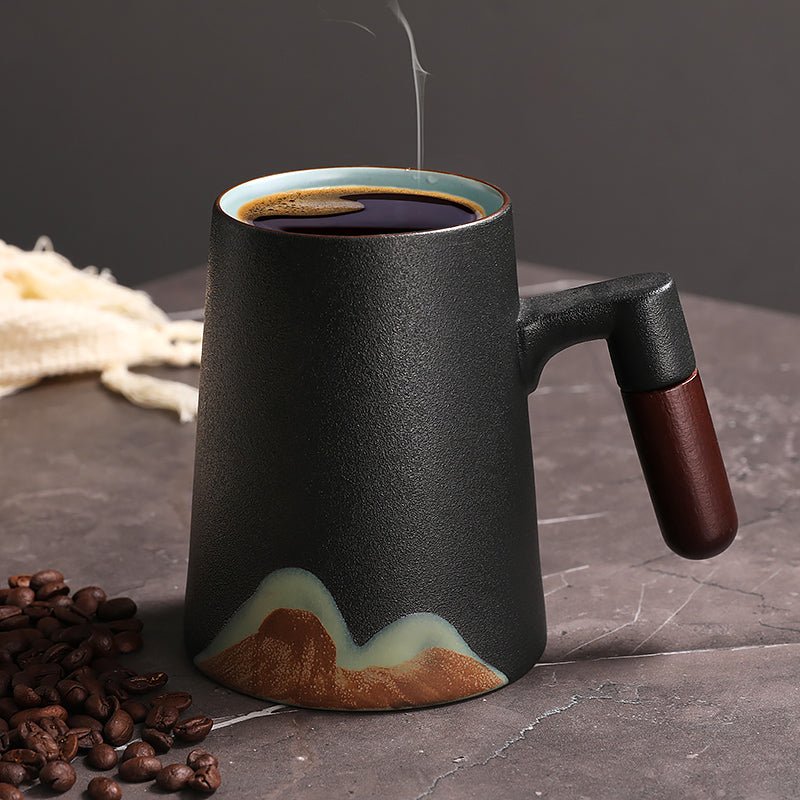
Cafe Au Lait Mug Gift: What to Compare Before You Buy
A cafe au lait mug gift fails on capacity far more often than on style. We compare 400, 440 and 480 ml options, bowl versus handle, care questions and what is actually in the box.
Read more
Leave a comment
This site is protected by hCaptcha and the hCaptcha Privacy Policy and Terms of Service apply.