




Mountain Sea Coffee Mug Wooden Handle Comparison
Reading time: about 13 minutes
The photo is quiet: ceramic, a wooden grip, a mountain-and-sea scene. Fill that cup at the kettle, carry it to a laptop, and the test changes. Two fingers or three. A joint that stays still. A handle you will actually dry after the last sip. That is the mountain sea coffee mug wooden handle comparison we walk through with shoppers choosing between a mixed-material cup and a plain ceramic-handle mug.
In our store, the artwork almost never loses the sale. The care label does. The live page for our Mountain Sea II coffee and tea mug with a wooden handle describes a 450 ml ceramic mug with a wooden handle detail, meant for coffee, tea, a desk or kitchen, and gifting. Wood species, adhesive, finish, and appliance use are not facts we can treat as settled from that description. Read the current listing for those lines before you call it an everyday workhorse.
What a mountain sea coffee mug wooden handle comparison actually decides
This is not a travel-tumbler ranking, and it is not a contest over which mountain print looks better on a shelf. You are choosing a ceramic body with a separate wood grip against a mug whose handle is the same fired clay as the cup. Both can hold coffee or tea. They do not ask the same thing of a household.
Mixed materials split the care label. A glaze that is fine for a hot drink does not automatically make the handle dishwasher-safe, microwave-safe, or happy to sit in a sink of suds. An all-ceramic handle is simpler: one material, one set of limits, and usually an easier piece to stack with the rest of the cabinet.
The wood-grip format fits a styled shelf and someone who already hand-washes a favorite cup. If every mug in the house goes through the same cycle after breakfast, start in our unique coffee mugs collection and lean toward pieces you can treat as ordinary ceramic.
| Buyer check | Ceramic mug with a wooden handle | Standard ceramic-handle mug |
|---|---|---|
| Cleaning | Plan on hand washing and drying the joint. Do not assume the dishwasher from the ceramic body alone. | Often one care line for the whole mug. Still confirm the maker's current label. |
| Heat at the grip | Dry wood generally moves heat more slowly than metal, so the grip can feel less sharp. The ceramic wall can still be hot. | A thick clay handle can also insulate. A thin one warms up with the cup. |
| Full-cup handling | Judge finger room and balance with liquid in it, not from an empty photo. | Same test. A loop handle is easier to compare when width and height are listed. |
| Shared kitchen, stacking, car cupholder | Poor fit. Wood can snag, swell if soaked, and sits awkwardly in most cupholders. | Usually the better daily driver when mugs get stacked or borrowed. |
| Gift when habits are unknown | Risky unless you know they hand-wash special cups. | Safer default when drink size and dishwasher habits are a guess. |
Finger room and balance when the mug is full, not empty
Empty weight lies. A 450 ml ceramic mug, about 15 US fluid ounces, carries a real pour plus the clay. That is larger than a common 12 oz mug, which holds roughly 355 ml. Grip comfort is the opening you can get fingers through once that weight is in your hand, and whether the cup wants to tip toward the handle or sit flat.
On the counter, we ask buyers to check four things listings often leave off the spec line:
- Finger room. Can you get two fingers through comfortably, or are you pinching the wood? Large hands and rings change the answer. Opening width is not a number we can quote, so a product photo is not a measurement.
- Balance when full. Lift it the way you would at a desk, not just by the rim. If the handle sits high or the foot is narrow, a full cup feels top-heavy. Filled weight and base diameter are not published figures you can check from the description alone.
- Rim and lip. Coffee and tea both meet the rim first. A thick, uneven, or sharply glazed lip is what people notice on the second sip, long after the mountain motif.
- Where it lives. A desk mat hides a slightly uneven foot. A slick stone counter does not. Set it down one-handed the way you would between typing.
If those checks fail for your hand or your desk, the scene on the outside will not fix them. Move to an all-ceramic mug with a loop you can measure against your usual grip.
Does a wood grip stay milder while the ceramic body is hot?
Shoppers ask because thin metal and thin cup handles can bite. Wood moves heat slowly compared with metal. In a controlled touch study, wood specimens were rated significantly warmer in the hand and transferred less heat than aluminum. Coated wood was still rated warmer than aluminum. Separate lab measurements of multiple wood species found that thermal conductivity rises as density goes up, and also rises when the wood holds more moisture.
That supports a narrow claim, not a product test. A dry wooden grip can feel gentler than a metal handle. It does not prove this mug's handle stays cool, and it says nothing about how hot the ceramic wall gets. We have not seen a side-by-side reading of handle temperature, exterior temperature, or how long the drink stays hot for this Mountain Sea piece versus an all-ceramic handle or a single-wall glass mountain cup.
Moisture cuts both ways. Wetter wood conducts heat a bit more readily, and a wet joint is also how handles loosen over time. Brew, drink, and leave the mug in the sink until evening, and you are testing the accent, not just the glaze.
The drink inside is a different job. Ceramic mass holds warmth in the coffee or tea. The handle material does not keep the drink hot. If long heat retention is the goal, compare wall thickness and whether you actually use a lid. A wooden handle is not a thermos, and it will not replace a lidded bottle on a commute.
Hand washing, soaking, and appliance lines the listing must state
Appliance labels are a listing check. Do not borrow them from the ceramic body, and do not borrow them from a similar cup on another site. Older write-ups of other mixed-material mugs sometimes mention microwave use. Those claims do not transfer to this one. If the current page does not state microwave, dishwasher, or stovetop use for the whole mug, wood included, do not fill the gap from a photo.
Our practical rule for a wood accent, until that exact listing says otherwise:
- Wash by hand with mild soap. Skip abrasive pads on the glaze and on the wood.
- Do not soak. Water sitting at the ceramic-to-wood joint is the failure we worry about more than a quick rinse.
- Dry the handle and the joint promptly. Standing water in the curve of a handle is how finishes dull and adhesive gets stressed.
- Keep it out of the dishwasher and the microwave unless the current listing approves the wood and the joint, not only the clay.
- Do not set it on a stovetop or under a broiler. Decorative ceramic with a wood grip is a drinking mug, not cookware.
This style is a poor match for a shared office kitchen, a rental with one overloaded dishwasher, or anyone who leaves mugs to soak overnight. It is also a poor match if you reheat half a cup in the microwave every afternoon. An all-ceramic mug with a published appliance label is the honest alternative.
Finish is often unpublished, and it matters. US food-contact rules allow certain white mineral oils, the grade specified for food use, as a component of nonfood articles intended to touch food, and only within the limits of that regulation. That is not approval of every oil, varnish, lacquer, or glue, and it is not a certification of this mug. If the listing does not name the wood species or the finish, treat daily wet-hand gripping as an open question, not a settled feature.
How the handle is joined, and what heat plus water can do
A ceramic handle is usually formed with the cup or joined in clay before the kiln. A wooden handle is a second part. On many mixed-material cups the wood is glued, sometimes with no metal strap you could see and tighten. That is a category pattern, not a construction note for this SKU. If the current listing does not name the adhesive or a mechanical joint, do not assume either one from the photo.
We have not seen an independent thermal-cycle or drop test of this ceramic-to-wood joint, so durability under hot liquid is still a buyer concern, not a measured result. What repeated heat and water can do is ordinary materials behavior. Wood swells and shrinks as moisture changes. Adhesive that was fine on a dry shelf can creep if the joint stays wet and hot. A handle that twists, clicks, or shows a pale gap at the ceramic is finished as a daily cup. Do not keep pouring boiling water into a loose joint to test it.
On arrival, before the first drink, look for:
- A flush joint with no wobble when you apply a light twist to the empty mug.
- No unexpected metal fastener, and no rough screw tip inside the cup. Interior hardware is a stop-use issue for a drink.
- Finish that is not sticky, flaking, or strongly solvent-smelling.
- A foot that sits flat, so you are not levering the joint every time you set the mug down.
None of that replaces a published construction note. Years of hot coffee remain an unanswered question until the listing, or the maker, describes the joint.
450 ml on the live listing, and the other Mountain Sea size figures
Capacity is where our own pages have not always agreed, so we will not paper over it. The current product page for this wooden-handle mug describes 450 ml. That is about 15 US fluid ounces: a generous coffee or tea serving, closer to a large mug than to a small 8 oz cup.
Other guides on our site have listed a Mountain & Sea II figure at 400 ml and a Mountain Sea mug at 270 ml. Those are different numbers for similarly named pieces. They are not interchangeable. Before you buy this as your usual pour, open the live listing and use the capacity printed there. If you are comparing two mountain-style mugs, match milliliters on each current page, not the artwork.
The same ceramic mug can be used for coffee and tea. The mountain scene does not reserve it for one drink. What carries flavor is oil and residue on the wall, so a quick rinse between a dark roast and a light tea is the practical habit. Do not assume a removable infuser is in the box. Some mountain-style tea mugs elsewhere ship with a basket. Count an infuser only if the current listing for this item says one is included.
For a gift, when you do not know their usual size, 450 ml can be too much mug. Someone who drinks a short coffee may find a large cup awkward, and you cannot fix capacity after it is wrapped. If their pour is unknown, a smaller all-ceramic mug is the kinder default.
Extractable lead, glazes, and what a food-safe claim should include
Decorative glaze is a separate trust question from the wood. FDA guidance explains that lead compounds have been used in ceramic glazes and that inadequate or uncontrolled firing can leave lead available to leach into food. Ceramicware that exceeds the agency's extractable-lead action levels may be considered adulterated.
For cups and mugs, FDA Compliance Policy Guide Sec. 545.450 sets that action level at 0.5 micrograms of lead per milliliter of leaching solution, applied to any one of six units tested. That is a regulatory line for extractable lead. It is not a design award, and it does not by itself describe cadmium.
We have not seen published ASTM C738 or equivalent lead and cadmium leach results for this specific Mountain Sea wooden-handle mug. A mountain illustration, a glossy glaze, or the words ceramic coffee mug are not a lab report. If food-contact paperwork is a deciding factor, ask for current leach results or choose a mug that publishes them. We would rather you skip the style than guess.
Desk use, gifts, and kitchens that should skip the wood grip
Buy the wooden-handle Mountain Sea mug if you want a ceramic coffee or tea cup for a desk or a styled kitchen, you will hand-wash and dry it, and the live 450 ml size matches how you actually drink. It also works as a gift when you know the person treats a few mugs as keepers rather than as dishwasher cargo.
Skip it if any of these are true:
- The household is dishwasher-first, or the mug will live in a shared sink.
- You reheat drinks in the microwave and the listing does not clearly approve the wood and the joint.
- You need a car cupholder, a stackable cabinet row, or a mug that can be knocked around an office kitchen.
- You need a documented lead and cadmium leach report and none is offered.
- You need a tea infuser in the cup. Verify that on the listing. Do not infer it from the mountain-and-sea look.
- Your usual pour is a small cup, and 450 ml will feel oversized.
Next step: open the Mountain Sea II wooden-handle listing and confirm capacity, care lines, and what is actually in the box. If any of those are missing or wrong for your kitchen, compare all-ceramic options in the unique coffee mugs collection instead of forcing a wood accent into a routine it will not survive.
Frequently asked questions
What should a mountain sea coffee mug wooden handle comparison cover before I buy?
Cover full-cup finger room, balance, rim comfort, and whether your kitchen will hand-wash and dry the joint. Then check the live listing for capacity, appliance lines, wood species, finish, and how the handle is attached. Artwork is the last item, not the first. A pretty mountain scene does not answer any of those checks.
Can I put a ceramic mug with a wooden handle in the dishwasher or microwave?
Do not assume either one from the ceramic body. Unless the current listing says the wood, the joint, and the glaze are all approved, hand-wash it and do not microwave it. Claims on other mixed-material mugs do not apply to this one. Silence on the page is not approval.
Will the wooden handle stay comfortable while the coffee is hot?
Wood conducts heat more slowly than metal, and a touch study rated wood as transferring less heat to the hand than aluminum. That is a reason a dry wood grip often feels less harsh than metal, not a temperature test of this mug. The ceramic body can still be hot, and wetter wood conducts somewhat more heat. Judge comfort with a full hot cup, and stop using it if the joint wobbles.
How much does the Mountain Sea II wooden-handle mug hold?
The live product page describes 450 ml, about 15 US fluid ounces. Other pages on our site have cited 400 ml for a Mountain & Sea II comparison and 270 ml for a Mountain Sea mug. Use the figure on the current listing for the exact item in your cart, especially if you are matching a usual pour or buying a gift.
Is this a good gift if I do not know their drink size or how they wash mugs?
Only if you are comfortable with a possible mismatch. A 450 ml cup is large for someone who drinks small coffees, and a wooden handle is the wrong gift for someone who runs everything through the dishwasher. When habits are unknown, an all-ceramic mug with a clear care label is the safer pick from the unique mug collection.
Ready to pick your mug? Two ways to save on today's order:
Ordering 1–3 mugs? Get an extra 10% off your 1st order with code 10_OFF Apply 10% Off & Shop Wooden-Handle Mugs →
Gifting 4+ mugs? Buy 3, Get the 4th Free applies automatically at checkout (no code needed; offers do not stack) · Free standard shipping (Nov pre-Christmas delivery: 15–20 calendar days US) · Free replacement if chipped in transit.
Popular mug buying guides: Ceramic Tea Cups & Infuser Mugs · Ceramic Mugs with Lids Compared · Wooden-Handle Tea Infuser Mugs Compared · Christmas & Secret Santa Mugs 2026 · Espresso & Cortado Cups Guide · Cup & Saucer Gift Sets · All 25 Mugs Spec Table · Mug Size Guide · Shipping & Promo FAQ
FIRST ORDER 10% OFF (CODE: 10_OFF) · OR BUY 3, GET THE 4TH FREE




















Read more
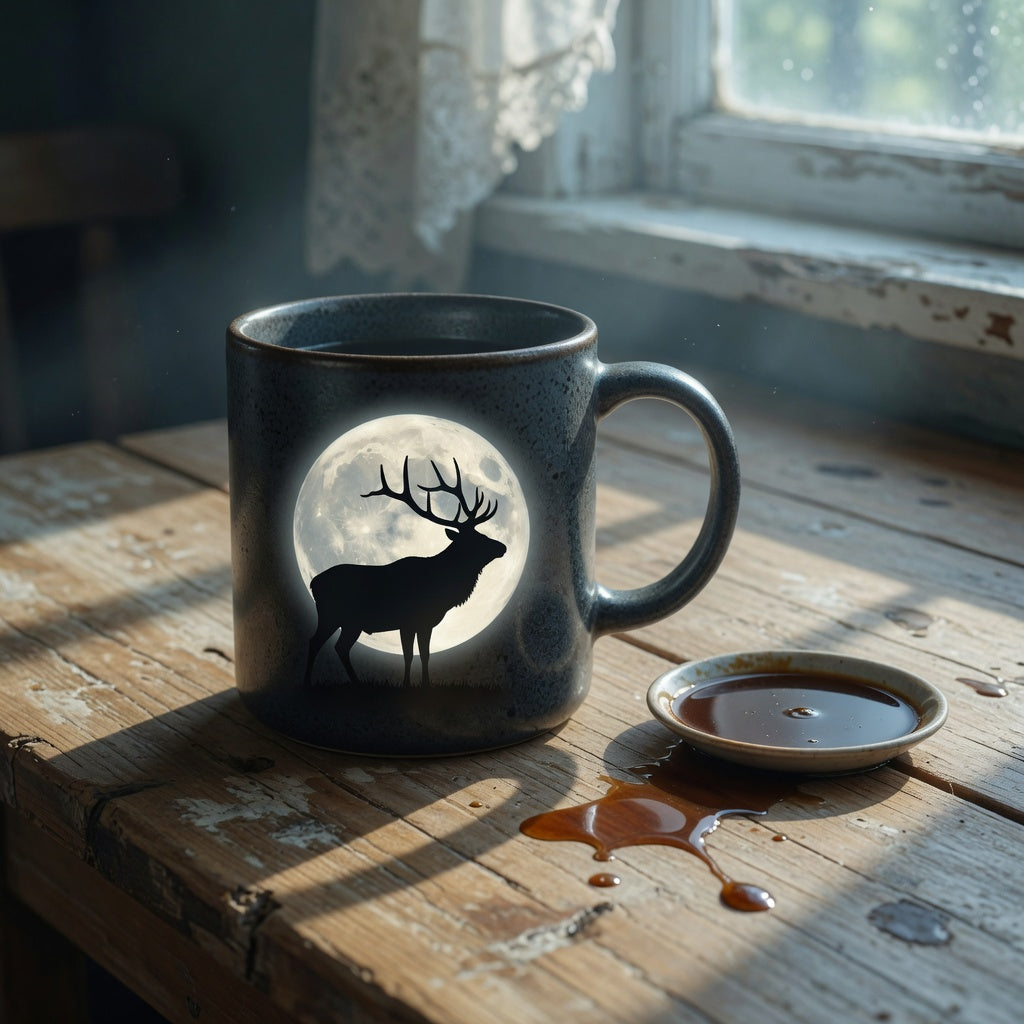
Elk Moon Home Decor Mug: What Buyers Should Compare
An elk moon home decor mug can be a daily coffee cup or a shelf piece that should never hold a drink. We compare design type, capacity, print care, food-contact warnings, and gift timing so you can...
Read more
Crane Coffee Tea Mug for Coffee Lovers Home Decor: What to Compare
Shoppers hunting a crane mug often land on operator jokes or TV novelties instead of bird art. Compare species, food-use labels, gold-trim care, capacity, and daily drinking versus a shelf piece.
Read more
Leave a comment
This site is protected by hCaptcha and the hCaptcha Privacy Policy and Terms of Service apply.