
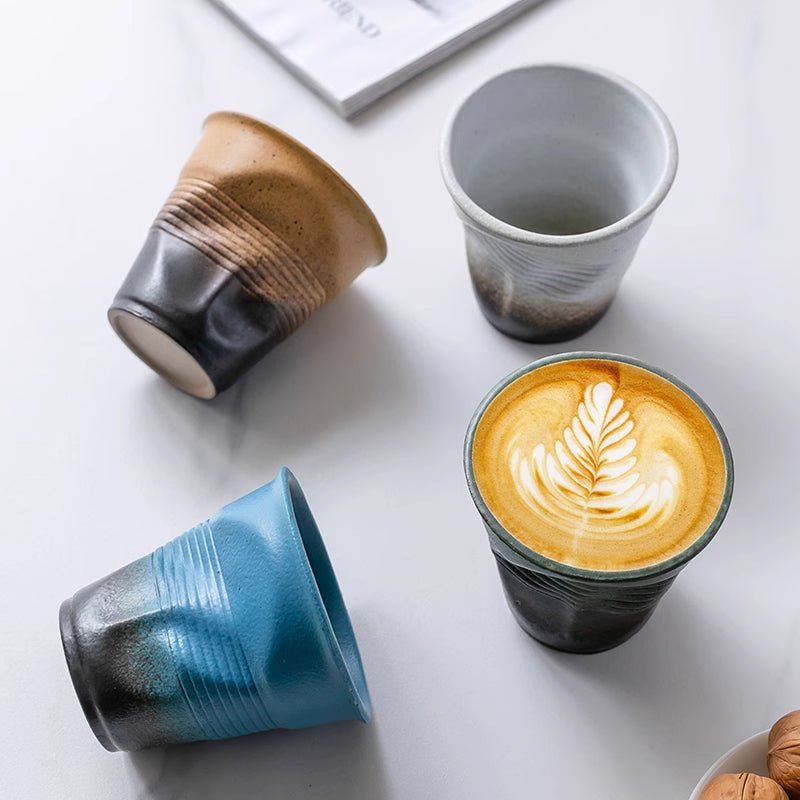
Macchiato Cup for Small Coffee Setup: Compare Sizes and Fit
Reading time: about 9 minutes
A cup can look small in a product photo and still become the awkward item that blocks the cabinet door, crowds the espresso scale, or refuses to sit neatly beside the other drinkware. Choosing a macchiato cup for small coffee setup is therefore less about finding the tiniest vessel and more about balancing capacity, headroom, handle form, and the space you actually have.
In our store, we see the same practical tension across compact kitchens and office coffee corners: buyers want a cup that feels proportionate to an espresso-based drink, but they do not want such a tight capacity that milk foam reaches the rim. The current CoffeifyMug choices discussed here cover three useful reference points: 170 ml, 200 ml, and 250 ml.
How much cup capacity does a macchiato station actually need?
Macchiato proportions vary by cafe, machine, and personal routine. Some people prepare espresso with only a small mark of milk or foam; others use the name for a longer, milkier drink. Treat those proportions as general context rather than a universal recipe.
Capacity affects more than serving size. A cup filled to its stated maximum leaves little practical room for carrying, stirring, or foam. This unused space below the rim is often called headroom. For a tidy pour and fewer spills, the cup's capacity should exceed the volume you normally prepare.
- 170 ml: The most compact listed capacity in this comparison. It suits buyers who make short espresso-based drinks and place a high value on limiting vessel volume.
- 200 ml: A middle position with 30 ml more capacity than the 170 ml option. That difference can provide useful headroom without moving directly to a larger mug format.
- 250 ml: The roomiest option here, offering 80 ml more than the 170 ml cup. It gives milk, foam, and stirring more space, but it may occupy more usable storage than a lower-capacity choice.
If your routine is consistently short, start with the Retro Coffee Tea Cup in 170 ml. Its listed capacity keeps the decision centered on compact servings. Buyers who need to compare that cup with other distinctive forms can also browse our unique coffee mugs collection before committing to one shape.
Capacity versus shelf space: why milliliters do not tell the full story
A 170 ml cup is lower in volume than a 250 ml cup, but capacity alone does not establish the exact diameter, height, or handle projection. Those measurements determine whether the cup fits a narrow shelf, clears an espresso machine's group head, or sits beside a grinder without its handle extending over the counter edge.
We recommend measuring the setup in three directions before ordering:
- Vertical clearance: Measure from the shelf or drip tray to the cabinet, shelf above, or machine component directly overhead.
- Body width: Check the available space where the cup itself will sit. Use the widest point rather than estimating from the base.
- Total width with handle: Include the full handle projection. This is especially relevant when several cups will be lined up side by side.
Also check the path into the space. A cup may technically fit on a shelf but still be difficult to place there if the cabinet opening is narrow. In an office, consider whether the handle will catch on cables or stationery. On an espresso machine, confirm that you can insert and remove the cup without tilting a hot drink.
Capacity is a drink-volume specification, not a substitute for external dimensions. Compare the measurements on the current product listing with your shelf and machine before buying.
Which current cup fits a compact counter routine?
The best match depends on what creates clutter in your setup. For some buyers, every milliliter matters. For others, insufficient headroom causes more daily frustration than a slightly larger cup. This comparison keeps the product claims to listed capacity and visible form.
| Reader situation | Why it may fit | Current option |
|---|---|---|
| You make short drinks and want the lowest listed capacity | At 170 ml, it is the smallest-capacity choice in this group; the retro form also gives it a distinct visual direction | Retro Coffee Tea Cup |
| You want a compact cup with more headroom than 170 ml | The 200 ml capacity adds 30 ml, while the visible pleated form provides texture | Pleated Coffee Tea Cup |
| Your macchiato-style drink is milkier or you dislike filling close to the rim | The 250 ml capacity provides the most room in this comparison; the ball-shaped handle is the defining visible feature | Ball Handled Coffee Tea Mug |
The 170 ml Retro cup is not the strongest choice for someone who regularly prepares a longer drink or wants generous foam clearance. The 250 ml Ball Handled mug is not the obvious choice when the primary goal is minimizing capacity and storing several cups in a very tight row. The 200 ml Pleated cup sits between them, but buyers should still compare its external measurements rather than assuming its middle capacity guarantees a middle footprint.
For a deeper comparison of the smallest option's visual direction, see our guide to choosing a vintage retro small coffee cup. Buyers focused on the middle capacity can review the more specific discussion of a pleated ceramic coffee cup in 200 ml.
How do handle and surface form affect a small setup?
Handles are easy to overlook because product photos usually present a single cup with open space around it. In a working setup, the handle can determine how many cups fit on a shelf and how comfortably the vessel can be lifted from a crowded drip tray.
The Ball Handled model has a visibly rounded ball-shaped handle. That form may appeal to shoppers who want the handle to be a strong part of the cup's appearance, but it should be assessed for grip preference and side clearance. A visually prominent handle is not automatically the most compact choice.
The Pleated cup has a visibly textured exterior. Pleating changes the way light and shadow break across the surface and can make the cup feel more decorative on an open shelf. Textured exteriors also deserve attention during washing because residue or moisture can remain in recesses if the cup is only given a quick wipe.
The Retro cup is the clearest fit for buyers prioritizing the lowest listed capacity and a retro visual style. That does not prove it has the smallest external footprint, so verify diameter, height, and handle width on the listing. Our broader comparison of small ceramic coffee cup size, shape, and style explains why two cups with similar intended uses can behave differently in storage.
What should you inspect before putting a cup into daily rotation?
Small cups often move through more handling than buyers expect. They are lifted from tight shelves, placed under a machine, carried with a drink close to the rim, washed, and returned to storage several times a day. We use a short inspection routine for drinkware because minor issues are easier to spot before the first full coffee cycle.
- Check the rim: Run a fingertip gently around it and look for rough areas, chips, or irregular points before use.
- Inspect the handle connection: Look where the handle meets the cup body. This area carries the load when the filled cup is lifted.
- Place it on a flat surface: Confirm that the base sits steadily and does not rock noticeably.
- Review the care directions: Do not assume dishwasher or microwave suitability from appearance alone. Follow the current product instructions.
- Wash recessed surfaces carefully: Pleated or otherwise textured areas may need more attention than a smooth wall.
- Dry the base before storage: Moisture around the foot ring can transfer to shelves or to another cup if drinkware is stacked.
Stacking deserves particular caution. A cup that can physically sit inside another is not necessarily designed for stable stacking. Rim-to-body contact can concentrate pressure and may mark or chip drinkware. If the product listing does not describe it as stackable, store cups individually or use a shelf riser rather than forcing a vertical stack.
Is 170 ml, 200 ml, or 250 ml the better everyday compromise?
Start with the drink you make most often, not the drink you might prepare once a month. Place your usual empty cup on a scale, tare it, and add water to the level your finished drink normally reaches. The water weight in grams gives a close practical estimate of volume in milliliters for this comparison. Leave additional room for foam, stirring, and carrying.
Use the result as a working guide:
- Choose 170 ml if your normal drink fits comfortably below that limit and compact capacity is your leading priority.
- Choose 200 ml if 170 ml feels restrictive but a 250 ml vessel would be more cup than your routine needs.
- Choose 250 ml if your usual preparation needs more milk or headroom and you can accept the higher capacity in your storage plan.
A small macchiato cup is not ideal for iced coffee, large tea servings, or drinks that require substantial mixing room. In those cases, a larger mug style will be more practical. Conversely, buying 250 ml solely as a precaution may undermine the compact feel you wanted if most servings occupy only a small portion of the cup.
Frequently asked questions
What size macchiato cup for small coffee setup use is most practical?
For a short drink and a strong emphasis on compact capacity, 170 ml is the logical starting point. A 200 ml cup offers extra headroom, while 250 ml better suits milkier preparations. Confirm the external dimensions separately because capacity does not reveal shelf or counter footprint.
Is a 170 ml cup too large for a traditional macchiato?
It may hold more than a very short espresso-and-milk preparation requires, but the unused space can provide carrying and foam headroom. Drink proportions differ, so compare 170 ml with the volume you actually make rather than treating one recipe as universal.
Does a 200 ml pleated cup take more work to clean?
A pleated exterior has recesses that may need more attention during hand washing and drying than a completely smooth surface. Follow the product's current care directions and check the pleats for trapped residue or moisture before returning the cup to a shelf.
Should I choose a 250 ml cup for extra headroom?
Choose 250 ml if your normal milk and espresso volume makes 170 or 200 ml feel crowded. It is less suitable if your main objective is the lowest possible capacity or if you have not confirmed that its external measurements fit your storage area.
Can these cups be stacked in a small cabinet?
Do not assume stackability from capacity or appearance. Check the product listing for guidance; if stackable storage is not specified, use individual shelf positions or a cabinet riser to avoid unstable rim contact.
Your compact-cup comparison checklist
Before choosing, measure your machine clearance, shelf height, body-width allowance, and handle-width allowance. Then estimate your usual finished drink volume and add enough headroom for foam and movement. Finally, decide which compromise suits the setup: the 170 ml Retro cup for the lowest listed capacity, the 200 ml Pleated cup for a middle-capacity option, or the 250 ml Ball Handled mug for the most drink space.
Use those measurements while browsing the CoffeifyMug unique coffee mugs collection. The right next step is the cup whose current dimensions fit your physical setup and whose listed capacity fits the drink you prepare every day.
Read more
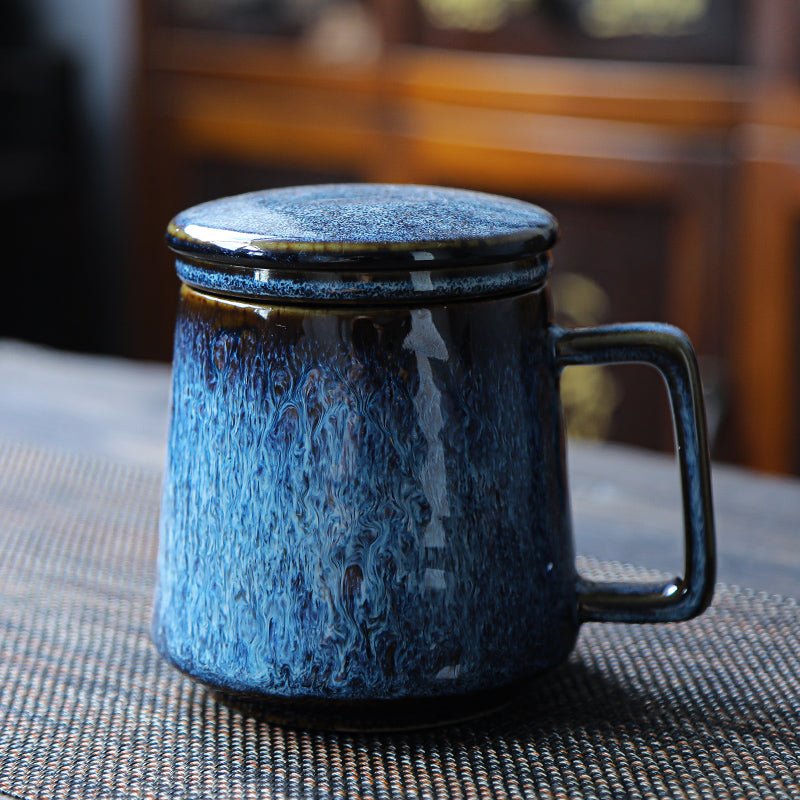
Mocha Mug for Small Coffee Setup: Capacity and Space Compared
Compare 400 ml, 440 ml, and 480 ml mocha mug options for a compact coffee station. This guide covers shelf clearance, desk use, coffee-and-cocoa portions, care questions, and the trade-offs behind ...
Read more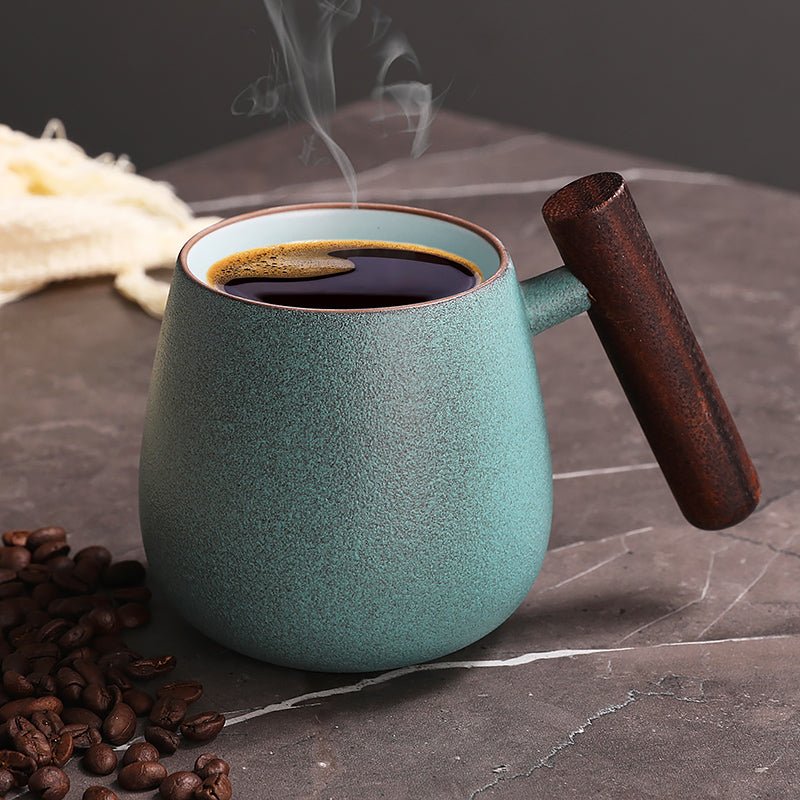
12 Oz Ceramic Coffee Mugs for Small Coffee Setup
Compare shelf clearance, counter footprint, usable capacity, mug shape, and care needs before adding a 12 oz ceramic mug to a compact kitchen or office coffee station.
Read more
Leave a comment
This site is protected by hCaptcha and the hCaptcha Privacy Policy and Terms of Service apply.