
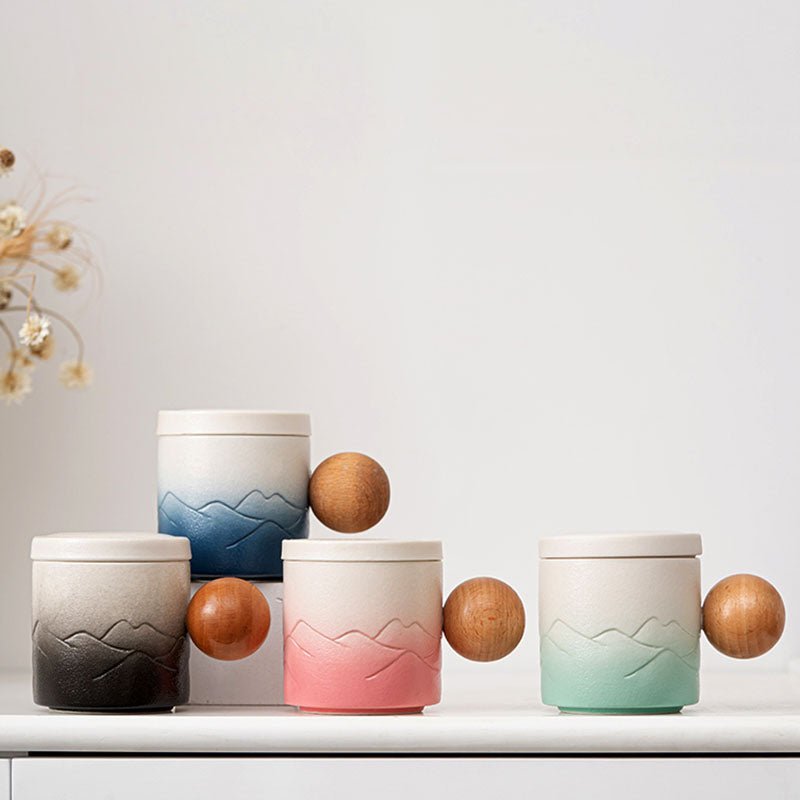
Macchiato Cup Home Office Practical Purchase Checklist: 170–250 ml
Reading time: about 8 minutes
A cup that looks compact on a kitchen shelf can feel crowded beside a keyboard once a spoon, notebook, and charging cable claim the same patch of desk. This macchiato cup home office practical purchase checklist narrows the decision to the details that change daily use: 170, 200, or 250 ml capacity, practical headroom for your normal milk finish, a visible form that suits your grip and storage, and care facts you can verify before ordering.
In our store, shoppers often begin with the drink name, but their actual pour is the better filter. Open the Retro 170 ml Coffee Tea Cup and the unique coffee mugs collection side by side. The product photos establish style and visible form; the steps below help you decide whether a cup belongs in your workday.
Use the macchiato cup home office practical purchase checklist to define your pour
A macchiato is not one universally sized drink. As general context, some cafés use the name for espresso marked with a small amount of milk, while home versions can include more milk or foam. Treat those proportions as context, not a rule, and buy for the drink you actually make.
- Measure one normal drink. Use a marked vessel or measure the liquid ingredients as you prepare them, then note the approximate finished volume.
- Account for the finish. Include your usual milk, foam, sugar, and stirring spoon rather than measuring espresso alone.
- Use your larger regular recipe. If meeting-day drinks are fuller than quick-break drinks, size for the fuller routine.
- Leave deliberate headroom. The listed capacity should sit above your normal fill level; it is not a target line at the rim.
In our experience answering compact-cup questions, this one measurement removes much of the guesswork. A 170 ml cup can be generous for one short recipe and restrictive for another.
How much headroom do 170, 200, and 250 ml provide?
Headroom is the unused space between the prepared drink and the rim. It gives foam and a spoon somewhere to sit, but there is no universal amount: your fill level and the cup's internal geometry both matter.
| Reader situation | Option | Why it fits | Trade-off |
|---|---|---|---|
| Short, espresso-forward drink during a brief focus break | Retro Coffee Tea Cup, 170 ml | Smallest listed capacity of the three; sensible when your measured drink remains clearly below 170 ml | Least room for added milk or foam |
| Regular desk drink with a modest milk addition during a meeting | Pleated Coffee Tea Cup, 200 ml | Middle capacity, giving 30 ml more than the 170 ml option | Can still feel tight if your normal drink approaches 200 ml |
| Fuller home recipe or one cup for several compact drink styles | Ball Handled Coffee Tea Mug, 250 ml | Largest listed capacity, with 50 ml more than 200 ml and 80 ml more than 170 ml | More cup than a very short shot needs; the ball handle also deserves a grip check |
These numbers are comparison points, not recommended brim fills. Exterior shape also affects where a given volume sits. If you want a deeper treatment of recipe and size trade-offs, read our macchiato cup daily-use guide for 170 ml to 250 ml.
Will the cup form fit your keyboard, shelf, and espresso setup?
Capacity alone does not tell you the outside diameter, height, weight, foot width, or handle projection. Those details remain unknown until they are stated on the live page or measured, so do not treat 170 ml as a guaranteed desk footprint.
- Espresso machine: Measure from the drip tray to the spout and compare that clearance with the listed cup height.
- Coffee shelf: Check total height and the widest point, including the handle, rather than measuring the body alone.
- Desk position: Place your current cup where it normally sits and note the space needed for the handle, notebook, mouse, and coaster.
- Grip: A ball-style handle is not a conventional finger loop. Study the photos if you normally hook one or two fingers through a handle.
The Pleated cup has a visibly pleated surface, and the 250 ml mug has a visible ball handle. Those are form observations, not promises about comfort. The Retro option should likewise be judged from its current photos rather than from the word retro alone.
What should you verify about material, finish, and care?
Material and care compatibility are product-page facts, not details to infer from appearance. We only treat dishwasher or microwave use as confirmed when the current listing says so for the exact product or variant; one claim does not automatically imply the other.
- Read the material line. Confirm it on the product page before applying ceramic, glass, or metal-specific care advice.
- Check both care claims separately. If dishwasher or microwave suitability is absent, ask our store instead of assuming.
- Inspect at unboxing. On a level counter, check that the clean base sits evenly. Look under good light for a chipped rim or a fine crack around a handle attachment.
- Use a conservative wash routine. After a milk drink, rinse before residue dries and use mild detergent with a non-abrasive sponge unless the supplied instructions say otherwise. Run the sponge along any pleated relief.
- Stop if damage affects use. Do not keep drinking from a chipped rim or lifting a cup by a cracked handle; contact the store for the appropriate next step.
If the current listing confirms that your chosen cup is ceramic, our small ceramic coffee cup daily-use guide adds material-specific trade-offs. For gifts, complete the rim, handle, and base check before wrapping so the recipient is not doing quality control at the unboxing.
Which capacity fits focus blocks, meetings, and coffee breaks?
Short focus break: start with 170 ml
If your measured recipe stays well below 170 ml and remains espresso-forward, the 170 ml Retro cup is the most direct starting point. It is not the best match for a routine that regularly adds enough milk or foam to crowd that capacity.
Meeting drink: use 200 ml as the midpoint
If you want more room than 170 ml without moving to the largest option, the 200 ml Pleated cup is the practical middle step. It suits a measured drink that fits below 200 ml with the headroom you prefer; it is not automatically roomy for every home recipe.
More recipe headroom: consider 250 ml
If your usual drink comes close to 200 ml or your workday recipe varies, the 250 ml Ball Handled mug gives the most capacity in this shortlist. Choose it only after checking the visible ball-handle form and any listed exterior measurements.
For a shared home office, size the cup for the larger regular drink, not the largest drink anyone makes once a month. That keeps the decision grounded in repeat use.
What are compact macchiato cups not good for?
- Drinks that regularly exceed 250 ml, including larger Americanos or long tea servings.
- Iced coffee recipes that use substantial ice and need more volume than the listed capacities provide.
- Buyers who require a conventional loop handle but are considering the ball-handle form without checking it.
- Tight machine or shelf spaces when no exterior measurements have been confirmed.
- Routines that require verified microwave or dishwasher compatibility when the live listing does not state it.
If your everyday drink is a longer Americano rather than a compact macchiato, a larger cup may be the honest choice. Compare the 200, 270, and 350 ml context in our Americano coffee cup daily-use guide before forcing a short-drink cup into the wrong job.
A two-minute desk-fit check before checkout
- Measure your normal finished drink, including milk.
- Decide how much visible headroom you want for foam and stirring.
- Shortlist 170, 200, or 250 ml from that measured need.
- Verify height, widest point, base width, and handle projection if your space is constrained.
- Compare the visible Retro, Pleated, and Ball Handle forms with how you actually grip a cup.
- Confirm the material and separate dishwasher and microwave care statements.
- Review the current product photos and store policies before ordering, especially for a gift.
- At delivery, inspect the rim, handle attachment, interior, and base before first use.
This is the practical core of the macchiato cup home office practical purchase checklist: measure the drink, verify the unknowns, then choose the smallest capacity that still leaves the headroom your routine needs.
Frequently asked questions
Is a 170 ml cup big enough for a home-office macchiato?
It can be, if your measured finished drink remains below 170 ml with room for your usual foam and spoon. The number is a capacity option, not a universal macchiato standard. If your regular recipe comes close to that limit, compare the 200 ml cup.
Should I choose 200 ml or 250 ml for extra milk and foam?
Choose 200 ml if your normal drink fits below it with the headroom you want; it adds 30 ml over the 170 ml option. Choose 250 ml if 200 ml is close to your normal fill or your recipe varies. The extra 50 ml comes with a different visible ball-handle form, so check both capacity and grip.
Does the macchiato cup home office practical purchase checklist assume one standard recipe?
No. Macchiato proportions vary by café and household, so the checklist uses your measured pour rather than a universal ratio. That is why headroom and routine matter more than the drink label alone.
Can I assume these cups are dishwasher- or microwave-safe?
No. Check each current product page for the exact material and explicit care language; dishwasher and microwave suitability are separate claims. If either detail is not stated, ask our store rather than treating it as confirmed.
Does listed capacity tell me whether a cup fits under my espresso machine?
No. Capacity describes volume, not cup height or handle projection. Measure the tray-to-spout clearance and compare it with a listed dimension, or ask for that measurement before ordering.
Your 170–250 ml checkout decision
Measure one normal drink today and use the result as your cutoff. Choose the 170 ml Retro for a clearly smaller pour, the 200 ml Pleated for a middle step, or the 250 ml Ball Handled mug for the most headroom in this shortlist. If visible form matters as much as capacity, compare them again in our unique coffee mugs collection before checkout.
Read more
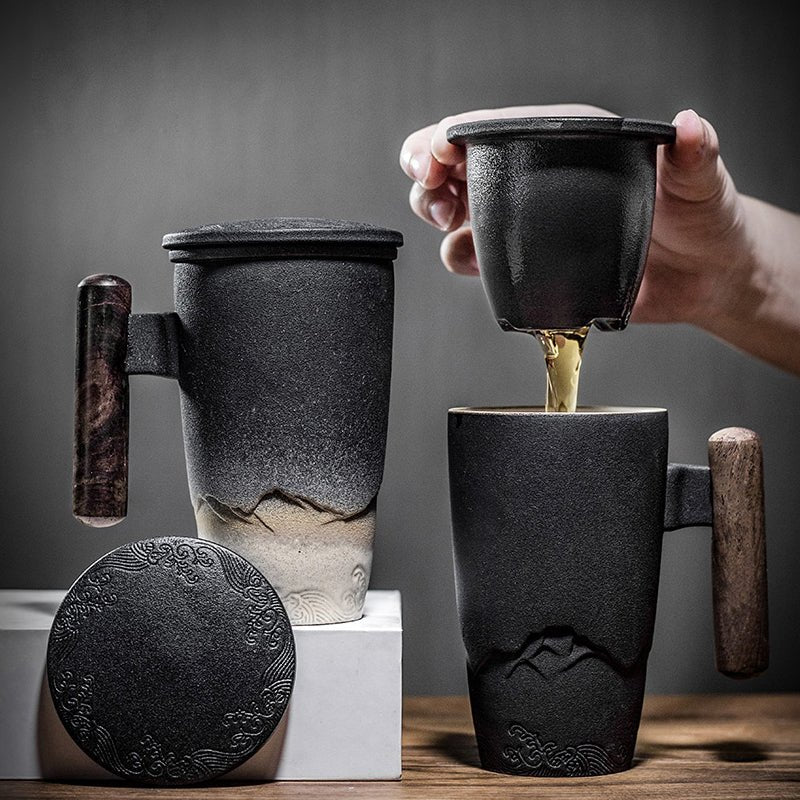
The breakfast coffee cup morning routine practical purchase checklist
Match a breakfast cup to your actual drink volume, time at the table, refill tolerance, and available space. We compare CoffeifyMug's listed 170, 200, and 350 ml options and flag material, care, an...
Read more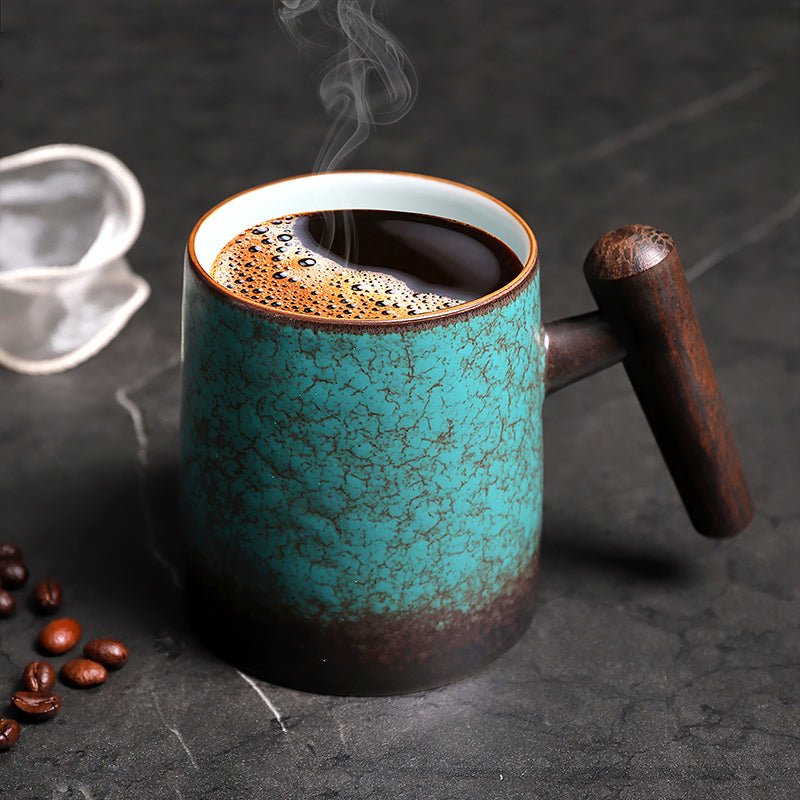
Americano Coffee Cup for Home Offices: A Practical Purchase Checklist
Our store-curated checklist compares the Pleated 200 ml, Emerald 270 ml, and Landscape Tall 350 ml so you can pick the right americano coffee cup for your home office desk—based on stability, capac...
Read more
Leave a comment
This site is protected by hCaptcha and the hCaptcha Privacy Policy and Terms of Service apply.