
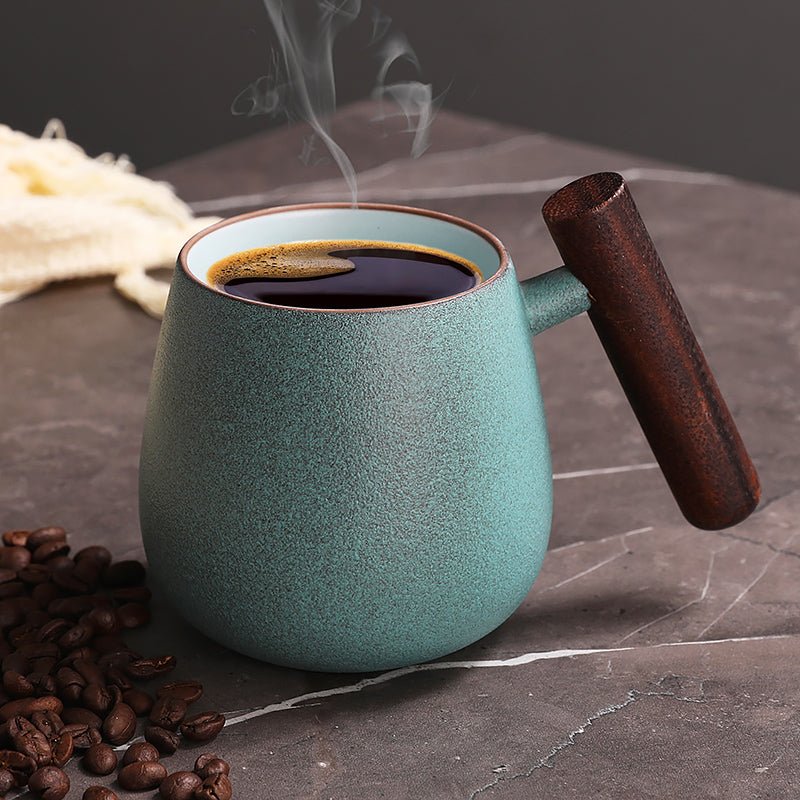
Loose Leaf Tea Mug Shared Household Practical Purchase Checklist
Reading time: about 10 minutes
A crowded draining board exposes the problem quickly: one person wants a shorter cup of tea, another carries a larger serving to a desk, and nobody remembers which infuser belongs to whom. This loose leaf tea mug shared household practical purchase checklist is designed for that ordinary shared-kitchen decision, where capacity, storage, brewing accessories, and cleanup matter more than everyone owning the same mug.
The confirmed comparison points are deliberately narrow. The Ball Handle option is listed at 250 ml with an 11.2 cm diameter, the Round option at 390 ml, and the Spittoon option at 400 ml. We can compare those listed capacities and the visible openings shown in the product imagery. We cannot treat appearance as proof of material, exact rim width, interior depth, weight, microwave suitability, or dishwasher suitability.
Each linked product is individual drinkware, not part of a household set. Start with the Ball Handle Coffee Tea Mug if a 250 ml serving is already on your shortlist, or scan the unique coffee mugs collection to compare the available shapes. Unlisted filters, infusers, lids, and other brewing accessories are not included.
Your loose leaf tea mug shared household practical purchase checklist
In our store, we find that a shared-household choice becomes clearer once each person answers the same practical questions. Do this before comparing colors or deciding that one mug must work for everyone.
- Write down each usual serving amount. Use the amount normally poured, not the largest drink someone might make occasionally.
- Name the brewing method. A basket infuser, tea ball, disposable filter, external teapot, and pour-through strainer place different demands on a mug opening.
- Measure the storage space. Check shelf height, usable shelf depth, and the distance between neighboring handles. For the Ball Handle mug, compare the listed 11.2 cm diameter with the available space.
- Separate confirmed facts from visual impressions. A wide-looking opening in a photograph is not an exact rim measurement, and a listed overall diameter is not automatically the opening diameter.
- Agree on the cleanup rule. Confirm the current care guidance before anyone puts a new mug through a dishwasher or into a microwave.
- Decide if individual choices are acceptable. The three products are linked separately, so housemates can choose different capacities without treating them as a packaged set.
250 ml, 390 ml, or 400 ml: which serving pattern fits?
| Individual option | Confirmed listing detail | Situation it fits | Trade-off to check |
|---|---|---|---|
| Ball Handle Coffee Tea Mug | 250 ml; listed 11.2 cm diameter | A housemate who routinely makes a shorter serving or prefers to refill with fresh tea | It holds 140 ml less than the 390 ml option. The listed diameter also needs a real shelf and counter check rather than an assumption that lower capacity means a narrow footprint. |
| Round Coffee Tea Mug | 390 ml | A drinker who wants substantially more listed capacity than 250 ml without choosing the largest figure in this comparison | Exact rim width, overall diameter, weight, and accessory compatibility are not established by the verified capacity. |
| Spittoon Coffee Tea Mug | 400 ml | A housemate who wants the largest listed capacity among these three and likes the form visible in the product images | It is only 10 ml above the Round mug, so the visible opening and overall form are more useful decision points than that small capacity difference. |
A listed capacity is not necessarily a comfortable working fill level. Loose leaf tea needs headroom for lifting an infuser or stirring without sending liquid over the rim, and the brewing accessory itself displaces some liquid. The supplied facts do not say whether each capacity was measured to the brim, so do not promise a housemate that every listed milliliter will be practical at the table.
If serving size is the main disagreement in your household, our 250 ml, 390 ml, or 400 ml daily-use comparison explores those trade-offs in more detail.
How much does the visible opening matter for loose leaf tea?
The opening affects how easily someone can lower and retrieve a separate basket, reach the interior with a sponge, or remove stray leaves. A more exposed tea surface may also lose heat differently from a less open form, but actual heat retention depends on material, wall construction, fill level, room temperature, and other specifications that are not confirmed here. We would not rank these mugs for heat retention from photographs alone.
Use the product images to compare visible openings qualitatively. Do not convert that visual comparison into an unsupported measurement. The Ball Handle mug's listed 11.2 cm diameter should not be used as its rim diameter unless the product information explicitly confirms that measurement point.
If someone already owns a basket infuser, measure its widest support span and the depth of the basket. Exact opening and interior-depth measurements would be needed to guarantee compatibility, and those measurements are not among the verified facts supplied for this comparison. A mug can look open enough on a screen and still be a poor fit for a particular infuser.
What must each housemate supply for brewing?
These links lead to drinkware only. They do not include an infuser, filter, tea ball, strainer, lid, spoon, or other unlisted brewing accessory. That boundary matters during gift unboxings and shared orders because a recipient may reasonably assume that a product described for tea arrives ready to contain loose leaves.
- For a basket infuser: verify the support width, basket depth, and required lid clearance against confirmed mug dimensions.
- For a tea ball: allow room to retrieve it without dragging the chain or leaves across the drinking edge.
- For an external teapot or strainer: the mug only needs to receive the brewed tea, so accessory fit at the rim is less demanding.
- For leaves placed directly in the mug: expect floating leaves and more residue during cleanup. A different brewing setup is better for anyone who dislikes leaves near the mouth.
Do not order an infuser by guessing from the mug photograph. If compatible dimensions are essential, confirm the current product specifications with our store before checkout.
Which mug fits each shared-kitchen routine?
The useful recommendation is not one universal winner. It is a clear match between a person's usual serving and a verified product fact.
- Short, freshly repeated servings: the 250 ml Ball Handle mug is the direct next step because it has the lowest listed capacity of the three. Check its 11.2 cm listed diameter against the drying rack and shelf before assuming it saves horizontal space.
- A larger serving carried to a home-office desk: the 390 ml Round mug adds 140 ml of listed capacity over the Ball Handle option. It is still open drinkware, however, with no confirmed lid or leak-resistant feature. A travel mug would suit frequent movement better. The home-office loose leaf tea mug checklist covers desk placement and routine questions.
- The largest listed choice in this shortlist: the 400 ml Spittoon mug fits the person who prefers its visible form and wants the highest stated capacity. The 10 ml difference from the Round mug is too small to make capacity the only deciding factor.
- A household with limited cabinets: measure first. Only the Ball Handle option has a verified diameter in the supplied facts, so compare the other products by current listing details rather than filling in missing measurements. Our compact-kitchen purchase checklist provides a more storage-focused process.
- People with different preferences: choose individual mugs from the collection instead of forcing a matching capacity. These products should not be described or purchased as though they form a supplied set.
These mugs are not the right purchase for someone who needs a built-in brewing filter, a confirmed matching set, a sealed commuter lid, guaranteed compatibility with an existing infuser, or appliance-care claims that have not been verified. In those cases, choose drinkware specifically listed with the required feature or obtain confirmation before ordering.
What should happen before the first dishwasher cycle?
The first cleanup is where shared households often discover that nobody checked the care information. The verified facts used for this article do not establish material, finish, or dishwasher and microwave status. We do not label a product dishwasher-safe or microwave-safe based on its appearance.
- Read the current product page and any care information supplied with the mug. Product-specific instructions take priority over general habits.
- Keep unverified drinkware out of the dishwasher and microwave. Hand washing with mild dish soap and a soft, nonabrasive sponge is the conservative interim approach while care details are being confirmed.
- Rinse tea residue promptly. This reduces the amount of scrubbing needed later, especially around the interior base and drinking edge.
- Avoid abrasive pads until the finish is confirmed. A harsh scrubber can mark some surfaces, and the supplied facts do not support a claim about the finish used here.
- Give each mug enough drying space. Prevent the rim and handle from knocking against other dishes on a crowded rack.
If automatic cleaning is essential to the household routine, verify dishwasher suitability before purchase rather than treating hand washing as a temporary inconvenience that everyone will accept.
How should shared drinkware be inspected on arrival?
Open each parcel with enough time to inspect the mug before use or gifting. Run a fingertip carefully around the rim for a chip or sharp rough area, place the empty mug on a dry flat counter to check for unexpected rocking, and look closely at the handle attachment and interior surface. Do not use a mug with a crack, sharp edge, or loose handle; photograph the issue and contact the store.
Keep the accessory expectation clear during a gift handoff. If the recipient brews loose leaves, pair the mug only with a separately purchased brewing tool that has been checked for fit. Do not present an accessory as included with the linked drinkware.
Frequently asked questions
Does a CoffeifyMug loose leaf tea mug include an infuser or filter?
No unlisted infuser, filter, tea ball, lid, or brewing accessory is included with the linked products. They are drinkware only. Select a separate brewing method and verify its dimensions if it must sit inside the mug.
Is 390 ml meaningfully smaller than 400 ml for tea?
The listed difference is 10 ml, while both are substantially larger than the 250 ml option. For most shortlists, the visible opening, form, storage fit, and confirmed care details are more useful distinctions between the 390 ml Round and 400 ml Spittoon mugs.
Is the Ball Handle mug's 11.2 cm diameter its opening width?
Not based on the verified facts supplied here. It is listed as a diameter, but the measurement point is not established in this comparison. Do not use 11.2 cm to guarantee infuser fit without confirmation that it refers to the opening.
Can these mugs go in a dishwasher or microwave?
Dishwasher and microwave suitability are not established by the verified capacity and dimension facts used in this article. Check the current product information or contact our store before using either appliance. Until then, hand washing is the cautious approach.
What should a shared household check before buying a loose leaf tea mug?
Use this loose leaf tea mug shared household practical purchase checklist to compare each person's serving size, separate brewing method, measured storage space, visible opening preference, and cleanup requirements. Confirm missing dimensions and care instructions rather than inferring them from photos, and remember that each product is individual drinkware rather than a supplied set.
A five-minute household decision before checkout
- Assign 250 ml, 390 ml, or 400 ml to the person whose normal serving it actually fits.
- Compare the visible openings without inventing exact rim measurements.
- Measure the shelf, drying rack, and any existing infuser.
- Confirm that everyone understands filters and brewing accessories are separate.
- Verify material and appliance-care details if they are deciding factors.
Then return to the unique coffee mugs collection, open the relevant individual product pages side by side, and choose each household member's mug from confirmed facts rather than assuming one size or setup suits the whole kitchen.
Read more
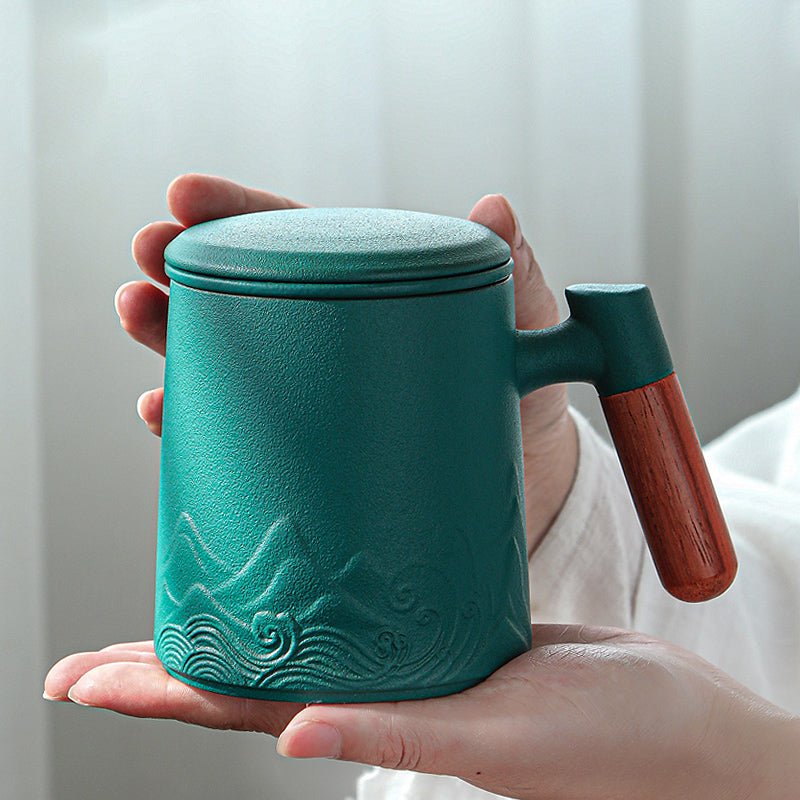
two tone ceramic coffee mugs morning routine product shortlist guide
Use morning timing, finished drink volume, refill tolerance, counter clearance, and care needs to compare three two-tone ceramic styles. Each pick includes a reason to choose it, a reason to skip i...
Read more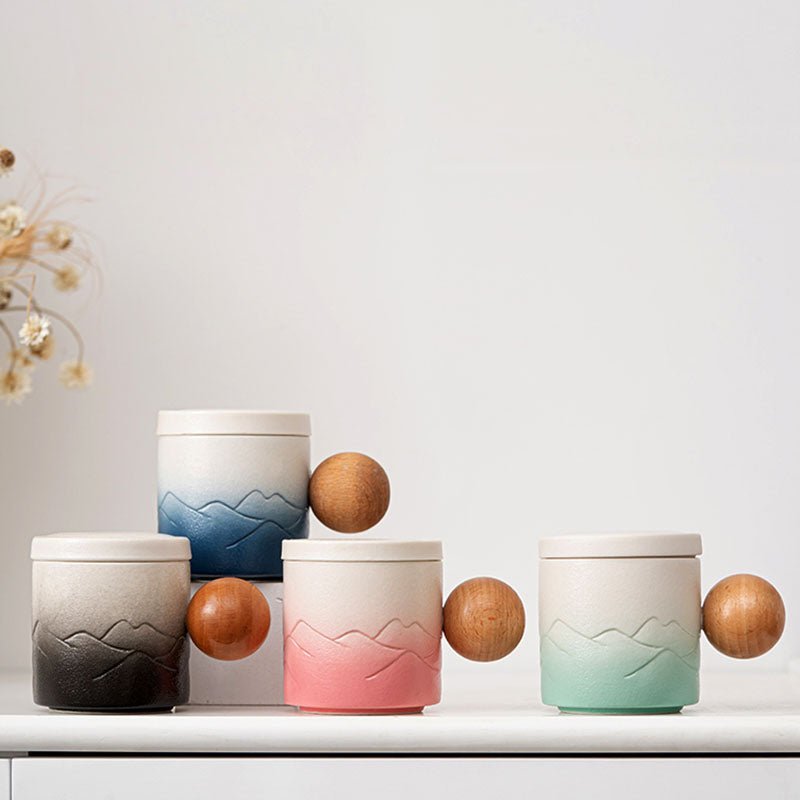
Ceramic Espresso Cup Shared Household Practical Purchase Checklist
Compare CoffeifyMug's 170 ml Retro, 200 ml Pleated, and 250 ml Ball Handle ceramic vessels by serving habit, storage, appliance clearance, and cleanup expectations. Clear product limitations help e...
Read more
Leave a comment
This site is protected by hCaptcha and the hCaptcha Privacy Policy and Terms of Service apply.