
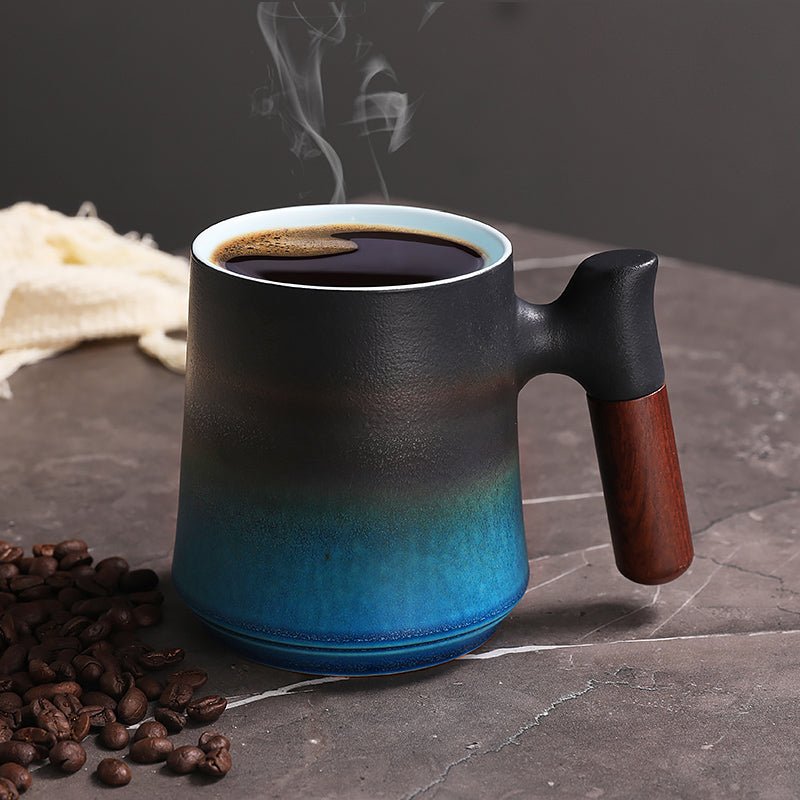
Hot Toddy Mug Compact Kitchen Product Shortlist Guide: 3 Picks
Reading time: about 9 minutes
A mug can clear a cabinet opening and still stop the door from closing because its handle catches a neighboring cup or projects toward the hinge. We see storage fit become the deciding issue when shoppers compare everyday ceramic drinkware for smaller homes. This hot toddy mug compact kitchen product shortlist guide focuses on the verified differences we can stand behind: The Gradient and The Flow each hold 400 ml, while The Rock holds 480 ml. It also explains how to assess handle shape without pretending that capacity tells you the mug's exterior dimensions.
Your hot toddy mug compact kitchen product shortlist guide: start with storage
Before comparing designs, decide where the mug will actually live. A closed cabinet creates different constraints from an open shelf, and a mug left beside the kettle competes with preparation space rather than shelf space. In our experience handling and selling ceramic mugs, the overlooked issue is often the removal path: the mug may fit once placed, yet be awkward to lift without knocking its rim or handle against another item.
- Closed cabinet: check the usable shelf area, the cabinet opening, and the space needed for the door to close around the handle.
- Open shelf: leave a stable position for the base and enough room to grasp the handle without pulling the next mug forward.
- Narrow counter: consider how much working space remains beside the kettle, coffee maker, or chopping board.
- Shared mug row: check handle projection separately from the ceramic body. Turning every second handle can help, but only if the shelf remains easy to use.
The verified specifications used here include capacity, not a complete set of exterior measurements. We will not convert 400 ml or 480 ml into an unsupported claim about diameter, height, or shelf footprint. Use the current product images and listed details in our unique ceramic coffee mug collection to compare the actual profiles before ordering.
Is 400 ml or 480 ml the better capacity for a small kitchen?
The 400 ml capacity shared by The Gradient and The Flow is the logical starting point if a mug you already use at that capacity suits your normal pour. The Rock adds 80 ml, bringing its listed capacity to 480 ml. That extra volume is relevant if your usual drink feels cramped in a 400 ml mug or you routinely want more room for stirring and carrying without filling close to the rim.
Treat listed capacity as a comparison point, not a recommended fill line. A comfortable working fill depends on your recipe, the space you leave below the rim, and whether you stir in the mug. An easy check is to prepare your usual serving in a mug you own, then transfer the same amount of cool water to a measuring jug. That gives you a useful baseline without guessing from product photographs.
Choose 400 ml if that baseline already works and you want two designs to compare. Put 480 ml on the shortlist if 400 ml regularly feels restrictive. If you need a capacity beyond 480 ml, none of these three is the right match; a larger vessel would suit you better.
Three kitchen scenarios and the mug to compare first
| Reader situation | Starting option | Reason to choose | Reason to skip |
|---|---|---|---|
| Your current 400 ml mug suits your serving size | The Gradient | It keeps the same verified 400 ml capacity while giving you a specific body and handle profile to check against your storage space. | Skip it if its pictured handle does not match the clearance or grip you need. |
| You want 400 ml but need another handle profile to compare | The Flow | It is the second 400 ml option, so you can compare shape without changing nominal capacity. | Skip it if neither its handle nor The Gradient's clears your measured space. |
| Your usual serving needs more room than 400 ml provides | The Rock | Its verified 480 ml capacity adds 80 ml over the other two mugs. | Skip it if 400 ml is already sufficient or you have not confirmed its exterior fit. |
The point of a hot toddy mug compact kitchen product shortlist guide is to reduce the decision to a real use case. Capacity determines which row you start with. Handle clearance and storage measurements decide which product survives the final comparison.
Who should shortlist The Gradient at 400 ml?
The Gradient coffee and tea mug is a practical first candidate for someone who already knows that a 400 ml ceramic mug suits their routine. Use the product-page views to inspect where the handle meets the body, how far its outer edge appears to project, and whether the design resembles a mug that already fits your cabinet.
Choose The Gradient if its 400 ml capacity is appropriate and its visible profile passes your storage check. Skip it if you need the extra 80 ml offered by The Rock, require a product explicitly described as stackable, or cannot verify enough clearance around the handle. We do not claim that The Gradient is smaller externally just because it holds less than The Rock.
When does The Flow make the stronger 400 ml candidate?
The Flow coffee and tea mug belongs on the shortlist when 400 ml is right but The Gradient's pictured body or handle is not your preferred match. Keeping capacity constant lets you focus on the variables that often matter more in a crowded cabinet: the handle's outer projection, the finger opening, and the way you would lift the mug past its neighbors.
Choose The Flow if its visible handle profile better resembles a mug you can grip and store comfortably. Skip it if you are switching products only to gain capacity, because it holds the same verified 400 ml as The Gradient. In that scenario, The Rock is the relevant comparison.
Who should make room for The Rock at 480 ml?
The Rock coffee and tea mug is the capacity-led option. Its listed 480 ml volume gives you 80 ml more than either 400 ml mug, so it makes sense for a shopper whose measured serving does not leave enough working room in a 400 ml vessel.
Choose The Rock if the additional capacity solves a genuine serving problem and its current product details work with your cabinet. Skip it if minimizing stored volume matters more than maximizing drink capacity, or if a heavier filled mug is uncomfortable for your grip. Capacity alone still does not prove how much horizontal or vertical storage space it needs, so confirm the exterior fit rather than assuming.
How can you check handle clearance before ordering?
Handle shape has three practical parts: the projection from the mug body, the interior finger opening, and the joins where the handle meets the ceramic. Product photos can show the shape, but they are not a reliable scale unless exterior dimensions are also supplied. We recommend using a mug that already fits as your physical reference.
- Measure the usable shelf and opening separately. Cabinet trim or hinges can make the opening more restrictive than the shelf behind it.
- Record the existing mug's full footprint. Include the outermost point of its handle, not only the width of its body.
- Test the removal path. Lift the reference mug as you normally would and note whether you need to tilt it or move another cup first.
- Check your grip with the mug filled. The handle must work for your fingers and wrist, not merely clear the cabinet while empty.
- Compare current product information. Use side and angled views to study shape, then rely on listed measurements or confirmed details for scale.
If every centimeter of shelf space is committed and none of the available information confirms a fit, choose a mug style explicitly sold with full exterior dimensions. A handleless or verified stackable cup may also be more practical than any of these three, especially where storage density matters more than a traditional mug grip.
Which ceramic care details matter in a crowded cabinet?
Everyday ceramic drinkware is durable enough for regular routines, but impacts at the rim and handle joins remain common ways for a mug to become damaged. At our packing table, those are the areas we pay close attention to. On arrival, inspect the rim, both handle joins, and the base under direct light before the first wash. Set the mug on a flat counter to confirm that it rests steadily, and do not use it if you find a crack, loose handle, or sharp chip at the drinking edge.
- Avoid forcing mugs together unless the product is specifically described as stackable. Contact between rims and handles can create chips or surface wear.
- Remove metal spoons before carrying or storing the mug so they do not strike the rim.
- Avoid sudden temperature changes, such as moving cold ceramic directly into very hot use.
- Confirm current dishwasher and microwave care instructions on the product listing or packaging. This shortlist does not make either compatibility claim.
These are ceramic mugs, not insulated travel vessels, specialized temperature-control drinkware, or recipe kits. They are not the best choice if you need a lid for commuting, verified heat-retention performance, or true stacking. No hot toddy ingredients are included.
Frequently asked questions
Which mug should I compare first if my cabinet shelf is tight?
Our hot toddy mug compact kitchen product shortlist guide starts with serving capacity, then requires a separate handle-clearance check. Compare The Gradient and The Flow first if 400 ml suits your normal drink. Start with The Rock only if you need its 480 ml capacity and can confirm the exterior fit.
Is a 400 ml mug large enough for a hot toddy?
That depends on your recipe and how much headroom you leave for stirring and carrying. The Gradient and The Flow are both listed at 400 ml, while The Rock is listed at 480 ml. Measure your usual serving rather than assuming every hot toddy uses the same volume.
Can capacity tell me whether a mug handle will fit my cabinet?
No. Capacity describes volume, not handle projection, overall width, height, or finger clearance. Compare the current product details with a mug that already fits, and include the cabinet opening and removal path in your check.
Are these mugs confirmed as dishwasher-safe or microwave-safe?
This article does not make either claim. Check the current care instructions shown on the relevant product page or supplied with the mug before using a dishwasher or microwave. If either feature is essential to your routine, verify it before ordering.
Do The Gradient, The Flow, or The Rock include hot toddy ingredients?
No. They are everyday ceramic mugs only and do not include tea, spirits, honey, citrus, spices, or other recipe components. Prepare your preferred drink separately and leave enough room below the rim to stir and carry it comfortably.
Your next step: measure the mug space, check your usual serving volume, and keep only two candidates. Compare The Gradient with The Flow if 400 ml works; compare your preferred 400 ml option with The Rock if the extra 80 ml matters. Then review all three in the CoffeifyMug unique mug collection using your measurements as the final filter.
More from our blog
Read more
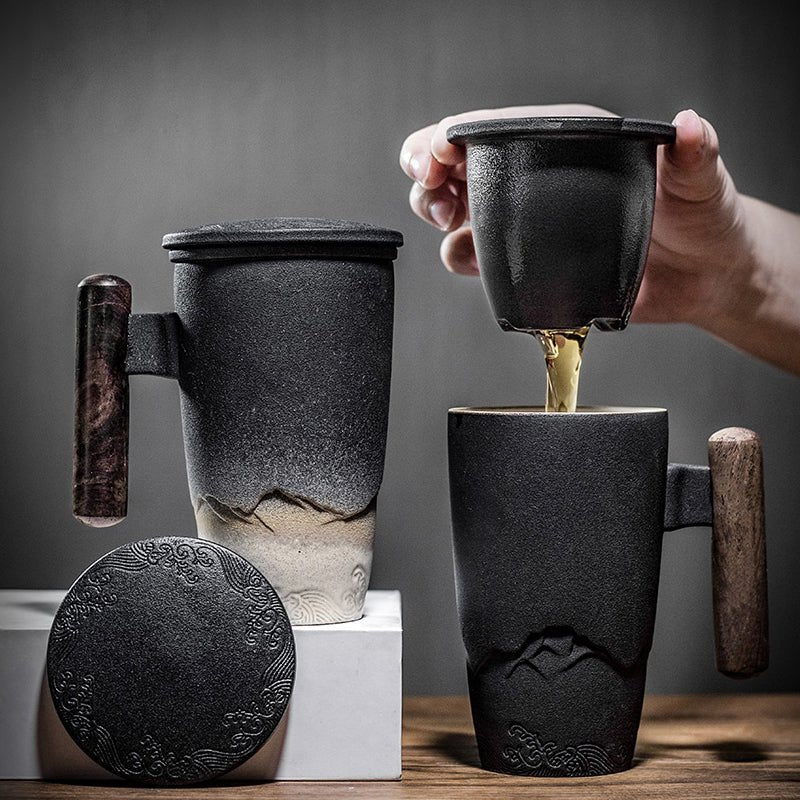
Americano Coffee Cup Shared Household Practical Purchase Checklist
Compare the verified 200 ml, 270 ml, and 350 ml capacities against each person's measured pour, then check headroom, care details, dimensions, and order quantity before choosing a cup.
Read more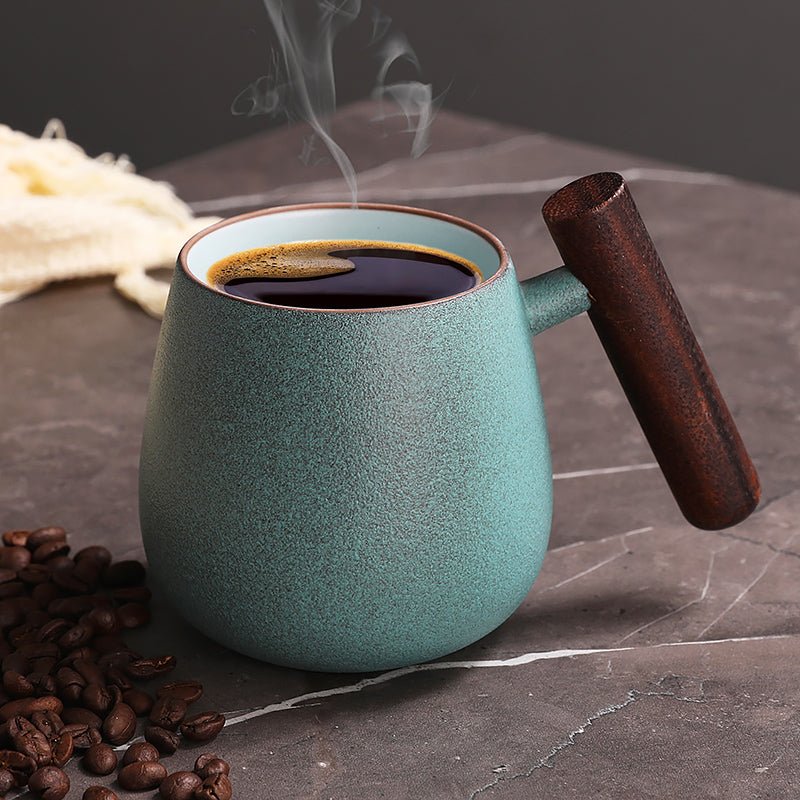
Cacao Cup Home Office Practical Purchase Checklist: 250-400 ml
Compare the Ball Handle 250 ml, Round 390 ml, and Spittoon 400 ml against your actual cacao portion, desk space, meeting routine, opening preference, and care requirements. This checklist separates...
Read more
Leave a comment
This site is protected by hCaptcha and the hCaptcha Privacy Policy and Terms of Service apply.