
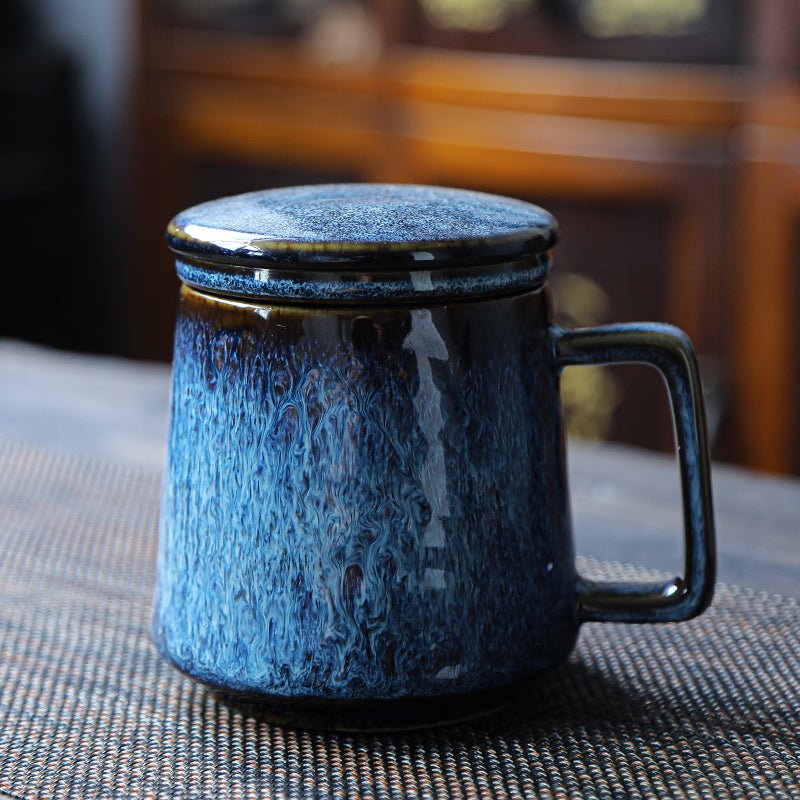
3-pick heavy ceramic coffee mugs morning routine product shortlist guide
Reading time: about 9 minutes
A mug can feel pleasantly substantial while it is empty, then become the heaviest thing in your breakfast routine after coffee and milk go in. This heavy ceramic coffee mugs morning routine product shortlist guide starts at that exact moment: how much you pour, how long you hold the mug, and how willing you are to refill it. In our store, we treat heavy as a handling preference, not a standardized ceramic class.
How should you use this heavy ceramic coffee mugs morning routine product shortlist guide?
Start with The Rock Coffee & Tea Mug as one concrete reference, then open our unique coffee mugs collection to see the broader range. Place the Spittoon Coffee & Tea Mug and The Flow Coffee & Tea Mug beside it. These pages give you three clearly different design directions without creating an unmanageable comparison.
We sell this category, and one rule prevents weak comparisons: record only what the current product page states. If an exact weight, capacity, external dimension, or care method is not shown, treat it as unknown instead of borrowing a specification from a similar-looking mug.
- Morning timing: Count the minutes from the first pour to the last normal sip. A ten-minute kitchen coffee creates a different brief from a drink that stays on an office desk for forty minutes.
- Usual drink volume: Measure the amount you really pour, including milk or creamer. Do not use the capacity of your current mug as a substitute for this measurement.
- Refill tolerance: Decide whether one refill is convenient, mildly annoying, or unrealistic. That answer often matters more than choosing the largest available mug.
This creates a pass-or-fail brief before color and sculptural details influence the decision.
How much coffee do you actually pour before 9 a.m.?
Brim capacity is not the same as comfortable carrying capacity. At our handling table, we leave room below the rim because a completely full mug is harder to move from brewer to table without spilling.
- Put your current empty mug on a kitchen scale and tare the scale.
- Fill it with plain water to your normal coffee line. For this kitchen check, the gram reading is a close practical estimate of milliliters.
- Add your usual milk allowance and note the total while preserving enough headspace to walk with the mug.
- Measure the height below your brewer and the available base space on your coaster, desk, or shelf.
For example, a 240 mL coffee plus 30 mL of milk needs more than 270 mL of nominal space if you want carrying room. That example is a measuring method, not a capacity claim about any linked product. Shoppers focused on a particular nominal size can use our 12 oz ceramic coffee mugs morning shortlist for a tighter volume comparison.
Remember the loaded weight as well. A 300 mL water-based drink contributes roughly 300 grams before the mug's own mass is included. That is why an empty mug that feels reassuring in the hand may feel cumbersome after a full pour.
Which of the three mug pages belongs on your shortlist?
Use the scenarios below as starting points, then verify the current specifications and care details on the linked page. The designs solve different aesthetic and space preferences; their names alone do not establish an exact weight or usable volume.
| Morning situation | Candidate | Reason to choose | Reason to skip |
|---|---|---|---|
| Seated kitchen coffee where visual character matters | The Rock | Its rock-inspired, irregular visual treatment makes the mug feel more like a distinct countertop object than a standard cafe cylinder. | Skip it if you need uniform sides, predictable stacking, or a conventional matching office set. |
| A stationary breakfast or desk setup with room for a broad silhouette | Spittoon | The visibly flared, wide-bottom form suits shoppers who prioritize a planted-looking profile and unusual shape. | Skip it for narrow shelves, crowded desks, or vehicle cup holders unless the listed dimensions confirm a fit. |
| A design-led routine that calls for a flowing sculptural form | The Flow | Its flowing design language offers a different visual direction from the rock-inspired and spittoon-inspired options. | Skip it if easy stacking, straight sides, or simple replacement matching matters more than distinctive styling. |
The Rock: for a seated, design-conscious first cup
Choose The Rock if your mug stays on a kitchen table and you want the vessel itself to have an irregular, object-like presence. Before adding The Rock to the cart, compare every currently listed measurement and capacity with your pour worksheet. It is not the practical choice for someone who wants a standardized cafe profile or assumes sculptural mugs will stack.
Spittoon: for a broad footprint with enough surface space
Choose Spittoon for a stationary setup where its wide, flared shape will not compete with a keyboard, saucer, or small side table. Skip it if compact storage is the main requirement. If base shape is your deciding variable, our ceramic wide-bottom coffee mug shortlist explains how to compare footprint without assuming that width alone prevents spills.
The Flow: for expressive form without a generic profile
Choose The Flow if you want a mug that contributes visible movement and character to a quiet morning setup. Check The Flow product page for current options, dimensions, and care information before deciding. Skip it if your cabinet works best with plain, straight-sided mugs or if visual design ranks below easy replacement.
What does a heavier ceramic mug change at the counter and desk?
Heavy and thick are not synonyms. Overall mass can come from the body, base, handle, dimensions, or simply a larger beverage capacity. Our thick ceramic coffee mugs morning routine guide is the better next read if wall construction, rather than total handling weight, is your concern.
- Loaded handling: Judge the mug with your normal drink volume in mind. An extra 100 mL adds about 100 grams of liquid for your hand and wrist to manage.
- Balance: A broad base can look planted, but actual stability also depends on the center of mass, contact with the surface, and where the handle places your grip.
- Heat behavior: Weight alone does not prove that one mug keeps coffee hot longer. Wall thickness, opening area, starting temperature, drink volume, and room conditions all contribute.
- Washing: Wet ceramic offers less secure grip. A substantial or sculptural mug needs enough sink and rack clearance to be turned without striking a faucet, plate, or neighboring cup.
If a mug is cold, a brief warm-water preheat can reduce the initial temperature drop from the drink. Follow the product's care directions and avoid abrupt temperature changes that the listing does not approve.
How do morning timing and location change the best pick?
- Five to ten minutes at the kitchen counter: A refill may be acceptable, so prioritize a comfortable pour and the design you enjoy seeing. The Rock and The Flow are sensible pages to compare for this design-led scenario.
- Thirty to forty-five minutes at a desk: Measure coaster space, keyboard clearance, and loaded weight. Spittoon belongs on the shortlist only if its current dimensions fit the available surface.
- Walking between rooms: Handle clearance and filled balance move ahead of visual footprint. Simulate the load by carrying your existing mug with the same volume of water.
- Commuting in a bag or vehicle: An open ceramic coffee-and-tea mug should not be treated as leakproof unless its page explicitly describes an appropriate lid and seal. A purpose-built travel mug is the better style if spill containment is essential.
Refill tolerance ties these scenarios together. A smaller comfortable pour with one convenient refill can be more practical than carrying the maximum volume at once, but that approach fails if meetings or school drop-off make a second trip impossible.
Which checks prevent regret after the first week?
Ceramic needs a quick inspection at unboxing and sensible handling during daily washing. These checks apply to the category generally; the care statement on each product page remains the authority for that specific mug.
- Inspect the drinking rim: Look and feel for a chip, sharp glaze edge, or hairline crack before first use. Do not use a cracked mug for a hot drink; contact the store instead.
- Check both handle joins: Examine the upper and lower attachment points under bright light. These areas receive leverage whenever a filled mug is lifted.
- Look at the foot ring: Many ceramic mugs have an exposed foot. Clear away grit and use a coaster on a delicate desk so the base does not mark the surface.
- Confirm appliance care: Ceramic material by itself does not establish dishwasher or microwave compatibility. Follow the exact language on the current listing, especially where decorative finishes are involved.
- Avoid collisions during washing: If dishwasher use is approved, position the mug so its handle and body cannot knock against another item. For hand washing, use a non-abrasive sponge and enough sink space to maintain a secure grip.
For a gift, complete this inspection before discarding the packaging. A dramatic shape can make a good unboxing moment, but it is not a substitute for the recipient's preferred volume, storage space, or care routine.
What should you write down before ordering?
- Your normal coffee volume in milliliters, plus milk or creamer.
- The minutes between your first and last sip.
- Whether one refill is genuinely convenient.
- The approximate filled load, including about one gram per milliliter of beverage.
- Your maximum brewer height, shelf height, base width, and handle clearance.
- Your required dishwasher or microwave care status, verified on the live page.
The purpose of the heavy ceramic coffee mugs morning routine product shortlist guide is to leave you with one or two defensible candidates, not a dozen open tabs. Take those six notes to the unique coffee mugs collection, remove any option that misses a hard limit, and compare style only after the practical fit is settled.
Frequently asked questions
How do I shortlist a heavy ceramic coffee mug for a weekday morning?
Use the heavy ceramic coffee mugs morning routine product shortlist guide to record three things first: your actual pour, your drinking time, and your refill tolerance. Then confirm current capacity, dimensions, and care details on each product page instead of estimating from photographs.
Does a heavier ceramic mug automatically keep coffee hot longer?
No. Total weight does not reveal the wall thickness, opening area, or thermal behavior by itself. Drink volume, preheating, room temperature, and the mug's geometry also affect how quickly the coffee cools.
How much extra capacity should I allow for milk?
Measure the coffee and milk you normally use, then leave additional room below the rim for carrying. A 240 mL coffee with 30 mL of milk already totals 270 mL, so a mug whose stated capacity is measured at the brim may not provide comfortable headspace.
Can The Rock, Spittoon, or The Flow go in a dishwasher or microwave?
Use the care statement on each current product page; ceramic alone does not answer that question. If a cleaning or heating method is not explicitly permitted, do not assume it is suitable, and contact our store for clarification before using it that way.
What is the last check before placing the order?
Compare your measured pour, available space, refill decision, and required care method against the live listing one more time. Open the CoffeifyMug unique mug collection and keep a candidate only if it passes every practical limit before style enters the decision.
Read more
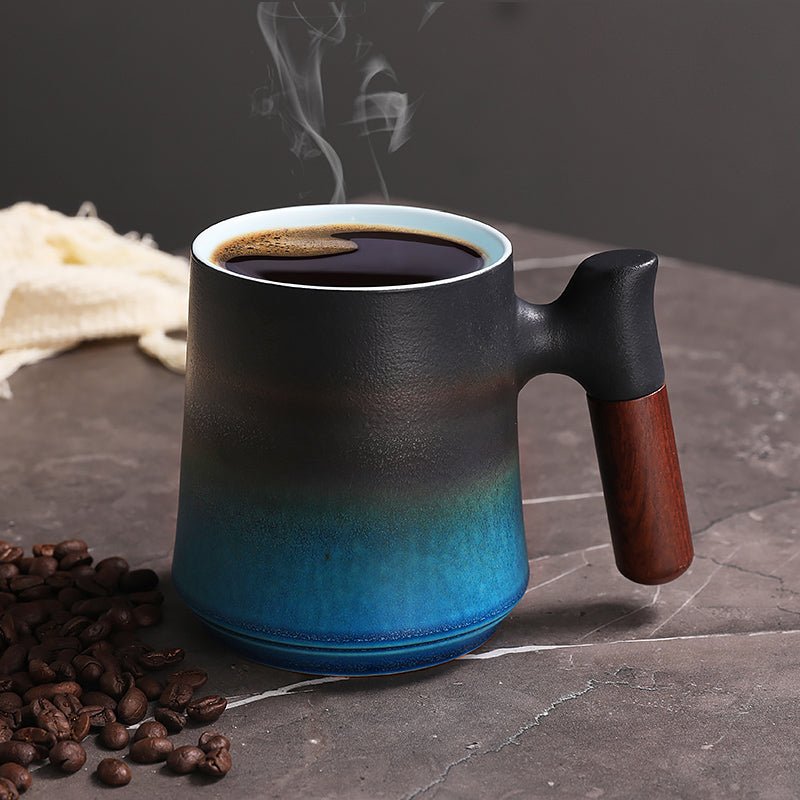
A practical abstract coffee mug morning routine product shortlist guide
Compare the 250 ml Rhombus with the 400 ml Gradient and The Flow using actual pour size, morning timing, and refill tolerance. Includes clear skip reasons, care checks, and a fast checkout checklist.
Read more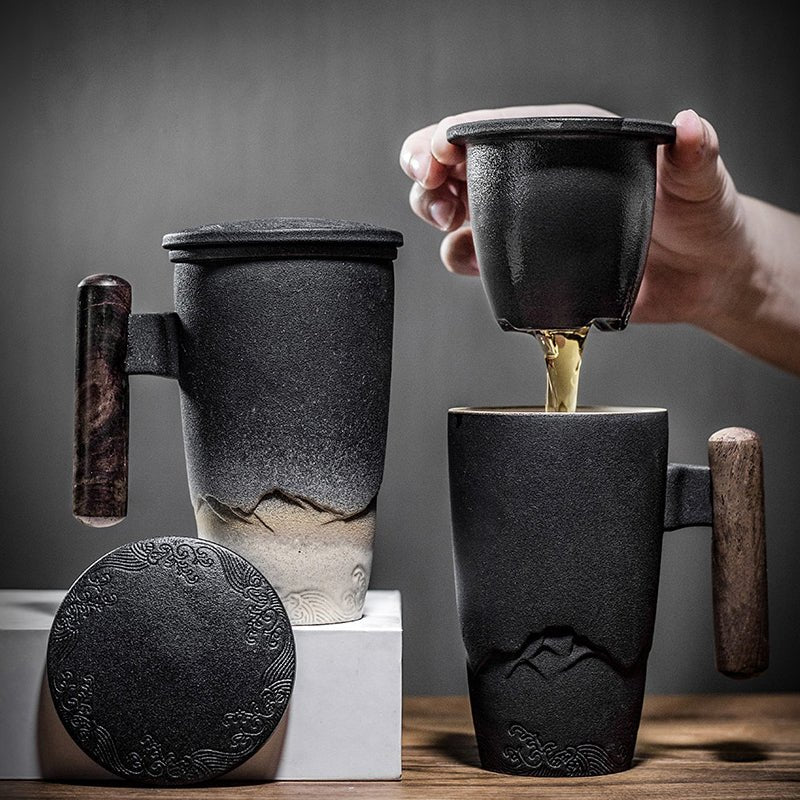
Breakfast Coffee Cup Home Office Practical Purchase Checklist
Compare CoffeifyMug's Retro 170 ml, Pleated 200 ml, and Landscape Tall 350 ml options by desk space, breakfast and meeting routines, refill preference, and the facts to verify before ordering.
Read more
Leave a comment
This site is protected by hCaptcha and the hCaptcha Privacy Policy and Terms of Service apply.