
Elk Mug Gift: What Buyers Should Compare Before Ordering
Reading time: about 8 minutes
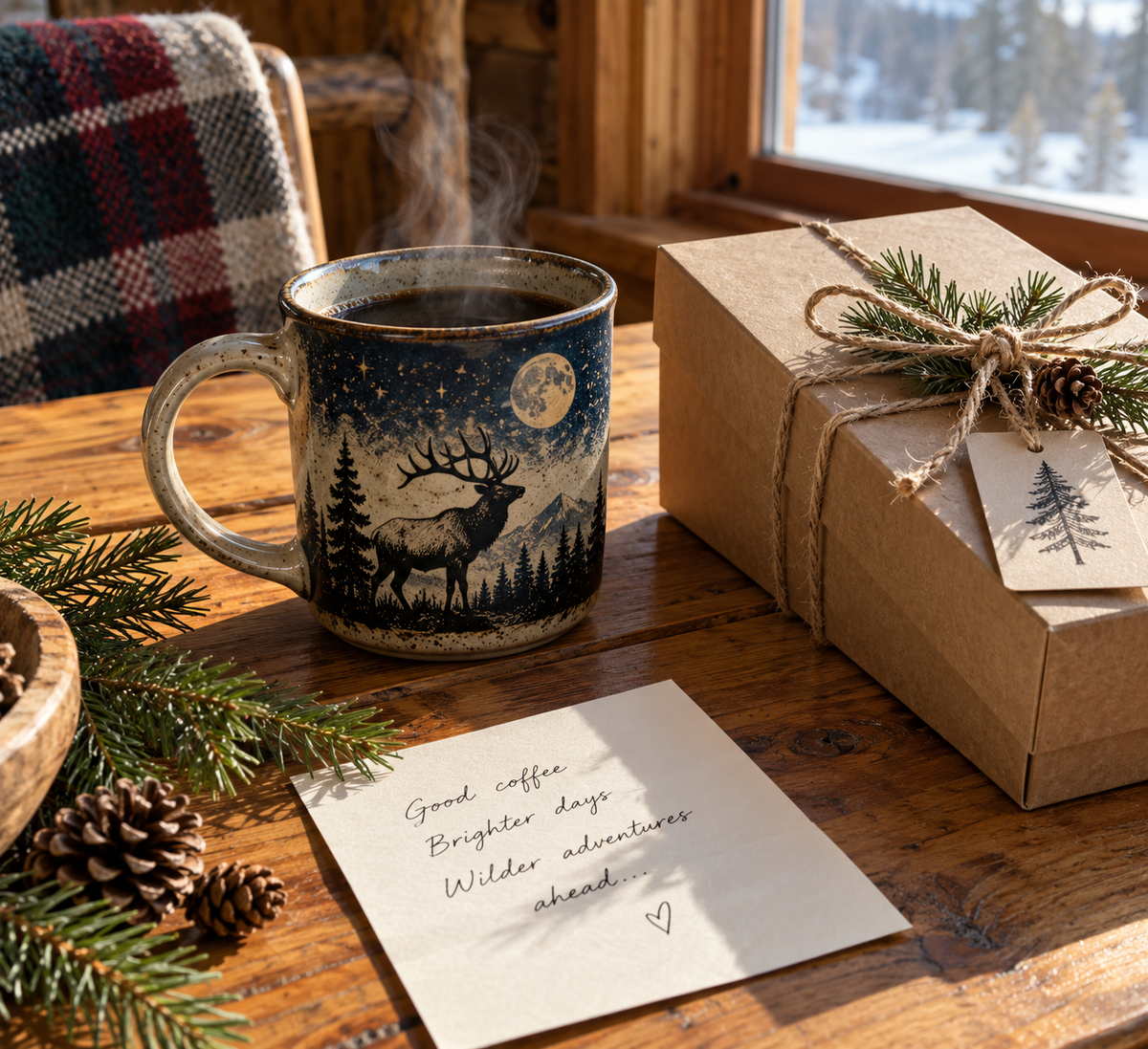
Most mornings, somebody messages us mid-checkout with the same hesitation: “The Elk and Moon mug — is that an elk, or is that a moose?” It’s the most common question we get on wildlife designs, and it’s a fair one. Hand a moose-artwork mug to someone who has spent twenty falls calling elk in the Rockies, and you will hear about it every morning that mug sits on their counter. Before you order an elk mug gift, these are the five comparisons we walk customers through at the counter: the animal in the artwork, the occasion, the capacity, the style, and the care the print can survive.
Is it an elk or a moose? Read the antlers before you order
The confusion is easy because the naming tangles on both sides of the Atlantic. Two field marks settle it faster than any caption:
- Antler shape. Elk grow antlers off a single main beam that sweeps back and curves upward, with points branching off that beam. Moose antlers are broad, flat paddles — palmate, in biology terms — with finger-like tines along the outer edge.
- Nose and chin. A moose has a long, drooping nose and a flap of skin under the chin called a bell. An elk’s face is shorter and more deer-like.
The naming twist trips up well-meaning gift buyers: in Europe, the animal called “elk” — älg in Sweden, Elch in Germany — is the animal North Americans call a moose. That’s why Scandinavian-style mugs labeled “elk” so often show a paddle-antlered silhouette. Neither choice is wrong, but the recipient should get the one they expect. A Rocky Mountain elk hunter wants branching beams; a fan of Scandinavian cabin décor may genuinely prefer the moose shape. The Elk and Moon Nature Coffee Mug is the design we hand a Rocky Mountain fan first — though it’s still worth opening the listing to study how the antlers are actually drawn before you commit.
Which occasions suit an elk mug gift — and which it misses
Wildlife mugs sell in predictable waves, and from what actually gets bought and kept, this style lands well for:
- Christmas and cabin season. Rustic wildlife art fits December décor, and a mug gets used daily through the holidays instead of parked in a drawer.
- Father’s Day for outdoorsy dads. Hunters and anglers tend to own plenty of gear and almost no tableware that says so.
- Retirements. For the coffee routine about to slow down, a mug lands better than another engraved plaque.
- Desk gifts for coworkers. A wildlife design works when you know someone’s taste but have never seen their mug shelf.
- Stand-in souvenirs. Estes Park and Rocky Mountain visitors who missed the gift shop often order online after the drive home.
Where it misses: minimalist kitchens where a busy illustration fights everything on the counter, tea drinkers who want a small delicate cup, and anyone who has told you they run one plain white mug until it dies. For those recipients, match the mug to the kitchen instead of the animal — our guide to gift mugs for décor-minded coffee lovers covers the quieter options. If the elk is right but the design isn’t, compare the wildlife artwork in our unique coffee mugs collection side by side before deciding.
11 oz or 15 oz: match the capacity to the drinker, not the drawing
Printed ceramic mugs cluster around two standard sizes, and the difference matters more than shoppers expect. An 11 oz mug suits tea drinkers and anyone who brews single cups and refills often — it’s also lighter, which matters for smaller hands. A 15 oz mug is the daily-driver size for big-coffee people: one generous pour with room for cream, and enough volume to get from kitchen counter to office desk without a refill stop.
One honest caveat from our side of the counter: oversized novelty mugs photograph brilliantly, get used for about a week, then retire to the pen holder. If the goal is a mug that earns its shelf spot for years, standard sizes win. And since capacity is the detail listings most often leave vague, confirm the exact ounce size on the current product page — including ours — instead of assuming.
Ceramic, enamel, or sculpted antler handle: choose by the recipient’s sink
Three mug families dominate this category, and each fails differently. This is the comparison we give at the register:
| Style | Best for | Trade-offs | Care reality |
|---|---|---|---|
| Printed ceramic (11–15 oz) | Daily coffee and tea at home or the office | Prints dull under abrasive scrubbing, and artwork that sits where fingers grip wears first | Verify dishwasher and microwave status on the listing; when unstated, hand-wash |
| Enamel camp mug | Campfires, cabins, porch coffee | Rims chip when dropped; metal body means no microwave, ever | Hand-wash; treat the first chip as a badge, not a defect |
| Sculpted antler-handle or 3D elk-head mug | Gag gifts, display shelves, themed kitchens | Won’t stack, rarely fits mug trees, awkward to wash around | Hand-wash only; an occasional-use piece, not a daily driver |
The sculpted styles deserve a specific warning because they’re the impulse buy. They look fantastic in gift photos and genuinely delight on unboxing — but they don’t stack, they rarely fit mug trees, and washing around a molded antler gets old by the second week. If your recipient is a “same mug every morning” person, a printed ceramic design is the safer elk mug gift; save sculpted pieces for collectors and display shelves. Our breakdown of what makes a ceramic mug survive as a gift goes deeper on glaze and print questions.
Personalized elk mugs: what to settle before you pay extra
Names, dates, a short inside joke — personalization turns a wildlife mug into a keepsake. Settle two things first. Confirm the seller actually offers it rather than assuming every wildlife mug can be customized, and ask how the lettering is applied, because printed text wears on the same schedule as the main artwork. Custom work can also add production time, which matters when the gift date is fixed; a quick email to the store settles both faster than studying listing photos.
Six checks to run on the listing before you hit order
Product pages answer most gift questions if you know where to look — and flag the ones they don’t:
- Exact capacity. Confirm the stated ounce size instead of assuming 11 or 15.
- Material, spelled out. A “ceramic look” is not the same as ceramic.
- Dishwasher and microwave status. If the listing is silent, treat the mug as hand-wash-only until the seller confirms — don’t infer it from photos.
- How the artwork is applied. Printed, etched, and raised-relief designs wear on very different schedules; the listing should say which.
- Gift packaging. “Arrives gift boxed” is a real purchase criterion; if it isn’t stated, plan to wrap it yourself with padding, because ceramics take rough handling in transit.
- Handle and weight. Read the dimensions, not just the photos, and think about the hands that will hold it every morning.
Run the list against the Elk and Moon listing first, then against any alternative you’re considering. Our companion article, six buying checks applied to this exact mug, adds notes on what the listing photos should show.
Care habits that decide whether the print lasts past year one
Most wildlife mugs don’t die of old age; they die in the sink. The habits that actually extend a printed mug’s life:
- Soft sponge, never a scouring pad. Abrasive pads are the main way prints go dull and patchy within the first year.
- Metallic-looking accents stay out of the microwave. Gold and silver inks don’t belong in one — a category-wide rule, so study the artwork closely.
- No thermal shock. Boiling water poured into a mug that just came in from a cold car is how hairline crazing starts in glaze.
- Store rim-down or on a hook. Rim-up storage collects dust on the drinking surface, and scrubbing it out starts the fade cycle.
- Mind the mug tree. Wire arms rub straight across printed artwork; padded or wooden hooks treat a print far better.
In our experience, the disappointed-gift calls are rarely about a mug that failed — they’re about a care instruction nobody read before the first dishwasher cycle.
Frequently asked questions
Is the animal on an elk mug actually a moose?
Often, yes — especially on Scandinavian-style designs, because the European word “elk” refers to the animal North Americans call a moose. Check the antlers in the listing photos: broad flat paddles mean moose, while branching beams that sweep back and up mean elk. Give the recipient the animal they would call correct.
What size elk mug should I buy as a gift?
An 11 oz mug suits tea drinkers and people who refill often; a 15 oz mug is better for serious coffee drinkers who want one generous pour. When in doubt, 15 oz is the safer default for coffee-first people — but confirm the exact size on the current listing rather than assuming, since listings vary.
Is an elk mug gift dishwasher and microwave safe?
It depends entirely on the specific mug, so verify on the product page instead of inferring it from the category. Printed ceramics do best when the listing explicitly states dishwasher safety, and any mug with metallic-looking ink should stay out of the microwave regardless.
Does the Elk and Moon mug arrive gift boxed?
Check the current listing for packaging details — we won’t claim gift boxing we can’t confirm on the page. If packaging isn’t stated, plan to wrap it yourself with padding, because ceramics take rough handling in transit and a dented box undercuts an otherwise great gift.
Who is an elk mug a good gift for?
Hunters, anglers, outdoorsy dads, national park regulars, cabin owners, and coworkers who like rustic or wildlife décor. It’s a weaker pick for minimalist kitchens and people loyal to one plain white mug — in those cases, match the mug to the kitchen instead of the animal.
Ready to order? Re-run the six checks above on our elk and moon mug, then compare it against the rest of our unique mugs lineup before you commit. Ten minutes of comparing beats a gift that lives in the back of the cabinet.
Read more
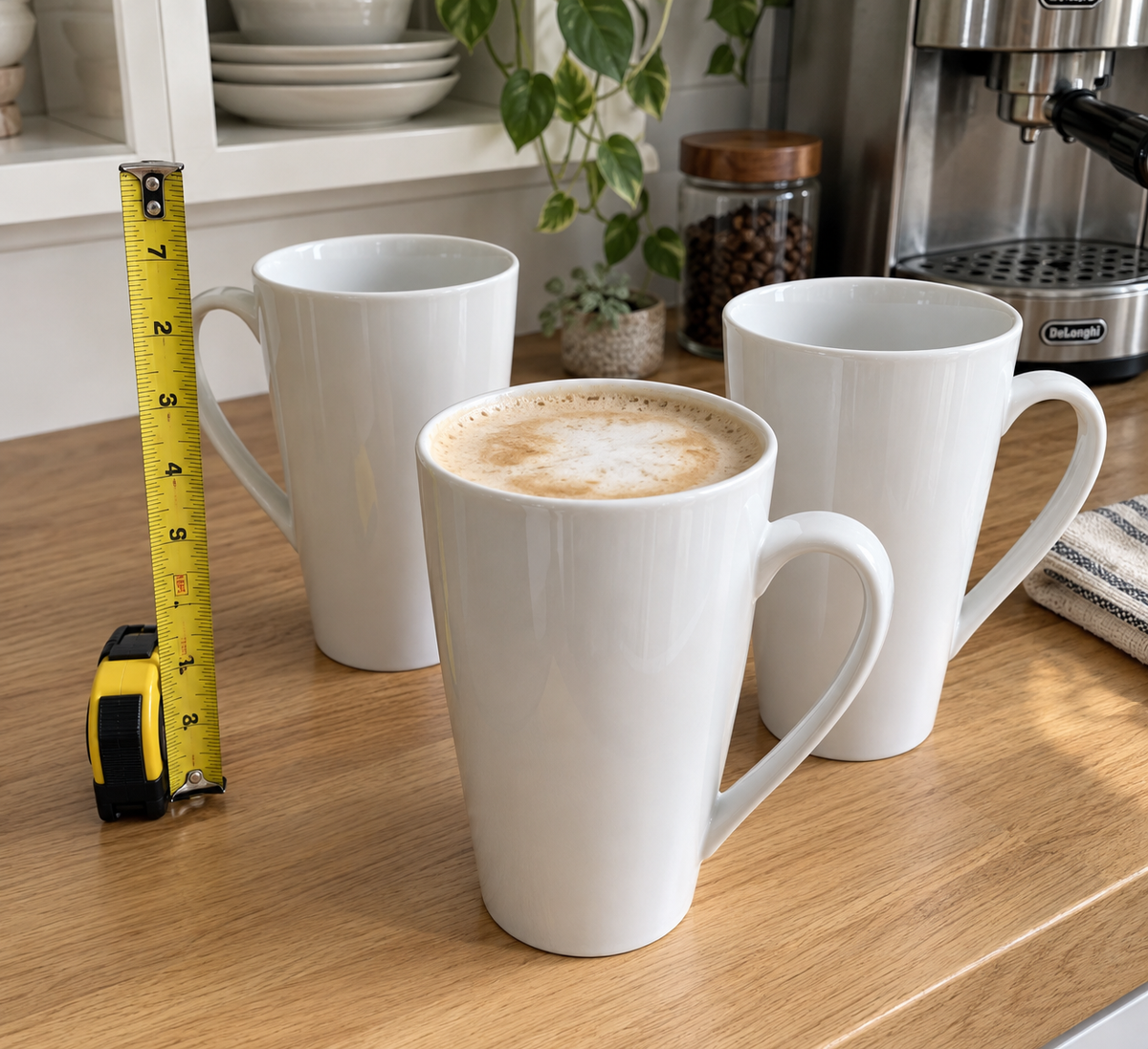
Tall White Ceramic Coffee Mugs: What to Compare Before You Buy
Tall white ceramic coffee mugs look interchangeable online, but shelf clearance, real capacity, glaze care, and handle fit decide whether one earns a place in your kitchen. Here is the exact six-po...
Read more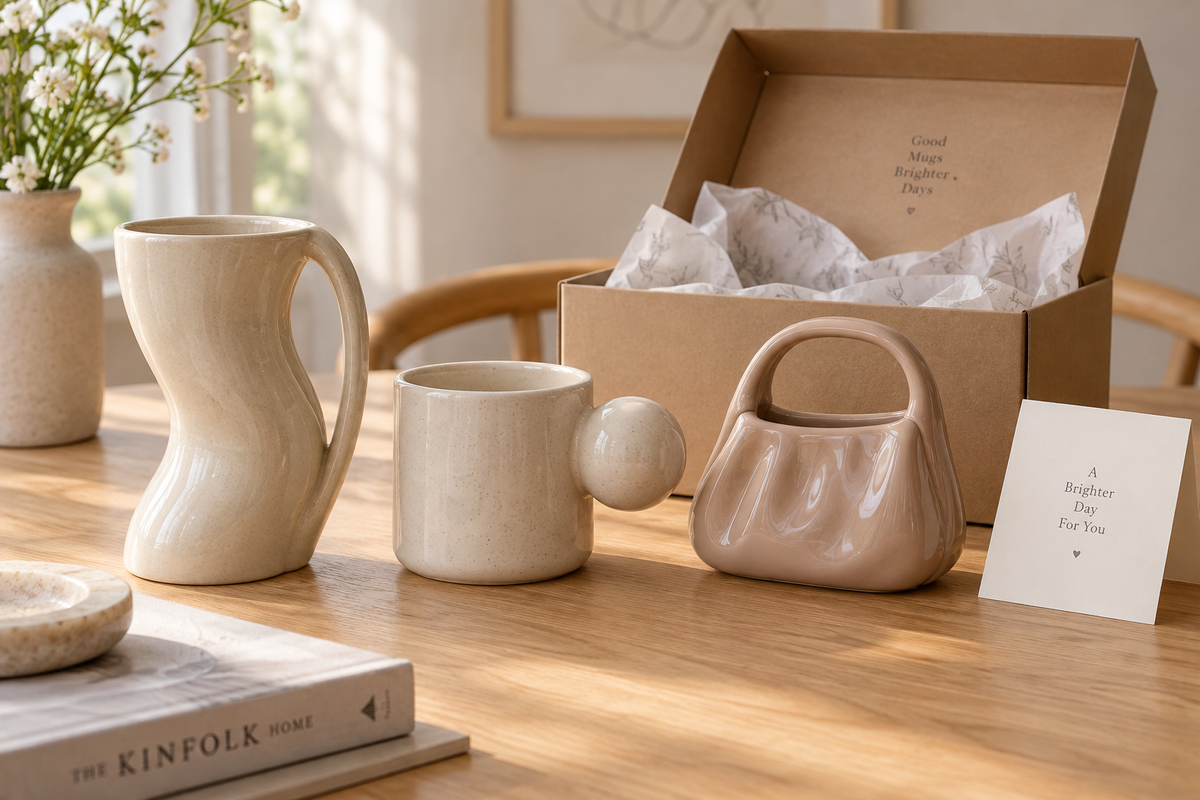
Sculptural Ceramic Mug Gift: 7 Things to Compare Before You Buy
A sculptural ceramic mug gift has to work as drinkware first. We compare three forms — a 400 ml curved mug, a 250 ml ball-handle mug, and a 310 ml handbag silhouette — on capacity, grip, care limit...
Read more
Leave a comment
This site is protected by hCaptcha and the hCaptcha Privacy Policy and Terms of Service apply.