



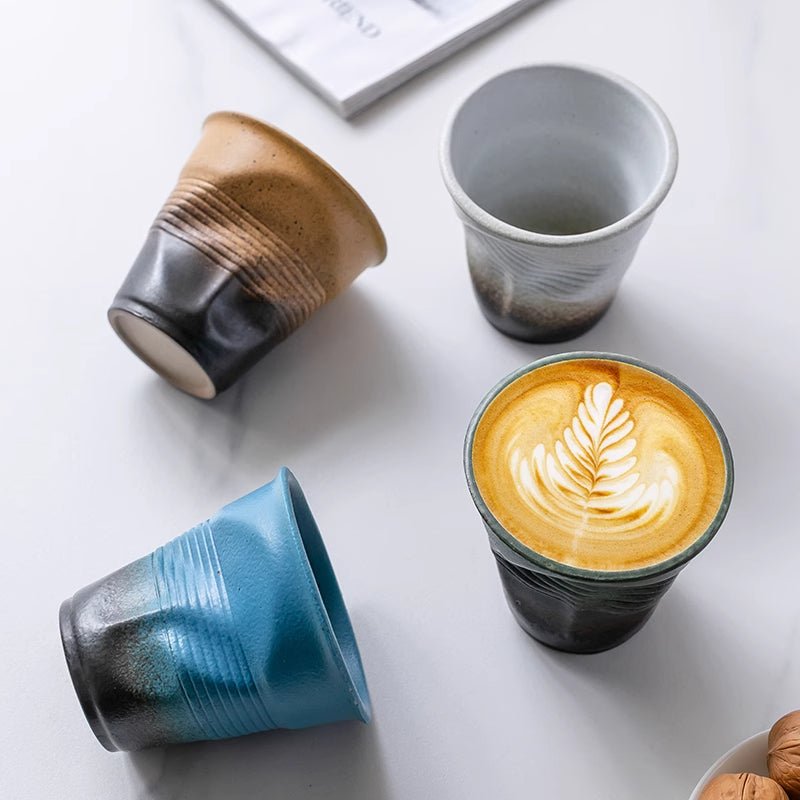
Coffee Mug Gifts Ideas Replacement Purchase Product Shortlist Guide
Reading time: about 9 minutes
Pull four mugs from a kitchen cabinet and one is already retired in place: a chipped rim, a souvenir nobody reaches for, a print that faded after a dozen dishwasher cycles. This coffee mug gifts ideas replacement purchase product shortlist guide starts with that failing mug, because the only replacement worth gifting is one that does a job the old mug stopped doing.
We sell ceramic mugs, so treat that as a bias. We also handle the returns, and returns are more honest than reviews: the size that looked generous on screen, the handle that pinched a thumb, the mug that had to be hand-washed and therefore stopped being used by week two. In our experience, the mug that comes back is rarely the ugliest one; it is the one that made a promise the recipient's routine could not keep.
What is the mug being replaced actually failing at?
Name the failure before you compare anything. It usually falls into four buckets, and knowing which one matters cuts the shortlist in half.
- Capacity mismatch. A small cup cannot hold a 12 oz brew plus milk, and an oversized mug leaves half a drink going cold.
- Handle geometry. Too narrow for a full grip, too tight for a thumb-and-two-fingers hold, or set high enough that the mug feels tippy when full. For left-handed drinkers, handle position also decides whether the design faces them or the room.
- Finish. Faded print, metallic trim that dulled, or a glaze that has stopped looking like anything worth leaving on the counter.
- Care burden. A mug that must be hand-washed gets used less. That is not a quality problem, it is a habit problem — and habits win.
There is a fifth case worth flagging: the recipient who already owns plenty of mugs. For them, another mug is the wrong gift unless it does a job the others cannot — a smaller cup for tea, a larger one for the long morning pour, a finish that reads differently on an open shelf.
Which capacity makes this coffee mug gifts ideas replacement purchase product shortlist guide work?
Listed capacity is the only number you can compare honestly across mugs, and it is the number most gift shoppers skip. Here is how our three ceramic mugs line up on the spec we can actually vouch for.
| Mug | Listed capacity | Approx. fl oz | Choose it for | Skip it if |
|---|---|---|---|---|
| Pleated Coffee & Tea Cup | 200 ml | ~6.8 | Tea, espresso-length coffee, small milk drinks, a short afternoon cup | The recipient's normal pour is a large drip or a full latte |
| The Flow Coffee & Tea Mug | 400 ml | ~13.5 | One big morning coffee, or coffee with real room for milk | They drink two large cups back to back and want one vessel for both |
| Morning and Night Coffee & Tea Mug | 440 ml | ~14.9 | Desk days, long fills, a mug that stays put between refills | Cabinet space is tight, or they never finish a large cup |
Two practical notes on those numbers. Usable fill is smaller than listed capacity — leave a centimetre below the rim and you give up a noticeable pour before milk is even in play. And the 400 ml and 440 ml mugs sit close together, 40 ml or roughly 1.3 fl oz apart, so if you are choosing between them, decide on the visible finish and the cabinet shelf rather than the spec sheet.
Small cup, big morning pour, or all-day desk mug: which scenario fits?
Capacity alone does not settle it. Match the pick to how the drink actually gets made.
Small, strong cups through the day
Choose the Pleated 200 ml cup. It suits tea drinkers, espresso-length coffee, and anyone who makes a small cup at 3 p.m. rather than brewing a full pot. The visible ceramic finish does more work here than on a bigger mug, because a small cup sits on a desk and gets looked at. Skip it if the recipient's baseline is a 12 oz drip with milk — they will be refilling constantly and the mug will feel like a demitasse.
One large coffee, then done
Choose The Flow 400 ml. Four hundred millilitres covers a generous drip plus room for milk without tipping into never-finishes-it territory. Skip it if they genuinely drink two big cups in a row; that is a 440 ml job, or two mugs.
Long desk sessions and split routines
Choose Morning and Night 440 ml. The listed capacity is the largest in the group, and the name points to a two-drink day. Skip it if the cabinet is shallow or the recipient is a light sipper who leaves an inch in the bottom.
If none of the three maps cleanly, start from the unique coffee mugs collection rather than a single product page.
Which popular mug gifts should you skip for a replacement purchase?
Some of the most-recommended mug gifts are the ones most likely to become clutter. In a replacement context, we would pass on these:
- Metallic rims and lustre finishes. In our experience, gold or platinum trim is often the first thing to show wear, and it complicates microwave use. Lovely in photos, fussy in a real kitchen.
- Joke prints tied to one moment. Funny for a week, then it is a mug nobody outside the joke will use. If the joke is genuinely theirs, fine — otherwise pick a finish that survives the joke wearing off.
- Insulated travel mugs for home drinkers. Lid gaskets, sliding closures, and body shapes that do not always fit a car cup holder. Worth it only if the recipient actually leaves the house with coffee.
- Sets, unless it is a couple's gift. A four-mug set doubles the storage problem you were trying to solve.
- Antique, thrifted, or decorative-only ceramics. Good display pieces, questionable daily drinkware — see below.
Which glaze and lead questions matter when the gift mug is handmade or vintage?
This is the part gift roundups leave out, and it is the part that separates a decoration from drinkware.
The FDA sets an action level of 0.5 µg/ml of leaching solution for lead in ceramicware cups and mugs, and its guidance on lead-glazed traditional pottery notes that lead can be present in glazes or decorations and can leach into drinks if a piece was not manufactured or fired properly. Washing or boiling does not remove lead. Crudely handmade, antique, damaged, uncertain-origin and brightly orange, red or yellow decorated pieces are flagged as higher concern, while commercially made everyday pottery is described as much less likely to have lead problems.
Two further limits are worth knowing. FDA guidance says ceramicware with extractable lead should not be labelled "Lead Free," so that phrase on a marketplace listing is not the guarantee shoppers assume. And under 21 CFR 109.16, ornamental ceramicware that looks suitable for food use is treated as foodware unless it carries a conspicuous "Not for Food Use" warning or has a hole bored through the food-contact surface.
Practically: for daily use, buy commercially made ceramic with a clear food-use statement, and be skeptical of deeply discounted handmade pieces with bright glazes from sellers who cannot tell you how the piece was fired. We keep our own comparisons to listed capacity and visible ceramic finish, and we would rather answer a food-contact or care question before you buy than process the return after.
Treat the whole exercise as a filter. A replacement shortlist that ignores glaze and care is just a design roundup with better photography.
What care details decide whether the mug survives the first month?
Four questions, in order:
- Is the care statement specific or silent? "Dishwasher safe" and "hand wash recommended" tell you different things about the print and the glaze. If a listing says nothing, assume hand wash.
- Does the microwave claim carry a caveat? Metallic decoration is the first detail to check before microwaving. A mug can be dishwasher safe and still be the wrong one to microwave.
- Is the design under the glaze or applied on top? Sublimation prints and applied decals age differently under hot water and detergent, so ask which method was used if the listing does not say.
- What happens if it arrives chipped? Ceramic ships badly. Check the returns window before you wrap it, not after.
Pair those answers with the recipient's habits rather than your own. If they run the dishwasher nightly, a hand-wash-only mug is a gift with a chore attached. If they reheat a cold cup three times a day, metallic trim is the wrong call no matter how good it looks on a shelf.
Frequently asked questions
Does anyone actually want a coffee mug as a gift?
Yes, but almost never a generic one. The pattern repeats in buyer discussions: a mug is welcome when it replaces something worn out, fits a specific drink routine, or arrives with coffee or treats inside. It reads as clutter when the recipient already has a full cabinet and the mug adds no new job.
Is a 200 ml mug too small to give as a gift?
Only if the recipient drinks large coffees. At roughly 6.8 fl oz, a 200 ml mug is a tea or small-coffee cup — right for a short afternoon drink, wrong for a 12 oz drip with milk. Match it to the drink, not to the shelf.
What is the real difference between the 400 ml and 440 ml mugs?
Forty millilitres, about 1.3 fl oz, plus a different visible finish. If the recipient finishes a large cup in one sitting, the 440 ml is the safer gift; if they like room for milk without a bigger mug, the 400 ml is the better fit. Confirm the care statement on each listing before wrapping it.
Are brightly glazed or handmade mugs safe for daily coffee?
Not automatically. The FDA flags crudely handmade, damaged, antique, uncertain-origin and brightly orange, red or yellow decorated pottery as higher concern for lead leaching, and notes that washing or boiling will not remove lead. Commercially made everyday pottery is much less likely to have a problem, so buy from a seller who states the food-use and care details.
How should I use a coffee mug gifts ideas replacement purchase product shortlist guide if the old mug is still usable?
Treat the old mug as the benchmark, not the enemy. If it still works, buy only a mug that solves a different job — a smaller tea cup, a larger desk mug, or a finish the recipient will actually leave out. Otherwise the shortlist is telling you to stop, not to add another mug to the shelf.
Before you add anything to a cart, run the shortlist against five lines: listed capacity in millilitres, handle fit for the recipient's grip, a finish that survives their washing routine, a stated food-use position, and a returns window. A mug that clears all five and replaces something specific is a gift. One that clears three is clutter with a bow.
Start with the three capacities above — 200 ml, 400 ml, 440 ml — or browse the unique coffee mugs collection to compare visible ceramic finishes side by side. If you are still unsure, tell us the person's usual drink and how they wash dishes; that is more useful to us than a budget.
More from our blog
Ready to pick your mug? Two ways to save on today's order:
Ordering 1–3 mugs? Get an extra 10% off your 1st order with code 10_OFF Apply 10% Off & Shop Wooden-Handle Mugs →
Gifting 4+ mugs? Buy 3, Get the 4th Free applies automatically at checkout (no code needed; offers do not stack) · Free standard shipping (Nov pre-Christmas delivery: 15–20 calendar days US) · Free replacement if chipped in transit.
Popular mug buying guides: Ceramic Tea Cups & Infuser Mugs · Ceramic Mugs with Lids Compared · Wooden-Handle Tea Infuser Mugs Compared · Christmas & Secret Santa Mugs 2026 · Espresso & Cortado Cups Guide · Cup & Saucer Gift Sets · All 25 Mugs Spec Table · Mug Size Guide · Shipping & Promo FAQ
FIRST ORDER 10% OFF (CODE: 10_OFF) · OR BUY 3, GET THE 4TH FREE


Read more
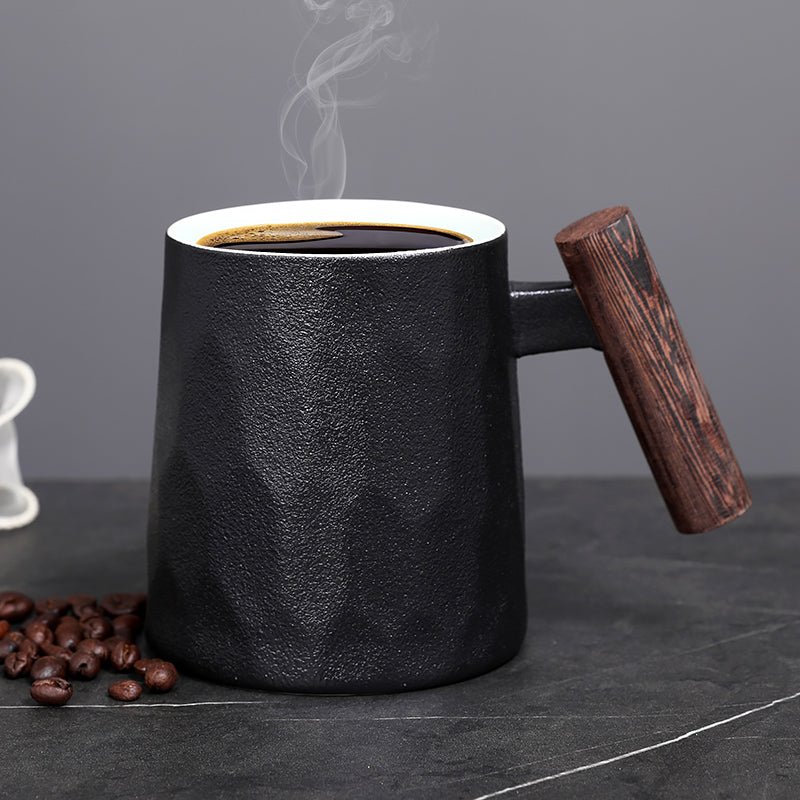
Latte Mugs Tall Replacement Purchase Product Shortlist Guide: 400-480ml
Replacing a chipped, spilling or too-tall latte mug is easier when you start from what went wrong. A scenario-based shortlist of 400, 440 and 480 ml vessels, plus the measurements and care claims t...
Read more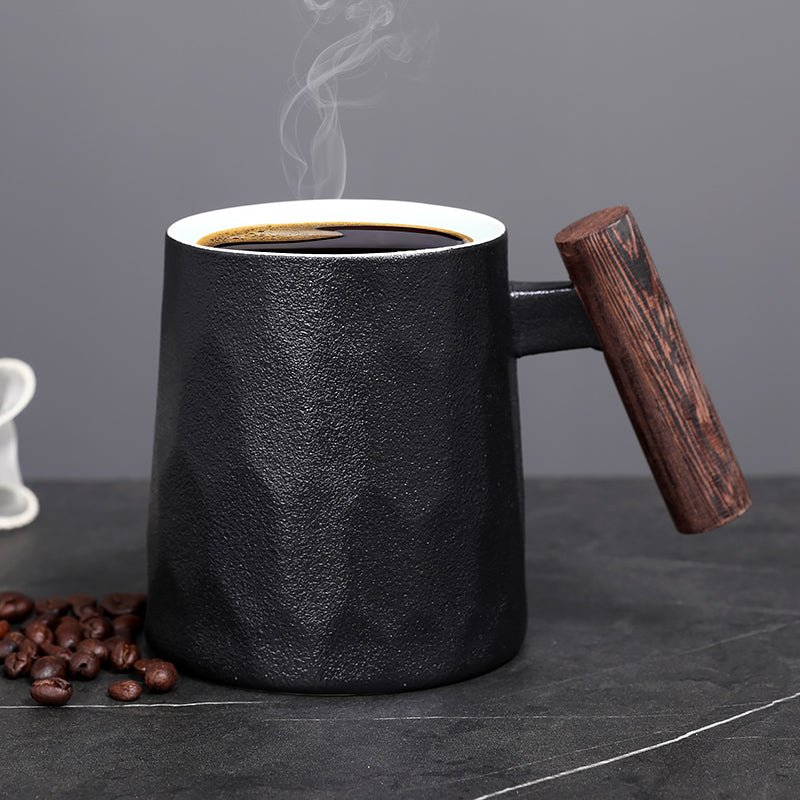
Coffee Mugs With Big Handles: Replacement Purchase Product Shortlist
Start with the mug that failed — the pinching loop, the short pour, the awkward brewer clearance — then match CoffeifyMug's 250 ml, 400 ml, and 480 ml options to that specific complaint, with the f...
Read more
Leave a comment
This site is protected by hCaptcha and the hCaptcha Privacy Policy and Terms of Service apply.