
Coffee Mug Custom Guide: Materials, Sizes, Printing, and Buying Tips
Reading time: about 9 minutes
An order can look perfect on screen and still miss the mark at the counter. The handle may feel cramped, the print may sit too close to the rim, or the mug may be the wrong size for the person who drinks a full mug before the commute starts.
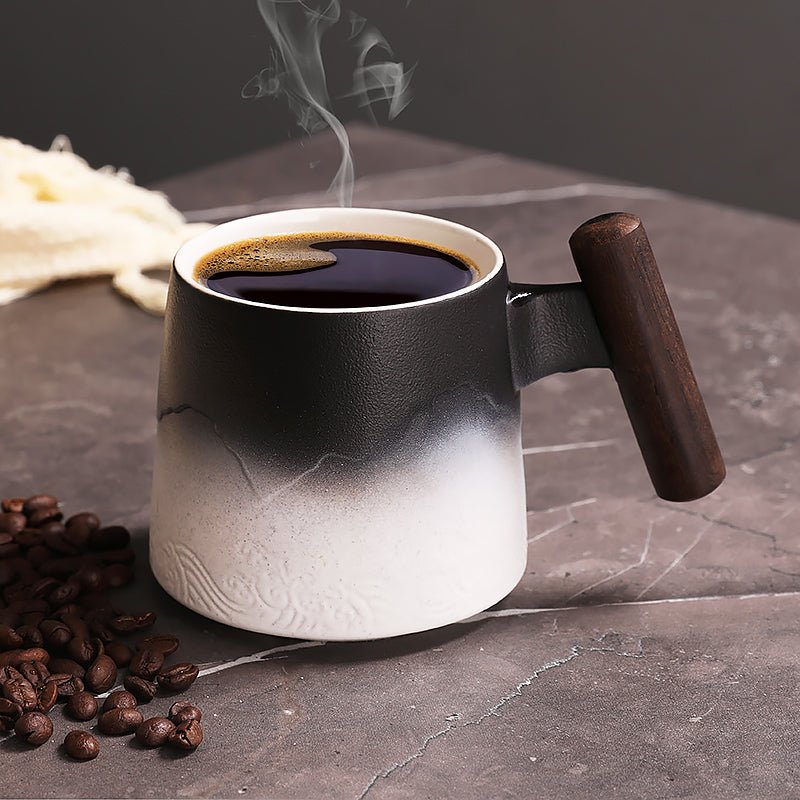
That is the part we focus on in our store. A coffee mug custom order should be judged the same way we judge samples on our work table: by hand feel, print placement, daily use, and how well it holds up after a few dishwasher cycles.
If you are comparing options now, start by browsing our products page and the broader all collections view. Then use this guide to filter out the mugs that only look good in a mockup.
What should you check before ordering a coffee mug custom?
The first decision is not the artwork. It is the use case. A desk mug, a gift mug, and a logo mug for the office all need slightly different specs. In our experience, most buyer regret comes from skipping the practical details and focusing only on the design file.
Before you place an order, check these points:
- Capacity: Know whether the mug is 10 oz, 11 oz, 12 oz, or 14 oz. That changes how much coffee, tea, or cocoa it actually holds.
- Handle shape: A handle that looks elegant in a listing can still feel tight for larger hands.
- Print placement: Wraparound art, single-side art, and full-photo layouts all need different margins.
- Care instructions: Confirm whether the mug is hand-wash preferred or dishwasher safe, and whether the print has any heat limitations.
- Surface finish: Glossy mugs show bright color well, while matte finishes can mute contrast and show scuffs differently.
For deeper sizing context, we already broke down common capacities in our 10 oz coffee mug guide and 11 oz coffee mug guide. If you are torn between everyday and oversized use, the 14 oz mug article is the better comparison point.
One rule we use: choose the size first, then choose the artwork to fit that size. A cramped design on a small mug always looks worse than a simple design on the right vessel.
Which size and material fit daily coffee?
Most shoppers compare mug sizes by capacity, but the way the mug feels in hand matters just as much. A wide 12 oz mug can feel more stable on a desk than a tall, narrow 11 oz mug. A 14 oz mug is better for long mornings or tea drinkers, but it can feel bulky if you like a lighter cup.
For material, ceramic is still the most common choice for custom mugs because it handles everyday kitchen and office use well, prints cleanly, and feels familiar on the table. Stoneware has a heavier, more tactile feel, but it can also be thicker and heavier. If someone needs a mug for commuting, neither is the right answer. A lidded travel mug is the better category.
| Size or material | Best for | Trade-off |
|---|---|---|
| 10 oz | Short coffee servings, espresso-based drinks, compact desk setups | Less room for milk, foam, or large pours |
| 11 oz | Default everyday use, simple gift orders, office desks | Can feel small for people who refill less often |
| 12 oz | Most balanced everyday mug size, tea or medium coffee pours | Takes slightly more cabinet space |
| 14 oz | Long mornings, larger servings, people who want fewer refills | Bulkier in the hand and in the cabinet |
| Ceramic | General custom mug use, gifting, brand designs, home kitchens | Not ideal for drop-heavy environments or travel |
| Stoneware | Heavier feel, rustic presentation, table-friendly gifting | Can be heavier than some buyers expect |
If you want a fuller breakdown of how these sizes compare in real use, the 12 ounce mug guide is useful for shoppers who are deciding between everyday and larger cups. We also see a lot of buyers switch to 14 oz after realizing they want enough room for cream without risking spills on a crowded desk.
Which print details matter more than the artwork?
Artwork gets the attention, but print execution decides whether the mug feels custom or just decorated. We review mugs the same way a customer will see them: under kitchen light, on a desk, and after a few washes. That means checking edge alignment, image sharpness, and how the design sits relative to the handle.
These are the common failure points we watch for:
- Misalignment: A design that wraps slightly off-center looks uneven the second the mug turns in your hand.
- Crop errors: Photos placed too close to the rim can lose important detail near the top edge.
- Color shift: Some artwork looks richer on screen than it does on a glazed ceramic surface.
- Ghosting or banding: This can happen when transfer or print registration is not clean enough for a smooth finish.
- Low-contrast logos: Thin lines or pale text can disappear on bright or reflective finishes.
For photo-heavy orders, our custom photo coffee mug guide explains what to check before you upload an image. For brand work, our custom logo coffee mug guide covers the practical side of logo placement, contrast, and day-to-day office use.
Not every print style is right for every buyer. A detailed photo mug can be a strong gift, but it is not the best choice if you want a very formal corporate feel. A logo mug can look clean and reliable, but it is not the mug we would choose for a sentimental family photo gift.
Our rule is simple: if the mug will be handled every morning, prioritize print clarity, comfortable grip, and easy care over visual complexity.
Is a custom mug better for gifts, office desks, or brand giveaways?
A coffee mug custom order can work in all three settings, but the best version of the mug changes with the audience. Gift mugs usually need emotional impact and good unboxing presentation. Office mugs need repeat use, easy identification, and a design that still looks professional after weeks on a desk. Brand giveaways need the logo to read clearly from across a meeting table.
Here is how we usually steer buyers:
- For gifts: Choose a mug with strong contrast, a comfortable handle, and enough blank space so the design does not feel crowded.
- For office use: Pick a size that suits daily refills and a finish that is easy to clean after coffee, tea, or cocoa.
- For branded use: Keep the logo readable, avoid overly fine lines, and make sure the mug still feels useful without the branding.
If you are deciding between photo and logo use cases, compare the guidance in our logo mug article with the photo mug article. The right answer depends on who will hold the mug at 7 a.m., not on what looks busiest in the mockup.
We also see a clear trade-off with heavily personalized gifts: the more specific the design, the less flexible the mug becomes for everyday household use. That is fine for a keepsake. It is less useful if you want a mug that anyone in the kitchen can grab without feeling like it belongs to one person only.
How do you care for a custom mug so it keeps its finish?
Durability is not only about the mug body. It is also about how the finish survives daily cleaning. We always tell buyers to read the care notes for the exact product, because print methods can behave differently under heat, detergent, and abrasion.
For routine care, the safest habits are straightforward:
- Wash with mild soap and a soft sponge.
- Avoid abrasive pads that can dull the glaze and wear down printed areas.
- Use the top rack only if the product instructions say it is dishwasher safe.
- Let the mug cool before washing if it has just held a very hot drink.
- Do not use a mug on a stovetop, open flame, or broiler unless the product is specifically designed for that use.
Some buyers assume every custom mug should behave like a plain diner mug. That is not realistic. A printed logo, a photo wrap, or a decorated finish can be more sensitive to harsh cleaning than an undecorated cup. If you want a mug that will live in a crowded office sink and get scrubbed hard every day, choose a simpler design and be conservative with the care expectations.
That trade-off matters. A custom mug is not the best choice for people who want rough utility above all else. For that job, a plain, thick, no-frills mug is usually the better pick.
What is the best next step if you want to buy one now?
If you are ready to compare options, start by narrowing the mug by size, then decide whether the mug is for home, office, or gifting. After that, check the print area, the handle shape, and the care instructions. That order saves time and prevents the most common purchase mistakes.
Our store collection starts with real-world use first. Open the products page for current custom mug options, then move to the all collections page if you want to compare the full range before deciding. If you are still unsure, use the size guides above to rule out mugs that are too small, too bulky, or too decorative for the way you actually drink coffee.
Before you order, use this quick checklist:
- Confirm the mug capacity.
- Decide where it will be used most often.
- Check whether the artwork needs a logo, photo, or text layout.
- Read the care instructions before assuming dishwasher use is fine.
- Choose the design that still looks good after the first week on a real counter or desk.
Frequently asked questions
Is a coffee mug custom dishwasher safe?
Sometimes, but not always. The safe answer is to follow the care instructions on the specific product, because the print method and finish matter as much as the mug body. If the listing says hand-wash only, that usually means the decoration is more sensitive than the ceramic itself.
What size coffee mug custom is best for everyday use?
For most shoppers, 11 oz or 12 oz is the easiest everyday choice. An 11 oz mug feels familiar and compact, while a 12 oz mug gives you a little more room for milk or a larger pour. If you regularly want more coffee without refilling, 14 oz is worth considering.
Can I put a custom coffee mug in the microwave?
Only if the product is listed as microwave safe. Some printed mugs can handle microwave use, but metallic accents, certain decorative finishes, or specific print methods can make that unsafe. When in doubt, choose a mug that explicitly states microwave compatibility.
What is the best mug style for a logo gift?
A clean ceramic mug with strong contrast is usually the safest choice for logo work. The logo should be readable from normal sitting distance, and the layout should leave enough breathing room around the handle. If the logo is too detailed, simplify it before printing.
Should I choose a photo mug or a text mug?
Pick a photo mug if the image is the point of the gift and the quality of the photo is strong. Pick a text mug if you want a cleaner look, faster readability, or a design that still works if the mug is seen across a room. Text mugs are usually easier to keep crisp at smaller sizes.
More from our blog
Read more
Small Travel Coffee Mug Buying Guide: What to Check Before You Buy
A small travel coffee mug has to do a lot in a short morning window: fit the commute, seal cleanly, and stay comfortable in the hand. This guide breaks down the size, lid, and material checks we us...
Read more
Temperature Controlled Coffee Mug: What Buyers Should Check
A temperature controlled coffee mug only makes sense if the heating method, size, and cleaning routine fit how you actually drink coffee. This guide breaks down the real trade-offs so you can choos...
Read more
Leave a comment
This site is protected by hCaptcha and the hCaptcha Privacy Policy and Terms of Service apply.