Custom Logo Coffee Mug Buying Guide for Real-World Use
Reading time: about 9 minutes
A custom logo coffee mug looks simple on a product page. The difference shows up later, on a kitchen counter after the first wash, on a desk next to a laptop, or in a gift box when the handle sits the wrong way and the logo is off-center.
That is why we treat logo mugs as more than a print job. In our store, we look at how the mug feels in the hand, how the logo reads at arm's length, and whether the finish still looks clean after regular use. If you are comparing options, this guide covers the details that actually affect the buying decision.
If you want the broader category checklist first, our coffee logo mug buying guide is a good starting point. If you are already comparing print types and sizes, we also go deeper in our custom coffee mug buying guide.
What should you check before ordering a custom logo coffee mug?
Start with the basics: mug body, print placement, finish, and the way the logo will be used day to day. A mug for a front desk is not the same as a mug for employee onboarding, client gifts, or a conference tote bag.
- Material: Ceramic is the standard choice for everyday coffee mugs because it feels substantial and presents color well.
- Logo placement: Front-facing logos are easy to read on a desk. Wraparound graphics can look strong, but they are less forgiving if the artwork is not centered.
- Size: The common choices are 10 oz, 11 oz, and 15 oz. Smaller mugs feel compact and giftable; larger mugs suit long coffee pours or tea drinkers.
- Use case: Office use, client gifts, and resale each need a slightly different balance of durability, branding, and cost control.
We recommend checking the product photo for handle shape and rim thickness, not just the logo area. A mug can print beautifully and still feel awkward if the handle is too tight or the cup looks too shallow for the drinker's habits.
For buyers who want a tighter checklist before they commit, our custom logo coffee mugs guide breaks the decision down from a buyer's point of view.
Which mug size works best for offices, gifts, and daily coffee?
Size affects more than volume. It changes how the mug feels in the hand, how much desk space it takes, and whether the logo sits in a visually balanced way. A mug that looks perfect in a mockup can feel too small once a buyer fills it with a real coffee order.
| Size | Best use | Trade-off |
|---|---|---|
| 10 oz | Compact gifts, shorter pours, smaller desks | Less room for milk-heavy drinks or long coffee breaks |
| 11 oz | Standard office mug, most everyday coffee use | Can feel a little small for heavy tea or oversized drinks |
| 15 oz | Long mornings, tea, larger pours, slower sipping | Heavier in the hand and takes more cabinet space |
For many buyers, 11 oz is the safest middle ground. It is familiar, fits a normal desk routine, and usually gives enough front surface for a logo without making the mug feel oversized. If you are choosing between sizes, our 10 oz coffee mug guide is useful for comparing the more compact end of the range.
One practical point we see often: larger mugs can make small logos look undersized. If your mark is simple and text-heavy, a 15 oz mug can leave too much blank space around it. If your logo is bold and graphic, that extra space can work very well.
Which print choices hold up best on a custom logo coffee mug?
Print method matters because the mug is going to live through repeated handling, washing, and desk use. Some finishes look crisp right out of the box but are less forgiving over time. Others are more restrained on day one and age better in real use.
We always advise buyers to match the print style to the logo itself. A clean, simple mark usually looks better than a crowded design with tiny legal text or fine gradient fades. Fine details can disappear once they are wrapped around a curved surface.
- Simple one-color logos: Best for a clean, professional look and easier readability from across a room.
- Multi-color logos: Useful if brand recognition depends on color, but they need better artwork prep to avoid dulling or color shift.
- Fine text: Riskier on mugs because small copy can blur, especially near the handle or edge of the print area.
- Full-wrap artwork: Strong visual impact, but it is less forgiving if the template is not aligned exactly.
If you want a logo-specific comparison of materials, sizes, and print choices, our coffee mug logo buying guide is built for that decision. We also cover similar trade-offs in logo coffee mug buying guide, especially if you are comparing use cases rather than just artwork.
A good mug print should look sharp at arm's length and still make sense when someone is standing in a break room line. If the design only works in a mockup, it is too fragile for real life.
What artwork files do you need before you place the order?
Artwork prep is where many orders slow down. The problem is usually not the mug itself. It is the file. A logo that looks fine in a browser window can fall apart once it is scaled for a ceramic surface.
We prefer vector artwork when possible because it scales cleanly. If a vector file is not available, a high-resolution transparent file can still work, but small type and thin lines need extra attention. If your logo includes a slogan, ask yourself whether the slogan really needs to be on the mug. In many cases, the cleaner option prints better.
- Send the cleanest version of the logo you have.
- Check spelling, spacing, and punctuation before approval.
- Confirm whether the design should face left-handed or right-handed users.
- Look at the logo against the mug color, not just on a white background.
- Approve the proof only after checking margins near the handle and rim.
Common problems we see are not dramatic. They are small. A logo sits a few millimeters too high. The white border around a dark mark disappears. A thin line looks strong on screen but weak on the mug. Those are the details that separate a polished result from a disappointing one.
If the mug is for a client gift or onboarding package, we recommend approving a physical sample or at least a careful proof before you place a larger order.
How should you care for a logo mug so it keeps looking good?
Care advice should be specific to the finish, but a few habits help most logo mugs last longer. The mug itself may be durable, yet the decoration can still wear faster if it is treated roughly.
- Use a gentle wash cycle when possible, especially for mugs with detailed print or specialty finishes.
- Avoid abrasive scrubbers on printed areas.
- Let the mug cool before washing if it has held boiling water.
- Do not stack mugs tightly if the rim or handle is decorative, because chips usually happen in cabinets, not just in transit.
- Dry the mug before storing it if you want to avoid water spots on glossy surfaces.
We do not treat every logo mug as fragile, but we also do not pretend every print finish is identical. If a buyer wants a mug that will live in a heavy commercial dishwasher every day, a simple branded ceramic mug may not be the best fit. In that case, a different drinkware style may suit the job better.
There is also a difference between practical durability and visual longevity. A mug can keep functioning long after the decoration starts to look tired. If the logo is the main reason you are buying, that visual lifespan matters just as much as the cup itself.
Who is a custom logo coffee mug best for, and when is it the wrong choice?
A custom logo coffee mug is a strong fit for desks, receptions, employee gifts, onboarding kits, trade show handouts, and branded merch that is meant to stay in circulation. It is also easy for the recipient to understand. There is no learning curve. A mug is immediately useful.
But it is not the right choice for every scenario. If the buyer needs something for commuting, car cup holders, or all-day heat retention, an insulated tumbler is usually a better buy. If the logo has tiny typography or a lot of fine detail, a mug can compress that design more than a flat product would.
In our experience, the best logo mugs share a few traits:
- The brand mark is bold enough to read quickly.
- The size matches the drinker's habit, not just the budget.
- The finish suits the environment, from office kitchen to client gift box.
- The artwork is simple enough to survive the curve of the cup.
If you are comparing the broader range of branded options, browse our current products or review everything in our full collection. That is the fastest way to compare shapes, sizes, and styles side by side before you choose.
Frequently asked questions
What is the best size for a custom logo coffee mug for office use?
For most office desks, 11 oz is the most balanced choice. It feels familiar, fits standard coffee servings, and usually gives enough print space for a clean logo. If you know the recipient prefers larger drinks, 15 oz may be the better fit.
Can a custom logo coffee mug go in the dishwasher?
Some can, but the safest answer depends on the print method and finish. For longer-lasting appearance, we recommend gentle care and avoiding harsh cycles when possible. If the mug will be washed often, ask about the specific decoration method before ordering.
What logo file should I send for the best result?
A vector file is the cleanest option because it scales without losing sharpness. If you do not have one, send the highest-resolution version you have with a transparent background. Thin lines and tiny text need extra checking before approval.
Is a custom logo coffee mug a good gift for clients?
Yes, if the mug is simple, well-sized, and aligned with the recipient's daily routine. A clean logo on a useful mug feels more considered than a busy design. It is less effective if the gift needs to travel often or if the recipient does not drink hot beverages.
What is the main downside of a logo mug?
The main limitation is that the print area is curved and relatively small. That makes fine detail harder to preserve than on flat products. If your brand relies on tiny text, complex gradients, or full scenic imagery, a mug may not be the best format.
If you are ready to compare options, start with the product pages, check the size against your real use case, and then match your logo file to the mug shape. That sequence avoids the most common ordering mistakes and makes it easier to choose a custom logo coffee mug that looks right on day one and still makes sense after regular use.
More from our blog
Read more
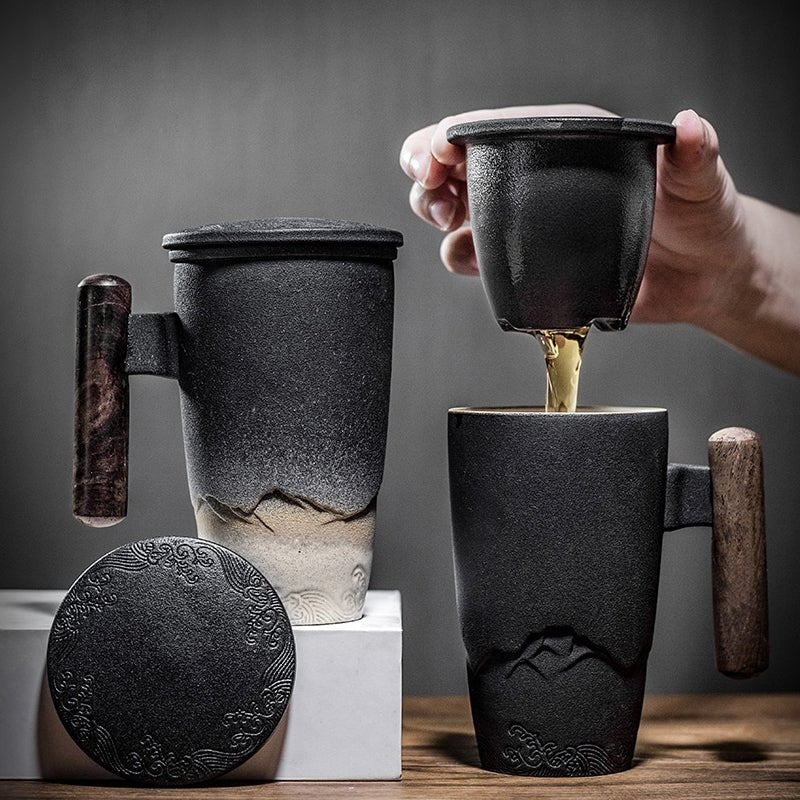
Clipart Coffee Mug Buying Guide: What to Check Before You Order
A clipart coffee mug looks simple, but the wrong size, print finish, or mug surface can make the artwork feel fuzzy or cramped. Here is what we check before recommending one for gifts, offices, or ...
Read more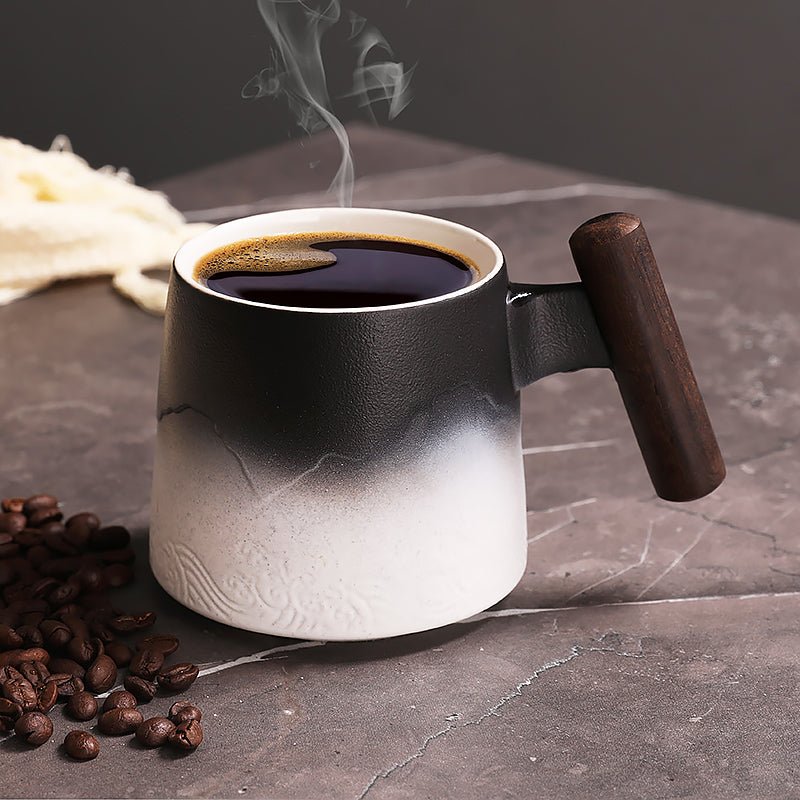
Drawing Coffee Mug Buying Guide: What Buyers Should Check
A drawing coffee mug can look great in photos and still miss the mark on size, print placement, or daily care. Here’s what we check before we recommend one to a shopper.
Read more
Leave a comment
This site is protected by hCaptcha and the hCaptcha Privacy Policy and Terms of Service apply.