

Ceramic vs Porcelain Coffee Mugs Gift Choice Product Shortlist Guide
Reading time: about 9 minutes
A mug can look right in a product photo and still feel wrong five minutes after it is unwrapped. The handle pinches, the rim feels bulky, or the cup is too tall for the shelf where the recipient keeps every other mug. Our ceramic vs porcelain coffee mugs gift choice product shortlist guide starts with those ordinary friction points because material names alone do not tell you how a gift will fit someone's day.
In our store, handling mugs has taught us to inspect the details that are easy to miss on a screen: the thickness and profile of the rim, the space inside the handle, the finish of the foot ring, and the depth of any exterior texture. We also separate general material guidance from claims about a specific CoffeifyMug product. Current material, dimensions, capacity, care instructions, included items, and available options should always be confirmed on the linked product page before ordering.
What does ceramic versus porcelain really tell a gift buyer?
Porcelain is itself a type of ceramic. In retail comparisons, ceramic often means a non-porcelain clay body such as stoneware or earthenware, while porcelain generally refers to a more vitrified body. That distinction can affect density, porosity, appearance, and manufacturing, but it does not settle every practical question about a finished mug.
| Material signal | What it can help you assess | What it does not prove |
|---|---|---|
| Ceramic or stoneware-style body | Often associated with an opaque, substantial everyday form | Exact weight, heat retention, chip resistance, or dishwasher suitability |
| Porcelain body | Often associated with a refined surface and the possibility of thinner construction | That the mug is automatically light, delicate, or better made |
| Glazed finish | Creates the main contact surface for the drink and affects cleanup | Microwave or dishwasher compatibility unless the product page states it |
A thick porcelain mug may outweigh a thin stoneware mug. A substantial rim may tolerate daily knocks better than a fine rim regardless of the clay category. Heat retention also depends on wall thickness, overall mass, surface area, starting temperature, and how long the drink sits. We do not treat ceramic as automatically tougher or porcelain as automatically more elegant; the finished form matters too much for that shortcut.
Using our ceramic vs porcelain coffee mugs gift choice product shortlist guide
Start with the recipient's routine, then open the product page that best matches it visually. The three recommendations below are based on the product names and designs shown on their pages. We do not assign an unstated material, capacity, care rating, gift box, or personalization option to any of them.
A familiar mug for an uncomplicated morning routine
The recipient reaches for the same straightforward mug each morning and values familiarity more than ornament. The Round Coffee Tea Mug product page is the logical first stop because the round form gives you a restrained starting point for comparing the current photos and specifications.
- Choose it for: someone who likes conventional silhouettes, uses one mug for both coffee and tea, or prefers a design that will not compete with patterned dishes.
- Why it fits: the visual decision is simple, leaving you free to concentrate on the listed dimensions, handle shape, capacity, and care instructions.
- Skip it for: someone who collects pronounced textures or treats a mug as a display object. A more distinctive surface may feel more personal to that recipient.
A textured option for someone who notices surface detail
Some recipients judge a mug first by what their fingers encounter. The Pleated Coffee Tea Cup details deserve a closer look when exterior rhythm and texture are part of the appeal.
- Choose it for: a recipient who enjoys tactile tableware or wants a cup that is easy to identify in a shared cupboard.
- Why it fits: the pleated treatment supplies visible character without relying on an illustrated scene.
- Skip it for: someone who wants a completely smooth exterior or dislikes wiping around recessed surface details. Inspect the current product photos to judge how pronounced the pleating is.
A scenic design for a shelf, studio, or quiet desk
A recipient who displays illustrated objects may care more about the artwork than the ceramic-versus-porcelain label. Open the Landscape Coffee Tea Mug page when a scenic motif matches their home, office, travel interests, or existing collection.
- Choose it for: someone who leaves a favorite mug visible on an open shelf or enjoys representational designs.
- Why it fits: the landscape gives the gift a clear visual point of view rather than asking the material to provide all the character.
- Skip it for: a strict minimalist or someone trying to match solid-color dinnerware. The round or pleated option may integrate more easily.
If none of those profiles is an obvious match, compare their current imagery and specifications within our collection of unique coffee mugs. Keep the recipient's routine fixed while you compare; changing the imagined use case for every design makes the shortlist expand again.
Which mug details matter at a kitchen counter or office desk?
Material is one line on the decision sheet. These physical variables often have a more immediate effect once the mug is in use:
- Rim profile: a fine rim and a rounded, thicker rim create different sipping experiences. The rim is also a common impact point when mugs touch in a dishwasher or sink.
- Wall mass: more material can increase thermal mass, but it also adds weight. That trade-off matters to a slow kitchen-counter drinker and to anyone carrying a mug between rooms.
- Handle clearance: compare the opening with the recipient's favorite mug. Two-finger and three-finger grips can feel markedly different, especially when the cup is full.
- Foot ring: inspect the base photos for the contact surface. A rough unglazed foot can be less friendly to a polished desk than a smooth, well-finished base.
- Height, diameter, and capacity: measure a mug the recipient already uses. Height affects cupboard and coffee-machine clearance, while diameter influences grip and how much desk space the mug occupies.
For a useful home comparison, measure the favorite mug's overall height and widest diameter with a ruler. Its practical capacity can be checked by filling it to the recipient's normal level and transferring that water to a marked measuring jug. Compare those results with the figures currently listed on the candidate product page rather than assuming every coffee mug holds a similar serving.
How do drinking pace and cleanup habits change the material choice?
A slow drinker may benefit from a mug with greater wall mass, but the material label cannot confirm that on its own. A thin porcelain form can cool differently from a thicker porcelain form, just as two non-porcelain ceramic mugs can perform differently. Look at the stated dimensions, product weight if listed, and visible wall and rim proportions.
Cleanup is equally personal. A smooth shape suits someone who wants a quick rinse after tea. Exterior pleats may require more attention around the recesses, while an illustrated surface deserves care consistent with the instructions on its page. For an office dishwasher, verify the stated care information instead of inferring compatibility from the presence of glaze. For a hand-wash household, ask whether the handle and textured areas are easy for the recipient to reach with their usual brush or sponge.
This is also where we rule products out. A breakable ceramic or porcelain mug is not a practical gift for a rough commute, an outdoor campsite, or a vehicle cup holder that regularly experiences jolts. An insulated metal or durable travel cup would suit those routines better.
What wear should you check before gifting and during use?
Normal inspection takes less than a minute. Under direct light, check the rim for chips, the body for hairline cracks, the handle joints for separation, and the glaze for unexpected pinholes or a fine crack network known as crazing. Also set the empty mug on a flat counter to confirm that the base sits as expected. These are more useful checks than judging quality from shine alone.
General ceramic care also means avoiding abrupt temperature changes, such as moving a very cold mug directly to a very hot fill. In a dishwasher, leave enough space that rims and handles do not knock against adjacent pieces during the cycle. Do not assume microwave safety, particularly for decorated mugs; use the exact care statement on the product page. These are category-level precautions, not claims that every linked product has the same care requirements.
Which product-page facts should be verified before ordering?
We use this five-line check before treating a candidate as gift-ready:
- Read the exact material description rather than relying on the collection image.
- Compare listed height, width, and capacity with a mug the recipient already uses.
- Review every current image for rim shape, handle clearance, base, and exterior relief.
- Confirm the microwave, dishwasher, and hand-washing instructions exactly as stated.
- Check what the selected option includes. If gift packaging, a note, or personalization is not explicitly offered, do not assume it is part of the order.
Product details and available options can change, so the page viewed at purchase is the source of truth. That boundary is deliberate: a useful recommendation should not promise a feature the product listing does not support.
A two-minute decision for the final shortlist
- Name the recipient's main location: kitchen counter, office desk, open shelf, or another setting.
- Choose the strongest preference: familiar shape, tactile pleating, or scenic artwork.
- Open the matching CoffeifyMug page and verify material, measurements, capacity, and care.
- Remove any option that conflicts with cupboard space, grip, cleanup routine, or design taste.
- Compare the remaining choice with the collection once, then stop browsing.
That is how we use the ceramic vs porcelain coffee mugs gift choice product shortlist guide in practical terms: routine first, visible design second, and verified specifications before checkout.
Frequently asked questions
Is porcelain always a better coffee mug gift than ceramic?
No. Porcelain is a type of ceramic, and the completed mug's wall thickness, rim, handle, weight, glaze, and care rating can matter more than the category name. Choose porcelain only when its specific construction and design fit the recipient better.
How should I use the ceramic vs porcelain coffee mugs gift choice product shortlist guide for someone who drinks both coffee and tea?
Prioritize the person's usual serving size, sipping pace, preferred rim, and cleanup routine. Both porcelain and other ceramic bodies can serve coffee and tea, so compare the exact product specifications instead of assuming one material is reserved for a particular drink.
Can I assume a glazed ceramic or porcelain mug is dishwasher and microwave safe?
No. Glaze alone does not establish either care rating, and decorative treatments can introduce additional restrictions. Confirm dishwasher and microwave guidance on the selected product page before buying or using the mug.
Do these recommendations include gift packaging or personalization?
This guide does not claim either service. Check the current product page for an explicit statement about included packaging, notes, or personalization; if the page does not offer it, plan on the mug itself being the gift.
Where should I make the final comparison?
Open the CoffeifyMug unique mug selection with one routine and one preferred design style already written down. Compare the current product pages for material, dimensions, capacity, and care, then choose the single option with no conflict against that checklist.
More from our blog
Read more
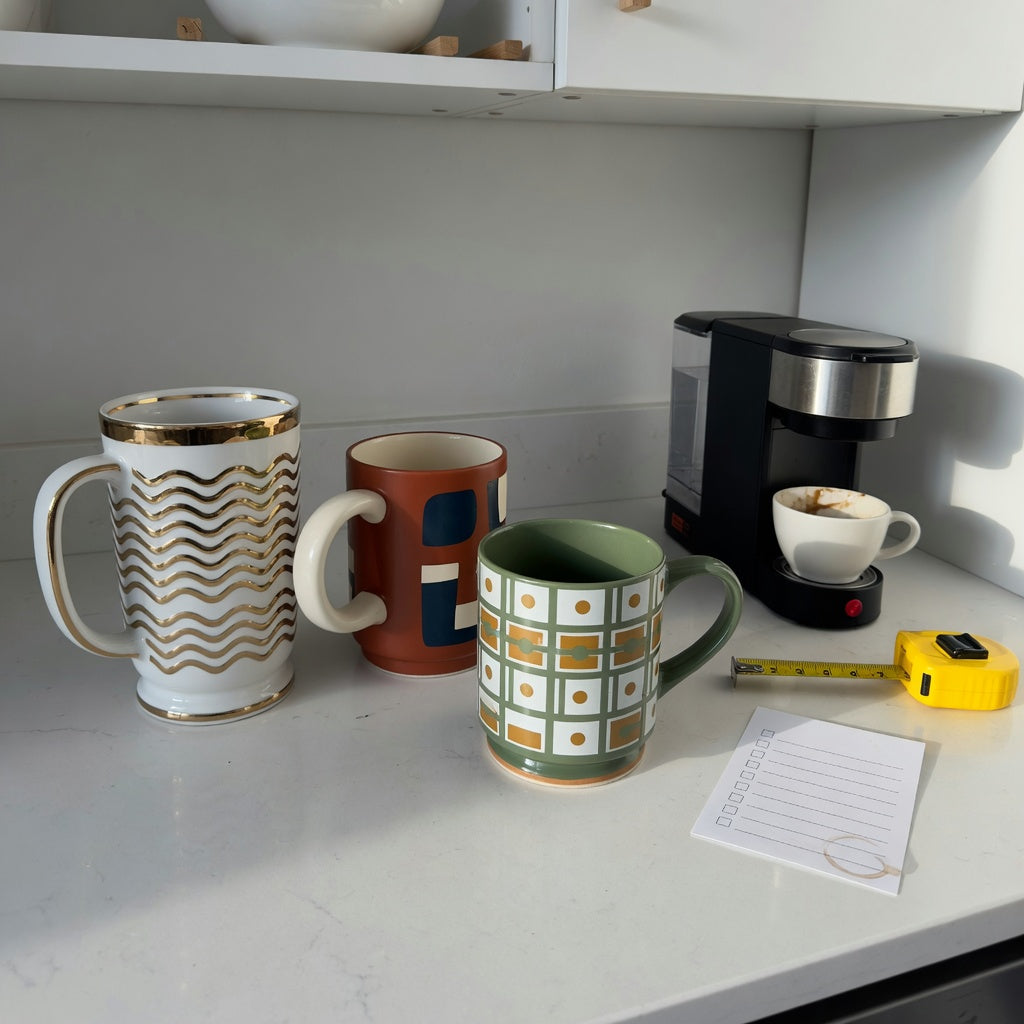
Large Decorative Coffee Mugs Gift Choice Practical Purchase Checklist
Compare recipient routines, brewer and cabinet measurements, care requirements, and decor preferences without assuming capacity, gift packaging, or personalization.
Read more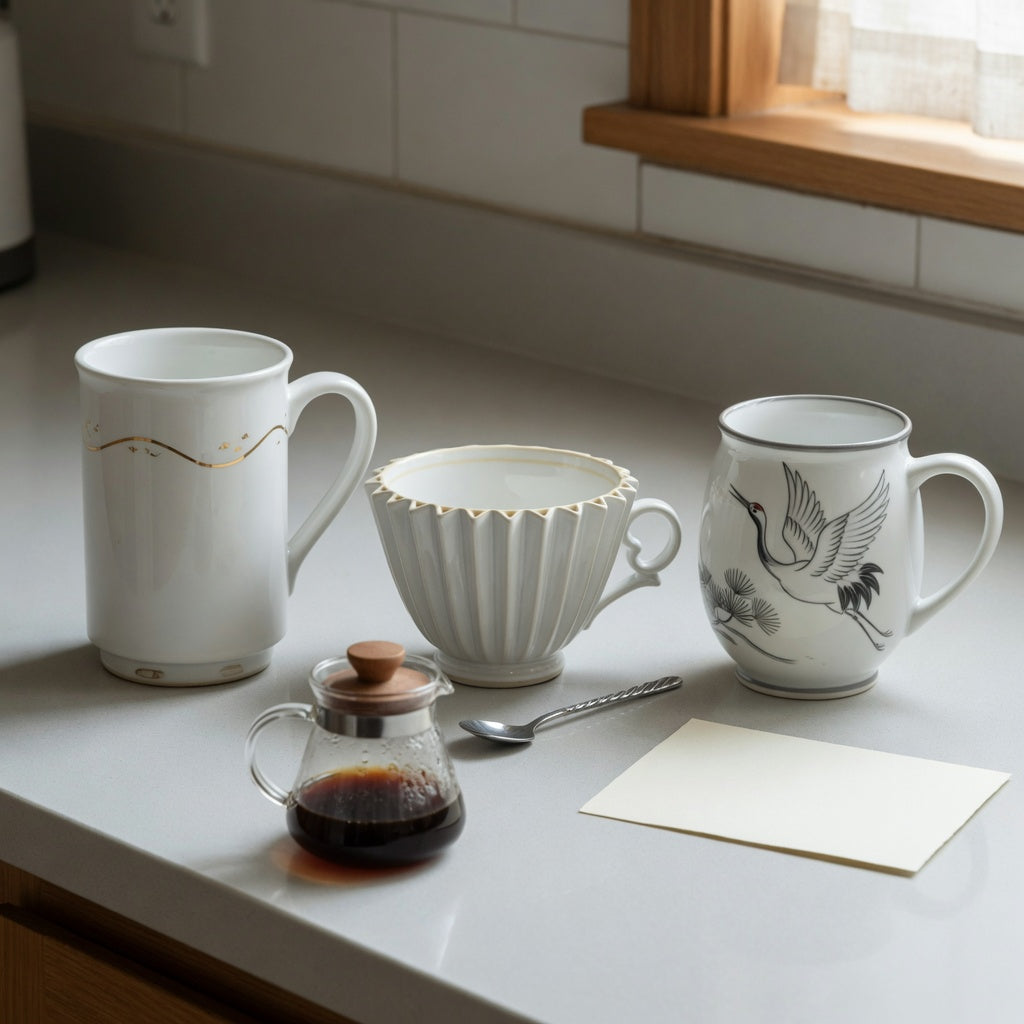
White Pottery Coffee Mugs Gift Choice Practical Purchase Checklist
Choose by routine, not color alone. This checklist separates visible design facts from specifications that still need verification, then matches tall, pleated, and crane styles to realistic gift re...
Read more
Leave a comment
This site is protected by hCaptcha and the hCaptcha Privacy Policy and Terms of Service apply.