
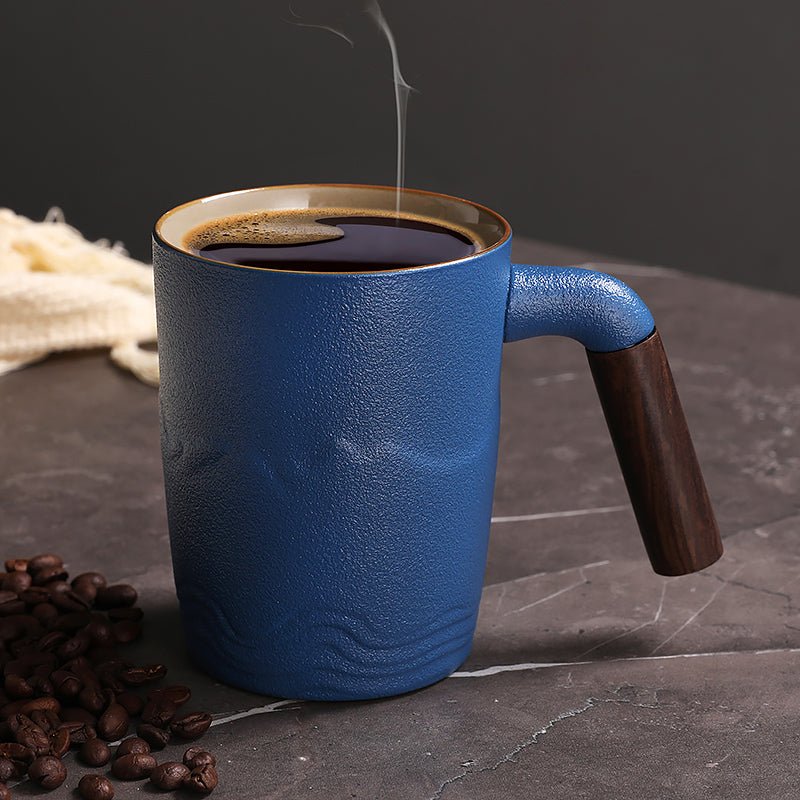
Ceramic vs Porcelain Coffee Mugs Morning Routine Product Shortlist Guide
Reading time: about 10 minutes
At 6:40 a.m., the mug that looked elegant online can become the one left in the cabinet because it needs a second refill, crowds the coffee machine, or demands more careful cleanup than the morning allows. This ceramic vs porcelain coffee mugs morning routine product shortlist guide starts with the live Round Coffee Tea Mug and our unique coffee mugs collection, then filters the options by three practical details: minutes available, actual drink volume, and refill tolerance.
In our store, we handle this category by setting mugs on a flat counter, checking rim feel and handle clearance, and reading the selected variant's care information before letting the material label carry the decision. Porcelain or ceramic may influence the feel of a cup, but wall thickness, working capacity, handle geometry, base footprint, and care instructions usually determine whether it earns a place in a morning routine.
How we handle product claims: The live product listing is the checkout reference for material, dimensions, capacity, variants, and care. We do not label a current item porcelain, quote a volume, or promise dishwasher or microwave compatibility unless its product page states that information.
How to use this ceramic vs porcelain coffee mugs morning routine product shortlist guide
Start with the routine rather than the prestige attached to a material name. Porcelain is one type of ceramic; stoneware and earthenware are other ceramic bodies. Retail listings do not always use those terms with the same level of detail, so the specification line matters more than assumptions based on color or finish.
- Morning timing: Count the minutes between pouring the drink and leaving the kitchen. A five-minute routine rewards simple handling and cleanup. A seated breakfast gives more weight to rim feel, balance, and visual detail.
- Usual final drink volume: Measure the drink after adding milk, cream, foam, or ice. The machine's serving label may not match what ends up in your mug.
- Refill tolerance: Decide whether one extra trip to the kitchen is pleasant, acceptable, or annoying. A smaller cup is not a poor choice if a fresh refill is part of the ritual.
A candidate should survive all three filters before material styling enters the decision. This keeps the shortlist short and prevents an attractive finish from disguising the wrong capacity or care routine.
Ceramic or porcelain at 6:30 a.m.: which differences are practical?
General material guidance: Porcelain is commonly made into a dense, vitrified body and can support a relatively thin profile. Stoneware and earthenware mugs are often sold with a more substantial profile. These are tendencies, not promises about any linked product.
| Buyer variable | Porcelain tendency | Other ceramic mug tendency | Morning impact |
|---|---|---|---|
| Body and rim | A thinner body and finer rim are possible. | Walls and rims are often more substantial. | A fine rim can feel precise; a thicker rim can feel sturdier. Check the actual product profile. |
| Weight | Can feel light when made thin, but porcelain is not automatically lighter. | Thicker forms can feel heavier and more grounded. | Add the weight of a full drink before deciding what is comfortable for one-handed use. |
| Temperature response | Thin walls may absorb less heat initially. | A high-mass body may absorb more heat as it warms. | Thickness, starting temperature, lid use, and drink volume matter more than the category name alone. |
| Impact points | Fine rims remain vulnerable to edge knocks. | Thicker-looking mugs can still chip, crack, or fail at a handle join. | Check the rim, handle attachments, and foot ring during unboxing. |
| Care | The material name does not guarantee dishwasher or microwave use. | Glaze, decoration, and construction still control care. | Follow the selected product's instructions rather than a general ceramic rule. |
A thick mug can pull heat from fresh coffee while the body warms; prewarming it can reduce that initial temperature drop. Once warm, extra mass may slow later temperature change. That is why material-only promises about keeping coffee hotter are too broad. For a deeper material discussion, see our ceramic vs porcelain routine-fit comparison.
Usual drink volume and refill tolerance: how much room do you need?
Capacity is useful only if it reflects your finished drink and leaves usable headspace. Brim capacity and comfortable working capacity are not the same: filling to the lip invites sloshing beneath a coffee machine or during the walk to a desk.
- Make the drink as usual. Include milk, foam, sweetener, or ice rather than measuring plain coffee alone.
- Measure the finished amount. Use a graduated kitchen jug or another vessel with clear volume markings.
- Leave practical headspace. Account for stirring, carrying, and the angle at which you normally sip.
- Track refills for several mornings. Note whether the refill interrupts your routine or gives you a welcome break.
- Check the selected product variant. Reconfirm the live capacity and dimensions after choosing a color or style, since variant details can differ.
If you strongly dislike refilling, eliminate any option whose stated capacity is below your measured working volume. If you enjoy a fresh second pour, a smaller cup may suit you better than an oversized mug that becomes heavy when full. Foam-heavy drinks need more headspace, while a short tea or coffee serving may place greater emphasis on lip feel and balance.
Which current CoffeifyMug option belongs on your morning shortlist?
Product-specific boundary: The recommendations below use distinctions presented by the current product names and pages. We are not assigning an unstated ceramic body, capacity, care method, or performance claim.
Fast pour and low design friction: Round Coffee Tea Mug
Situation: You want a form-first option for coffee or tea and do not need exterior texture or a scenic theme to drive the choice. Why it fits: The Round Coffee Tea Mug listing emphasizes the round format, making it a sensible first comparison against the mug already used in your kitchen. Choose it if: its live capacity, handle, dimensions, and care instructions match your measured routine. Skip it if: tactile detail, decorative storytelling, or a secure travel lid is the priority.
Slow breakfast and texture-led styling: Pleated Coffee Tea Cup
Situation: You sit with the drink long enough to notice the cup's surface and visual detail. Why it fits: The Pleated Coffee Tea Cup is differentiated by its pleated treatment rather than a plain exterior. Do not assume the pleating improves grip; inspect the page images to see where the detail sits and how pronounced it is. Skip it if: you prefer a seamless exterior or have little patience for wiping around surface contours.
Gift mornings and display-led routines: Landscape Coffee Tea Mug
Situation: The mug stays visible on a breakfast tray, open shelf, or desk, or you are choosing a gift with a clear visual theme. Why it fits: The Landscape Coffee Tea Mug puts its landscape treatment at the center of the choice. Choose it if: that theme suits the recipient and the live specifications pass the volume and care checks. Skip it if: the buyer prefers plain matching drinkware or needs footprint and storage efficiency to come before decoration.
Five-minute kitchen, slow breakfast, or office desk: what changes?
- Coffee machine to front door in five minutes: Start with the Round option, then verify machine clearance, handle opening, base stability, and simple care. If leak resistance matters, choose a vessel explicitly designed with a secure travel lid instead of assuming an open mug will work.
- Twenty-minute seated breakfast: Put the Pleated option on the shortlist if surface detail adds to the ritual. Check the lip area and interior in product images rather than assuming the exterior treatment changes the drinking edge.
- Gift unboxing or an open kitchen shelf: Consider the Landscape option first because the theme has a visible role. Inspect the mug before wrapping so a rim chip, rough glaze spot, or crack at a handle join is not discovered by the recipient.
- Morning coffee that moves to a desk: Ignore decoration until you have checked base width, overall height, and handle projection. Our guide to ceramic vs porcelain mugs for desk use explains why footprint and reach space matter around keyboards and notebooks.
Dishwasher cycles, rim chips, and cabinet space: what should you verify?
Use the following checks on the selected live listing and again when the mug arrives. They are general inspection steps, not a claim that any linked product has these issues.
- Material wording: Look for porcelain, stoneware, earthenware, or a broader ceramic label. If the page says only ceramic, do not mentally upgrade it to porcelain based on a white finish.
- Four useful dimensions: Overall height affects coffee-machine and shelf clearance; mouth diameter affects sipping and cleaning access; base width affects counter and desk stability; handle opening and projection affect grip and storage space.
- Capacity and variant: Confirm the value after selecting the desired option. Compare it with your measured drink and retain enough working headspace.
- Care instructions: Verify dishwasher and microwave guidance separately. Decoration, decals, glaze treatments, or metallic-looking accents can require different handling, so appearance is not a substitute for instructions.
- Arrival inspection: Run a finger carefully around the rim for sharp roughness, inspect both handle joins for hairline cracks, and set the mug on a flat counter to see whether the foot rocks. Glaze pinholes or crazing lines should be compared with the listing because some crackle effects may be intentional.
A hand-wash-only mug is a poor fit for someone who relies on the dishwasher every morning. A tall or wide mug is also the wrong choice if it cannot clear the machine, rack, or cabinet shelf, regardless of how well the material sounds on paper.
Frequently asked questions
Is porcelain better than ceramic for a rushed morning?
No. Porcelain is itself a ceramic, and the better rushed-morning choice is the one with verified working volume, comfortable handle clearance, a stable footprint, and suitable care. Use this ceramic vs porcelain coffee mugs morning routine product shortlist guide to place those routine checks ahead of material prestige.
Is a porcelain coffee mug always lighter than another ceramic mug?
No. Final weight depends on material density, wall thickness, dimensions, handle construction, and the amount of coffee in the mug. A thick porcelain mug can weigh more than a smaller or thinner stoneware mug.
How do I know if a coffee mug is large enough without overfilling it?
Measure your finished morning drink, including milk or foam, and compare that amount with the selected listing's capacity. Leave enough headspace to stir and carry the mug without sloshing. If no capacity is shown, ask the store rather than estimating from a photograph.
Can every ceramic or porcelain mug go in the dishwasher and microwave?
No. The body material alone does not determine care, and decoration or glaze details may change the instructions. Follow the live product page and do not test microwave compatibility by trial, especially if an item has metallic-looking accents.
Which CoffeifyMug option should I shortlist for a gift?
Start with the Landscape Coffee Tea Mug for a visible theme, the Pleated Coffee Tea Cup for texture-led styling, or the Round Coffee Tea Mug for a form-first choice. Then verify the recipient's usual drink volume, cleanup habits, and preference for plain or decorative drinkware.
Your 60-second checkout check
- State how many minutes the mug gets before you leave the kitchen.
- Compare your measured finished drink with the selected variant's listed capacity.
- Decide whether a refill is welcome or disruptive.
- Verify material, dimensions, handle space, and care on the live page.
- Choose Round for form-first simplicity, Pleated for texture-led styling, or Landscape for a visible decorative theme only after the first four checks pass.
If none of the three survives every check, do not force the purchase. Return to the unique coffee mugs collection and apply the same timing, volume, refill, and care filters. The useful shortlist is the one that still makes sense tomorrow morning, not just the one that looks best in a product photo.
More from our blog
Read more

affogato cup home office product shortlist guide: 3 desk routines
Compare CoffeifyMug's 170 ml Retro, 200 ml Pleated, and 270 ml Emerald options by home-office routine, listed capacity, and visible shape. See who should choose—or skip—each option before opening a...
Read more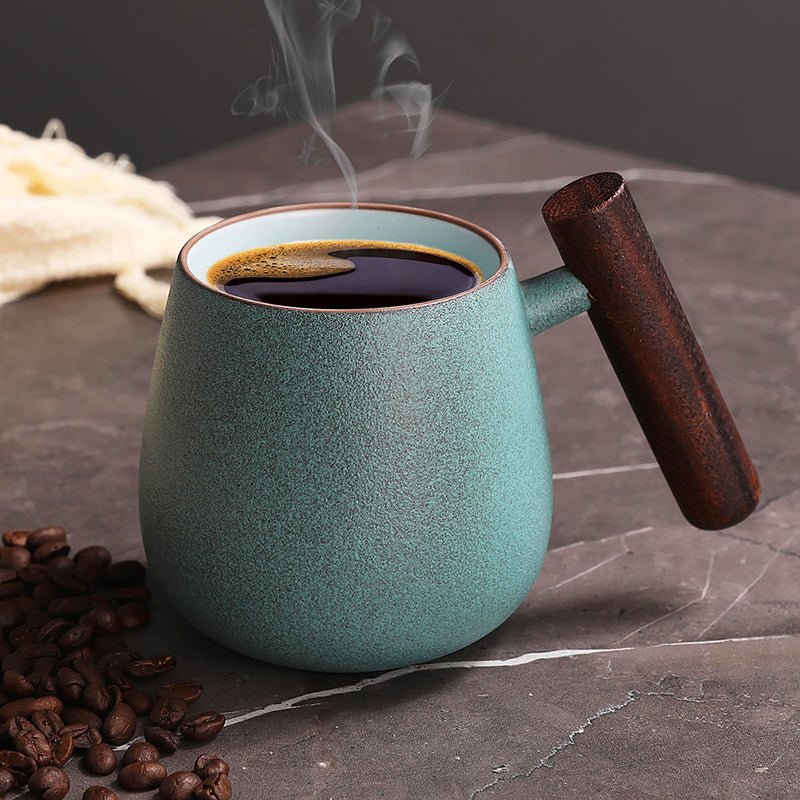
12 Oz Ceramic Coffee Mugs Home Office Practical Purchase Checklist
Compare 12 oz ceramic mugs by usable pour, desk footprint, shape, handle clearance, care details, and current CoffeifyMug styles. This checklist separates verified listing facts from details you sh...
Read more
Leave a comment
This site is protected by hCaptcha and the hCaptcha Privacy Policy and Terms of Service apply.