
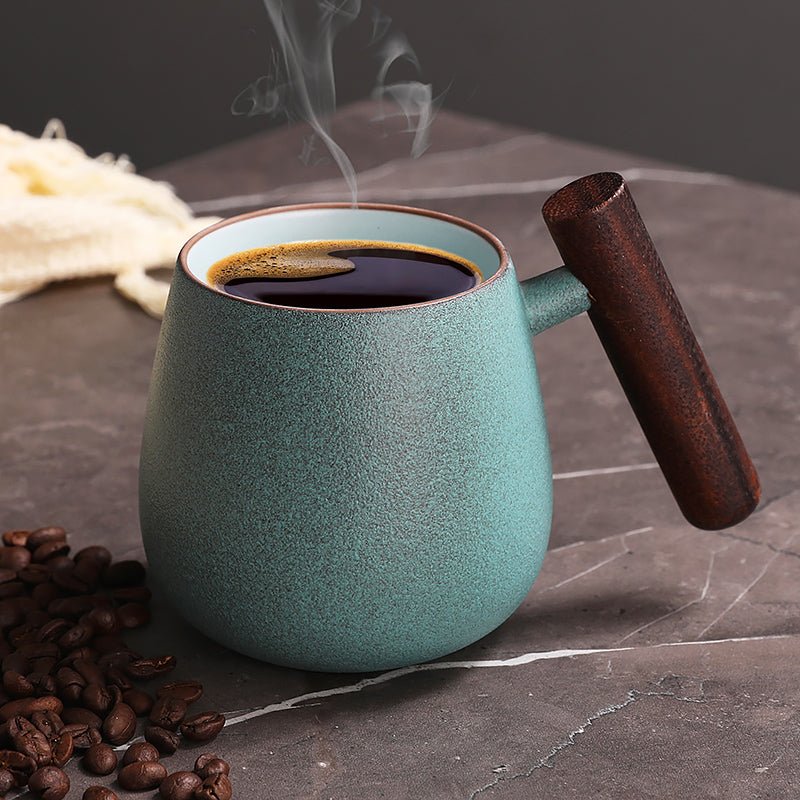
Ceramic vs Porcelain Coffee Mugs: Morning Routine Purchase Checklist
Reading time: about 9 minutes
At 7:10 a.m., the wrong mug announces itself quickly: an 8 US fl oz brew plus milk reaches the rim, two fingers do not clear the handle, or a slow desk coffee cools before the first video call ends. Our ceramic vs porcelain coffee mugs morning routine practical purchase checklist starts with those routine failures rather than treating one material label as an automatic winner.
In our store, we find that shoppers usually notice capacity, grip, and cleanup before they notice ceramic terminology. Start by opening our collection of unique coffee mugs and one specific design, such as the Round Coffee Tea Mug. Use the title and photos to judge style, but rely on the live specification text for material, capacity, dimensions, and care. A photo cannot confirm any of those details by itself.
Use the ceramic vs porcelain coffee mugs morning routine practical purchase checklist
Write down the way you actually drink before comparing glazes or decorative details. These six answers create a useful buying brief:
- Drinking time: Do you finish the cup in 10 minutes, or leave it on a desk for 30 to 40 minutes?
- Total recipe: Count the brewed coffee or tea plus milk, cream, foam, hot water, or an infuser.
- Refill tolerance: Decide whether a second trip to the kitchen is pleasant or disruptive.
- Morning route: Will the mug stay beside the brewer, move between rooms, or sit near a keyboard?
- Physical fit: Check brewer clearance, cabinet height, base space, and handle opening where dimensions are provided.
- Care limit: Decide whether confirmed microwave and dishwasher suitability are required.
I brew 8 US fl oz, add 2 fl oz of milk, drink over 25 minutes, do not want a refill, and need a mug that clears my brewer and can follow a clearly stated care routine.
That one sentence is more useful than choosing porcelain because it sounds refined or choosing a broadly labeled ceramic mug because it looks substantial.
How much do you pour, and how many refills will you accept?
Capacity needs to cover the complete recipe while leaving headspace. An 8 US fl oz coffee plus 2 fl oz of milk already produces a 10 fl oz drink. A mug described as holding 10 oz to the brim would therefore be too tight for comfortable carrying, stirring, or adding foam.
- Measure one normal brew with a marked measuring cup instead of trusting the brewer button alone.
- Add the milk, cream, foam, or extra water you use on an ordinary morning.
- Leave enough space below the rim to stir and carry the drink without sloshing.
- Choose a smaller cup only if you prefer shorter servings or genuinely do not mind refilling.
One US fluid ounce is about 29.6 milliliters, so a 12 US fl oz drink is approximately 355 mL. That conversion does not reveal whether a listed capacity is brim-full or a comfortable working fill. If the product page does not make the distinction, leave a margin rather than assuming every stated ounce is usable.
Does ceramic or porcelain suit a 10-minute cup or a 40-minute desk drink?
General material guidance: Porcelain is a type of ceramic, not a separate opposite category. A broad ceramic listing may refer to earthenware, stoneware, porcelain, or may simply use ceramic as an umbrella term. Porcelain bodies are typically made with kaolin-rich materials and fired to a highly vitrified state, but the label still does not guarantee a thin wall, low weight, or a particular handle shape.
| Morning question | Broad ceramic label | Porcelain label | Practical action |
|---|---|---|---|
| Will it feel heavy? | The body may be thick or thin; the label alone does not decide. | Porcelain can support a fine form, but heavy porcelain mugs also exist. | Use listed weight and dimensions when available. |
| Will coffee stay hot? | Wall thickness, mug mass, opening width, and starting temperature all matter. | The same variables still apply. | Do not predict heat retention from the material name alone. |
| Can it chip? | Rims, foot rings, and handle joints can chip or crack. | Porcelain is also brittle and is not drop-proof. | Inspect vulnerable points at unboxing and avoid dish-to-dish contact. |
| Is care automatic? | Glaze and decoration affect suitable care. | Decoration and construction still control care. | Follow the exact microwave and dishwasher wording on the live page. |
- For a quick kitchen cup: Prioritize the right volume, a comfortable rim, and a handle that suits your grip.
- For a slow desk drink: Prewarm the mug with hot water while coffee brews, or choose smaller refills if reheating is part of your routine.
- For a commute: A sealed insulated vessel is generally a better fit than an open, breakable ceramic or porcelain mug.
Neither material is ideal for rough outdoor use, a crowded vehicle cup holder, or a bag that requires leak resistance. Those situations call for a different product category rather than a more expensive open mug.
Will the mug clear your brewer, fit your hand, and sit safely on your desk?
Capacity is only one measurement. Before ordering, compare the mug with the equipment and spaces it will meet every morning:
- Brewer clearance: Measure vertically from the drip tray to the spout. Note whether removing the tray creates usable extra room.
- Handle opening: Compare any listed opening with the number of fingers you normally place through a handle. Photos without a hand for scale can mislead.
- Filled weight: A 12 US fl oz drink contributes roughly 355 grams before the mug's own weight is added.
- Base space: A broad base may feel stable but can crowd a small desk, side table, or brewer tray.
- Rim and opening: Tea drinkers using a basket infuser should confirm the opening diameter instead of assuming the accessory will fit.
- Cabinet fit: Check overall height and width, especially if handles must alternate to fit mugs side by side.
Large handles help some hands and make storage awkward for others. A heavier mug may feel reassuring on a kitchen counter but tiring to lift repeatedly. In our experience, those are personal fit questions, not defects and not reliable consequences of choosing ceramic or porcelain.
Which CoffeifyMug style fits the counter, desk, or gift?
The current product names provide dependable style cues. They do not, by themselves, establish the ceramic body type, usable capacity, weight, or care method. We separate those visual cues from performance claims so you know what still needs verification.
| Reader situation | Why the style may fit | Product-specific next step |
|---|---|---|
| You want a visually quiet, rounded everyday design for a kitchen or office. | The product name identifies a round design and offers a simpler style direction than a strongly patterned option. | Open the Round Coffee Tea Mug and confirm its current material, capacity, dimensions, and care details. Choose a more decorative design if a restrained look feels too plain for gifting. |
| You want noticeable surface styling or a gift with more visual texture. | The pleated treatment makes texture part of the design decision without implying different heat or durability performance. | Review the Pleated Coffee Tea Cup. A smoother profile may suit you better if minimal styling and simple exterior wiping are higher priorities. |
| You want a decorative theme for a breakfast nook, home office, or visually led gift. | The landscape design makes the artwork part of the purchase rather than treating the cup as a neutral object. | Check the Landscape Coffee Tea Mug and read its current decoration and care information. It is less suited to someone seeking a strictly plain or minimalist mug. |
For each page, verify the exact material wording, stated capacity, overall dimensions, product weight if supplied, microwave guidance, dishwasher guidance, and what is included. If one of your non-negotiables is not stated, do not fill the blank from appearance. Compare another option in the CoffeifyMug mug collection or ask for confirmation before purchasing.
Which care checks prevent a chipped rim or failed dishwasher routine?
These are general handling checks, not care promises for a particular CoffeifyMug product. Instructions on the live product page take priority.
- Inspect the unboxing: Under good light, check the drinking rim, foot ring, and both handle attachment points for sharp chips or hairline cracks.
- Test the base: Place the empty mug on a flat, dry counter and check for unexpected rocking before filling it.
- Avoid thermal shock: Do not move a refrigerator-cold mug directly to near-boiling liquid or place a very hot mug on a cold, wet surface.
- Respect dishwasher limits: If dishwasher use is explicitly approved, leave space so the rim and handle cannot knock against plates during the cycle.
- Recognize crazing: A fine web of lines within a glaze is known as crazing. If it appears on a new mug or changes after washing, pause use and ask the seller for guidance.
- Check decorative details: Treat metallic-looking trim as unsuitable for a microwave unless the product's instructions explicitly say otherwise.
Do not keep using a mug with a sharp rim chip, a crack through the body, or movement at a handle joint. If automatic dishwasher care is a daily requirement and the listing does not confirm it, that mug is not the right purchase for your routine.
Frequently asked questions
Is porcelain better than ceramic for a 40-minute morning coffee?
Not automatically. Mug mass, wall thickness, opening width, fill volume, preheating, and room temperature all affect cooling. For a slow drink, compare the actual design and consider prewarming rather than relying on the porcelain label.
How do I use the ceramic vs porcelain coffee mugs morning routine practical purchase checklist?
Record your complete drink volume, desired headspace, acceptable refill count, drinking time, brewer clearance, grip needs, and cleanup limit. Then compare only listings that confirm every non-negotiable. Treat appearance as a final preference rather than proof of material or performance.
What mug size works for 8 ounces of coffee plus milk?
Add the milk quantity before choosing. An 8-ounce brew with 2 ounces of milk already needs more than 10 ounces of room once stirring and carrying headspace are included. Check whether the listed capacity is brim-full or intended as a normal fill.
Can ceramic and porcelain mugs go in the microwave and dishwasher?
Some can, but the material name alone does not answer the question. Glaze, applied decoration, metallic details, and construction can change suitable care. Follow the wording on the specific product page and use conservative hand-washing if dishwasher approval is absent.
Is a ceramic or porcelain mug suitable for commuting?
An open ceramic or porcelain mug is not a dependable substitute for a sealed travel vessel. Both materials are breakable, and an open rim does not provide leak resistance. Choose an insulated travel cup if the drink must go in a vehicle or bag.
What should be confirmed before checkout?
- Your measured drink volume includes every regular add-in.
- The stated capacity leaves headspace and supports your preferred refill count.
- The mug fits beneath your brewer and inside your cabinet.
- The handle, filled weight, base, and rim suit the way you hold and place it.
- The live page explicitly confirms every material and care detail you require.
- The visual style fits daily use, not just the first gift unboxing or product photo.
Keep the ceramic vs porcelain coffee mugs morning routine practical purchase checklist beside the live listings. Open the unique coffee mugs collection, compare your measured routine with the stated product details, and purchase only after every essential box has a verified answer.
More from our blog
Read more
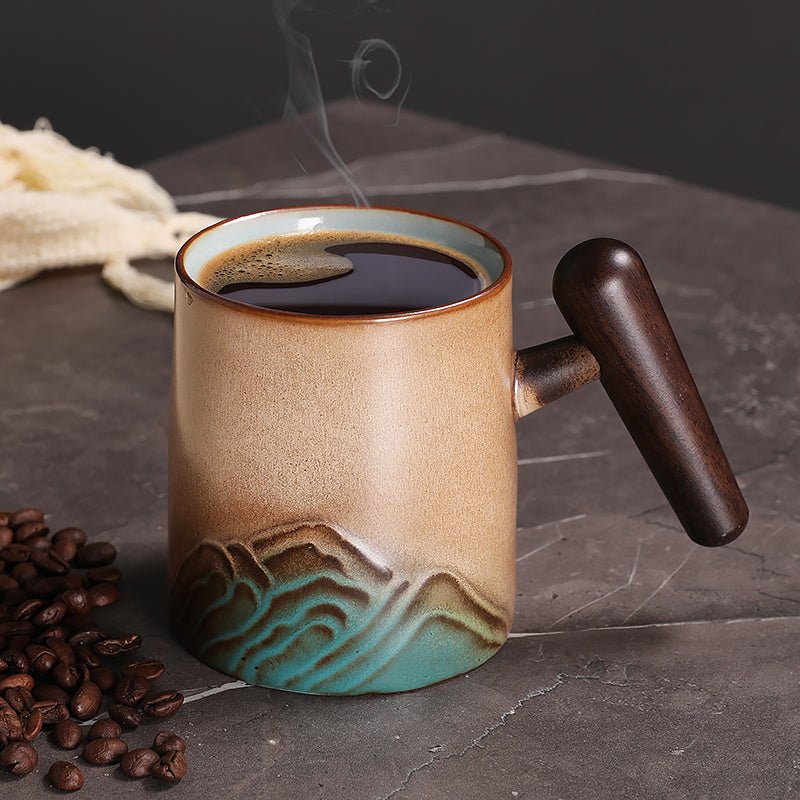
Clay Pottery Coffee Mugs Morning Routine Practical Purchase Checklist
Compare the current 200, 270 and 350 ml pottery mug choices against your real first pour, refill tolerance, coffee-maker clearance and cleanup habits.
Read more
affogato cup home office product shortlist guide: 3 desk routines
Compare CoffeifyMug's 170 ml Retro, 200 ml Pleated, and 270 ml Emerald options by home-office routine, listed capacity, and visible shape. See who should choose—or skip—each option before opening a...
Read more
Leave a comment
This site is protected by hCaptcha and the hCaptcha Privacy Policy and Terms of Service apply.