
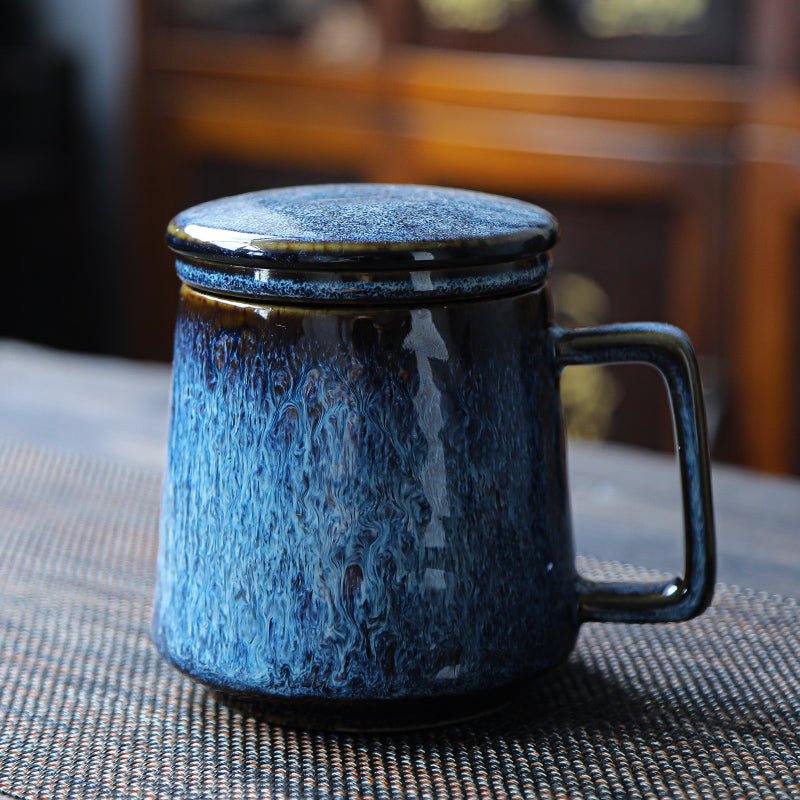
Ceramic sculptural mug morning routine product shortlist guide: 3 picks
Reading time: about 9 minutes
At 7:20 a.m., a mug can fail your routine in two ordinary ways: it runs dry before breakfast is finished, or it holds more coffee than you can drink at the temperature you prefer. This ceramic sculptural mug morning routine product shortlist guide starts with that timing problem, then compares three-dimensional form, usual drink volume, and your willingness to refill.
A ceramic sculptural mug morning routine product shortlist guide built around the clock
When we compare sculptural mugs in our store, the first question is not which silhouette looks most unusual. We ask how many minutes the buyer gives the first drink. A quick coffee before leaving home has different requirements from a mug that follows someone from the kitchen counter to an office desk.
Our unique coffee mugs collection provides the broader style context, while The Flow Coffee Tea Mug is the high-capacity reference in this three-product comparison at 400 ml. Starting with capacity helps prevent the most common mismatch: choosing the most appealing form and only later realizing that it requires an unwanted refill.
- Time the drink: Note the minutes between your first sip and the point when you leave, start work, or stop enjoying the temperature.
- Measure the real pour: Include milk, creamer, or the water added after an espresso shot.
- Set your refill tolerance: Decide if a second kitchen trip is welcome, acceptable, or disruptive.
Which capacity fits your usual pour: 250, 310, or 400 ml?
Use a measuring jug on an ordinary morning rather than estimating from the mug you already own. Measure the finished drink, including additions. A listed capacity is a useful comparison figure, but it should not be treated as the ideal working fill for every person. You need some headspace if you carry the mug past a laptop, climb stairs, or drink while moving around the kitchen.
| Listed capacity | Shortlist starting point | Main trade-off |
|---|---|---|
| 250 ml | Compact, quickly finished coffee or tea | Least room for a large pour or added milk |
| 310 ml | Medium morning serving with moderate headspace | May still require a refill during a long desk session |
| 400 ml | Longer drink or low refill tolerance | More liquid to carry and potentially more drink than a fast routine needs |
The arithmetic can settle close decisions. If your usual drink is 240 ml before adding milk, a 250 ml mug leaves almost no nominal margin, so 310 ml is the more practical starting point. A 12 US fl oz drink is about 355 ml, which points toward the 400 ml option among these three. Shoppers who usually think in ounces can use our 12 oz ceramic coffee mugs morning routine shortlist for a closer comparison of that size band.
Which mug fits three common morning scenarios?
Each recommendation below starts with the routine, explains why the mug fits, and identifies a reason to skip it. The shortlist is intentionally narrow.
Ball Handle 250 ml: a quick drink before leaving home
Reader situation: You make a compact coffee or tea, finish it with breakfast, and can easily refill on slower mornings. The Ball Handle Coffee Tea Mug is the smallest option at 250 ml, and its rounded sculptural handle places the three-dimensional detail at the point where the hand meets the mug.
Choose it because: Your measured pour sits comfortably below 250 ml, you want a sculptural element without committing to a large vessel, and a second cup is not a burden. Skip it because: Your drink approaches 250 ml before milk, you routinely make a 12 oz coffee, or you need one fill to last through a long first meeting.
Handbag 310 ml: a medium serving with a recognizable silhouette
Reader situation: Your breakfast lasts 15 to 20 minutes, your usual pour falls between a compact cup and a large desk mug, and you want the object itself to carry the visual idea. The Handbag Coffee Tea Mug has a 310 ml capacity and a purse-shaped silhouette, so its identity comes from three-dimensional form rather than surface artwork.
Choose it because: You want the middle capacity and a clearly themed shape that will also read immediately during a gift unboxing. Skip it because: The recipient prefers plain drinkware, your finished pour is close to 310 ml, or your tightly packed cupboard leaves little room for an unconventional profile. For more recipient-focused checks, see our coffee mug gift idea morning routine shortlist.
The Flow 400 ml: one fill for a longer kitchen-to-desk routine
Reader situation: You make the morning drink once, move to a desk, and would rather not interrupt the first work block for a refill. The Flow is the largest of the three at 400 ml and uses sculptural curves to create its three-dimensional profile.
Choose it because: Your measured pour exceeds the comfortable range of a 310 ml mug, or refill tolerance is low. It is also the strongest capacity candidate here for a longer tea session. Skip it because: You usually drink 150 to 200 ml, dislike carrying a larger liquid load, or sip so slowly that a full 400 ml serving cools before you finish. Tea buyers comparing this full capacity span may also find the 250-400 ml loose leaf tea mug shortlist useful.
How do three-dimensional curves change grip, storage, and cleaning?
A sculptural mug is not simply a standard cylinder with a printed illustration. The body or handle geometry creates the design, which means the form can affect how the mug occupies a shelf, sits near a keyboard, and moves through a washing routine. In our experience handling this category, these practical details deserve the same attention as capacity.
- Grip: Do not assume that sculptural automatically means ergonomic. Handle opening, finger position, and loaded weight still matter. If grip is a concern, check the current product photos and listed dimensions or ask our store before ordering.
- Liquid weight: The difference between the listed 250 and 400 ml capacities is 150 ml. For a water-like drink, that is roughly 150 g of additional liquid before accounting for the mug itself.
- Shelf clearance: Sculptural projections may prevent close nesting or stacking. Measure the available cabinet space and do not assume that an unusual silhouette stores like a straight-sided mug.
- Desk space: Give the mug a clear landing area away from a laptop, papers, and the counter edge. This matters most when the vessel is filled close to its listed capacity.
- Cleaning access: Curves and recesses need direct contact with a nonabrasive sponge or soft brush. Inspect those areas after rinsing so water or residue is not left behind.
A three-dimensional form is valuable if you enjoy the shape every time you reach for the mug. If you only want visual artwork and prefer conventional storage, a standard ceramic mug with a surface design may be the more practical purchase.
What should you check on delivery and during the first wash?
Ceramic needs a brief inspection before it joins a daily routine. Sculptural forms create more contours to examine than a plain cylinder, but the process only takes a few minutes.
- Inspect the drinking rim and handle junction: Use bright side lighting to look for chips or hairline cracks. Do not use a mug with damage at the rim or handle.
- Check the base on a level counter: Set the empty mug down and confirm that it sits securely without visible rocking. Contact the store before use if it arrived damaged or unstable.
- Complete a careful first wash: Use warm water, mild dish soap, and a nonabrasive sponge. Follow the sculptural contours with your fingers or a soft brush, then rinse and dry completely.
- Confirm appliance care: The word ceramic alone does not establish microwave or dishwasher suitability. Check the current product page or care information before making either appliance part of the routine.
- Avoid abrupt temperature changes: Do not take a refrigerator-cold ceramic mug and immediately fill it with boiling liquid. Gradual temperature changes reduce thermal stress.
If every weekday ends with a dishwasher cycle, appliance compatibility should be a checkout requirement rather than an assumption. The confirmed comparison points used here are form and capacity; a sculptural silhouette by itself is not proof of a particular production method, creator provenance, or special-edition status.
Who should skip a sculptural ceramic mug for the morning?
A sculptural mug is not the right tool for every drink or location. A different vessel will serve you better in several common situations.
- Commuting with a drink: Choose a travel mug with a confirmed lid and leak-resistant design.
- Drinking espresso or a small cortado: Use a smaller cup that matches the concentrated serving instead of leaving most of a 250 to 400 ml mug empty.
- Making large iced drinks: If ice and liquid regularly exceed 400 ml, shortlist a larger tumbler rather than forcing the recipe into these capacities.
- Stacking many mugs: Straight-sided, explicitly stackable drinkware is a better fit for a crowded office cupboard.
- Using a mug warmer: Confirm the base dimensions and contact area. A conventional flat-bottom vessel is the safer default if compatibility is not listed.
Frequently asked questions
Is a 250 ml sculptural mug too small for morning coffee?
Not if your finished drink sits comfortably below 250 ml and you finish it quickly. It is too small for a 12 oz serving or a drink that approaches 250 ml before adding milk because that leaves little nominal headspace.
Is a 400 ml ceramic mug always better if I dislike refills?
No. A 400 ml mug reduces refill pressure, but it also creates a larger serving to carry and finish. If you usually drink 200 ml or sip very slowly, the 310 ml or 250 ml option may fit the routine better.
Can ceramic sculptural mugs go in the dishwasher or microwave?
Do not assume appliance compatibility from the material category alone. Review the current care instructions for the individual mug before using a dishwasher or microwave, and hand wash with mild soap if the directions are not clear.
How should I use a ceramic sculptural mug morning routine product shortlist guide?
Measure the finished drink, time how long you normally take to finish it, and decide how much you dislike refilling. Then choose the smallest listed capacity that leaves practical headspace and compare the handle or body shape against your grip, shelf, and cleaning routine.
Your 60-second comparison before checkout
- Measure your normal finished drink, including milk or added water.
- Record how long it stays with you between the kitchen and your next task.
- Choose your refill tolerance: easy, acceptable, or disruptive.
- Start with 250 ml for a compact pour, 310 ml for the middle range, or 400 ml when the drink exceeds 310 ml or refill tolerance is low.
- Confirm storage clearance, grip expectations, and current care directions before ordering.
Used this way, the ceramic sculptural mug morning routine product shortlist guide becomes a practical decision tool rather than a style ranking. Start with Ball Handle for a compact serving, Handbag for a medium pour and purse-shaped statement, or The Flow for the largest capacity and fewer refill interruptions. Then compare those choices with the full unique ceramic mug collection before checkout.
Read more
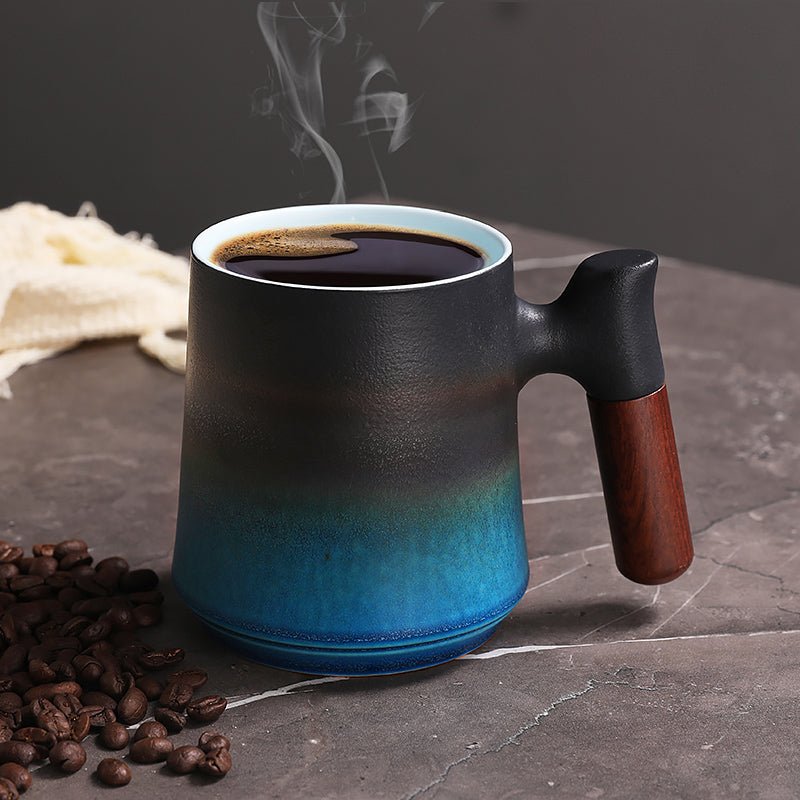
Ceramic Glazed Coffee Mugs Morning Routine Product Shortlist Guide
A practical shortlist for choosing ceramic glazed coffee mugs by morning timing, usual drink volume, refill tolerance, and style fit, with clear reasons to choose or skip each option.
Read more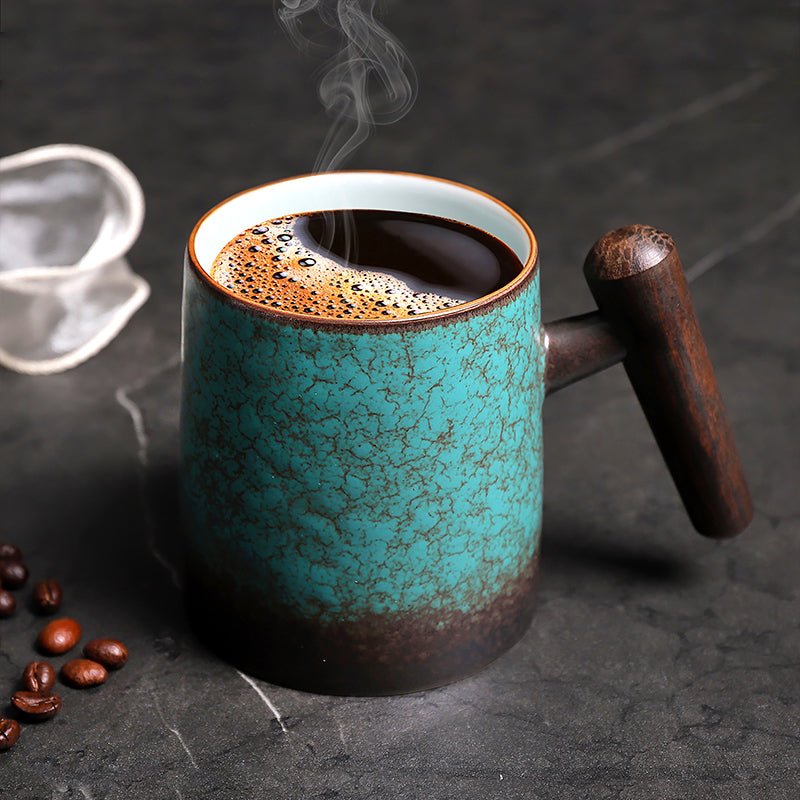
Americano Coffee Cup Compact Kitchen Product Shortlist Guide
A practical shortlist for choosing an americano coffee cup in a small kitchen, using capacity, cabinet headroom, counter habits, and realistic trade-offs instead of broad mug advice.
Read more
Leave a comment
This site is protected by hCaptcha and the hCaptcha Privacy Policy and Terms of Service apply.