
Ceramic Coffee Mugs With Large Handles: Morning Purchase Checklist
Reading time: about 10 minutes
At 6:45 a.m., a mug can fail for reasons that looked minor on a product page: the handle pinches a knuckle, the full cup feels awkward on the walk from kitchen counter to office desk, or the capacity forces a refill just as a call begins. Our ceramic coffee mugs with large handles morning routine practical purchase checklist starts with those ordinary frictions, not decoration alone.
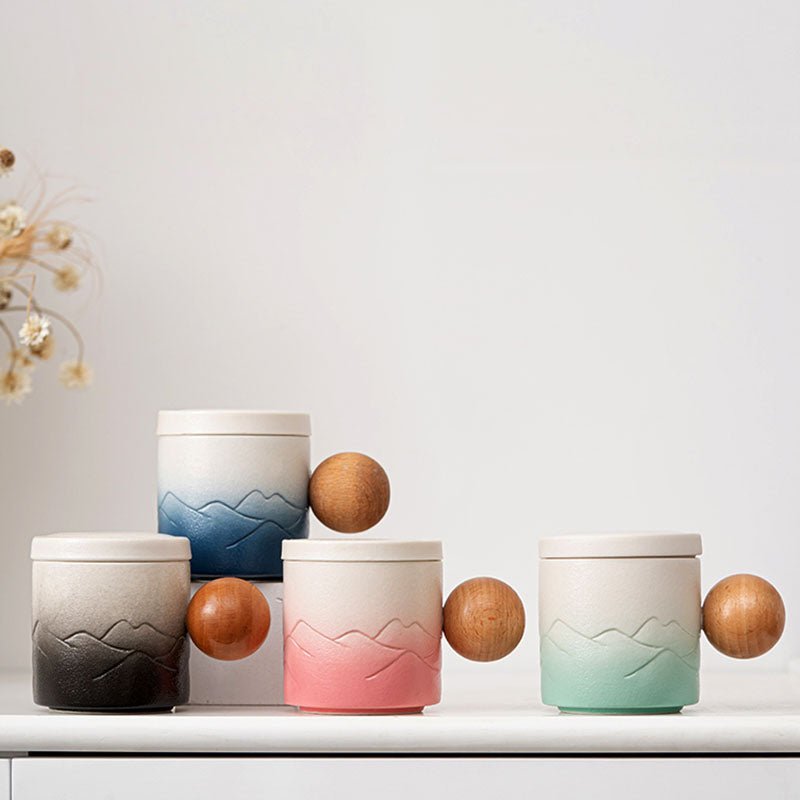
In our store, we separate a visually bold handle from a useful morning grip. Start with the Ball Handled Coffee Tea Mug as a concrete example of a named handle format, then keep the unique coffee mugs collection open for side-by-side comparison. Do not assume that a sculptural handle has four-finger clearance, or that a larger-looking body holds your usual pour with safe carrying room.
Your ceramic coffee mugs with large handles morning routine practical purchase checklist starts with the clock
A weekday mug is part of a timed sequence. Before comparing finish or color, write down what happens between starting the brewer and leaving the mug in the sink.
- First pour: Record the drink you make, including milk, cream, or water added after brewing.
- Carry path: Note stairs, narrow doorways, a laptop in the other hand, or a crowded breakfast counter.
- Refill window: Decide if one refill is acceptable or if it regularly interrupts work, school runs, or commuting.
- Cleanup deadline: Be honest about hand washing versus loading the dishwasher before leaving home.
Watch three normal mornings rather than one ideal weekend. For plain brewed coffee or tea, a kitchen scale offers a practical volume estimate: tare the empty mug, make your normal pour, and read the liquid weight as roughly the same number of milliliters because these drinks are mostly water. A measuring jug is more useful for foam-heavy drinks. The goal is not laboratory precision; it is avoiding a mug that misses your routine by a noticeable amount.
How much do you pour, and how many refills will you tolerate?
Shop by working volume, not the amount a vessel could hold if filled to the rim. You need headspace for carrying, stirring, milk, and the small tilt that happens while walking from the brewer to a desk.
| Morning pattern | Shortlist rule | Trade-off to accept |
|---|---|---|
| One uninterrupted drink | Prioritize enough working capacity for the measured pour plus carrying room. | A larger mug occupies more cabinet space and weighs more when full. |
| Refill beside the kettle | A smaller vessel may be easier to handle if the second pour is convenient. | You will return to the kitchen sooner. |
| Milk, cream, or ice added | Measure the finished drink rather than the brewer output alone. | Extra capacity may produce a wider or taller body. |
| Walk to another room | Leave more headspace and consider total filled weight. | Maximum capacity may be less useful than controlled carrying. |
If your normal pour is 300 mL, a nominal 300 mL listing may place the liquid too close to the rim. Unless a product page defines how capacity was measured, treat that figure as a screening number rather than guaranteed usable volume. Shoppers with zero refill tolerance should favor confirmed working capacity; shoppers happy to refill once can give more weight to balance, storage, and heat retention.
Does the handle fit your fingers after the mug is full?
Large is not a single measurement. We examine five parts of the usable handle aperture before calling a mug comfortable for a particular hand.
- Internal width: The side-to-side room inside the handle, not its outer measurement.
- Internal height: The narrowest vertical clearance between the upper and lower joins.
- Handle thickness: A thick section spreads pressure differently from a thin, sharp-edged section.
- Projection: The distance the handle extends from the mug body, which affects balance and storage width.
- Join shape: A tight upper join can press the index finger even when the middle of the opening looks generous.
Measure a mug you already like and note how many fingers you actually place through its handle. Four-finger clearance is not automatically better. A handle that projects farther from the body creates more leverage, and a 350 mL water-like drink adds about 350 g before the mug's own weight. For some shoppers, a stable two- or three-finger grip close to the body feels more controlled than holding a full mug at the far edge of an oversized loop.
Which CoffeifyMug pages answer the handle question you actually have?
These pages are not ranked as universal winners. Each belongs on a shortlist for a different reader situation, with specific details still to verify on the live page.
| Reader situation | Why the page fits the comparison | What to verify before checkout |
|---|---|---|
| You prefer a distinct external grip instead of relying on a narrow loop. | The Ball Handled Coffee Tea Mug explicitly identifies a ball-handled format, so it directly addresses that grip style. | How the hand wraps around it, body material, current dimensions, capacity, and care directions. |
| You specifically want a wood-accented handle and accept the extra questions raised by mixed materials. | The Mountain & Sea II Coffee Tea Mug With Wooden Handle names the wooden handle in the product title. | Handle attachment, immersion guidance, dishwasher and microwave status, overall width, and listed volume. |
| You want a third coffee-and-tea mug to compare after setting your own measurements. | The Flow Coffee Tea Mug provides another live product page for checking body shape and handle clearance against your target. | Do not infer large-handle fit from the name; confirm it through current images, dimensions, and specifications. |
| None of the individual pages resolves your grip, capacity, and care requirements. | The CoffeifyMug unique mug collection broadens the comparison without changing your checklist. | Keep only options that answer the same measurement and care questions. |
We deliberately do not assign exact capacity, dimensions, ceramic subtype, or appliance compatibility from a product name alone. Product information can change, and the current page should be the final source for those facts. A ball handle, wooden handle, and conventional loop also create different grip mechanics; they should not be treated as interchangeable merely because each looks prominent.
Will the mug fit your brewer, cabinet, dishwasher, and sink?
Ceramic is a broad category that can include porcelain, stoneware, and other fired-clay bodies. That label by itself does not establish dishwasher or microwave compatibility because glaze, decoration, and attached materials also matter.
- Brewer clearance: Measure from the drip tray to the spout and compare it with the mug's external height. Check the base diameter if your machine has a small tray.
- Cabinet space: Use overall width, including the handle. A mug body may fit the shelf while the projecting handle blocks the door or wastes the space beside it.
- Dishwasher and sink: A projecting handle can catch rack prongs or hit a metal faucet. For wood or another attached material, follow the live care directions; if they are unclear, hand wash without prolonged soaking and dry promptly.
- Microwave use: Only treat a mug as microwave-safe if the product page says so. A ceramic body alone does not settle the question when other materials or decorative details are present.
- Temperature changes: Avoid abrupt extremes such as taking a freezer-cold ceramic mug directly to boiling liquid. Thermal shock can expose an existing weakness or cause cracking.
- Desk protection: Check the foot ring for roughness and use a coaster if needed, especially on wood, painted, or polished work surfaces.
A mug that handles one quick rinse has not answered how it will fare through repeated dishwasher cycles. Follow the stated care method, and use our daily-use trade-offs for ceramic coffee mugs with large handles if you want to examine ownership beyond the first morning.
What should you inspect before the first pour or gift handoff?
Gift unboxings and first washes are the right time to catch practical problems. Inspect the dry mug under strong side light before adding coffee.
- Handle-body junctions: Look for a hairline extending from either attachment point into the body.
- Rim: Check for a chip, sharp glaze burr, or rough patch where the lips contact the cup.
- Base: Set the mug on a flat counter and confirm that it does not rock enough to threaten a full drink.
- Foot ring: Feel carefully for an unusually abrasive unglazed edge that could mark a desk.
- Separate handle parts: Check a wood or other attached handle for movement, open gaps, or an unclear cleaning method.
- Care information: Recheck the product page before the first dishwasher or microwave cycle rather than relying on assumptions about ceramic.
Fine lines in a glaze can sometimes be an intentional crackle effect, so compare them with the product imagery. A single line that appears to penetrate the body, a loose handle, or a sharp rim deserves a pause. Photograph the concern before washing or use and contact our team so the condition is documented clearly.
Which trade-off matters least in your real morning?
No mug maximizes capacity, low weight, compact storage, easy cleaning, and generous hand clearance at the same time. Let the least troublesome compromise decide the shortlist.
- Zero-refill mornings: Favor confirmed working volume and accept some extra filled weight and cabinet space.
- Crowded desks: Base stability may matter more than the largest handle. Compare the decision with our ceramic wide-bottom mug morning checklist.
- Cappuccino routines: Finished drink volume, rim shape, and room for foam may lead to a smaller format; our cappuccino mug morning purchase checklist covers that use case.
- No hand washing: A simple ceramic construction with explicitly stated dishwasher care may suit you better than a wooden-handle design.
- Tight cupboards: A moderately sized loop can be more practical than a handle that adds substantial overall width.
- Commuting by car or bag: An open ceramic mug with a large handle is not a substitute for a lidded travel tumbler and may not fit a cup holder.
For a gift, run the recipient's routine instead of your own. Their usual drink volume, preferred finger position, office setup, and willingness to hand wash matter more than how the mug looks during the unboxing.
Frequently asked questions
What does this ceramic coffee mugs with large handles morning routine practical purchase checklist prioritize?
It prioritizes morning timing, measured drink volume, refill tolerance, usable handle clearance, and the care and storage burden. Those variables reveal whether a mug will work at 7 a.m., not merely whether it looks appealing online. Product-specific capacity and care claims should still be confirmed on the live page.
How large should a mug handle opening be for four fingers?
There is no universal measurement because finger width, grip position, handle thickness, and mug weight vary. Measure the internal height and width of a handle you already find comfortable, then compare those figures with the candidate mug. Outer handle dimensions do not tell you the usable opening.
Can a ceramic mug with a wooden handle go in the dishwasher or microwave?
Only if the current product instructions explicitly allow that appliance. A wooden handle creates a mixed-material construction, so care guidance for a one-piece ceramic mug should not be transferred automatically. If directions are unclear, hand washing and prompt drying are the conservative choices, and microwave use should wait for confirmation.
How do I compare listed mug capacity with my normal morning pour?
Measure the finished drink, including milk or other additions, then leave carrying headspace rather than matching it to a brimful figure. If your measured pour nearly equals the listed capacity, the mug may feel overfilled in real use. Decide at the same time if one refill would be less troublesome than buying a heavier vessel.
Is a ball handle the same as a large loop handle?
No. A loop is judged partly by its internal finger clearance, while a ball handle uses a different external grip and pressure pattern. Inspect the live product images and dimensions to decide which hand position matches your routine.
A 60-second checkout check
- Measure the finished drink you make on an ordinary weekday.
- Confirm enough working capacity for that pour and safe headspace.
- Choose your acceptable refill count: zero, one, or more.
- Compare the internal handle opening with a mug you already like.
- Account for beverage weight, carry distance, and stairs or doors.
- Verify brewer clearance, cabinet width, and stated care instructions.
- Leave any product with unresolved material, dimension, or appliance questions off the shortlist.
If an answer is still unknown, do not fill the gap with an assumption. Reopen the relevant product page, then compare only confirmed options in our unique coffee mugs collection; the right morning mug is the one that passes your measured pour, grip, care, and storage checks before checkout.
Read more
Coffee Mugs Unique Shape Morning Routine Practical Purchase Checklist
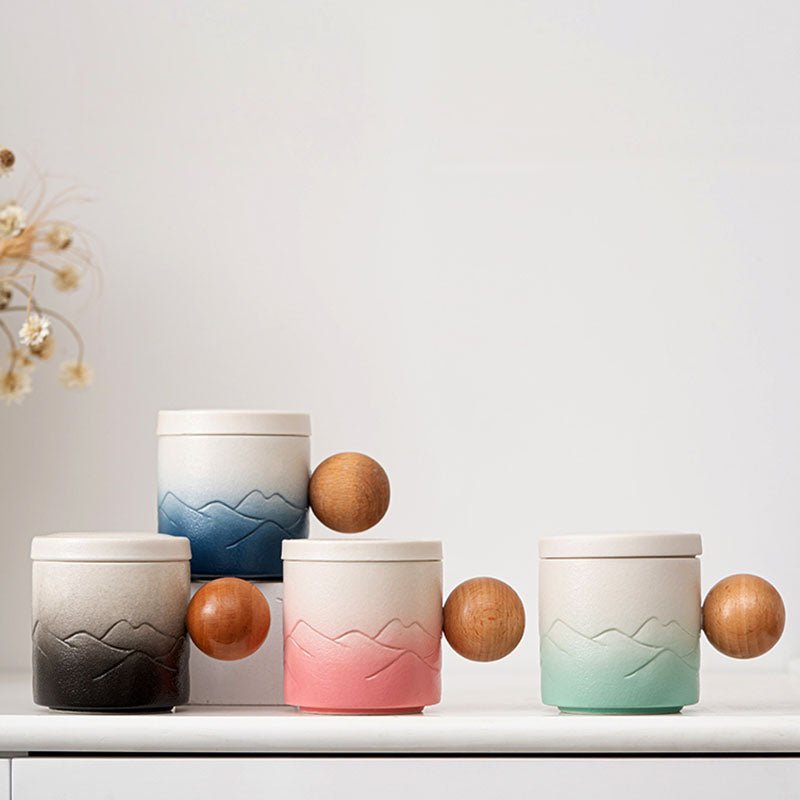
Use morning timing, measured drink volume, refill tolerance, grip, counter clearance, and care instructions to compare CoffeifyMug's handbag, rhombus, and ball-handled mug styles.
Read more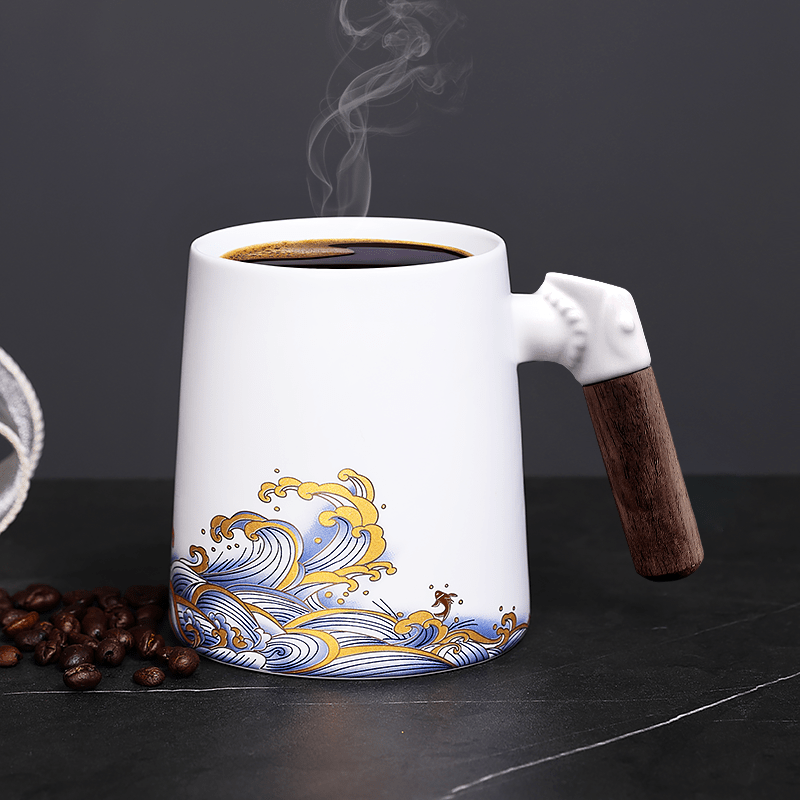
Coffee Mug Wedding Gift Morning Routine Practical Purchase Checklist
Measure the couple's real pour, morning timing, refill tolerance, machine clearance, and care habits before choosing. This checklist compares three CoffeifyMug styles without guessing at unlisted s...
Read more
Leave a comment
This site is protected by hCaptcha and the hCaptcha Privacy Policy and Terms of Service apply.