
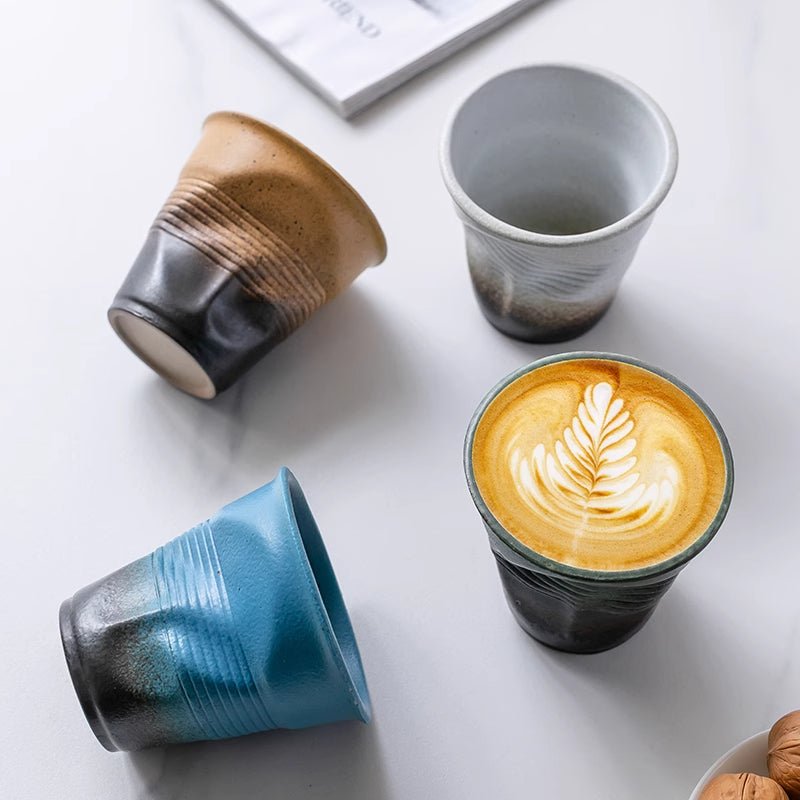
Breakfast Coffee Cup for Small Coffee Setup: Compare Before Buying
Reading time: about 9 minutes
The cup that feels right at a large kitchen table can become the item that crowds a narrow counter, fills the only open cabinet shelf, or makes a quick breakfast coffee feel oddly oversized. For a breakfast coffee cup for small coffee setup, the useful comparison is not just appearance. It is the relationship between listed capacity, the cup's physical footprint, your usual pour, and how often you are happy to refill before leaving home.
In our store, we see compact-space shoppers make the same practical choice in different ways: some want a smaller cup that keeps the breakfast tray tidy, while others would rather dedicate more shelf room to one taller mug and avoid a second pour. The verified capacities in this group are clear: Retro is 170 ml, Pleated is 200 ml, and Landscape Tall is 350 ml. Those numbers give a better starting point than calling every option a general-purpose coffee cup.
How much coffee should a breakfast cup hold: 170 ml, 200 ml, or 350 ml?
Capacity changes the rhythm of breakfast. A 170 ml cup supports a smaller serving and a deliberate refill. At 200 ml, you gain a little more room without moving into a tall-mug serving. A 350 ml mug is the choice for a larger morning pour, but it is not automatically the most efficient use of a compact shelf.
| Option | Listed capacity | Best fit at breakfast | Trade-off to consider |
|---|---|---|---|
| Retro Coffee & Tea Cup | 170 ml | Short coffee, tea, or a breakfast routine where a refill is normal | Not ideal for shoppers who want one large coffee before commuting |
| Pleated Coffee & Tea Cup | 200 ml | A moderate serving with a little more flexibility than a small cup | Still may require a refill for a long desk-bound morning |
| Landscape Tall Coffee & Tea Mug | 350 ml | A fuller coffee or tea serving with fewer refill trips | Taller storage can be less forgiving in a low cabinet or on a crowded tray |
Do not treat a stated capacity as the amount you must pour. Most buyers leave headroom so the cup is easier to carry from counter to table and less likely to slosh when breakfast is rushed. If milk is part of the usual drink, that headroom matters even more. A cup selected only for the coffee volume can feel undersized once you add milk, foam, or a tea bag.
For a compact espresso-based routine, our comparison of a flat white cup for a small coffee setup is useful context: a small serving cup and a breakfast cup solve different problems. Choose the breakfast format based on the finished drink you actually carry to the table, not the size of the brewing vessel.
Which cup takes the least room on a breakfast table and cabinet shelf?
Capacity is measurable; footprint must be checked from the product listing and against the space you have. Before buying, measure the shelf height, the open width beside your coffee maker, and the depth of the tray or placemat where the cup will sit. A taller mug can fit a generous serving while still needing more vertical clearance. A lower cup may be easier to store beneath a shelf, but a wide profile can take more table area beside a plate.
We recommend checking three physical points rather than estimating from a product photo:
- Cabinet clearance: Measure from the shelf surface to the shelf above, allowing space to lift the cup out without scraping it.
- Counter lane: Mark the area between the coffee maker, sugar container, and wall. This is the working zone where a cup is repeatedly picked up and set down.
- Breakfast place setting: Put a plate, spoon, and existing cup on the table or tray. This shows whether a new cup will force items into an awkward arrangement.
The Retro Coffee & Tea Cup is the 170 ml option for shoppers whose priority is a smaller morning serving and a compact-looking place setting. It makes sense where counter staging is tight and a second pour is welcome. It is not the strong fit for someone who routinely prepares a large coffee and expects to drink it over an hour.
The 200 ml Pleated Coffee & Tea Cup is a practical middle choice for buyers who find 170 ml restrictive but do not need a 350 ml serving. It gives more room for a moderate coffee or tea without asking you to commit to the tallest-capacity option. Check its listed product dimensions against the shelf, as the number of milliliters alone does not define its width or height.
Is one large 350 ml mug better than keeping smaller breakfast cups?
A larger cup reduces refills, which is valuable in a one-person morning routine, at a home office desk, or when the coffee maker is tucked into a small corner. The Landscape Tall Coffee & Tea Mug holds 350 ml, so it is the clear option here for a fuller coffee or tea serving. Pair it with a setup where the cupboard has enough height and the desk or table has a stable, uncluttered landing spot.
That convenience has limits. A tall 350 ml mug is not necessarily the best breakfast cup for someone who likes short, freshly poured coffee, shares limited shelf space with multiple people, or finds a large vessel too substantial for a small table. Larger capacity also does not make a drink stay at the preferred temperature indefinitely. If you take a long time to finish coffee, consider whether you value a fresh refill more than a single large pour.
Smaller cups can be the better storage strategy when two people use the same compact setup. Two modest servings may fit the routine better than one oversized mug that is always in use or difficult to place. Buyers comparing a wider form factor can also review our guide to wide-bottom coffee mugs for small coffee setups; width and stability are worth considering separately from capacity.
How should a breakfast cup fit your coffee, tea, and refill habit?
Start with the drink, then work backward to the cup. A 170 ml choice is appropriate for a smaller black coffee, tea, or a routine that includes a second pour. A 200 ml cup offers a modest increase for coffee with milk or a more generous tea serving. The 350 ml Landscape Tall option is better aligned with a larger brewed coffee or tea you intend to take to a desk.
Use this quick decision sequence before adding a cup to a small setup:
- Make your usual breakfast drink once and note how much room you need for milk and comfortable carrying headroom.
- Decide honestly whether one refill is convenient or annoying on a weekday.
- Measure the actual shelf and counter space, not only the gap you think is available.
- Compare the product listing's dimensions and care information before purchase.
- Choose the cup whose capacity matches your normal serving, rather than routinely overfilling or underusing it.
For shoppers building around a larger everyday coffee, our 12 oz ceramic coffee mugs for small coffee setups article provides a useful adjacent comparison. A 12 oz format is different from the 350 ml Landscape Tall listed here, so check the stated capacity rather than assuming similarly described mugs hold the same amount.
What should you check before putting a cup into daily rotation?
Morning cups experience repetitive handling: a quick rinse after breakfast, contact with spoons, placement near the sink, and frequent movement between cabinet and counter. We advise shoppers to read the current product-page care instructions for the exact item they choose. Do not assume dishwasher or microwave suitability from the product category, a photograph, or another cup you own.
For everyday use, a few handling habits make a practical difference. Avoid thermal shock by not moving a cold cup directly into very hot water or immediately rinsing a hot cup under cold water. Keep abrasive scouring tools away from decorative surfaces. During delivery unboxing, inspect the rim, handle area if present, and base before first use; a chipped rim or a rough, unstable base is a reason to contact the seller rather than place the cup into service.
Gift buyers should also resist choosing only by visual style. A 350 ml mug can be thoughtful for someone who drinks a full desk-side coffee, while a 170 ml or 200 ml cup is more suitable for someone who prefers smaller servings or has limited kitchen storage. The recipient's refill preference is usually a more reliable guide than guessing from their countertop decor.
Where should you go after comparing the breakfast cup sizes?
Choose Retro if a 170 ml serving and a smaller breakfast ritual match your space. Choose Pleated if 200 ml better fits your normal drink without moving to the largest capacity. Choose Landscape Tall if a 350 ml pour and fewer refills matter more than compact vertical storage. For additional styles, compare the current unique coffee mugs collection with a tape measure beside your cabinet shelf and your usual breakfast cup in hand.
Before checking out, confirm the listed capacity, product dimensions, care guidance, and the amount you actually pour on a weekday. That short comparison is more useful than buying a cup that looks small-space friendly but does not suit your drink.
Frequently asked questions
What size breakfast coffee cup is best for a small coffee setup?
The best size depends on your usual pour and refill tolerance. The 170 ml Retro suits smaller servings, Pleated offers 200 ml for a moderate drink, and Landscape Tall provides 350 ml for buyers who want a fuller serving. Measure your shelf and compare the current item dimensions before deciding.
Is a 350 ml mug too large for a compact kitchen?
Not necessarily. The 350 ml Landscape Tall Coffee & Tea Mug can reduce refills, but it may require more vertical storage clearance than a smaller cup. It is less suitable if low cabinet shelves or a tight breakfast tray are the main constraint.
Should I choose 170 ml or 200 ml for coffee with milk?
Choose based on the finished drink, including milk and some carrying headroom. The 200 ml Pleated Coffee & Tea Cup gives more room than the 170 ml Retro, while still remaining a moderate-capacity choice. Neither is intended to replace a 350 ml mug for shoppers who want a large breakfast coffee.
How do I measure a breakfast coffee cup for a small coffee setup before buying?
Measure cabinet height, available counter depth, and the table or tray area beside your breakfast plate. Then compare those measurements with the product page's listed dimensions, paying attention to the cup's widest point and height. Capacity tells you how much it holds; dimensions tell you whether it fits your setup.
Can I assume a coffee cup is dishwasher safe?
No. Check the care instructions on the specific product page before purchase and follow those directions after delivery. Product type and appearance alone do not confirm dishwasher or microwave suitability.
Read more
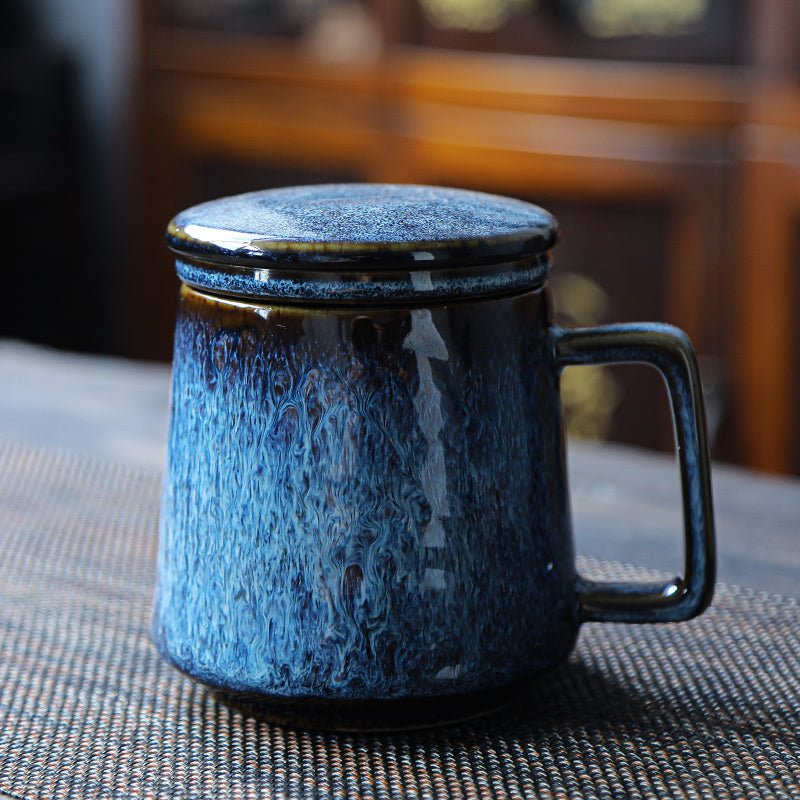
Abstract Coffee Mug for Small Coffee Setup: Size and Style
Compare abstract coffee mug options for compact counters, shelves, and desks. See how 250 ml and 400 ml capacities, visual form, storage needs, and care details affect the right choice.
Read more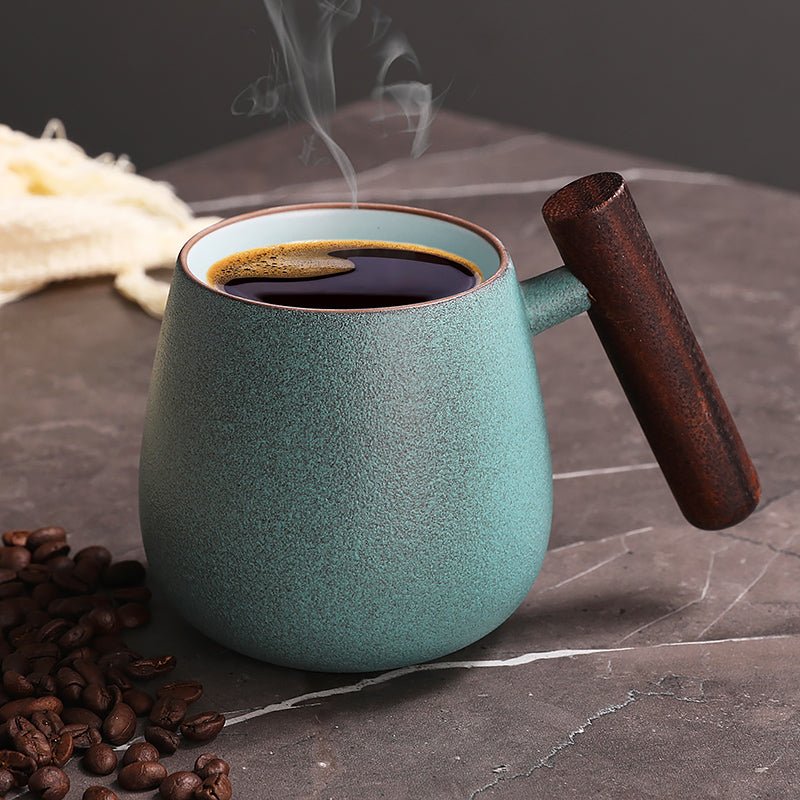
Green Ceramic Coffee Mugs for Small Coffee Setup
Compare green ceramic coffee mugs for a compact kitchen, desk, or coffee shelf with practical checks for footprint, capacity, handle clearance, care, and the current CoffeifyMug choices.
Read more
Leave a comment
This site is protected by hCaptcha and the hCaptcha Privacy Policy and Terms of Service apply.