
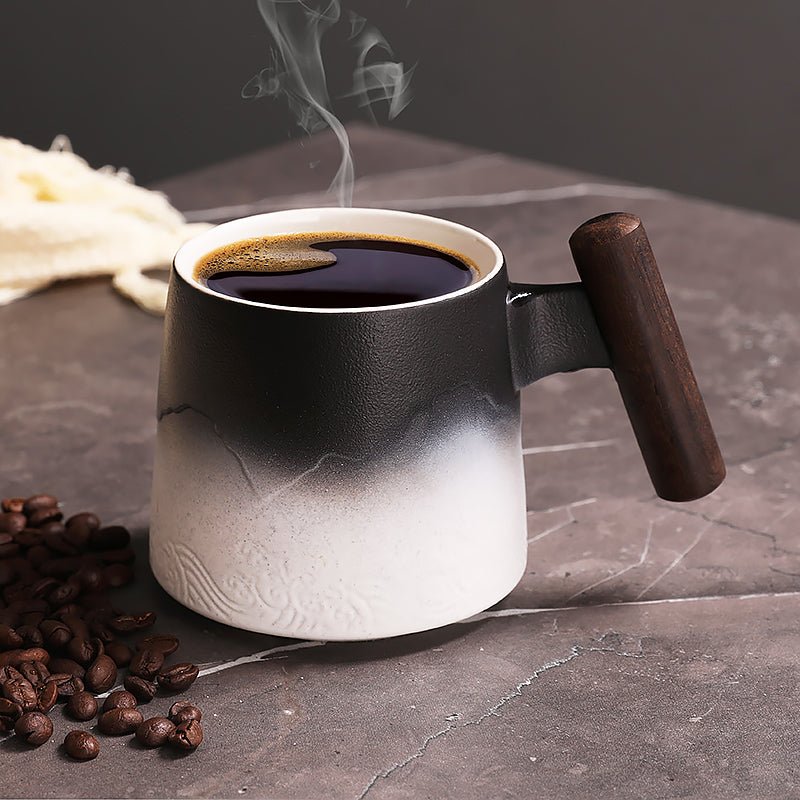
Best Thermal Insulated Coffee Mug: What to Buy Before You Order
Reading time: about 9 minutes
A mug can look perfect on a product page and still fail on a kitchen counter. The usual complaints are familiar: coffee cools too quickly at a desk, a lid dribbles into a bag, or the finish starts to look rough after a few dishwasher cycles. That is why we treat the best thermal insulated coffee mug as a set of trade-offs, not a style contest.
At CoffeifyMug, we see the same buying mistakes repeat. People choose the wrong size, ignore the lid design, or assume every insulated mug behaves like a travel tumbler. In our experience, the mugs that stay in daily rotation are the ones that match the routine first: desk, commute, gift, or kitchen use.
If you want the broader comparison behind this topic, our guide on Best Insulated Coffee Mug: What to Check Before You Buy covers the baseline checks we use before we recommend anything.
What actually makes a thermal insulated coffee mug worth buying?
The short answer is build quality. A good thermal mug usually starts with an 18/8 stainless steel body, double-wall vacuum insulation, and a lid that seals consistently around the drinking opening and gasket. Those three parts do most of the real work.
The body should feel solid without being overly heavy. If the outside warms up quickly after you pour hot coffee, the insulation is not doing enough. If the lid flexes, rattles, or sits unevenly, you will feel that weakness the first time the mug tips in a tote or the coffee sloshes on a commute.
Size matters more than many buyers expect. A 12 oz to 16 oz mug is usually easier to live with at a desk, while 16 oz to 20 oz makes more sense if you want fewer refills or you drink longer over a commute. Bigger is not automatically better. A large mug can be awkward on a small desk and too wide for some car cup holders.
We also look closely at the lid and seal because that is where cheap mugs fail first. A good lid should remove and reinstall without forcing it, and the gasket should sit flat instead of twisting every time you wash it. If a lid is hard to align after cleaning, customers usually stop using it correctly.
We look for mugs that still feel normal to use after the third refill, not just the first pour.
Which mug style fits your daily routine best?
The right mug depends on where it spends most of the day. A desk mug, a commuter mug, and a gift mug are not the same purchase. That is why we separate use cases before we talk about aesthetics.
- Desk use: Choose a stable base, a comfortable sip lid, and a size that fits under a cabinet or beside a keyboard. A handle is useful here if you want an easy grip between meetings.
- Commute use: Prioritize a tighter lid, a narrower base for cup holders, and a shape that slides into a backpack side pocket without fighting the fabric. If this is your main use, our article on Best Insulated Coffee Mug Travel: What to Buy and What to Skip is the better starting point.
- Handle-first use: If you sip slowly at home or at work, a handle can improve comfort. If that sounds like your setup, compare the points in Best Insulated Coffee Mug with Handle: What Buyers Should Check.
- Gift use: Neutral finishes, simple shapes, and easy care usually win. A mug that looks good on a desk but is annoying to clean will not stay a favorite for long.
If you are still undecided, start by asking one simple question: will this mug spend more time stationary on a desk or moving through the day? That answer narrows the field fast.
Which details separate a good mug from a frustrating one?
We compare the same small details every time because they tell you how the mug will behave after the unboxing moment. This is where the useful differences show up.
| Feature | What to check | Why it matters |
|---|---|---|
| Body material | 18/8 stainless steel is the standard we prefer for everyday use. | It resists flavor transfer better than many lower-grade materials and holds up to regular washing. |
| Insulation | Double-wall vacuum construction should be the baseline. | It helps keep the exterior comfortable to hold and slows heat loss better than single-wall cups. |
| Lid | Look for a lid that seats cleanly and has a gasket that stays in place. | Most leaks and drips come from poor lid fit, not from the steel body. |
| Care | Check whether the body is dishwasher safe and whether the lid should be hand washed or top-rack only. | Lids usually wear out faster than the mug itself if they are cleaned aggressively. |
| Shape | Measure the base diameter if you use a car holder or narrow desk tray. | A mug that is too wide becomes annoying every day, even if it performs well. |
For daily use, these details matter more than a flashy finish. A powder-coated exterior can feel better in hand, but it can also show chips if it gets knocked around in a sink or against office hardware. A brushed steel finish can hide minor scuffs, but fingerprints may be more visible. There is no perfect finish, only the one that suits your habits.
Our broader buying checklist in Insulated Coffee Mug Buying Guide: What to Check Before You Buy goes deeper on these trade-offs if you want to compare specs side by side.
Which trade-offs should you expect before you buy?
Good thermal insulation solves one problem and creates a few others. That is normal. The key is knowing which limitations matter to you before the mug arrives.
- It is not a microwave mug. Stainless steel should not go in the microwave, so if you like reheating coffee in the cup, this category is the wrong fit.
- It is not a thermos replacement for all-day heat. A thermal coffee mug is usually best for a few hours of comfortable drinking, not for leaving coffee sealed until late afternoon without opening it.
- It is not always the best bag-carry option. If the mug rides inside a backpack or briefcase, lid security matters more than handle comfort.
- It is not ideal for carbonated drinks. Pressure and sip-lid design do not mix well with fizzy beverages.
- It is not the easiest option for soups or thick drinks. A narrow sip lid is built for coffee first, not for chunky or sticky contents.
The biggest real-world frustration we hear about is lid behavior after repeated washing. The lid may seem fine on day one, then start to feel loose, squeak, or hold water around the gasket after a few dishwasher cycles. That is why care instructions matter. If the maker says to hand wash the lid, we take that seriously. The body may survive the dishwasher better than the moving parts.
If you are choosing strictly for commuting, the travel-focused guide above is the right companion piece. If you are choosing for a home desk and want a comfortable grip, the handle article is more useful.
How do we compare options in our store?
We compare mugs the same way a shopper uses them: on a counter, beside a laptop, during a refill, and after cleaning. That practical lens catches the problems that product photos do not show.
We pay attention to how the lid closes after washing, whether the gasket seats properly, whether the rim feels comfortable on a first sip, and whether the shape is friendly to cup holders. We also pay attention to the small annoyances that can ruin a good mug over time, such as a finish that scratches too easily or a lid that is difficult to align with one hand.
If you want to browse what we currently carry, start with our products page or open the full range in our collection. That is the fastest way to compare shapes, lid styles, and finishes without guessing from a single photo.
Our store approach is simple: we would rather help you buy once than sell you a mug you tolerate for three weeks and then leave in a cabinet.
Frequently asked questions
How do I choose the best thermal insulated coffee mug for everyday use?
Start with your routine. For desk use, a 12 oz to 16 oz mug with a comfortable sip lid is usually easiest to live with. For commuting, prioritize lid security and cup-holder fit first, then choose the size and handle style that match your carry method.
Are insulated coffee mugs dishwasher safe?
Many stainless steel bodies are dishwasher safe, but the lid is the part you need to check carefully. If the maker says top-rack only or recommends hand washing the gasket, follow that guidance. That is the easiest way to avoid warped lids and loose seals.
Is a mug with a handle better than one without a handle?
A handle is better if you mostly use the mug at a desk, at home, or during slow sipping. A no-handle mug is usually easier to pack, fits more cup holders, and takes up less space in a bag. The better choice depends on where you use it most.
What size thermal insulated coffee mug is best for coffee?
For most people, 12 oz to 16 oz is the sweet spot for a daily coffee mug. Go larger if you want fewer refills, add milk or ice, or take a longer time to finish your drink. Go smaller if you want a mug that stays compact on a crowded desk or in a small cup holder.
Can I use an insulated coffee mug for iced drinks too?
Yes. Double-wall stainless steel mugs work well for iced coffee because they slow condensation and help keep the cup exterior dry. Just make sure the lid opening suits your drink style, since some sip lids are better for hot coffee than for thicker iced drinks.
What should you check before you order?
- Pick the main use case first: desk, commute, gift, or home.
- Check the body material and insulation type. We prefer 18/8 stainless steel with double-wall vacuum construction.
- Review the lid design and gasket fit. This is where leaks and drips usually start.
- Confirm the size against your actual routine, not just the number on the label.
- Read the care instructions for both the mug body and the lid separately.
- Decide whether you want a handle, because that choice changes storage, cup-holder fit, and daily comfort.
If you want the simplest next step, compare the mugs in our products page against this checklist, or browse the full collection if you want to see every style in one place. That is usually the fastest way to find the best thermal insulated coffee mug for your routine without overbuying the wrong shape.
More from our blog
Read more
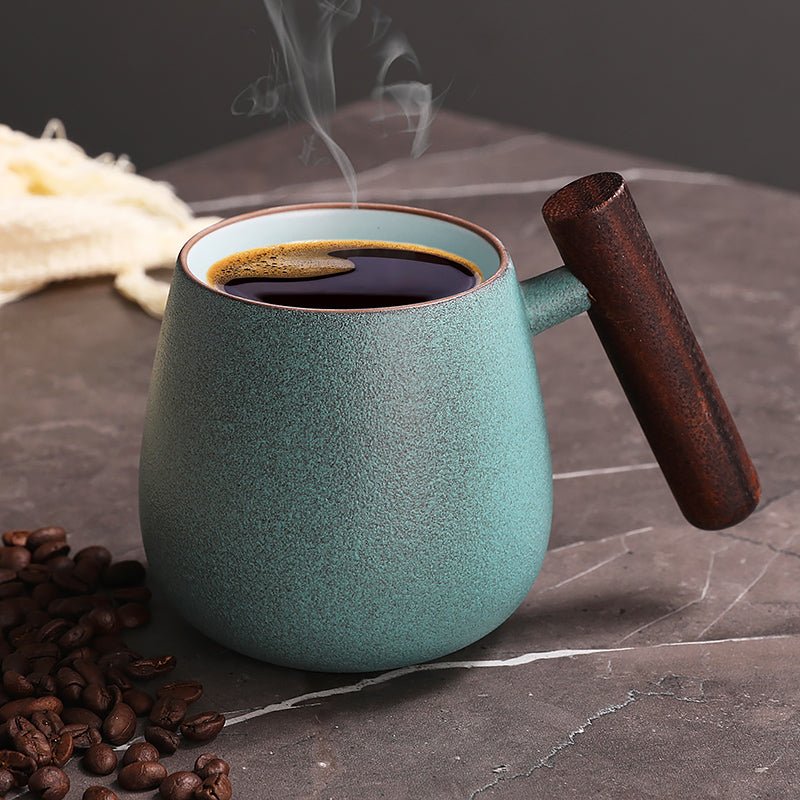
Travel Mug Coffee: What to Check Before You Buy
A practical guide to travel mug coffee choices that fit commuting, office desks, and gifting. We cover materials, lids, cleaning, common failure points, and when a different style is the better buy.
Czytaj dalej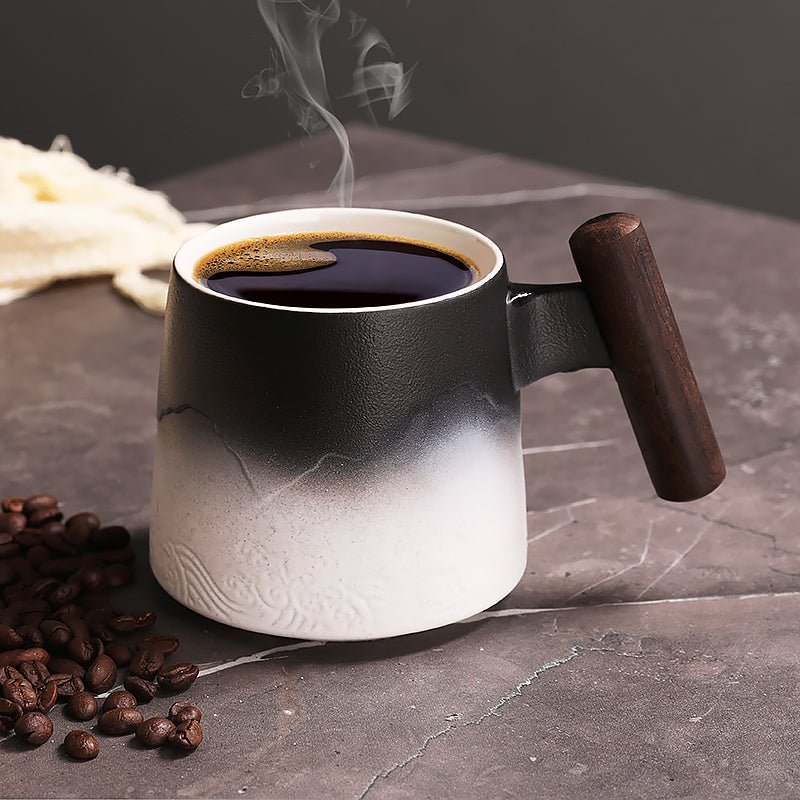
Coffee Thermos Mug: Size, Lid, and Cleaning Checks Before Buying
A coffee thermos mug should hold heat, seal cleanly, and fit the way you actually drink. We break down the checks we use in our store so you can match size, lid style, and cleaning effort to your r...
Czytaj dalej
Zostaw komentarz
Ta strona jest chroniona przez hCaptcha i obowiązują na niej Polityka prywatności i Warunki korzystania z usługi serwisu hCaptcha.