
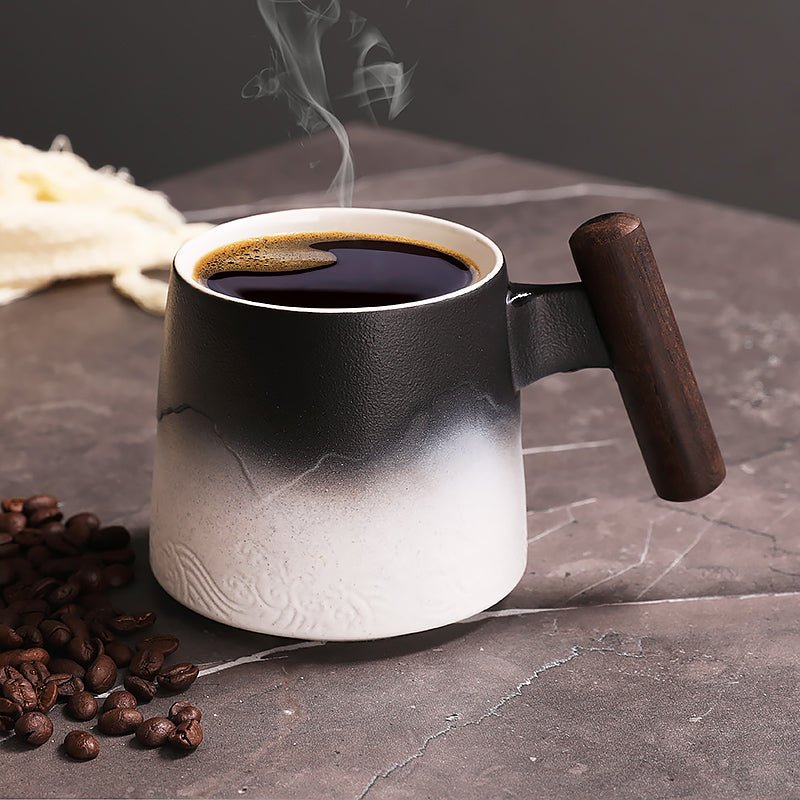
Best Coffee Portable Mug: What to Compare Before You Buy
Reading time: about 10 minutes
A mug that leaks once in a backpack usually gets demoted fast. We see that all the time: a shopper wants the best coffee portable mug for a morning commute, but the real test is not how it looks on a shelf. It is whether the lid stays put in a tote, whether the body fits a car cup holder, and whether the coffee still tastes right by the time the meeting starts.
At CoffeifyMug, we handle these decisions every day in our store. The best choice is rarely the fanciest one. It is the mug that matches how you actually drink coffee: at a desk, in the car, on a train, between school drop-off and work, or as a gift that needs to be easy to use without a long learning curve.
What makes a coffee portable mug the best choice for everyday use?
The best portable mug solves three problems at once: it carries well, drinks cleanly, and cleans up without a fight. That sounds simple, but many mugs only do one of those well. A wide opening can make the mug easier to clean, yet it may splash more on a bumpy walk. A narrow body may fit a cup holder better, but it can be harder to wash by hand.
In our experience, shoppers usually feel happiest when the mug matches their routine instead of trying to do everything. A commuter often wants a secure lid and a shape that drops into a car console. An office buyer may care more about desk stability and an easy sip lid. Someone buying a gift usually wants something straightforward enough to use right out of the box.
If you want a broader checklist before choosing a style, our guide Coffee Portable Mug: What to Check Before You Buy covers the practical basics we watch for before recommending a mug.
Which size should you pick for coffee on the go?
Size changes how portable a mug feels more than most shoppers expect. A 10 oz mug can be ideal for a shorter pour or a cappuccino-style drink, while a 16 oz option gives more room for a standard brewed coffee and usually works better for longer mornings. Larger mugs can be handy, but they can also feel bulky in a small tote or too tall for certain cup holders.
We suggest thinking about the drink first and the container second. If you usually refill from a home brewer and drink quickly, a smaller mug may be enough. If you like a full coffee that stays with you through a commute and a first meeting, a larger capacity often makes more sense.
Here is a simple way to compare capacity choices:
- 8 oz: Best for espresso drinks, shorter pours, or very compact carry needs.
- 10 oz: A good fit for smaller coffee servings and lighter bags.
- 16 oz: A common everyday pick for brewed coffee and longer use between refills.
- 20 oz and 24 oz: Better if you want more volume, but they are less pocket-friendly for bags and some car cup holders.
If you are deciding between mug sizes, our size guides can help. See 10 oz Coffee Mug: Size, Fit, and What to Check Before You Buy and 16 Ounce Coffee Mug Buyer’s Guide: Size, Material, and Fit for a more detailed breakdown.
What lid style is easiest to trust in a bag or cup holder?
Lid design is where a lot of good-looking mugs fail in real life. A flip lid can be quick to use in the car, but it needs a secure seal and clean hinge action. A sliding lid can feel smoother on a desk, though some are easier to open than to fully close. A twist-top style may seal more confidently, but it can slow you down when you want a quick sip.
We look for lids that close with a clear, solid feel and do not wobble under light pressure. Weak points often show up at the drink opening, the seal ring, and the moving hinge. Those are the spots that can loosen over time if the mug gets dropped into a bag day after day.
Here is the trade-off we tell shoppers to keep in mind:
| Need | Better lid choice | Trade-off |
|---|---|---|
| Fast one-handed sipping | Flip or slide lid | May be less secure if not sealed fully |
| Bag carry | Twist or tight-seal lid | Slower to open and close |
| Desk use | Simple slide lid | Can splash if overfilled |
If you are comparing what to check in a lid, our buyer guide 20 oz Coffee Mug: What to Check Before You Buy and the larger-size guides below it are useful because lid fit becomes even more noticeable as capacity increases.
Which materials hold up best for daily coffee use?
For portable mugs, material affects weight, taste, and cleaning. Stainless steel is common for a reason: it tends to be durable, travel-friendly, and less fragile than ceramic. Double-wall construction helps with temperature retention and usually reduces exterior condensation. That said, no mug material is perfect for every buyer.
Ceramic-lined or ceramic-style mugs can preserve a familiar coffee taste for people who dislike the metallic note some cups can give. But ceramic is heavier and more breakable, so it is usually not the first choice for a bag that gets tossed around. Plastic components may keep weight down, but they need to be well made and food-safe, and they are not always the best fit for shoppers who want a sturdier feel.
Three concrete details we pay attention to when handling this category:
- Body construction: Single-wall mugs are lighter but transfer heat more readily; double-wall mugs usually feel more stable in the hand.
- Rim comfort: A rolled or smooth drinking edge makes the sip feel better than a sharp-cut lid opening.
- Seal components: Silicone rings and gaskets should seat cleanly. If they pinch, warp, or shift too easily, that can lead to drips later.
For shoppers comparing larger capacities, our posts 24 Ounce Coffee Mug Buyer’s Guide: Size, Fit, and What to Check and 24 oz Coffee Mug: What to Check Before You Buy are useful because bigger mugs make material weight and lid fit more noticeable.
How easy should a portable mug be to clean?
If a mug is annoying to wash, it often ends up unused. That is the plain truth. We hear from customers who loved the look of a mug but stopped carrying it because the lid had too many tiny crevices or the gasket trapped coffee residue. The best coffee portable mug is one you can clean quickly after a busy morning, not one that needs a long soak every night.
For day-to-day use, hand-washing is usually the safest default unless the maker clearly says the mug and lid are dishwasher safe. Even then, lid parts can wear faster than the cup body. We also suggest checking whether the lid comes apart for deeper cleaning. If it does, that is a big plus, as long as the pieces reassemble securely.
Watch for these practical cleaning issues:
- Hidden grooves around the lid where coffee oils build up.
- Rubber seals that need to be removed to rinse properly.
- Hard-to-reach bases that do not fit every bottle brush.
- Exterior finishes that may show scratches if scrubbed aggressively.
If you want size-specific cleaning and fit guidance, our article on 8 oz Coffee Mug: What to Check Before You Buy is a good starting point for compact styles, while the 16 oz guides are better for everyday commuters.
What should the best coffee portable mug not be used for?
This is where honest shopping helps. A portable mug is not the best choice for every coffee habit. If you like to let coffee sit for hours and sip it slowly all morning, a fully insulated travel tumbler may suit you better than a simple portable mug. If you want a mug for formal serving at home, a portable design can feel too practical and not polished enough for the table.
Portable mugs are also not ideal if you need a completely spill-proof solution for tossing sideways into a bag with papers, a laptop, and a water bottle. Some lids are secure for commuting, but they are not the same as a hard-lock travel vessel. That difference matters.
We tell buyers to be realistic about use:
- Good for: car commutes, office desks, short walks, errands, and quick refills.
- Not ideal for: rough backpack carry, all-day heat retention demands, or situations where the mug may get heavily jostled.
If you need maximum insulation or the most rigid leak protection, a different travel vessel may be a better fit than a standard portable mug.
How do you compare options without overthinking it?
We keep the decision simple in our store. Start with use case, then size, then lid, then cleaning. That order saves time and avoids buying a mug that looks right but behaves wrong on the road. If you already know the capacity you want, you can move faster; if not, compare the everyday scenarios first.
- Pick the main setting: car, desk, train, school run, or home use.
- Choose the capacity: 8 oz, 10 oz, 16 oz, 20 oz, or 24 oz based on how much you actually drink.
- Check the lid: secure closure, easy sip access, and simple disassembly if needed.
- Review the material: stainless steel for toughness, ceramic-style for taste preference, lighter builds for easy carry.
- Confirm cleaning: hand wash or dishwasher-safe details, plus whether the lid parts are easy to rinse.
If you want to browse our current selection, our full product catalog is here: all CoffeifyMug products. You can also start from our main product listing at products if you want to compare styles side by side.
Frequently asked questions
What size is best for a portable coffee mug for commuting?
For most commuters, 10 oz to 16 oz is the practical range. Ten ounces works well for smaller servings and lighter bags, while 16 oz gives more room for a standard brewed coffee. If you carry the mug in a compact car console or a small tote, size and shape matter as much as capacity.
Is stainless steel better than ceramic for a coffee portable mug?
Stainless steel is usually better for travel because it is tougher and less likely to break if dropped. Ceramic can taste familiar and feel more like a home mug, but it is heavier and less forgiving in a bag or car. If portability is the priority, stainless steel is often the safer choice.
How do I know if a mug lid is actually leak resistant?
Look for a lid that closes with a firm, even fit and does not rock on the cup opening. The seal should sit cleanly, and the drinking port should close tightly without visible gaps. A lid that feels loose when you press it by hand is usually not the one to trust in a backpack.
Can I put a portable coffee mug in the dishwasher?
Some can go in the dishwasher, but not all mugs and lids are designed for it. We usually recommend checking the care instructions before relying on machine washing, especially for lids with seals or moving parts. Hand washing is often the safest way to help the lid last longer.
What is the best coffee portable mug if I want one mug for work and the car?
A mid-size mug with a secure lid and a body that fits a standard cup holder is usually the best compromise. You want enough capacity for the commute, but not so much that it feels bulky on your desk. If that sounds like your routine, start with 10 oz to 16 oz options and compare lid style first.
If you are still narrowing it down, use this quick checklist: choose your daily drink size, confirm cup-holder fit, decide how secure the lid must be, and check whether you want stainless steel durability or a lighter feel. Then browse our collection and compare the options that match your routine instead of the ones that just look good in photos.
More from our blog
Read more
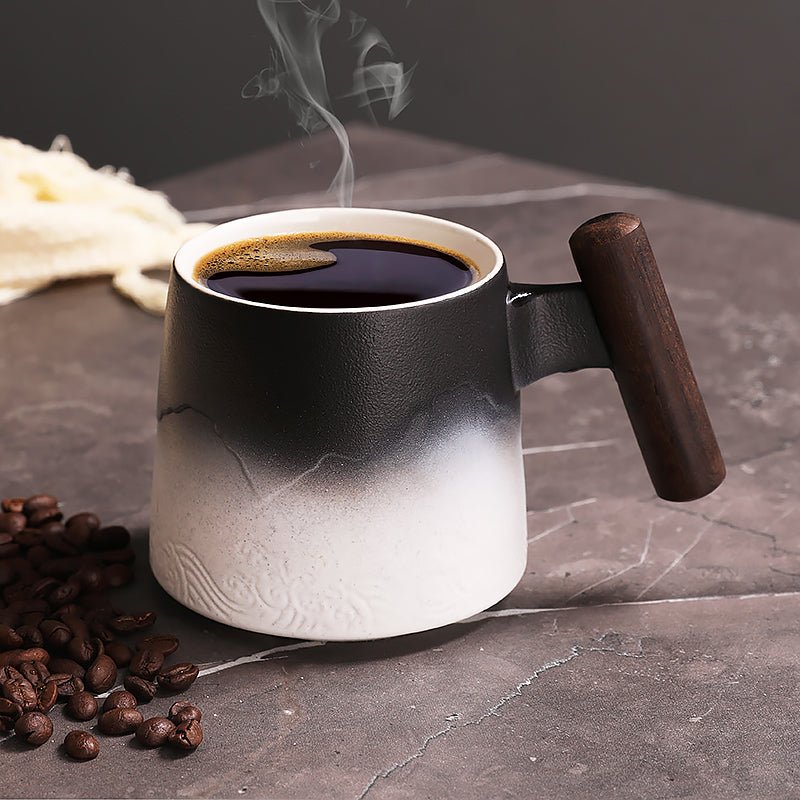
YETI Coffee Mug 20 oz: What Buyers Should Check Before Ordering
A practical guide to buying a YETI coffee mug 20 oz, including fit, lid style, material, cleaning, and when a smaller or larger size makes more sense.
Per saperne di più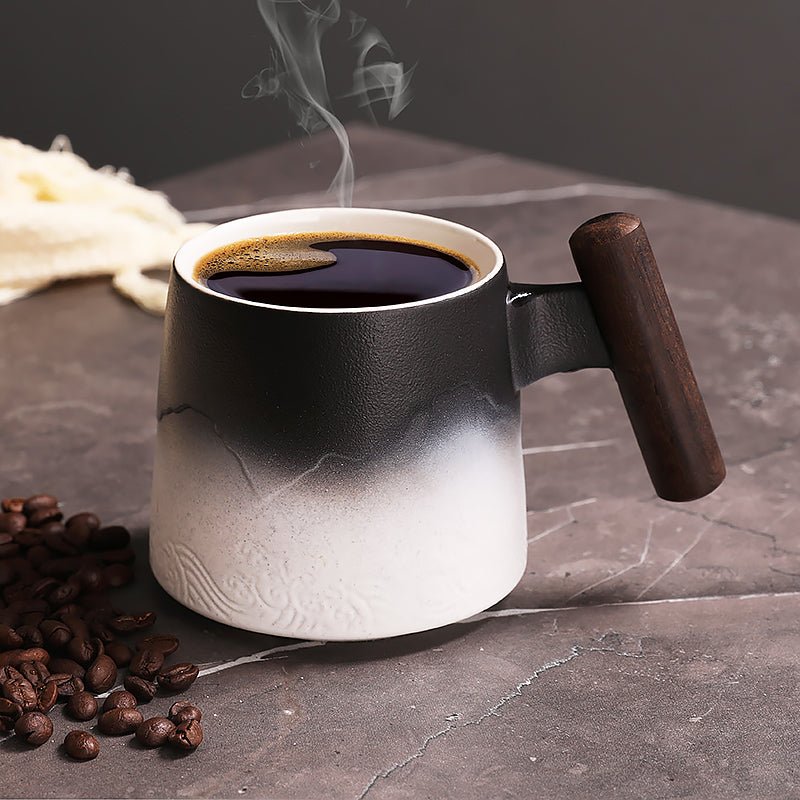
Coffee Mug Cakes: Best Mug Size, Materials, and Baking Tips
Coffee mug cakes are simple, but the mug you use changes the result. We break down the best sizes, materials, and kitchen-safe checks so the cake rises cleanly instead of overflowing or turning gummy.
Per saperne di più
Commenta
Questo sito è protetto da hCaptcha e applica le Norme sulla privacy e i Termini di servizio di hCaptcha.