
YETI Coffee Mug 20 oz: What Buyers Should Check Before Ordering
Reading time: about 9 minutes
A 20 oz mug looks straightforward until you set it under a cabinet, drop it into a car cup holder, or try to clean the lid after a few days of coffee oils. That is usually where buyers decide if the mug feels right or just feels large.
If you are comparing a yeti coffee mug 20 oz against other insulated mugs, the size is only part of the decision. The better question is how it fits your routine: desk, commute, kitchen shelf, dishwasher, and hand comfort all matter.
We handle a lot of drinkware in our store, and the same buying mistakes come up repeatedly. People focus on capacity, then realize later that lid style, overall height, and handle clearance make the bigger difference.
What does a 20 oz mug actually fit in real use?
Twenty ounces is a strong middle ground for coffee drinkers who want one mug to cover a long morning without constant refills. In practice, that usually means room for a large pour-over, drip coffee with milk, or a full travel-mug style serving that you sip over time.
The catch is that 20 oz is measured as capacity, not as the amount you should pour to the brim. With hot coffee, you still want headspace so the lid can seat correctly and you do not end up with spills when the mug is moved from counter to desk.
For many buyers, the real question is not just volume. It is fit. If you are comparing common mug sizes, our guide on How Many Oz Is a Coffee Mug? Common Sizes and What Fits Best helps put the number into context before you choose.
- Good for a full coffee morning without a second pour.
- Useful if you drink coffee slowly and do not want it cooling too fast.
- Less practical if you only drink a small cup and prefer a lighter mug.
- Not ideal if you want a compact espresso-style cup or a tiny desk mug.
If you mainly drink black coffee and refill often, 20 oz may feel oversized. If you take cream, milk, or ice, the extra room can make the mug feel more comfortable and less crowded.
Which materials and lid details matter most?
Most serious insulated mugs in this size use stainless steel, usually with double-wall vacuum construction. That design is what helps hold temperature and reduces outside condensation. Some finishes also use a powder coat, which improves grip but can show scuffs after repeated bumps against a sink, dishwasher rack, or metal bottle cage.
The lid matters just as much as the cup body. A press-on lid is simple, but it needs a clean seating surface. A slider style adds convenience, but the moving part can collect coffee residue if you do not rinse it regularly. In our experience, lid issues are one of the most common disappointment points because people expect the cup itself to solve all leak concerns.
These are the details we check first before recommending a 20 oz mug:
- Body material - stainless steel is the standard choice for durability and insulation.
- Lid fit - a secure seal matters more than a fancy closure if you carry the mug around the house or office.
- Finish - powder coat, polished steel, or painted surfaces each age differently.
- Cleaning access - lids with fewer corners are easier to keep clean after milk drinks or sweetened coffee.
There are trade-offs. A tougher exterior usually means more weight than a simple ceramic mug. And while many insulated mugs are dishwasher safe, the lid often needs extra attention so the gasket and slider stay clean. If you like the details on smaller capacity mugs, our post on Yeti 14 oz Coffee Mug: Size, Fit, and What Buyers Should Check shows how much those small design differences affect day-to-day use.
Will a 20 oz mug fit your car, desk, and cabinet?
This is the check people skip most often. A 20 oz mug can be comfortable in the hand and still be annoying in the kitchen. Tall insulated mugs often sit around 7 to 8 inches high with the lid in place, and many have a body diameter close to 4 inches. Exact dimensions vary, so the safest move is to compare the product measurements against your own cabinet clearance and cup holder width.
Handle shape matters too. A mug may technically fit a car cup holder but still be awkward if the handle collides with the console. The same issue shows up on office desks with tight keyboard trays or laptop stands.
Here is what we tell buyers to check before ordering:
- Cabinet height - make sure the mug can stand upright under your shelves.
- Car cup holder width - measure the opening, not just the top rim.
- Handle clearance - some handles make the mug wider than you expect.
- Lid height - a higher lid can be the difference between fitting and not fitting.
This is also where a 20 oz mug can be the wrong choice. If you want something that slides easily into tighter spaces, a smaller size may work better. Our 20 oz Coffee Mug: What to Check Before You Buy guide goes deeper into fit checks, and the 10 oz version is worth a look if you prefer a more compact daily cup.
On the other hand, if the mug stays at a kitchen counter or desk most of the day, the larger footprint is easier to live with. You get less refilling and a steadier temperature curve, which is why many office buyers settle on this size.
How does a 20 oz mug compare with 14 oz and 24 oz?
The best size depends on how you actually drink coffee. We see the 20 oz format as the middle lane: larger than a standard mug, more portable than an oversized cup, and easier to live with than the biggest travel-friendly options.
| Size | Best for | Trade-off | Typical buyer concern |
|---|---|---|---|
| 14 oz | Shorter coffee sessions, smaller hands, tighter shelves | Less room for milk, cream, or a second pour | May feel too small for long mornings |
| 20 oz | Balanced daily use, office desks, slow sipping | Bulkier than standard mugs | Can be tall for some cabinets and cup holders |
| 24 oz | People who want one larger fill and fewer refills | Heavier and less convenient in tight spaces | May feel oversized for casual home use |
If you are deciding between sizes, the comparison article 20 oz Coffee Mugs: What Buyers Should Check Before Ordering is useful because it covers the same capacity from a broader buying angle. For a larger step up, our 24 oz Coffee Mug: What to Check Before You Buy article shows what changes when you move up in size.
Our honest take: 20 oz is often the safest choice if you want one mug that can handle both home use and occasional travel. It is not the best pick if you want the lightest mug in the drawer. It is also not the best choice if you only drink a small morning cup and dislike carrying extra weight.
What should you check before you order one?
Before you buy a yeti coffee mug 20 oz or a similar insulated mug, check the details that affect daily use rather than just the headline capacity. This is where good purchases are made.
- Measure your space - check cabinet height, desk clearance, and car cup holder width.
- Decide on lid style - simple press-fit lids are easier to clean; sliders add convenience but have more parts.
- Match the size to your routine - choose 20 oz if you want one mug for long sipping, not quick espresso shots.
- Think about cleaning - if you drink milky coffee, a lid with fewer tight corners is easier to maintain.
- Check the finish - some coatings hide fingerprints well, while others show scuffs sooner.
If you want to see the current drinkware we carry, start with our product page or browse the full collection. That makes it easier to compare sizes and finishes side by side instead of guessing from a single product photo.
One more practical point: a 20 oz insulated mug is not a microwave mug. The stainless steel body should stay out of the microwave, and the lid should not be used as a substitute for a spill-proof bottle if you plan to toss it in a bag. If your priority is true leak resistance for commuting, you may want to compare travel-specific drinkware instead of a standard handled mug.
How do you care for it so it lasts?
Daily care is simple, but it matters. Coffee oils build up fast, especially around the lid gasket and slider track. If left alone, that residue can affect taste and make the lid feel sticky.
Our normal care checklist is straightforward:
- Rinse the mug soon after use if you cannot wash it right away.
- Wash the lid parts carefully so the gasket does not trap residue.
- Dry the cup and lid fully before storing them.
- Check the rim and lid seal after drops, since small dents can affect fit.
Common wear points are easy to spot if you know where to look. The lid may stop seating as cleanly if debris builds up. The finish may show small chips after repeated impact. A stainless steel body can last a long time, but only if the lid and sealing surfaces stay in decent condition.
If you prefer a smaller everyday cup, the 8 oz guide is useful for judging how much size you really need. If you prefer a larger one for office use or long sessions at home, the 24 oz discussion may be the better comparison point.
Frequently asked questions
Is a 20 oz mug too big for everyday coffee?
For many people, no. A 20 oz mug is a practical everyday size if you drink coffee slowly, add milk, or want fewer refills. It can feel too large if you only pour a small cup in the morning or prefer a lighter mug in your hand.
Will a 20 oz insulated mug fit in a standard car cup holder?
Sometimes, but not always. The body diameter and the handle shape matter more than the capacity number. Measure your cup holder opening and compare it against the product dimensions before you buy.
Can I put a stainless steel coffee mug in the microwave?
No. Stainless steel should not go in the microwave. If you need reheating convenience, use a microwave-safe ceramic mug instead and treat the insulated mug as your drinking vessel only.
How do I stop coffee smells from sticking to the lid?
Wash the lid promptly and clean the gasket and slider area thoroughly. Coffee oils are the usual cause of lingering smell, especially if the lid sits unwashed for a few days. Letting every part dry fully before storage also helps.
Should I choose 14 oz, 20 oz, or 24 oz?
Choose 14 oz if you want a smaller, lighter mug. Choose 20 oz if you want the most balanced everyday option. Choose 24 oz if you want one larger fill and do not mind the extra bulk.
If you are narrowing it down now, compare your cabinet height, cup holder size, and how much coffee you actually drink in one sitting. Then browse our current options on the collection page and match the size to the way you really use it, not just the number on the label.
More from our blog
Read more
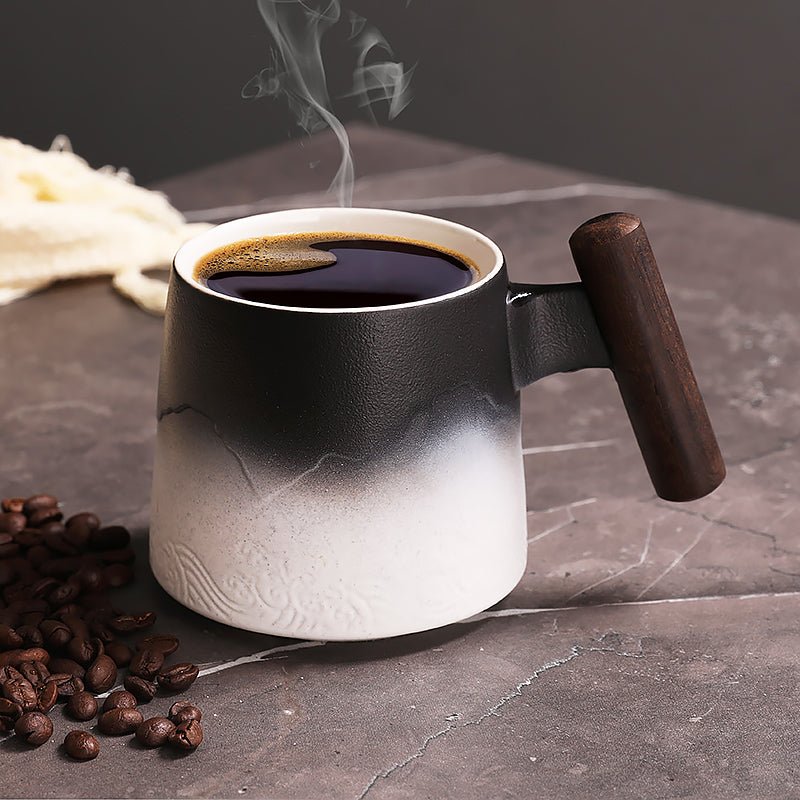
Pictures of Coffee Mugs: What Buyers Should Look For Before Ordering
Pictures of coffee mugs can tell you a lot, but not everything. Here’s how we judge shape, print quality, size, and finish so you can pick the right mug before you buy.
Per saperne di più
Best Coffee Portable Mug: What to Compare Before You Buy
A practical buyer’s guide to choosing the best coffee portable mug for commuting, desk use, and everyday carry. We cover size, lid style, insulation, cleaning, and the trade-offs that matter before...
Per saperne di più
Commenta
Questo sito è protetto da hCaptcha e applica le Norme sulla privacy e i Termini di servizio di hCaptcha.