
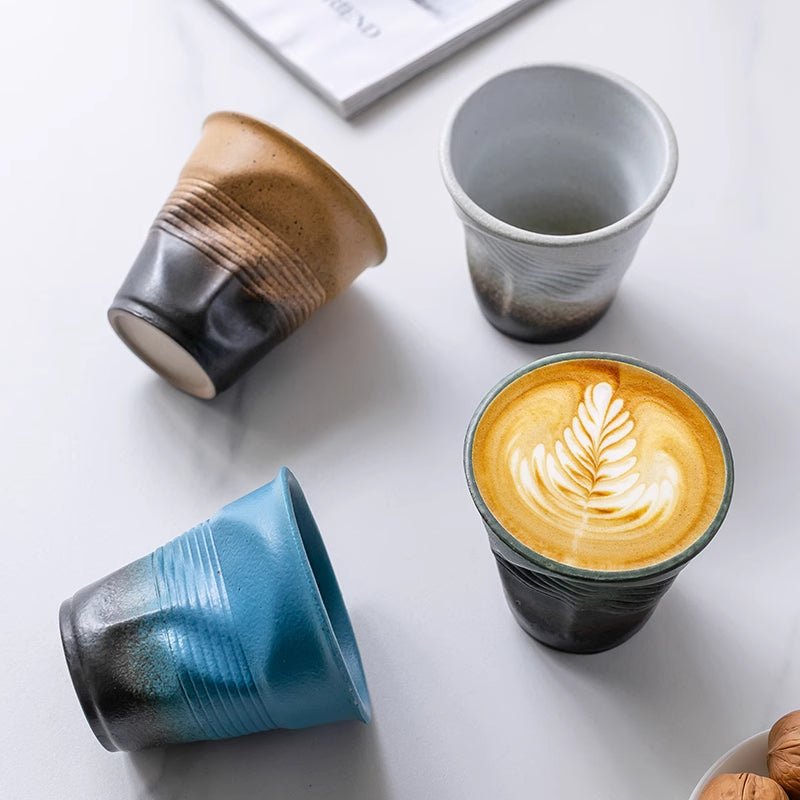
Tea Ceramic Cup: How to Choose the Right Size and Finish
Reading time: about 9 minutes
A tea ceramic cup looks simple until you start using it every day. A cup that feels great for herbal tea at your kitchen counter can feel wrong for a desk refill, a gift set, or a quiet evening pour after dinner.
We see this all the time in our store. Shoppers want a cup that looks clean on the shelf, holds heat well enough for tea, and does not feel awkward when full. That is the real job of a tea ceramic cup: not just to look good, but to fit the way you actually drink.
If you want to browse our current options first, start with the Pleated Coffee Tea Cup or compare the broader range in our full collection. Both paths make it easier to match shape and size to how you drink tea.
What should a tea ceramic cup feel like in daily use?
The best tea ceramic cup is usually the one you stop noticing. It should sit securely in your hand, pour cleanly if you transfer tea from a pot, and feel balanced when half full or nearly empty. If the rim is too thick, the sip feels heavy. If the handle is too small or absent and the body runs hot, it becomes annoying fast.
In practice, the details matter more than the label. We look closely at three things when we handle this category:
- Rim thickness: A slimmer rim usually gives a cleaner sip for tea.
- Wall thickness: Thicker ceramic tends to hold heat longer, but it can also make the cup feel heavier.
- Base stability: A flat, even base matters on smooth kitchen counters and office desks where wobble is obvious.
If you want a fuller breakdown of size and finish choices, our Tea Ceramic Cup Buying Guide: Size, Finish, and Daily Use goes deeper into the same decisions buyers usually make before ordering.
Which size works best for tea, not just photos?
Size is where a lot of buyers overthink or underthink the purchase. A smaller cup can make loose-leaf tea feel more refined, while a larger cup is better if you refill less often or like room for milk. There is no single ideal size, but there is a size that matches your routine.
Here is the practical breakdown we use when comparing a tea ceramic cup for daily use:
| Use case | What usually works best | Why it matters |
|---|---|---|
| Loose-leaf tea at home | Medium cup with a comfortable mouth opening | Enough room for aroma and a steady sip |
| Desk or office tea | Sturdy cup with a stable base | Less risk of tipping during work |
| Gift purchase | Distinctive shape and polished finish | Looks intentional without needing a full set |
| Milk tea or larger pours | More generous capacity | Leaves room for add-ins and easier refills |
For readers who are still deciding between a compact and fuller cup, our Big Tea Cup Buying Guide for Daily Tea Drinkers is useful because it addresses the common mistake of buying a cup that is too small for the way people actually drink at home.
We also recommend checking the cup in your mind against your usual tea ritual. If you sip slowly over a long work session, a larger tea ceramic cup can be practical. If you brew smaller portions and want the drink to stay hot, a medium size is often the better compromise.
Does the shape change how tea tastes or feels?
It does change the experience, even if it does not change the tea itself. A wider opening lets aroma rise more easily, which matters with floral teas, green tea, and lighter blends. A taller, narrower cup keeps the drink feeling more contained and can help reduce heat loss a little more slowly.
That is why shape matters as much as decoration. In our experience, buyers often pick a cup for the look, then realize the drinking experience is dictated by the opening, lip, and weight in hand.
If you prefer a distinctive silhouette, the The Flow Coffee Tea Mug is a good example of a shape-driven piece that feels different from a standard round cup. For buyers who want more visual texture and a more sculptural profile, the Mountain Sea Coffee Tea Mug offers another direction worth comparing.
Shape is also why we usually caution people against buying a tea ceramic cup only as a decorative object. If the lip is awkward, the handle is cramped, or the profile makes the cup hard to hold when warm, it may look great and still not become the cup you reach for first.
Which finish is easier to live with every day?
Finish affects both appearance and maintenance. A glossy glaze is usually easier to wipe clean and tends to show tea stains less than matte surfaces. A matte or textured finish can feel more tactile and grounded, but it may need a bit more attention after repeated tea use, especially with dark blends.
That trade-off is worth being honest about. A more tactile finish is not automatically better, and a polished cup is not automatically boring. The right choice depends on where you use it and how much care you want to put in after each brew.
- Glossy glaze: Easier cleanup, more forgiving with daily use, often a safer choice for busy kitchens.
- Matte or textured surface: More visual character, but can show handling wear or residue more easily.
- Natural ceramic tones: Good for neutral interiors and gifting, though color variation is part of the appeal.
For buyers comparing tea-focused ceramics more broadly, Tea Mugs Ceramic: How to Choose the Right Cup for Daily Tea is a useful companion read. It covers the same decision points from a slightly wider mug-first angle.
How should you care for a ceramic tea cup without wearing it out?
A tea ceramic cup should be simple to maintain. In normal daily use, warm water, mild soap, and a soft sponge are enough for most ceramic finishes. Let it dry fully before stacking or storing it tightly, especially if the glaze has any texture that can trap moisture.
From handling and packing these pieces, we pay attention to a few common wear points:
- Tea staining: Dark teas can leave a faint ring over time if the cup is never rinsed promptly.
- Chipping at the rim: This usually happens from hard contact in sinks, dish racks, or stacked storage.
- Micro-scratches: Abrasive pads can dull the finish faster than people expect.
That is why a cup that is technically dishwasher-safe still benefits from careful loading. If the ceramic wall is thinner or the shape has an exposed lip, place it where it will not knock into heavier dishes. A tea ceramic cup is durable enough for routine use, but it is not meant to be treated like a stainless steel travel cup or tossed around with cookware.
What should you avoid if you want the cup to last?
There are a few purchases we would steer away from. A cup with an unstable base is frustrating on a crowded desk. A cup with a handle that is too small for your fingers becomes less comfortable every week you use it. A highly decorative cup with awkward proportions may end up as shelf decor instead of a daily drinker.
A tea ceramic cup is also not the best choice if you need insulation for very long heat retention or you want something for travel. For that, a lidded insulated cup makes more sense. Ceramic is best for table use, kitchen counters, slow mornings, and calm refills. It is not the right answer for commuting.
If you are deciding between forms, our Ceramic Mugs for Tea: How to Choose the Right Size, Shape, and Finish article covers the comparison buyers usually make between more decorative pieces and plain daily-use mugs.
How do we compare the options in our store?
We usually tell shoppers to compare cups by use case first, then by appearance. That keeps the decision practical. A tea ceramic cup that looks great but feels off in the hand rarely becomes a favorite.
- Choose the cup size based on your normal pour, not your occasional oversized pour.
- Check whether you prefer a smooth glazed finish or something with more texture.
- Think about where you will use it most: kitchen, office, or as a gift.
- Look for a stable base and a rim that feels comfortable against the lip.
- Confirm the care routine you are comfortable with before buying.
If you want to shop by shape rather than by article, start with the Pleated Coffee Tea Cup, compare it with The Flow Coffee Tea Mug, and then decide whether the more sculptural Mountain Sea Coffee Tea Mug is a better fit for your shelf and routine.
Our rule in the store is simple: if a cup feels good empty, balanced half full, and easy to rinse after tea, it is usually the one people keep reaching for.
Frequently asked questions
What size tea ceramic cup is best for daily tea?
A medium tea ceramic cup is usually the safest choice for daily use because it gives you enough room for a normal pour without feeling oversized. If you drink smaller, stronger cups of tea, a more compact cup can help the drink stay warm longer.
Is a tea ceramic cup better than glass for hot tea?
Ceramic usually feels better for everyday hot tea because it tends to hold heat well and gives a more substantial hand-feel. Glass can be nice for seeing the tea color, but it often feels less forgiving in routine kitchen use.
Can I use a tea ceramic cup for coffee too?
Yes, many tea ceramic cup styles work for coffee, especially if the capacity and rim shape are comfortable. We see plenty of shoppers use the same cup for both, but a more open shape may be better for tea aroma, while a larger mug may suit coffee better.
How do I keep tea stains out of a ceramic cup?
Rinse the cup soon after use and wash it with mild soap and a soft sponge. If a stain builds up, a gentle soak is usually better than scrubbing with abrasive pads, which can dull the finish over time.
Is a ceramic tea cup a good gift?
Yes, as long as the shape feels balanced and the finish looks intentional rather than purely decorative. A tea ceramic cup is a good gift for someone who actually drinks tea at home, at a desk, or during quiet breaks, but it is less useful for someone who only wants travel drinkware.
If you are ready to choose, compare the shapes in our full collection, then narrow it down by size, finish, and where you will use the cup most. That is the fastest way to end up with a tea ceramic cup you will actually keep on the counter instead of in the back of a cabinet.
Read more
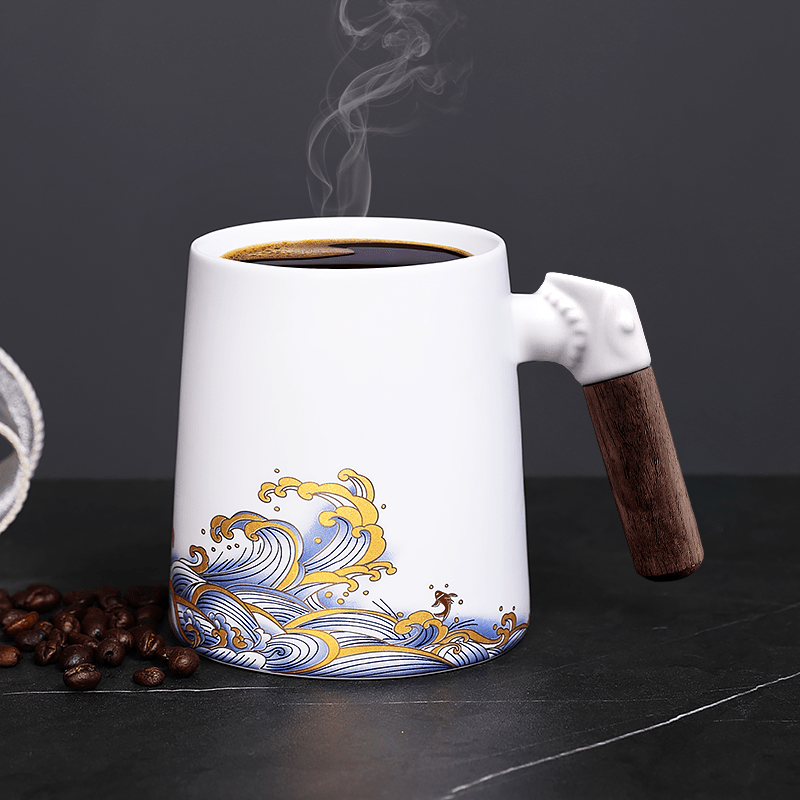
Plain White Coffee Mugs: What to Check Before You Buy
Plain white coffee mugs look simple, but the right one depends on material, rim feel, handle comfort, and how it holds up in daily washing. We break down the details that matter for kitchen counter...
En savoir plus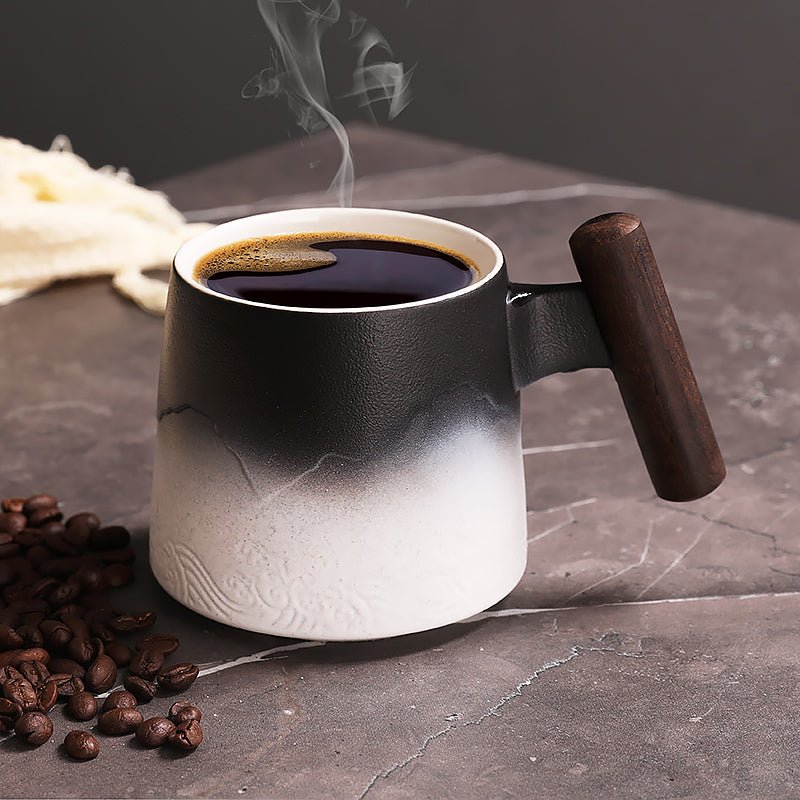
How Many Ounces in a Mug of Coffee? Real Sizes and Buyer Tips
A mug of coffee is often 8 to 12 ounces poured into a mug that holds more at the rim. We break down real mug sizes, fill levels, and what to buy for drip coffee, lattes, and daily use.
En savoir plus
Laisser un commentaire
Ce site est protégé par hCaptcha, et la Politique de confidentialité et les Conditions de service de hCaptcha s’appliquent.